



Author: Christiane Wunsch
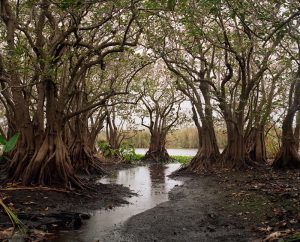
Foreverglades & Miracle Village
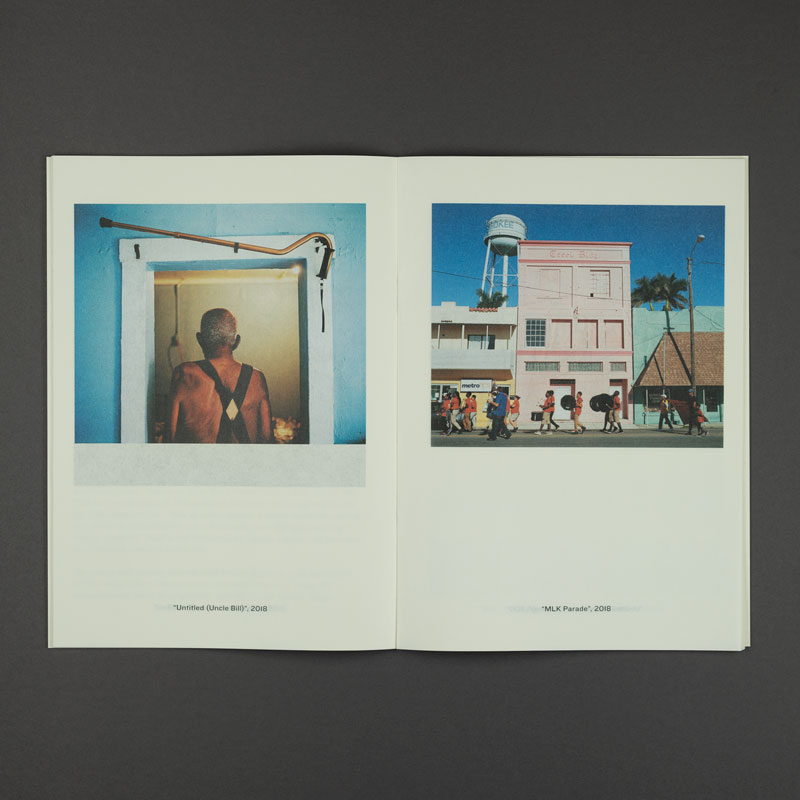
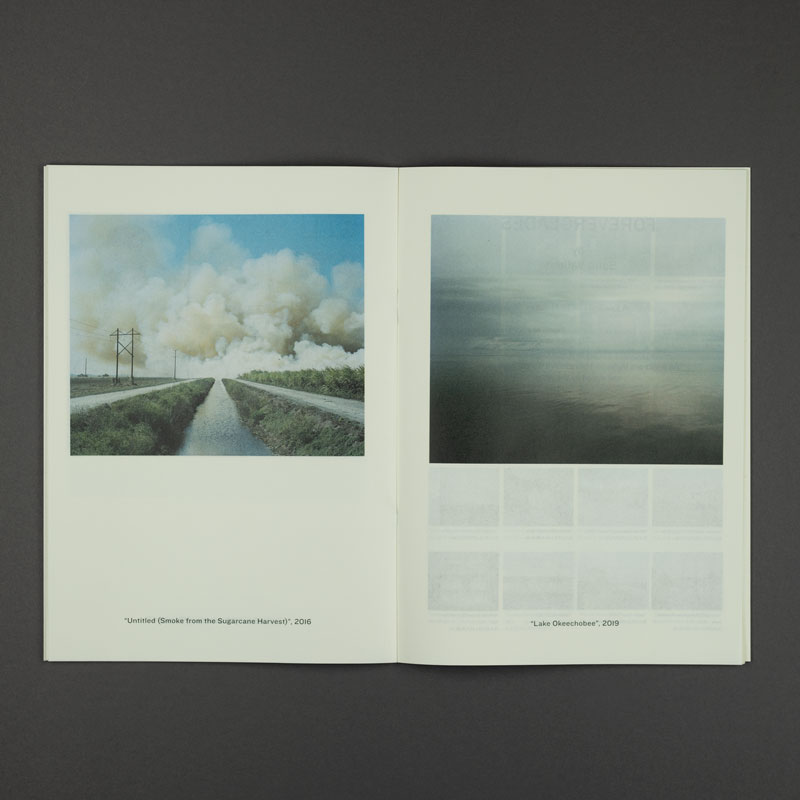
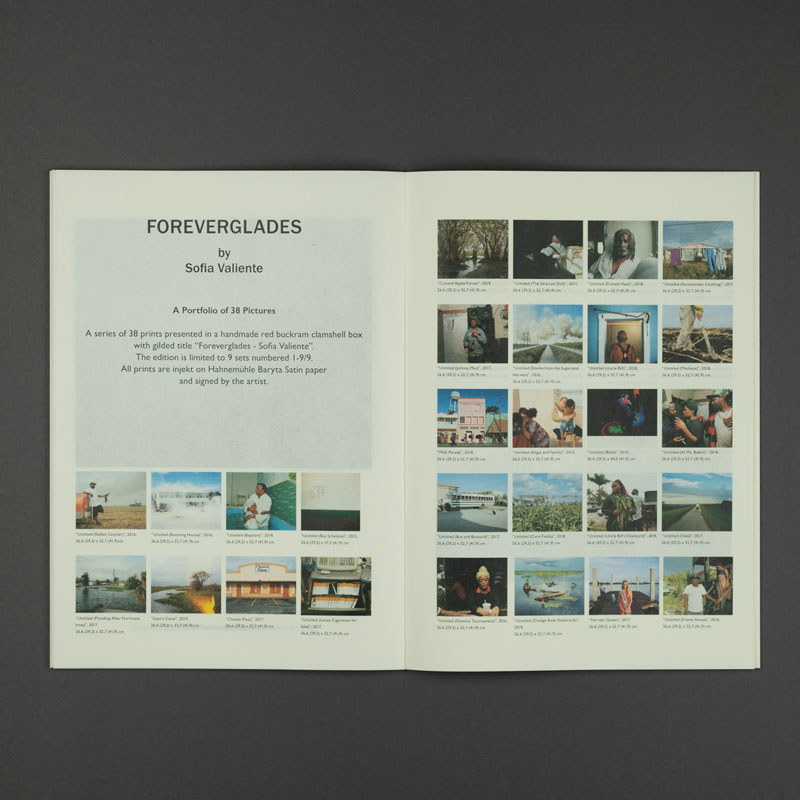
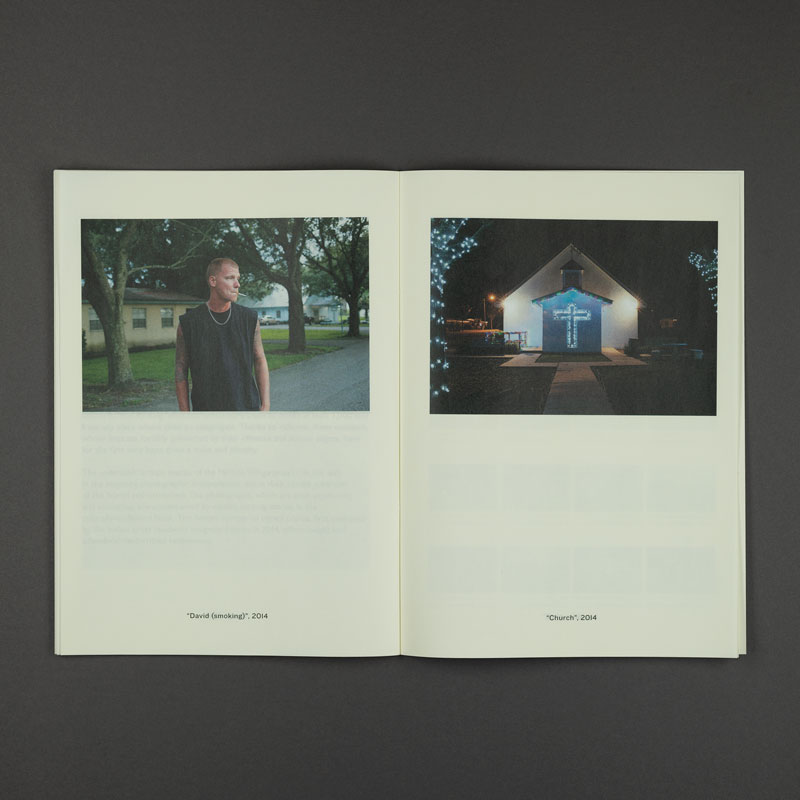
Foreverglades & Miracle Village by Sofia Valiente
For decades after Western Expansion, South Florida was still a wilderness.
Only once pioneers dredged canals and redirected the flow of Lake
Okeechobee did this area become habitable. These once considered “useless”
territories of marshes and swamps ultimately gave way to development and
industry.
On the southern tip of the lake lies Belle Glade, a small agricultural town that
one might pass on a road trip today, just a couple of stoplights and it’s gone. It
hides a rich history that leads to how we arrived here in Florida.
In 2015, I moved into a former rooming house apartment in Belle Glade
and soon after came across books by Lawrence E. Will and Zora Neale
Hurston. Will painted a picture of the pioneers who developed the area
through persistence and foresight, and for me, Hurston gave a voice to the
workers who built the Glades with their bare hands. Their writing became my
framework for exploring the past and looking at its contemporary parallels. In
this time capsule, history is present — roots run deep and the pioneer spirit
can still be felt.
As a photographer and storyteller, I have frequently sought to understand
how deep the “iceberg” reaches. For my first published work, “Miracle
Village”, which documents the lives of sex offenders living together in a
community, my pursuit focused on the events leading up to each person’s
convictions and the psychology of a person who lives as a modern-day leper.
With my latest project, “Foreverglades”, I looked to history as a framework
for understanding how American capitalism has shaped and continues to
reshape, our communities. I studied how this pioneer spirit was built on
tenacity and doggedness. I see humanity as a collective whose individual
people play differing roles and whose stories are interwoven in a deep
tapestry. For me, the present is a question that history answers.
My intention with constructing a steamboat replica was to reproduce an
artifact that was very specific to a time period when all travel was done
by boat. I grew up in the suburbs an hour away from this region, where
development has homogenized the urban landscape and where history has
been paved over. I wanted to create this juxtaposition between the artifact
and the modern cities on the coast.
I believe it is important to make work available to audiences who don’t
normally consume documentary photos and storytelling. Meeting people
where they are is inclusive of a larger audience. With Foreverglades, I
personally spent three months at the exhibit educating the people who
came to visit. It was an incredible gamut of people, from scientists to people
interested in everything from art to history, to residents who happened to
stumble upon it — all political parties, ethnicities, and ages.
Sofia Valiente, 2020
Printed and bound by Pelo-Druck Lohner oHG
Paper content: Offset 50g/m2
Paper cover: Olin, Rough, cream, 200g/m2
Published: 2020
36 pages, 22 images
15×21 cm, softcover
ISBN: 978-3-9821983-1-6
Editor: Daniel Blau

Grapes Lost and Found
Grapes Lost and Found
In a recent conversation I had with Billy Al Bengston, he quoted his racing buddy:
“If it only costs money, it’s cheap.” Being an avid collector myself (although not of
Contemporary Art) my interpretation of his words is: It can take a lot of effort, time
and money to track down a specific object. Sometimes it can take years and money can’t
help.
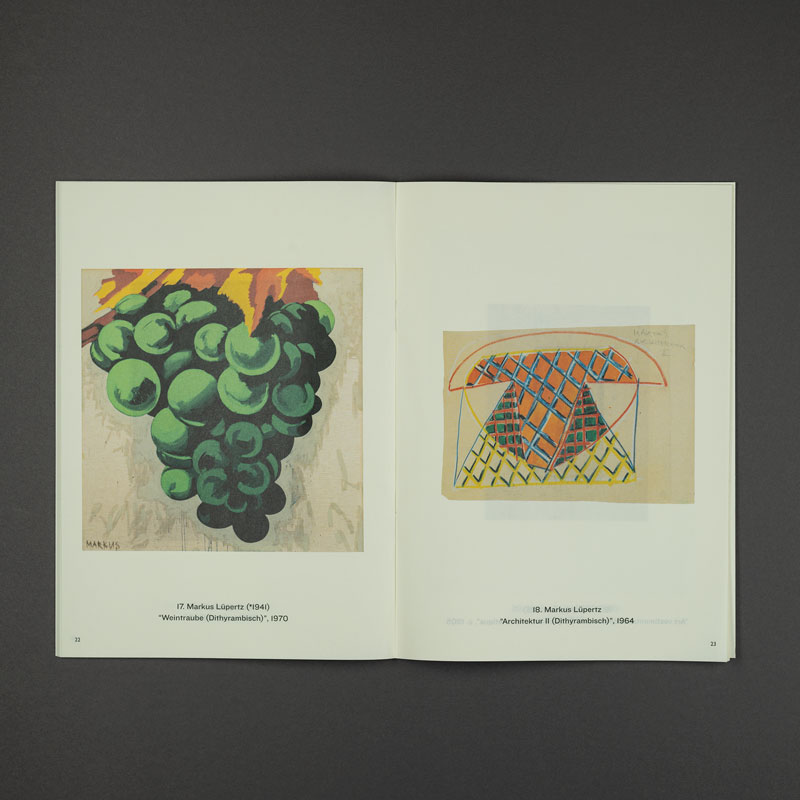
We had an exhibition of large Lüpertz paintings from 1967-70 at Art Basel in 2005.
The paintings were huge. The show looked stunning and was a great success. The
painting “Weintrauben” did not find a place in the show of tree trunks, telegraph
poles and tunnels and remained upstairs in storage to return with the other works
to Germany after the fair. But it never arrived. We only realized it had gone missing
about a year later when a loan request for the work came and we couldn’t locate it.
Now, 15 years later, a friend sends me this cryptic text message: “Dear Daniel, tell
me, are you missing a grape painting? I hope you are well. Best wishes…”
It turns out that the crate, with our label still on it, mysteriously turned up in a
private furniture warehouse in Munich. The owner of that warehouse is a friend of
our friend. I thought “Great! The grapes are back.” But then the finder emailed:
“How can I be sure you are the owner? I think I’d better go to the police.” Days
of silence followed. The painting had vanished again. Then somebody within the
city’s Lost and Found department called up. He had been referred to us by the
Lenbachhaus, and wondered if we dealt in Lüpertz. “There is this painting someone
found…”
I am sure that many of the artworks we enjoy today would have fascinating stories
to tell, if only they could speak to us in words as well as with their beauty.
I thought this lucky moment merited a presentation on the theme of flora and
color.
Karl-Heinz Schwind was our first exhibition when we opened some 30 years ago.
His works are pure energy.
Eugène Leroy, who sometimes worked for several years on a painting before
considering it finished, Don van Vliet, painter and cult musician known as Captain
Beefheart and Billy Al Bengston, known for his tropical themes and vivid colors,
are well known and do not need my introduction.
David Byrd is neither “Insider” nor “Outsider”. Having studied art after WWII
under Amédée Ozenfant, he only developed his mature style and produced his
most defining body of work after he started working as an orderly at a hospital
psychiatric ward, from 1958-88. His paintings defy any of the “Isms” we usually like
to apply to art we see; they stand apart from Pop, Realism or Expressionism.
If anything I would refer to his work as “New York Surrealism”. Byrd’s works have
an airy and somewhat aetherial quality, as if viewed through a milky glass.
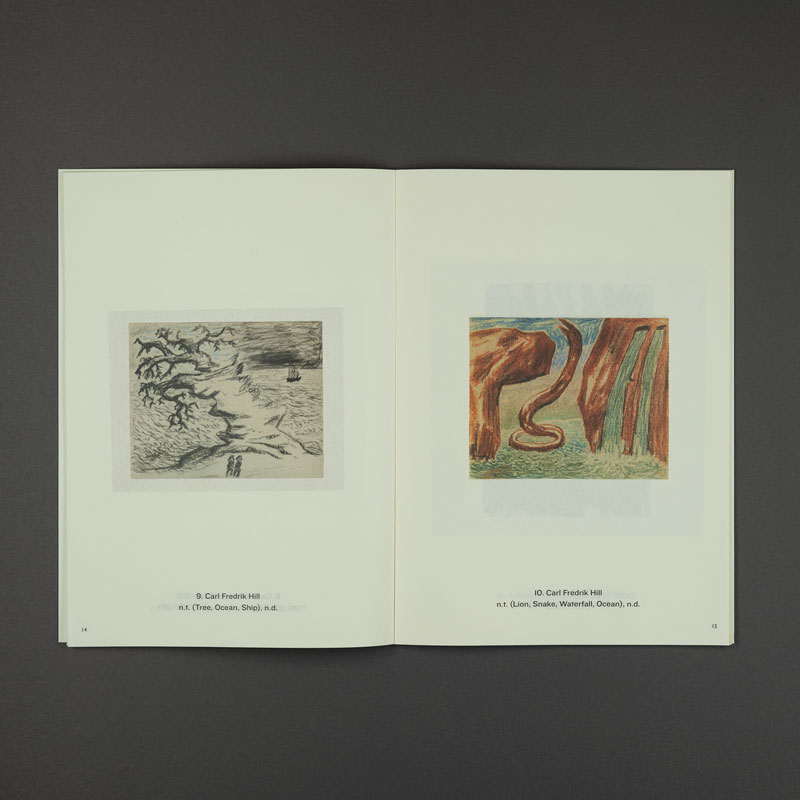
C.F. Hill, on the other hand, is what one could call an “artist’s artist” – he is known
to art enthusiasts outside of his home country of Sweden who are interested
in the origins of what we call “Modern Art”. He began as an academic painter,
living for some years in France before a serious nervous breakdown brought him
back to Sweden where he was hospitalized for 5 years. He radically changed his
style and thenceforth his hallucinations and persecution mania inspired his work.
Mostly working on paper with pencil, colored pencil, charcoal or pastel, he created
mysterious landscapes reminding me of the prints done several hundred years
earlier by Hercules Seghers, landscapes out of fairy tales or nightmares.
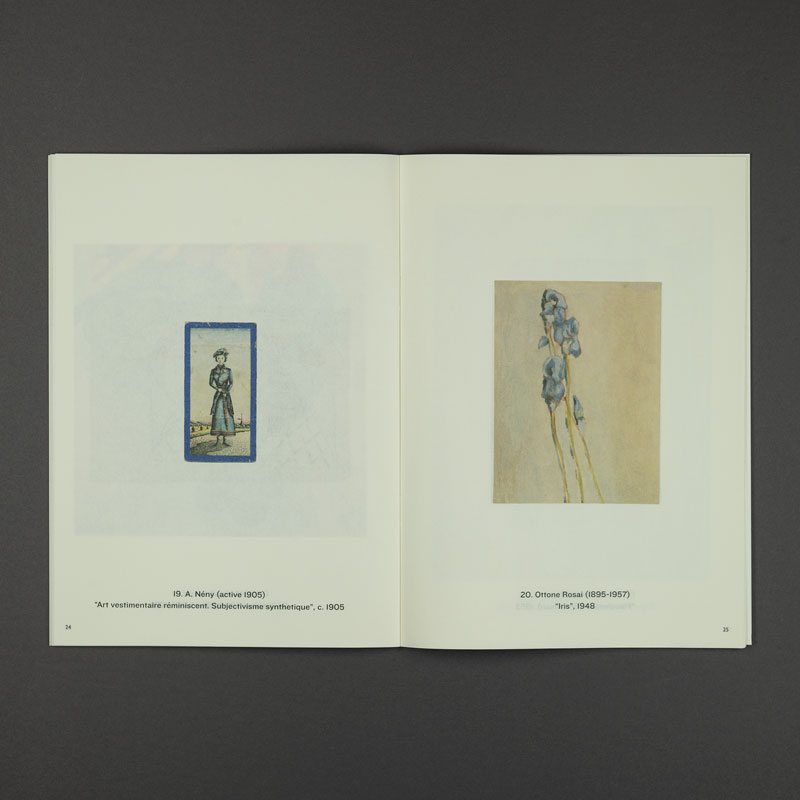
Guerle and Nény were true self-taught artists who remained more or less in
obscurity but whose visual languages are equally inspiring and distinctive as the
better-known artists in our exhibition. They only came to my attention through
writers like Hans Prinzhorn or Dr. Jean Lacassagne, who were interested in and
propagated the artistic output of mentally insane or criminal individuals. Prinzhorn’s
Bildnerei der Geisteskranken (Berlin 1922) and Albums du Crocodile by Lacassagne
(Lyon 1939) have been rare sources of information on these fascinating artists.
D.B., 2020
Printed and bound by Pelo-Druck Lohner oHG
Paper content: Offset 50g/m2
Paper cover: Olin, Rough, cream, 200g/m2
38 pages, 26 images
15×21 cm, softcover
Editor: Daniel Blau

“Travel to Egypt? They all start dancing with sheer joy,” he wrote.
“As if that was something other than going to London.”
Traveling Photographers
Photography from The Travel Bug of the Nineteenth Century
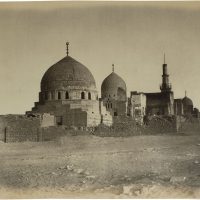
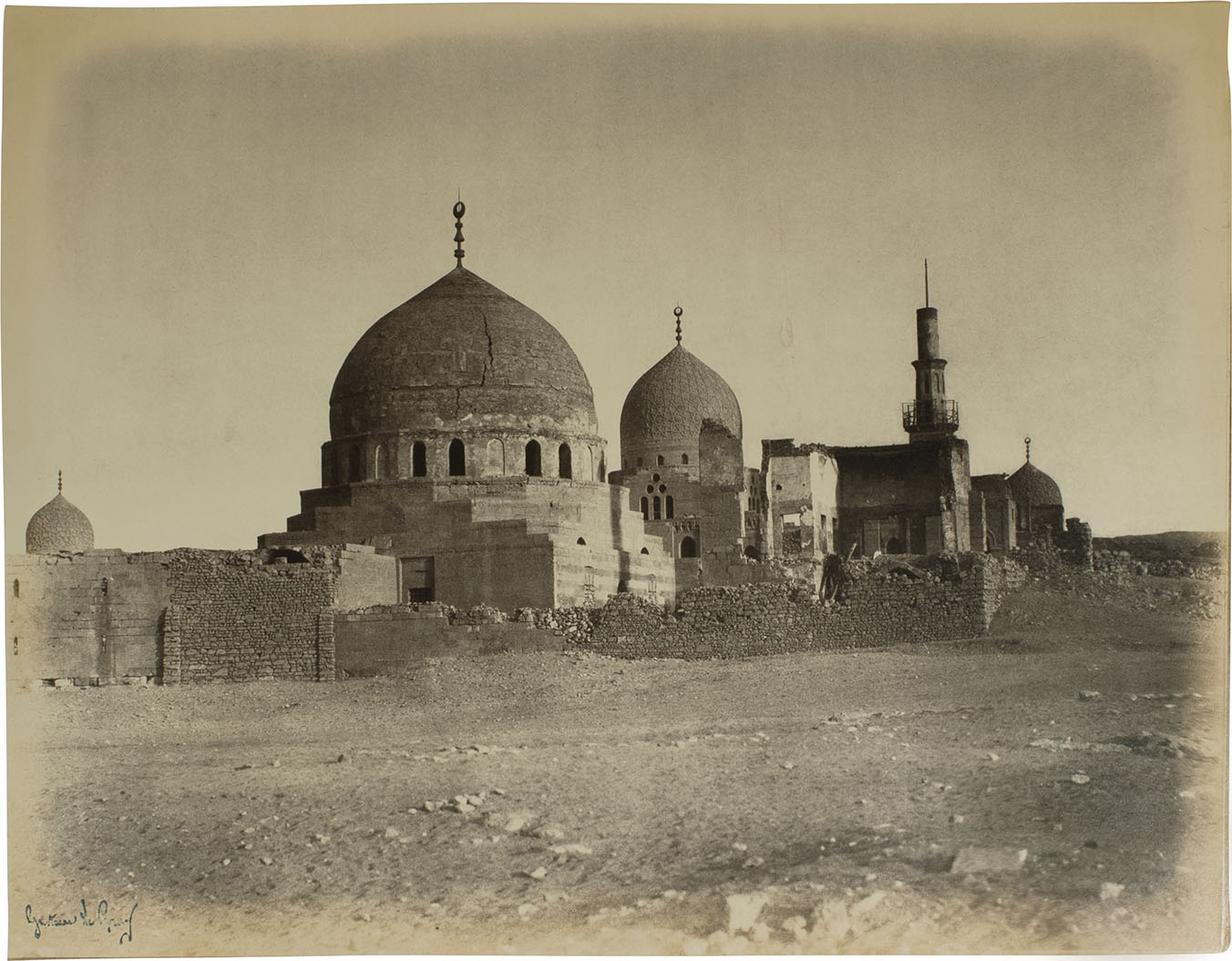
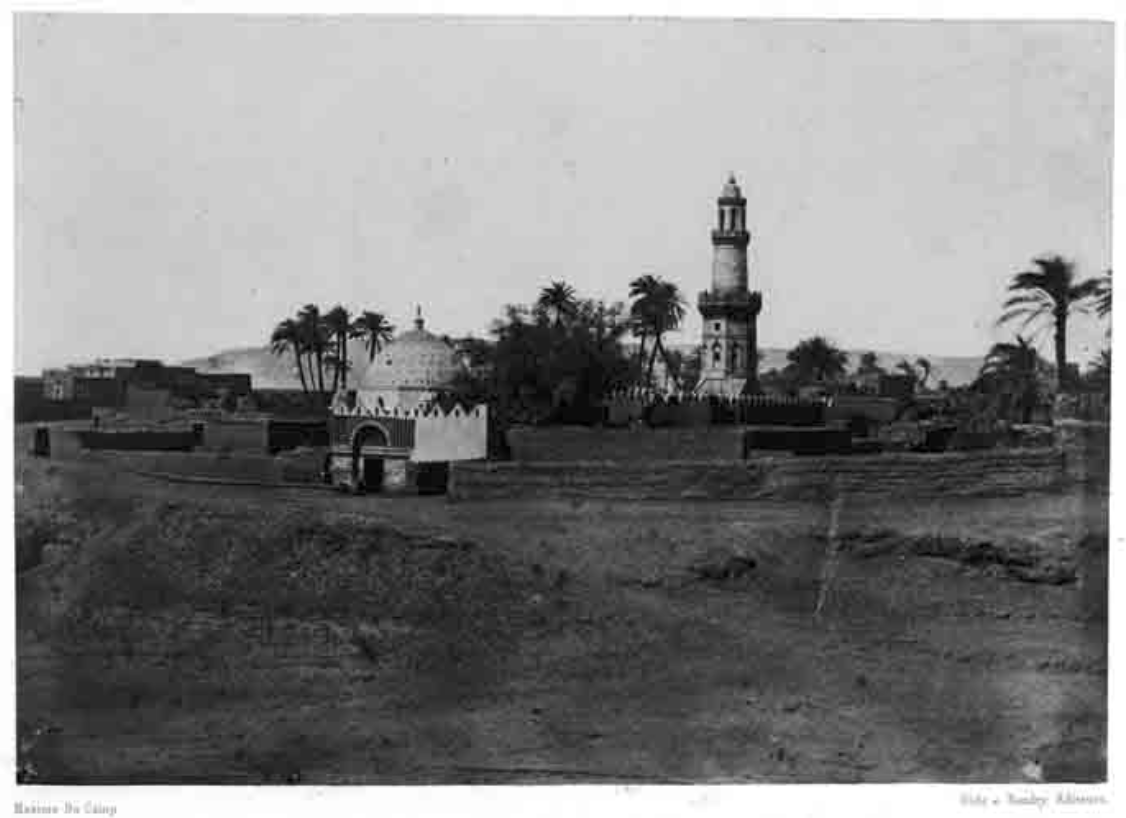
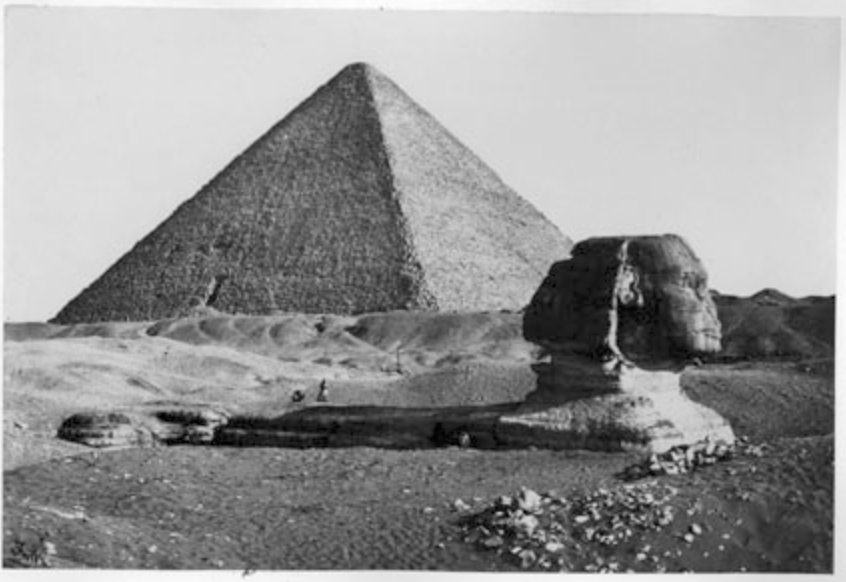
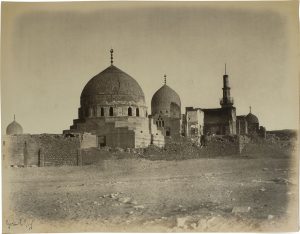
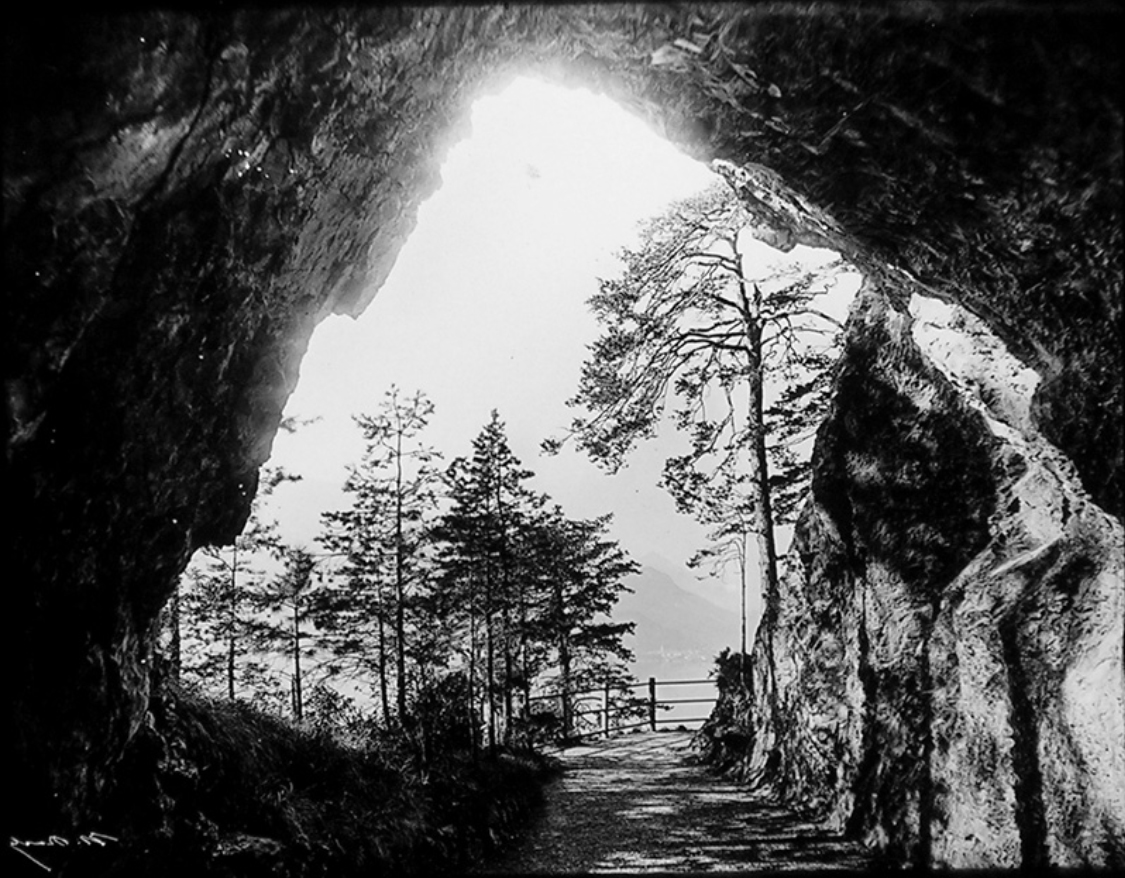
In 1824, Eugène Delacroix was still critical of the newly emerging interest in travel to the Middle East, “Travel to Egypt? They all start dancing with sheer joy,” he wrote. “As if that was something other than going to London.” Only a few years later, in January 1832, Delacroix left France to journey to the African coast himself, in support of Charles Henri Edgar, Count of Mornay’s diplomatic delegation to Sultan Abd al-Rahman. The delegation was mandated by the government of King Louis Philippe to start a dialogue concerning the political events of adjacent Algeria. The vague political situation in the nineteenth century required numerous diplomatic missions, which were often accompanied by artists or photographers. Thanks to these contemporary witnesses – solo travelers as well as documenting escorts – the western world learned about the countries of the Far and Middle East. However, not only the artworld profited from these long-distance travels. Steamboat and railway reduced travel time and offered a new degree of comfort and luxury. Shipping lines like the Peninsular and Oriental Steam Company were established as a regular link between England and Egypt. From 1883 the Orient Express ran on the route from Paris to Constantinople. Travel agencies like Thomas Cook recognized the trend and acted accordingly by offering guided journeys to the Orient.
Gustave le Gray (1820-1884) is considered the most important and influential photographer of the second half of the nineteenth century. His photographs are so rare and highly collectable that many have set record auction prices. Le Gray studied painting with Paul Delaroche. His interest turned to chemistry and photography and by 1855 he had won the high accolade of the “Medaille de Première Classe” at the Universal Exhibition.
Maxime Du Camp (1822-1894) took photography lessons from Gustave le Gray and travelled in 1849 with Gustave Flaubert to Egypt. His journals and subsequent books, such as Le Nil (1855), along with Flaubert’s letters and travel notes, provide one of the most complete accounts of the European experience of Middle Eastern travel and of the daunting enterprise of making photographs during the early years of photography.
Francis Frith (1822-1898) was the most well-known nineteenth-century photographer who travelled to the Middle East. On two of his three excursions to the Middle East he visited Egypt, first in 1856-57 and later in 1859-60
All offers are noncommital. We cannot guarantee the items are still available on request.
Other Diversions
Robinson Crusoe, Tom Sawyer & Huckleberry Finn, Treasure Island and Moby Dick Museum Fünf Kontinente - Database Photography online Music for Wanderlust
One of the most common printing processes developed in the 1850s is the carbon print.
Carbon Printing
In 1839 the invention of photography was formally announced. In the previous years many chemists, inventors and artists had worked on finding a method of capturing an image by the agency of light alone. Eventually, two processes reached a state of development that allowed the reproduction of images and spread the new technology throughout society. One method – invented by Louis Jacques Mandé Daguerre – enabled the photographer to capture lens images on silver-plated sheets of copper. The other one, invented by William Henry Fox Talbot, provided the opportunity to produce images on paper. These early methods are characterized by their dependence upon the sensitivity of silver compounds to light.
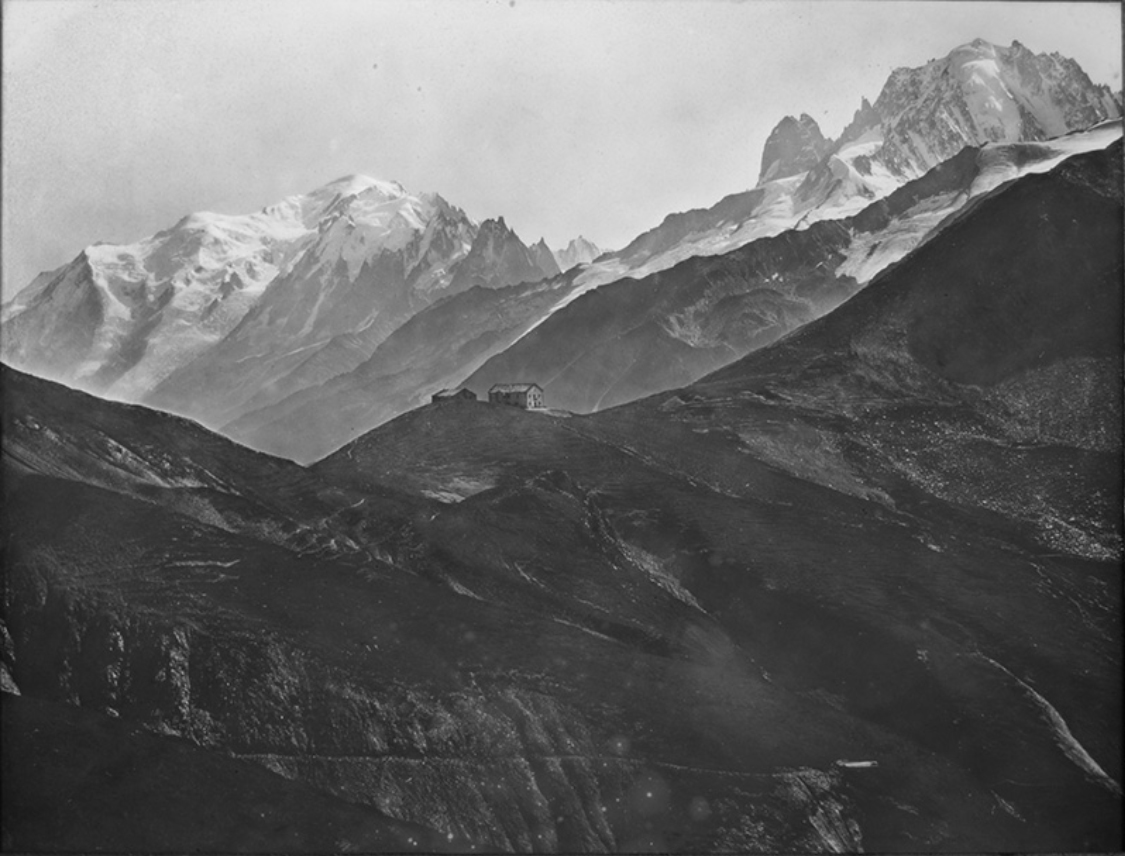
One of the most common printing processes developed in the 1850s is the carbon print. This process is named after the use of carbon black as a coloring agent, however, any other pigment would also work. The underlying method of the carbon print is based on a thick layer of gelatin which holds the pigment and is sensitized to light with a dichromate salt and exposed by contact to a photographic negative. The lighter areas of the negative expose the gelatin layer more to light than the dense areas. After the exposure, the unexposed gelatin can be washed away and a positive print, made of pigmented gelatin, will result. In the family of early photographic printing techniques carbon prints are the most stable and the only practical photographic process to produce monochromatic prints that use any of the color pigments commonly available to artists.
The first discoveries in this pigment printing process are credited to Alphonse Poitevin, a French chemist, engineer, inventor and photo pioneer. As such, Poitevin is regarded as the inventor of carbon printing. Poitevin and other colleagues and contemporaries, like Honor d’Albert, Duc de Luynes or Alphonse Braun continued these experiments and laid the foundation for all subsequent methods of pigment printing.
All photographs are available for purchase. Prices upon request. For further information please send an email to: contact@danielblau.com
All offers are noncommital. We cannot guarantee the items are still available on request.
Other Diversions
August Sander.Sardinien 1927 - Bayerische Staatsgemäldesammlungen, Pinakothek der Moderne, Munich Anish Kapoor at Pinakothek der Moderne
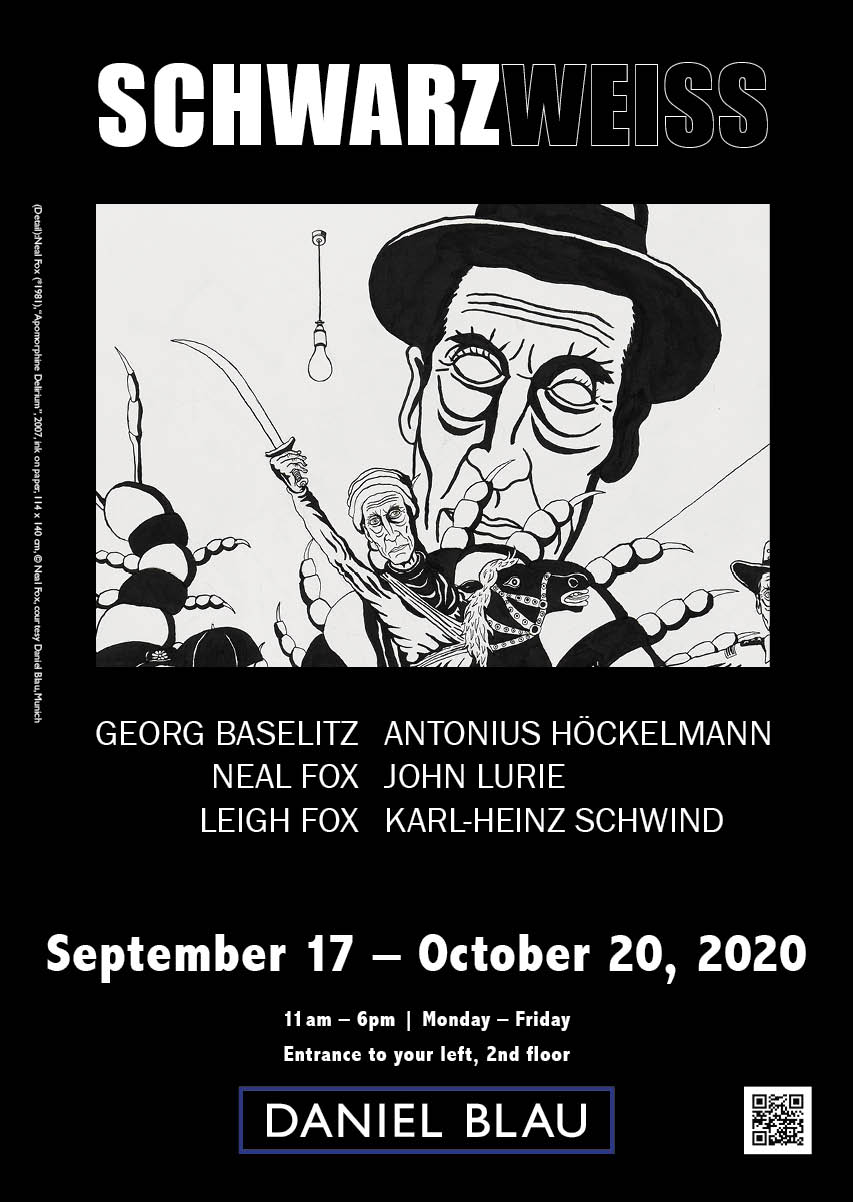
Schwarz Weiß
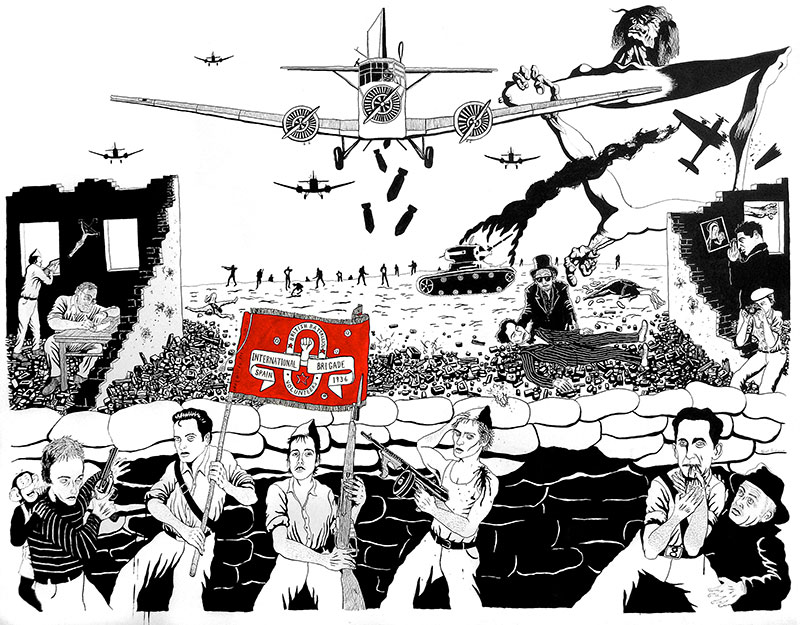
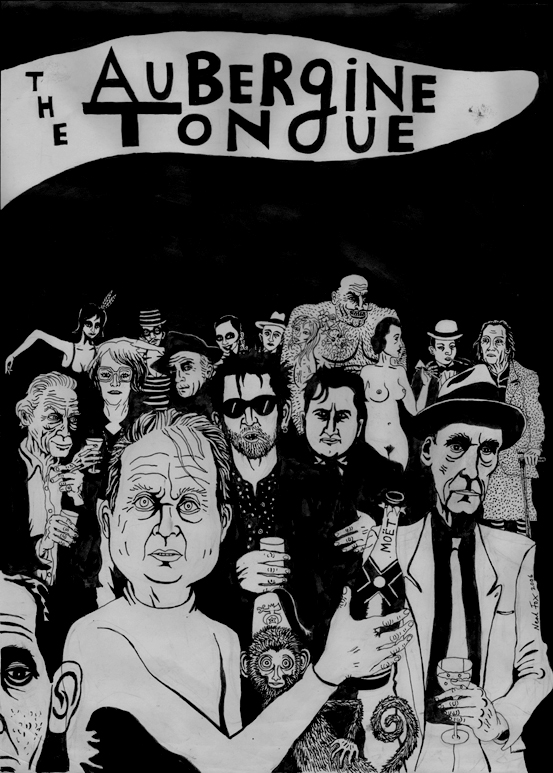
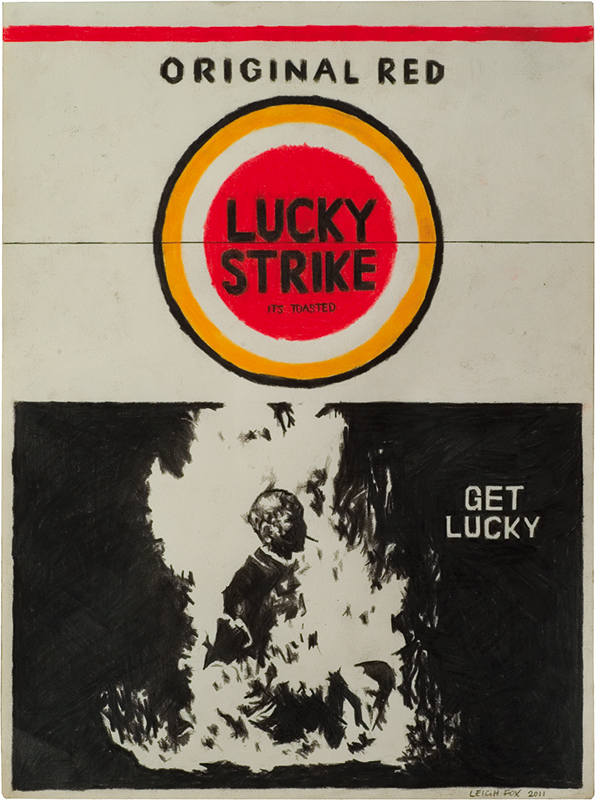
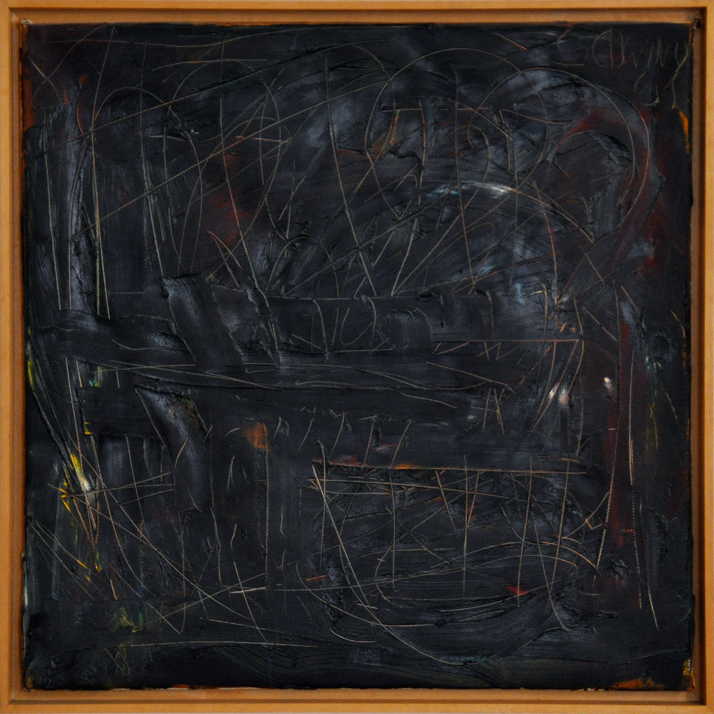
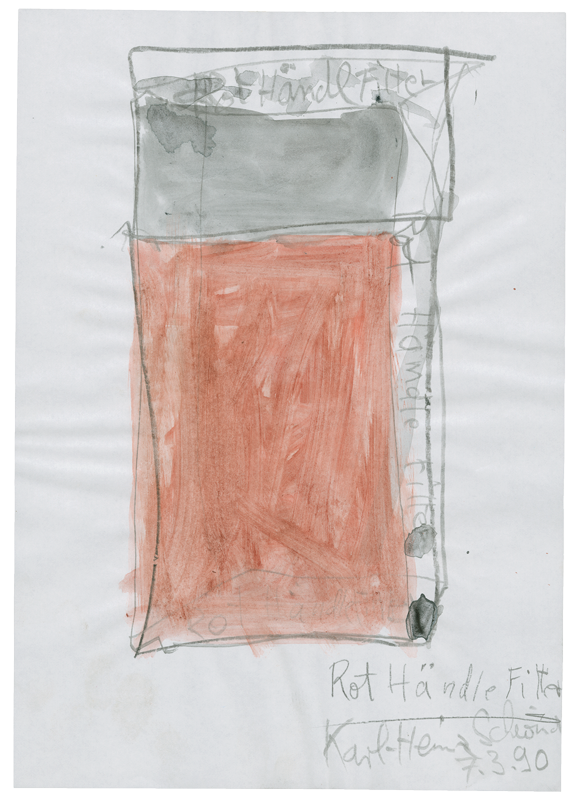
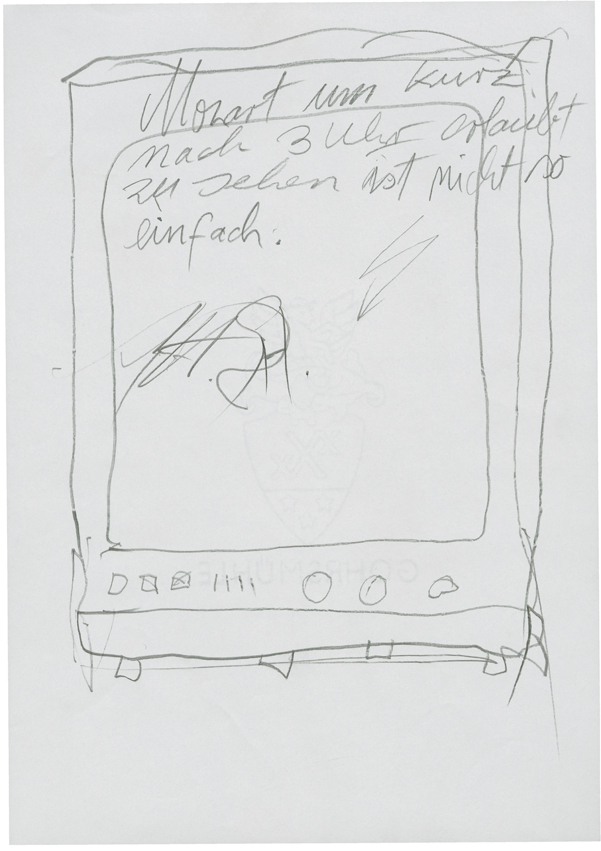
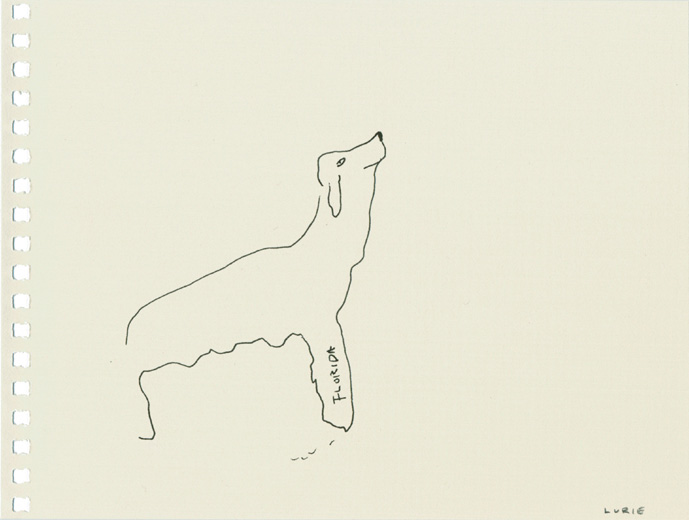
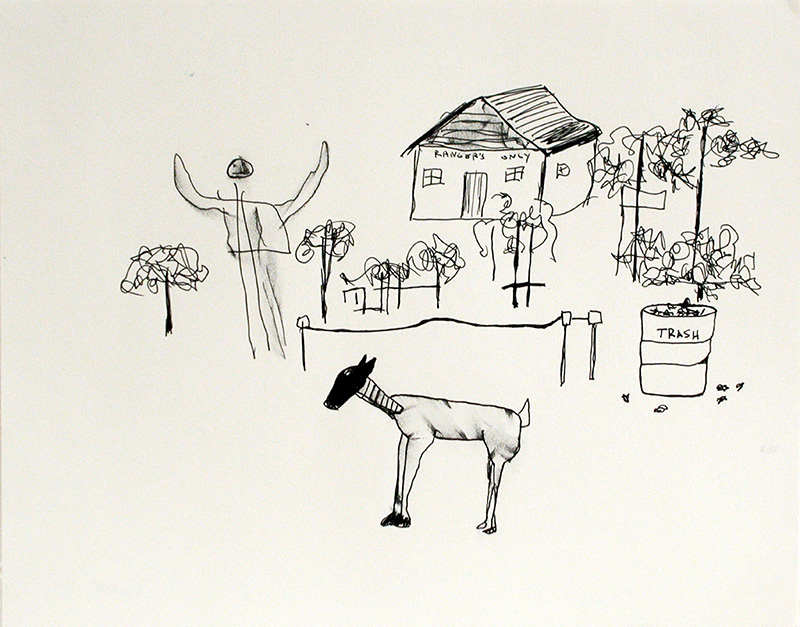
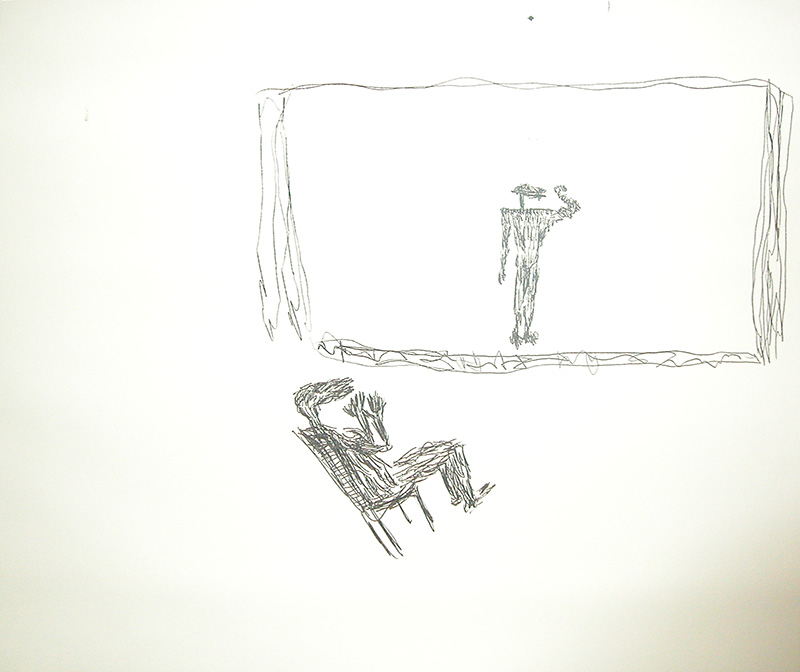
Daniel Blau is pleased to present an exhibiton uniting works in black and white by Neal and Leigh Fox, Karl-Heinz Schwind, Georg Baselitz, Antonius Höckelmann and John Lurie examining their engagement with line, shape and form.
Exhibition:
September 17 – October 20, 2020
11am – 6pm | mon – fri
Maximilianstraße 26, 80539 München



ANDY WARHOL EXHIBITS
a glittering alternative
Museum moderner Kunst Stiftung Ludwig Wien
MuseumsQuartier
Museumsplatz 1
1070 Wien
exhibition dates:
September 25, 2020 – May 30, 2021
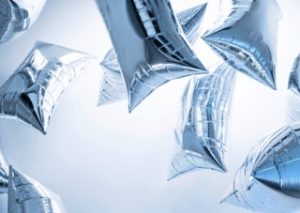
image: After Andy Warhol
Facsimile of Silver Clouds created by Andy Warhol in 1966, Refabricated by the Andy Warhol Museum, © The Andy Warhol Foundation for the Visual Arts, Inc. / Licensed by Bildrecht, Wien, 2020
Art Direction: Studio VIE, Photo: Daniela Tros


3 under 30
Daniel Blau is pleased to announce the three winners of 3 Under 30, the gallery’s competition for young photographers.
- Joseph Glover
- Maite de Orbe
- Lucile Soussan
The gallery received numerous submissions from emerging artists around the world. The winning photographers were selected based on the strengths of their portfolio and accompanying statement.
We will present a selection of works by these talented photographers at a group exhibition in Paris during Photo Saint Germain January 2021.
We wish to congratulate these photographers and we look forward to working with them on the Paris project.
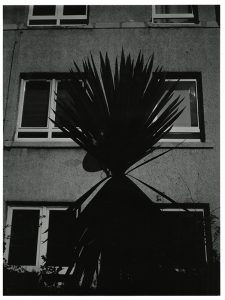
He uses analogue and digital techniques in works that explore themes of the self, place, society, time and philosophy. Joseph’s project ‘Palm, 269’ is a series of pictures of a neighbouring palm tree.
His documenting of a particular place over time is made powerful by repetition, bringing to mind An Attempt at Exhausting a Place in Paris by Georges Perec.
Joseph Glover – Website
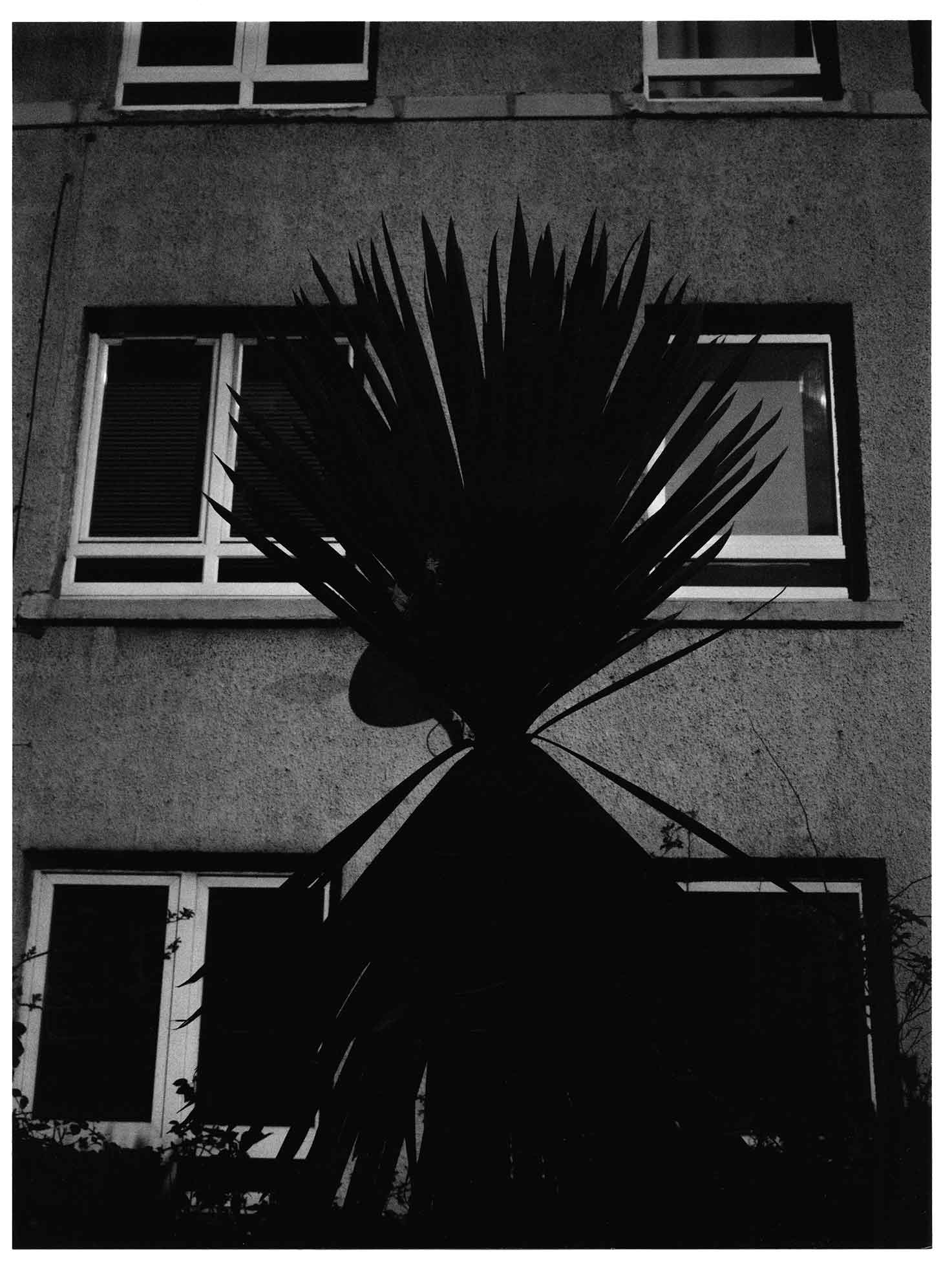
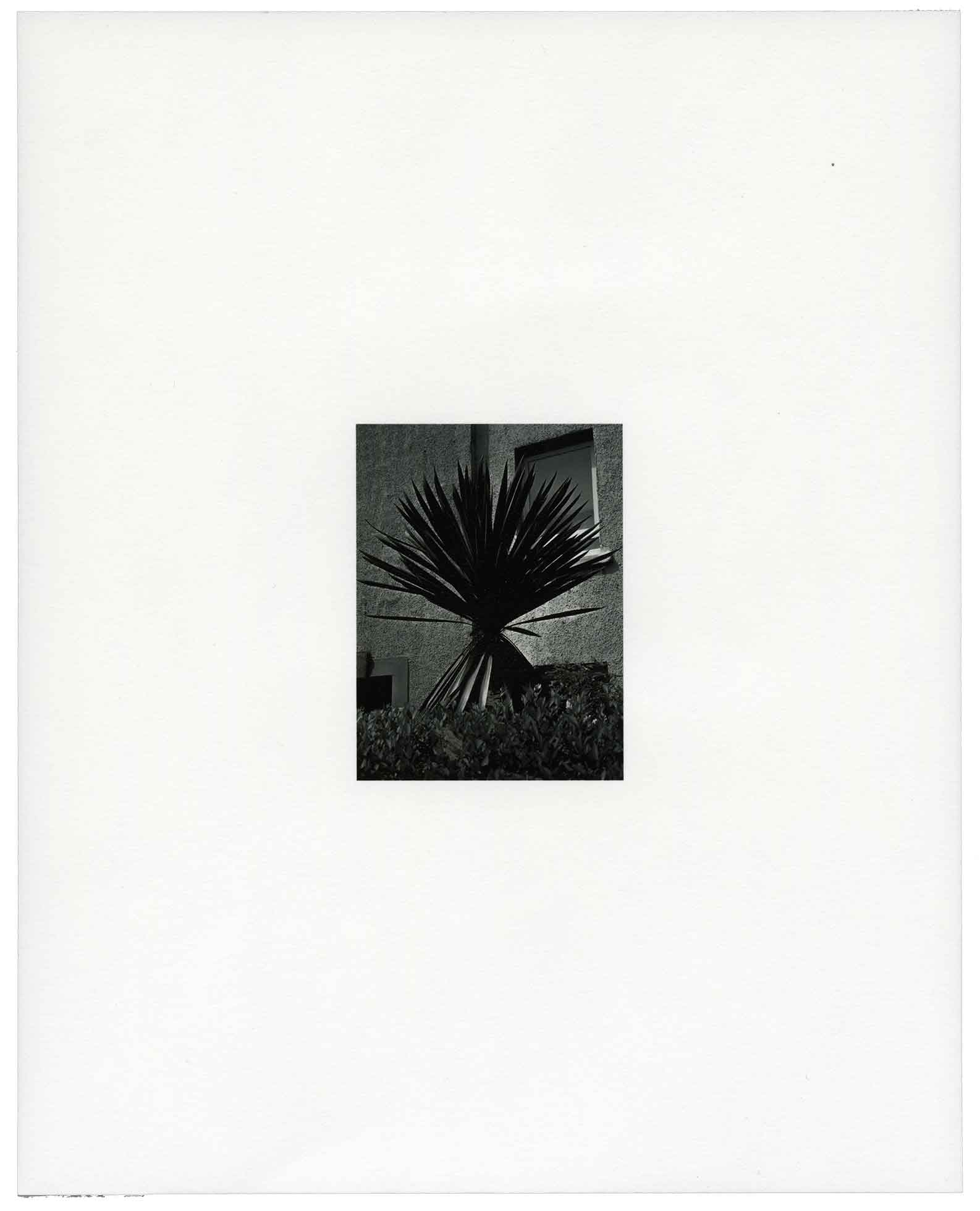
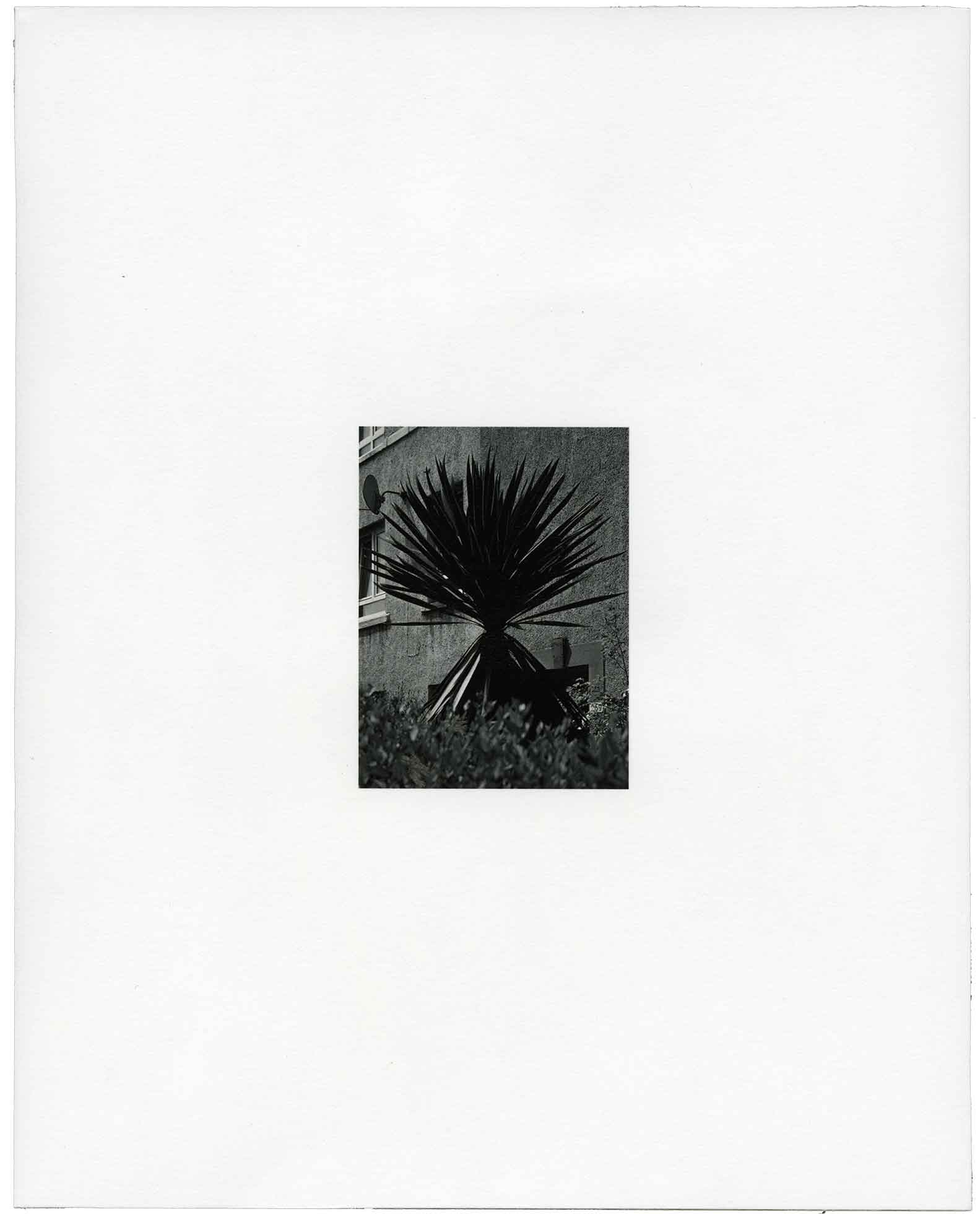
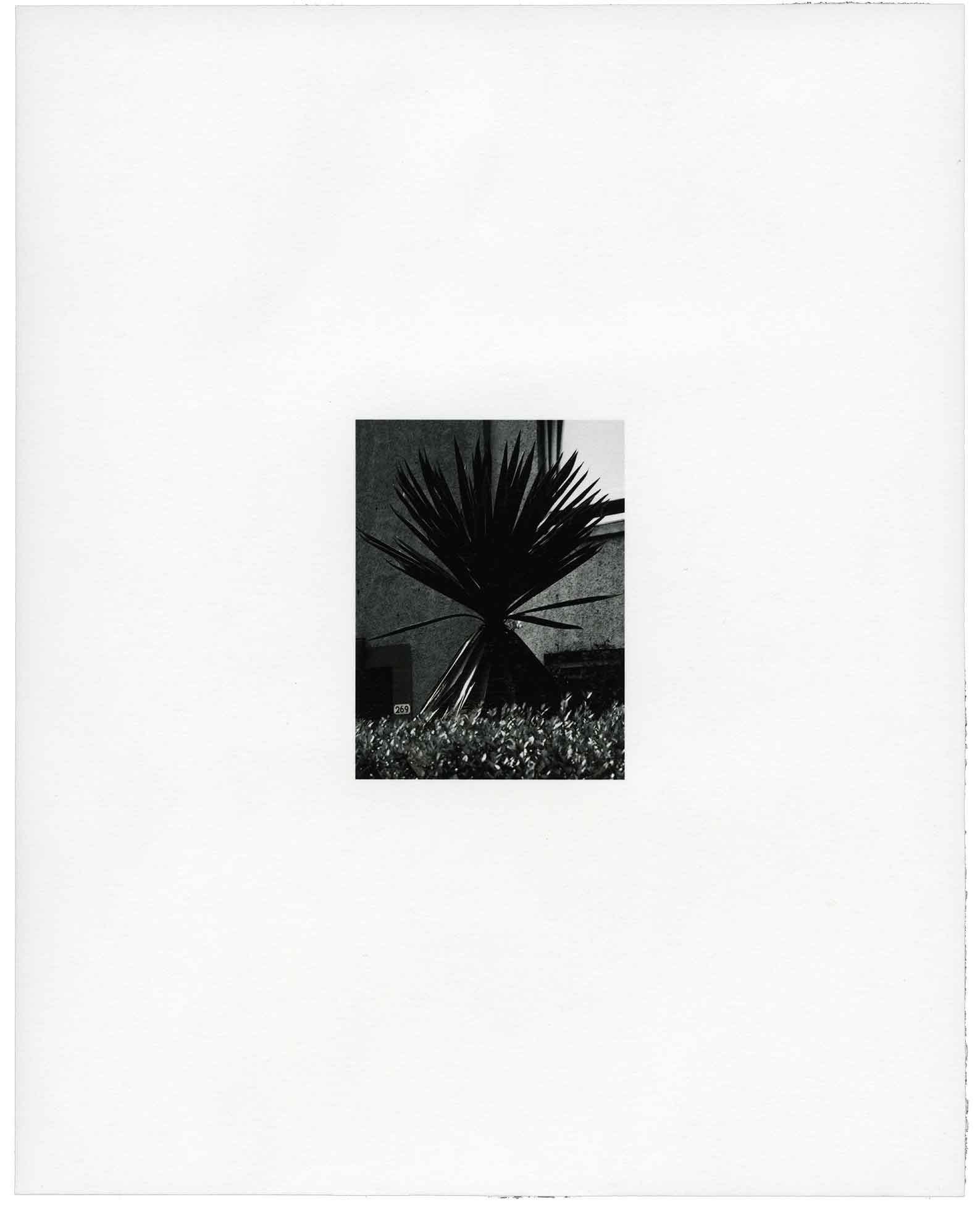
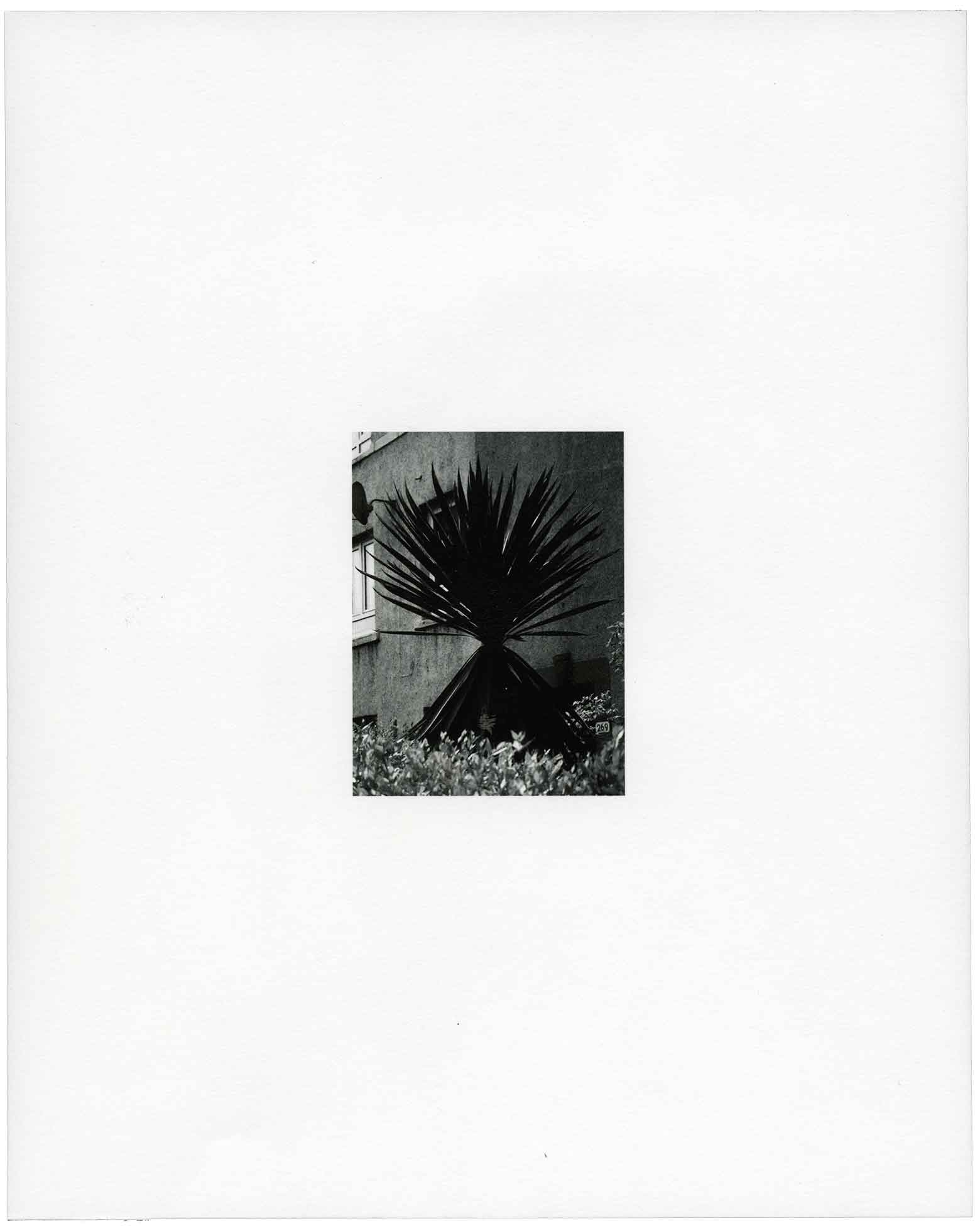
© Joseph Glover, courtesy Daniel Blau, Munich
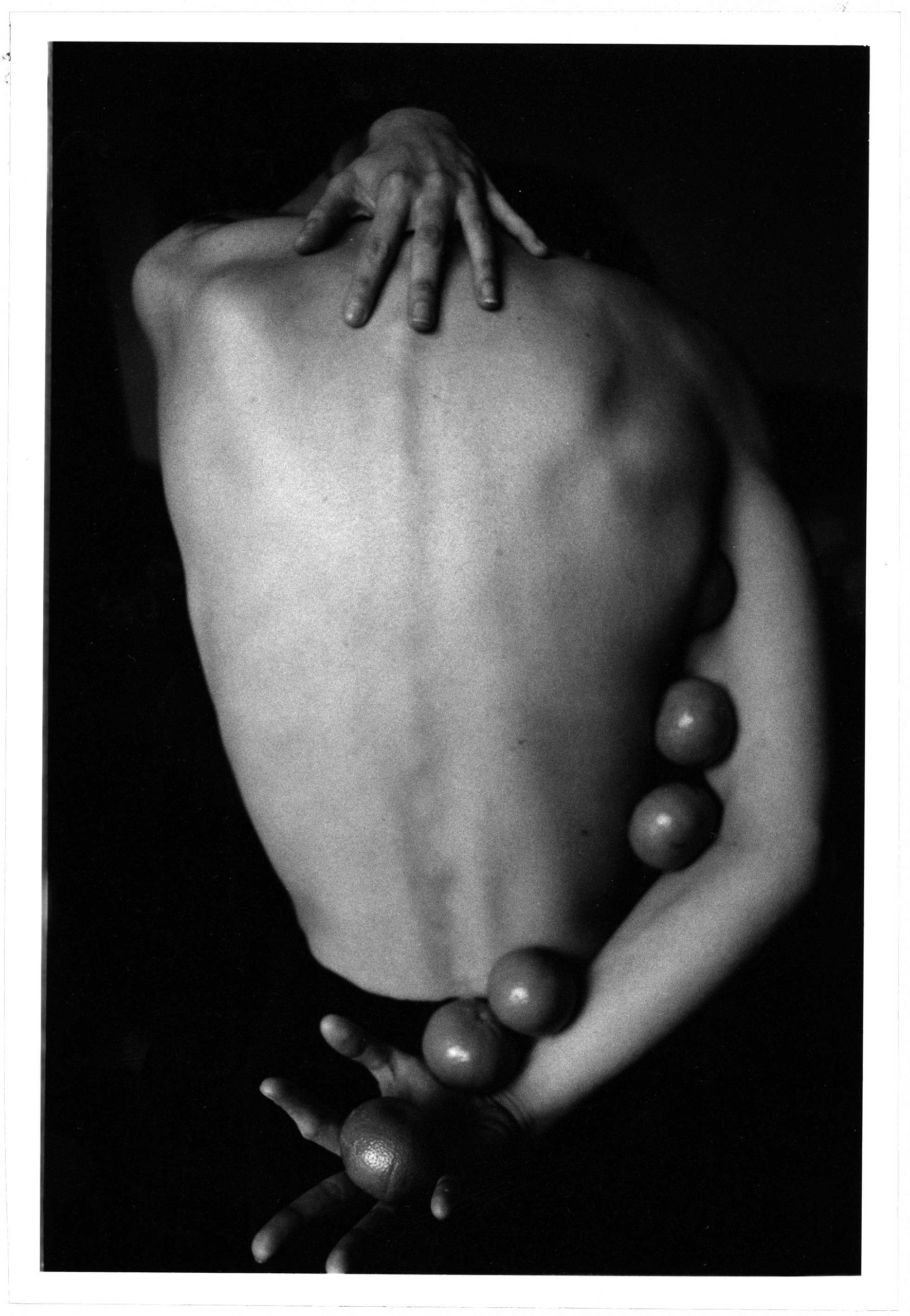
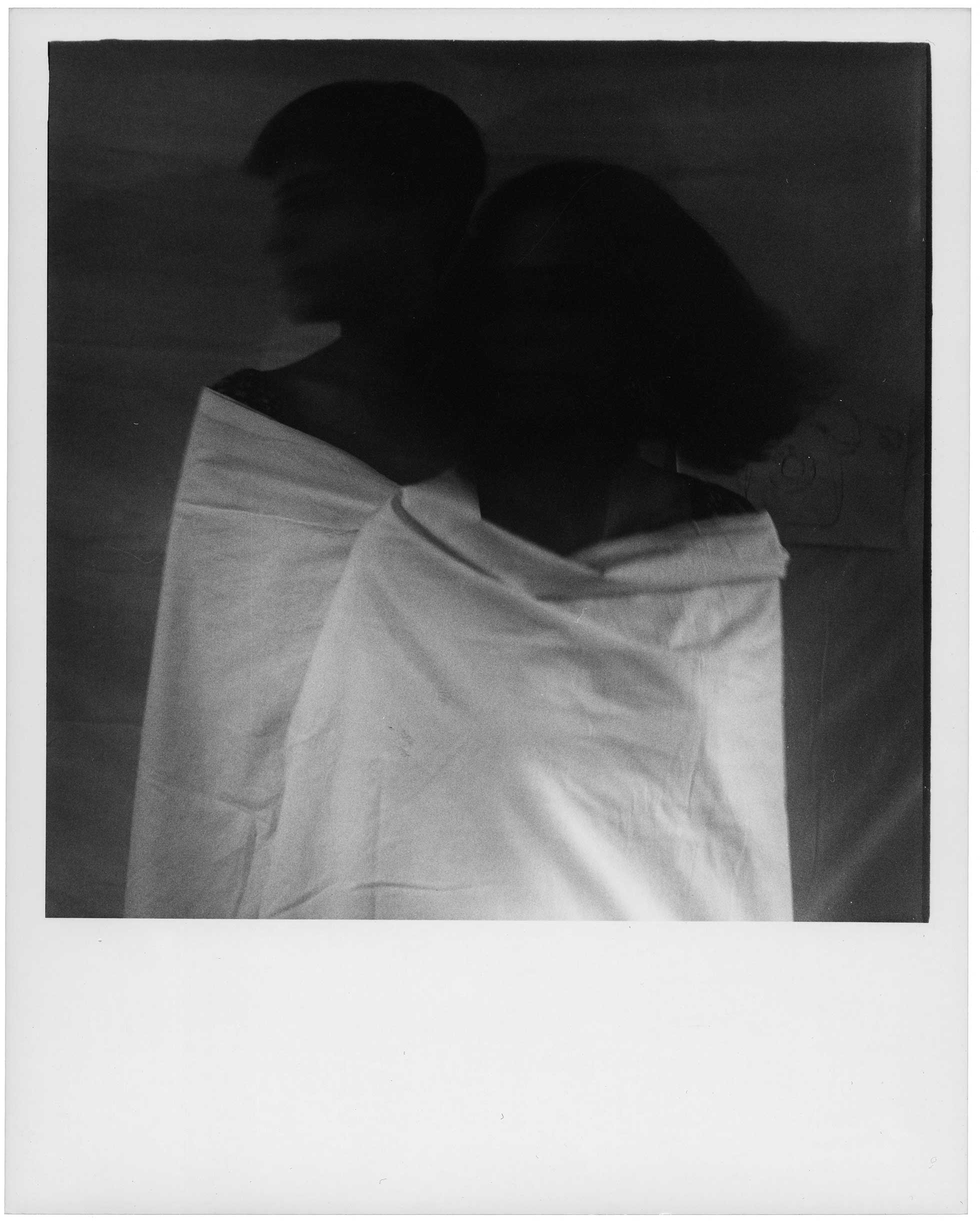
Her work ‘I took this polaroid of an angel once’ consists of hand printed silver gelatin photographs of the human form. She skillfully captures the gestures of shadow and light on skin in compositions that present beautiful fragments of bodies – fanned fingers, clenched toes, a chest, an arm, a back.
Maite graduated with BA (Hons) Photography at UAL and her work has been exhibited in London, York and Madrid.
Maite de Orbe – Website
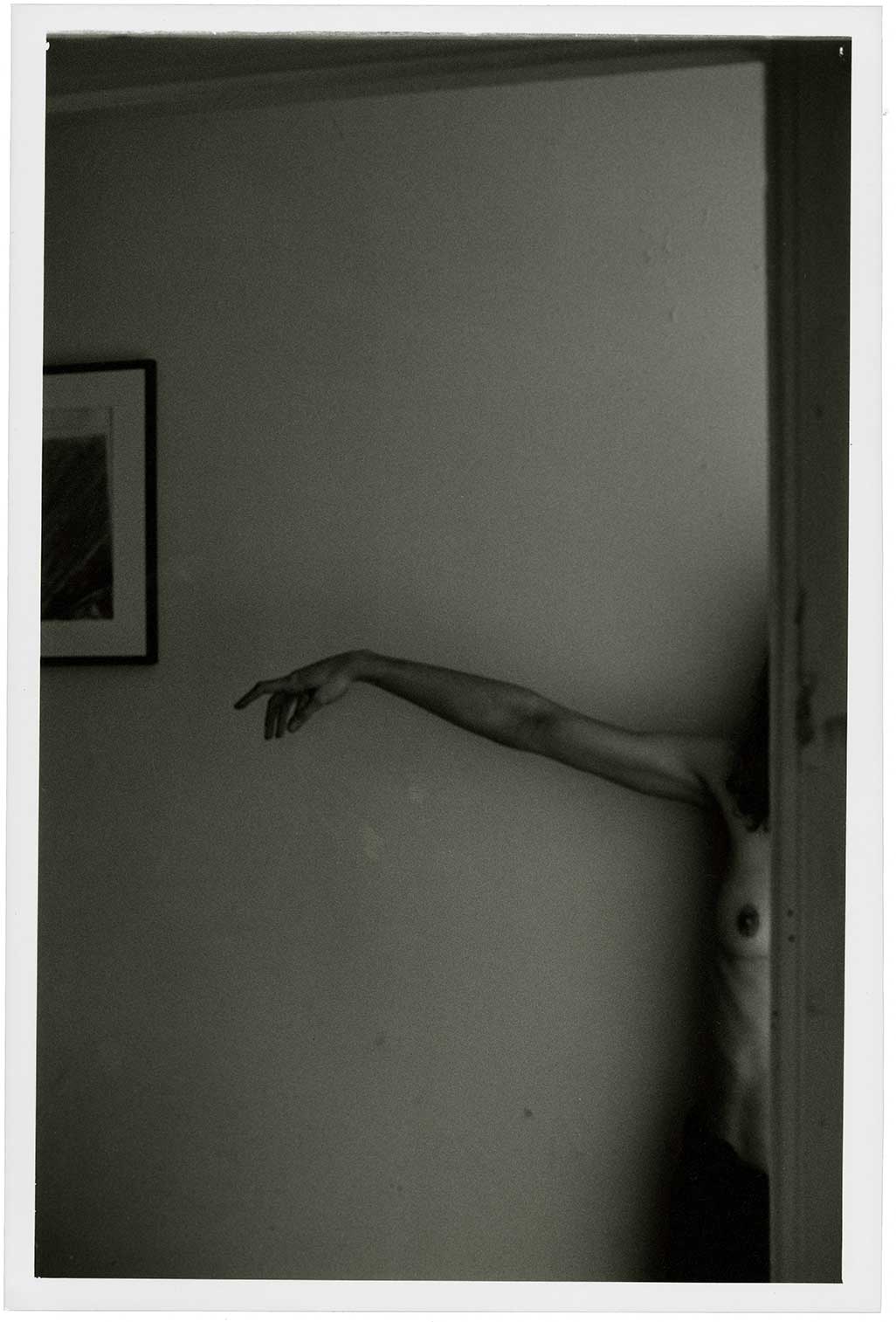


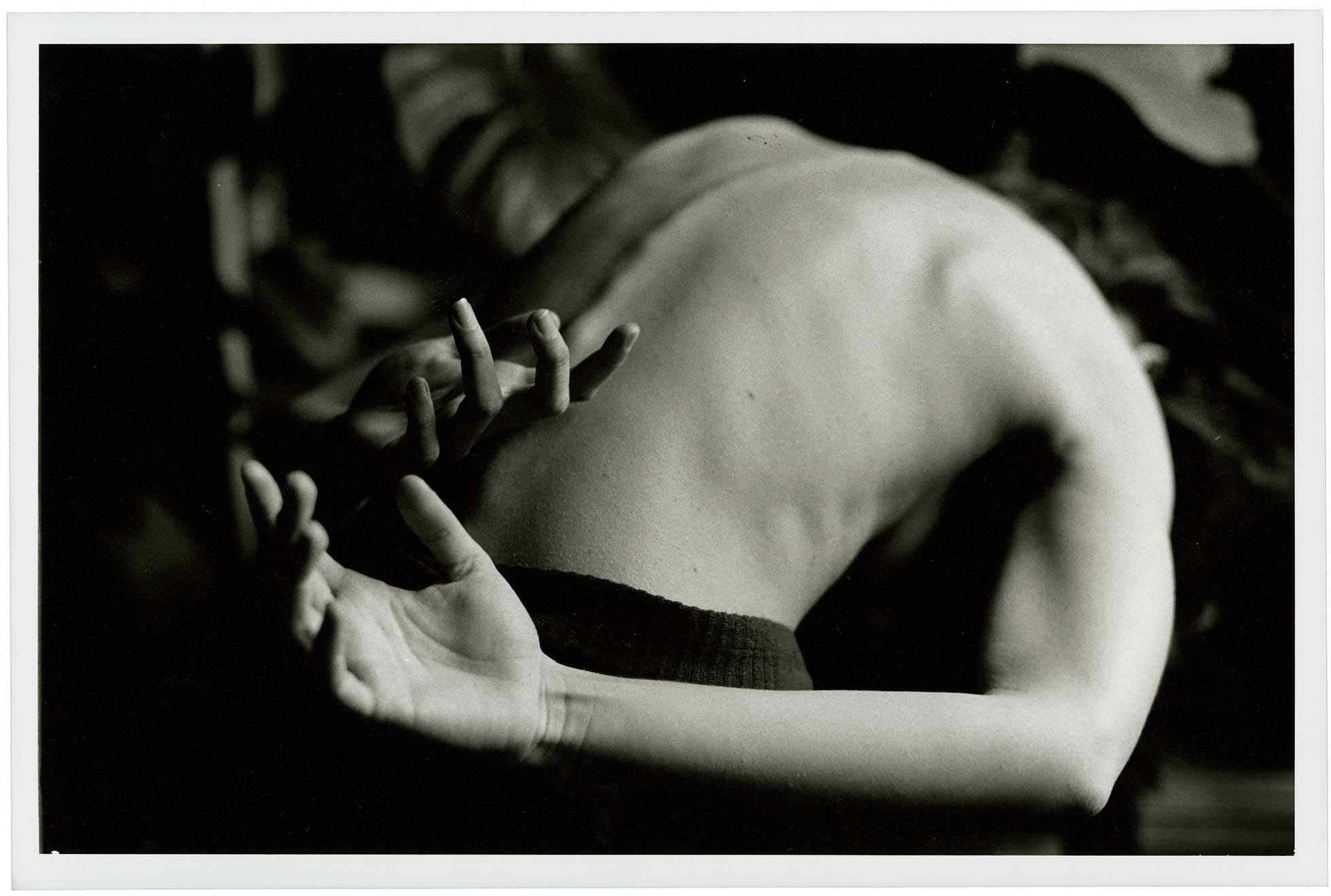
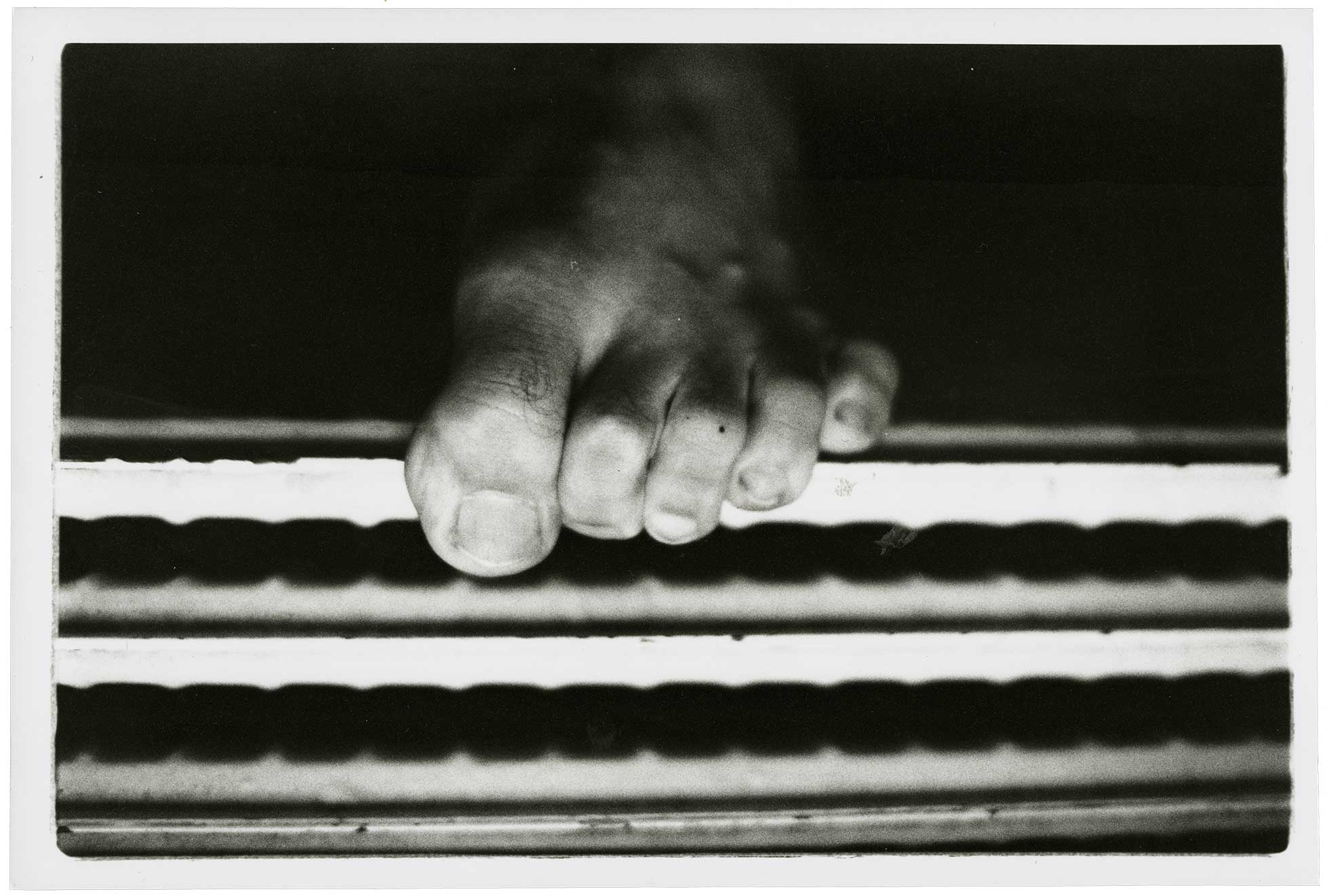

© Maite de Orbe, courtesy Daniel Blau, Munich
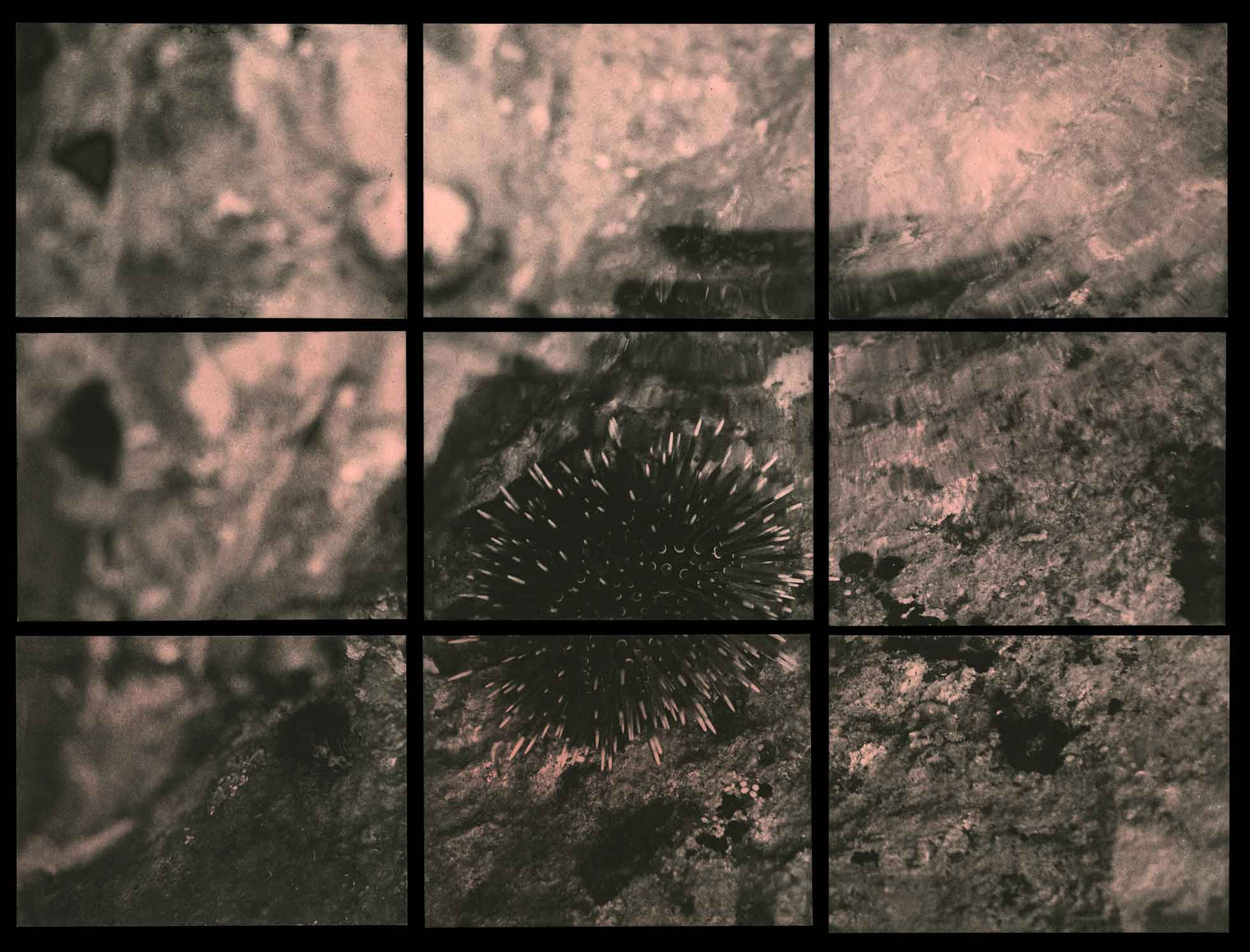
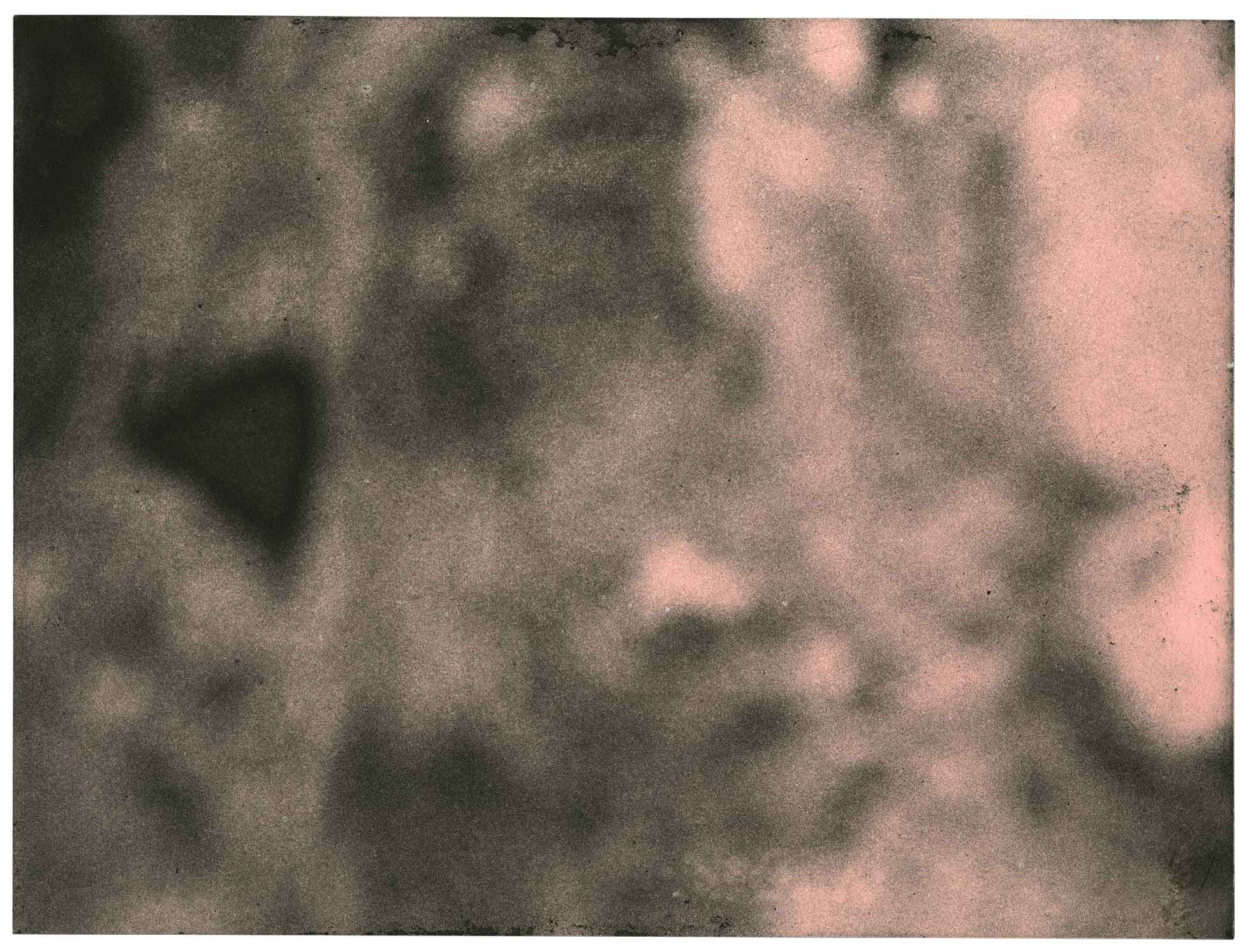
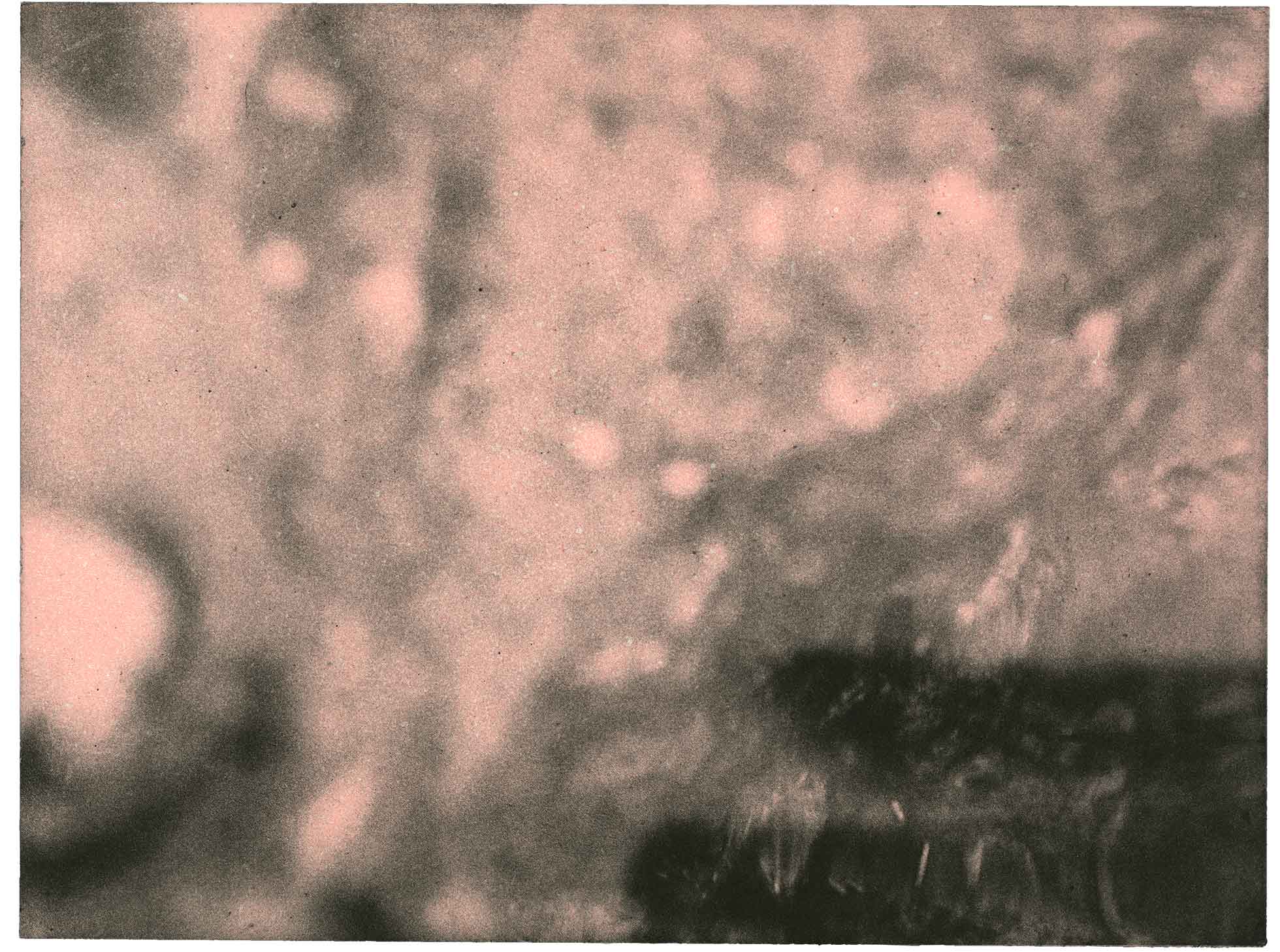
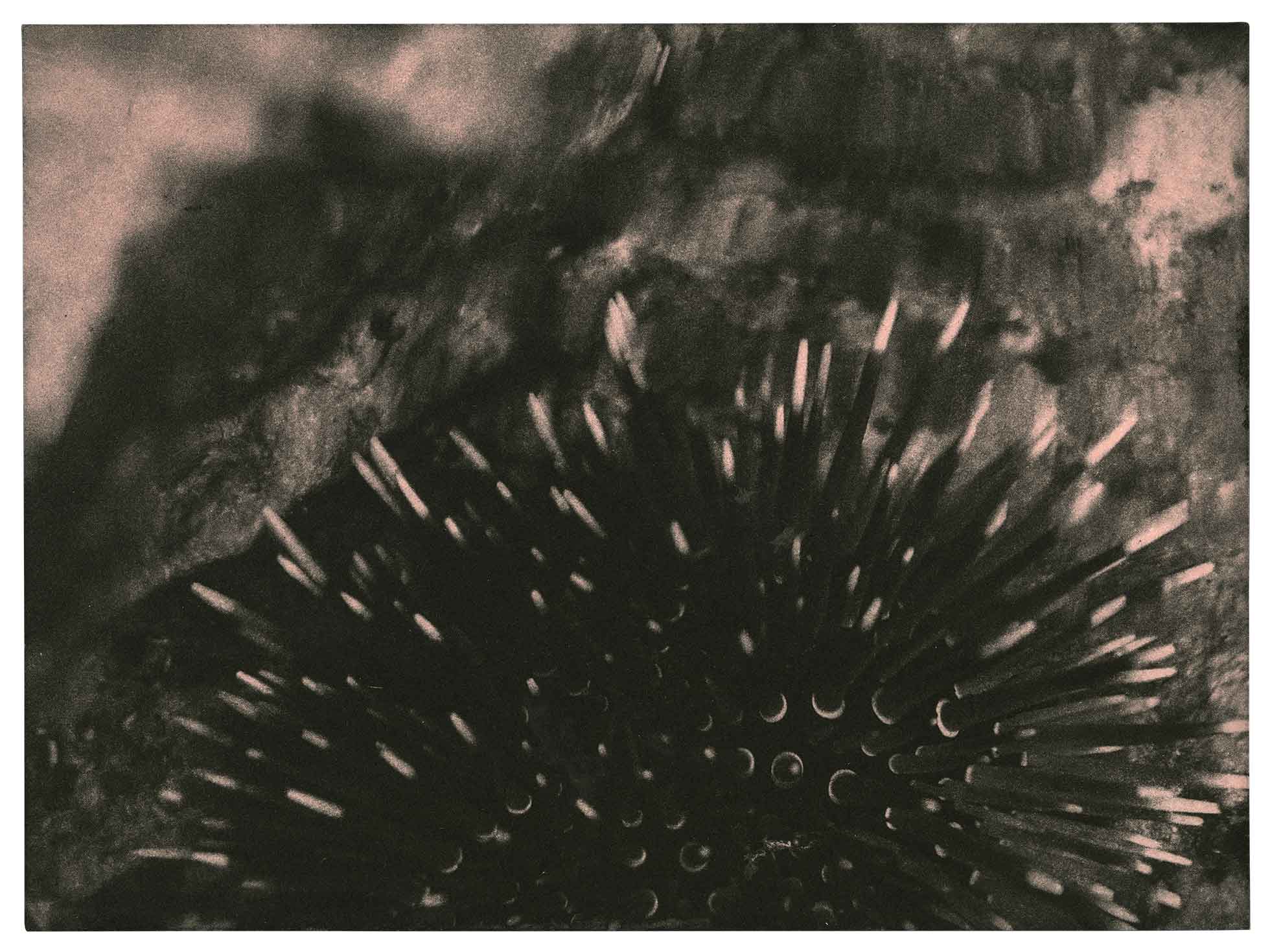
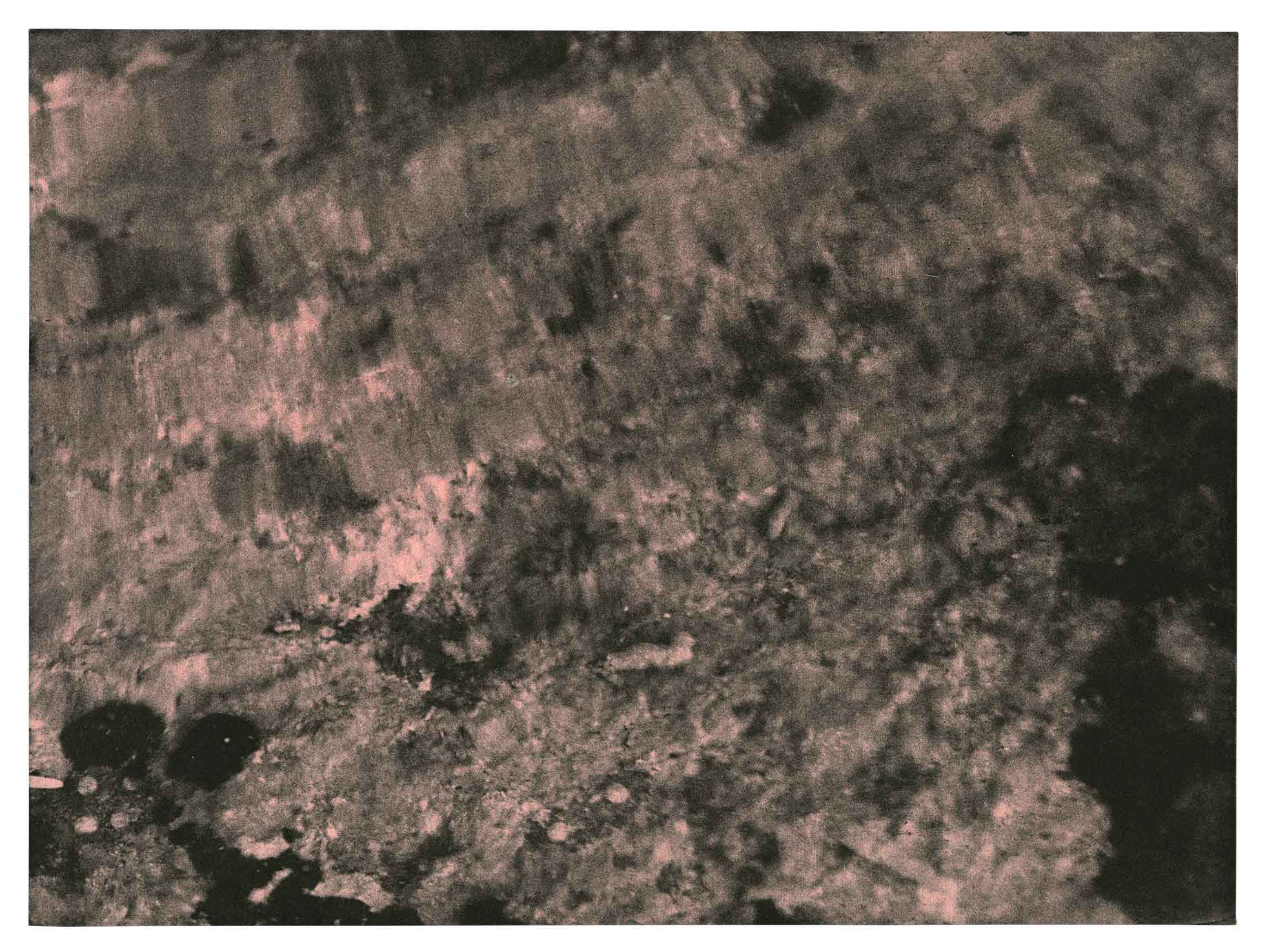
She describes herself as a ‘hunter-gatherer of images’. Her practice combines photography and printmaking and is strongly influenced by Japanese contemporary photographers.
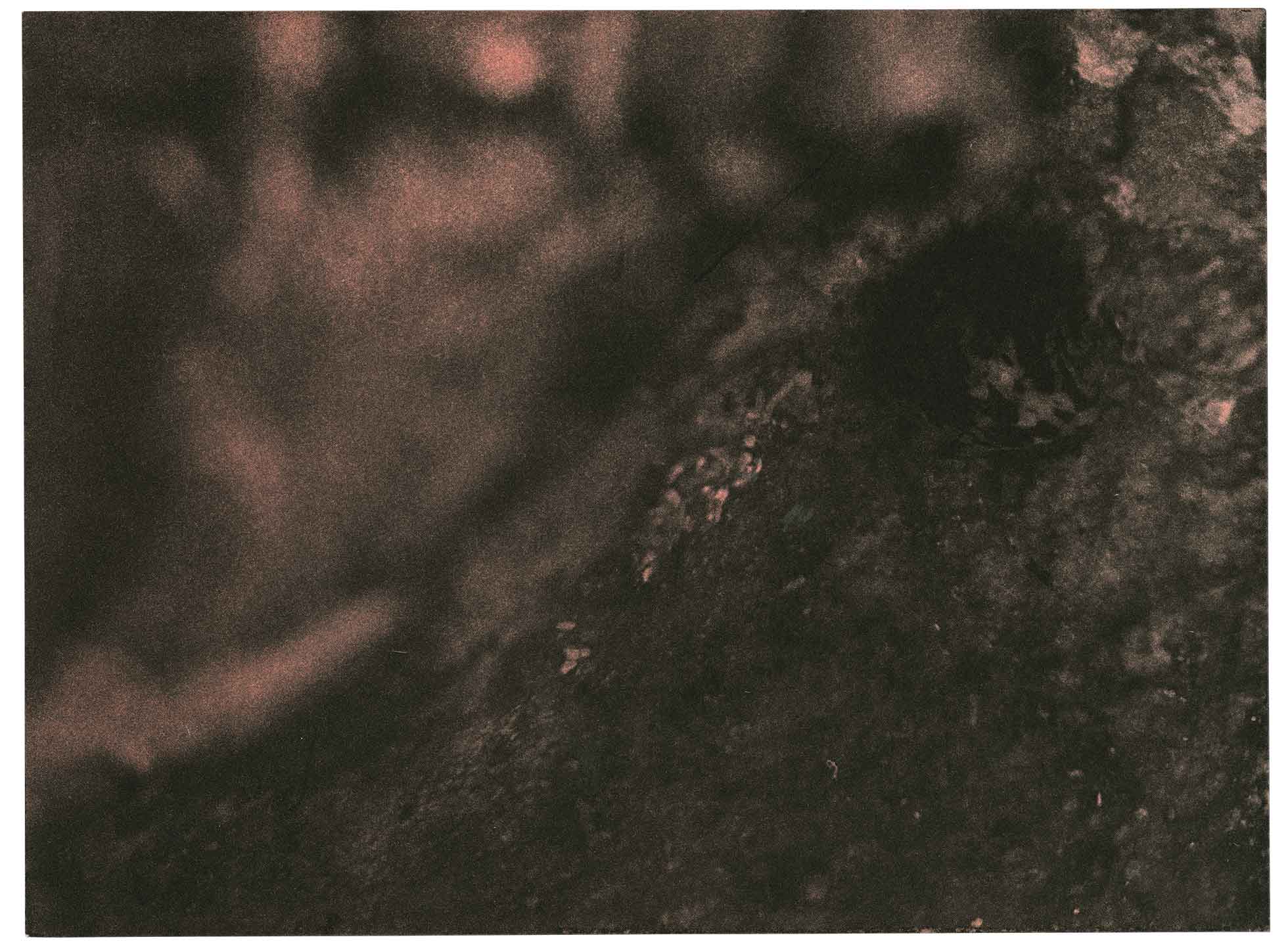
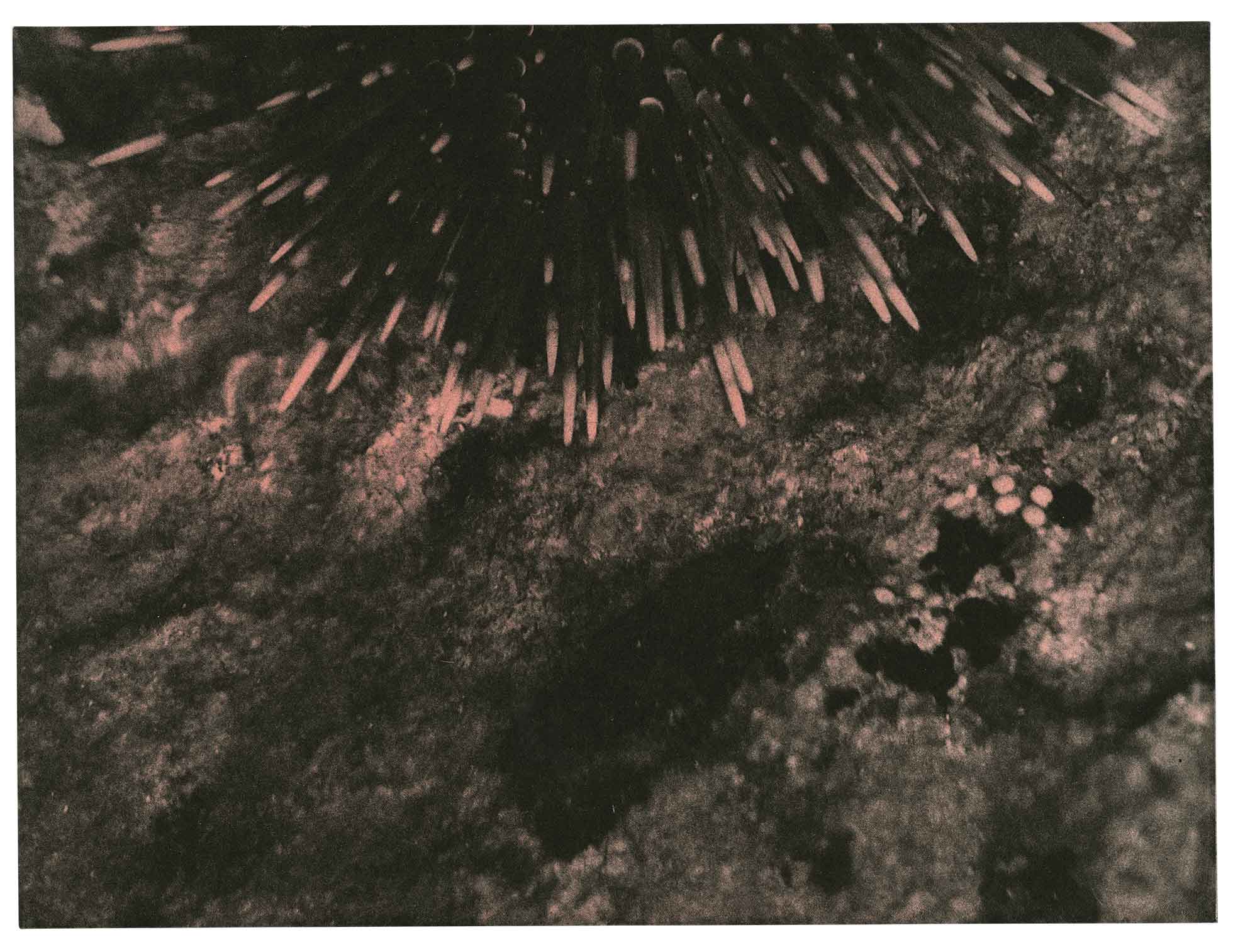
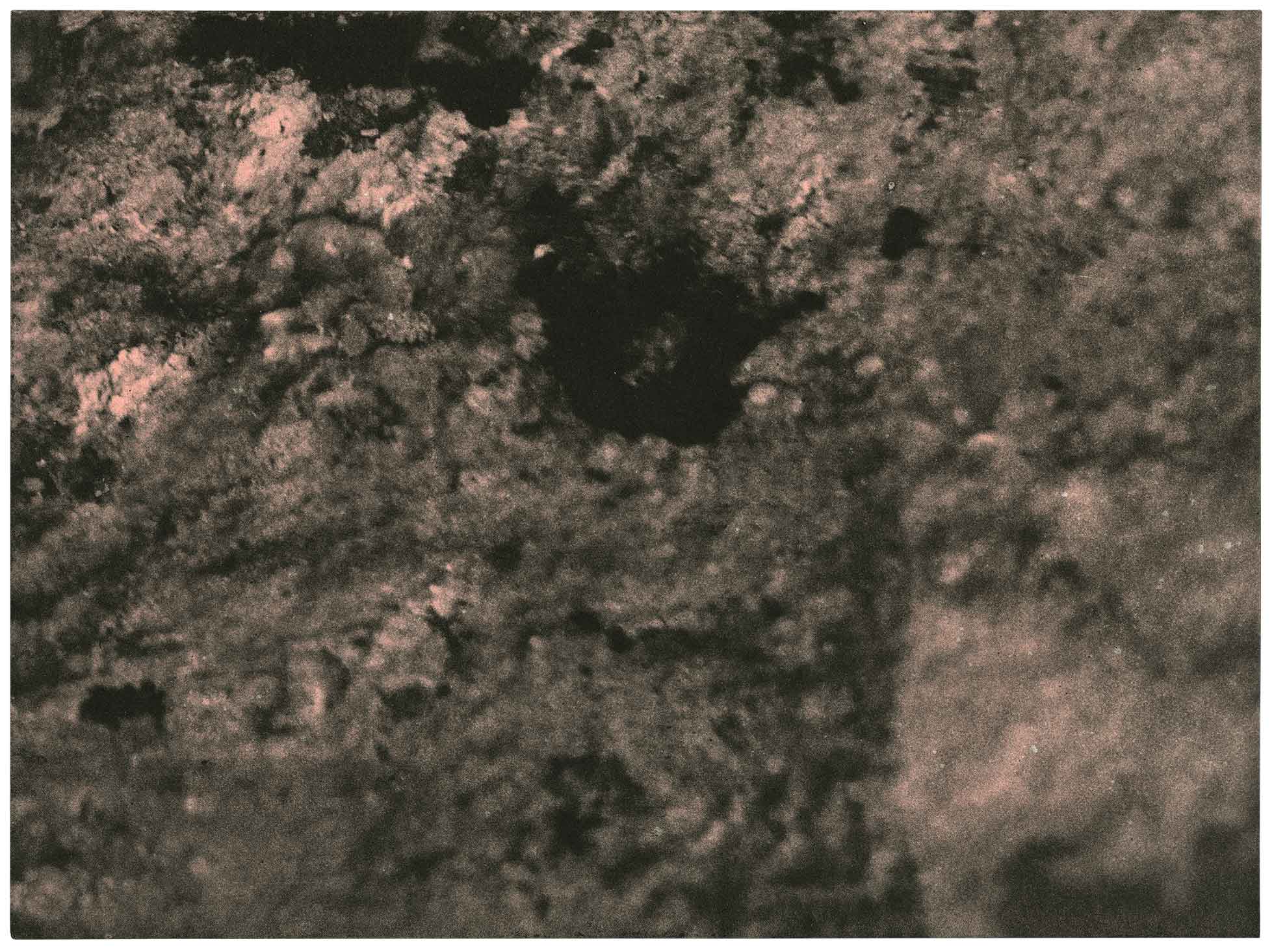
Lucile’s project ‘L’Oeuf du Monde’ comprises nine hand printed photo etchings. These evocative images were gleaned from a coastal forest in Japan, where the fleshy bristling body of a sea urchin – ‘the egg of the world’ – was spotted in a nest of stone.
Lucile Soussan – Instagram


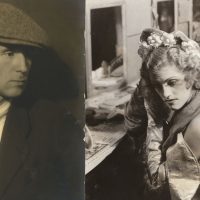
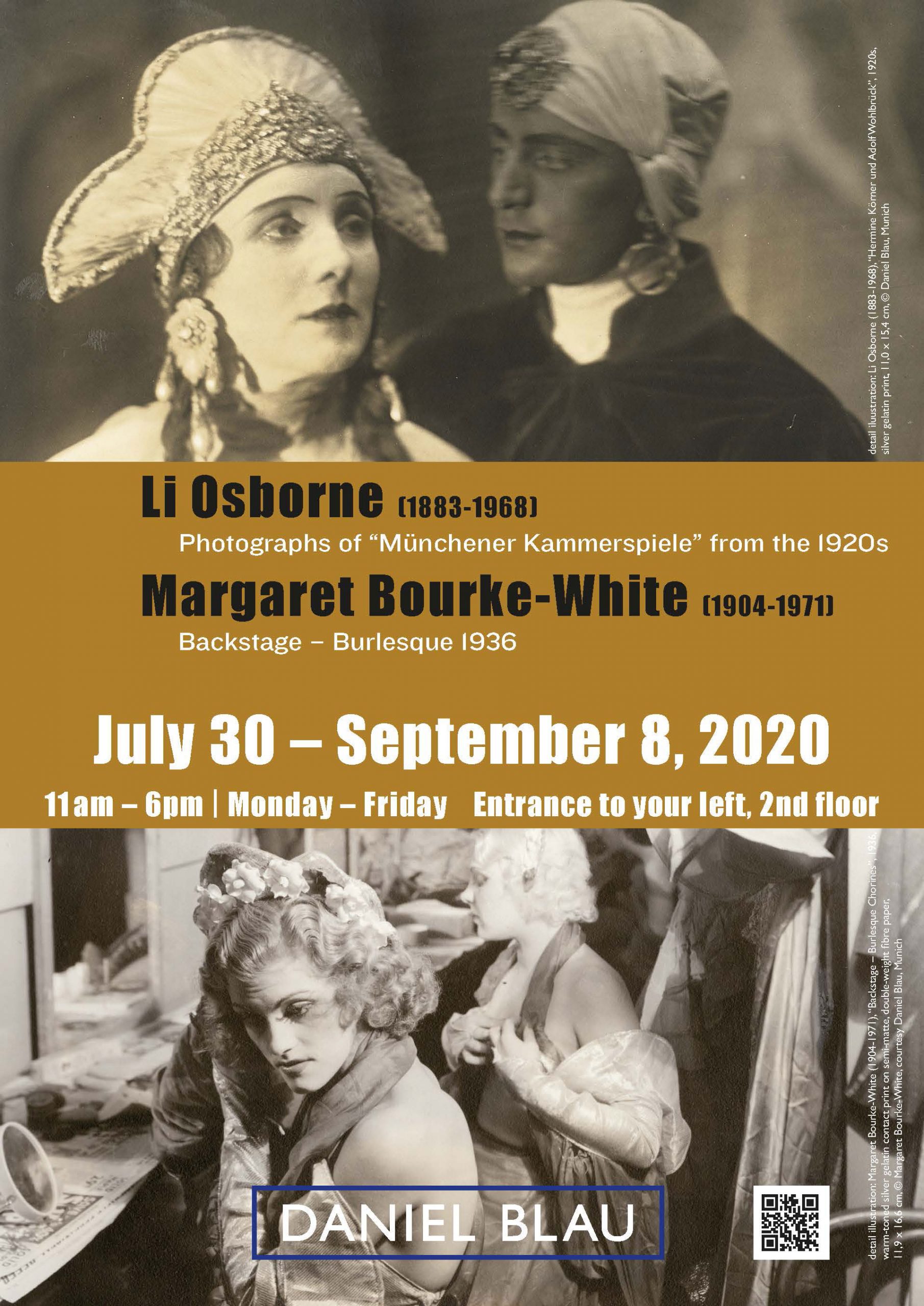
Li Osborne – Photographs of “Münchner Kammerspiele” from the 1920s
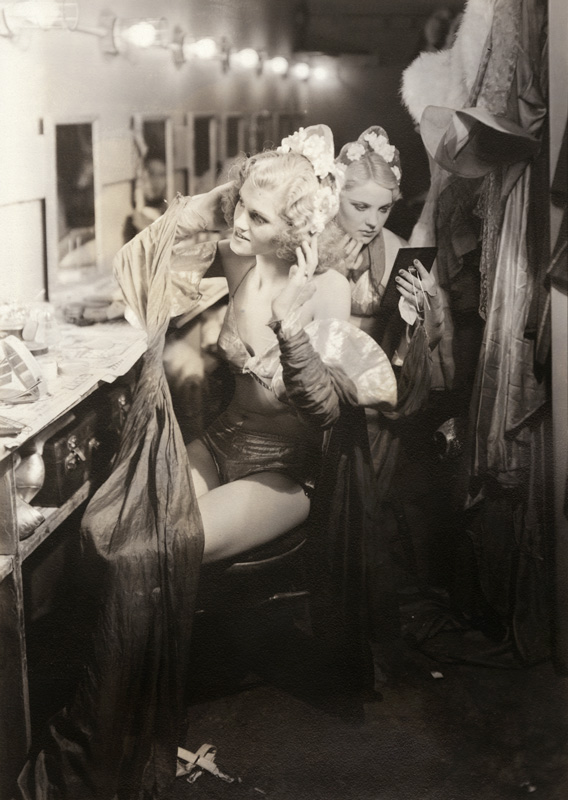
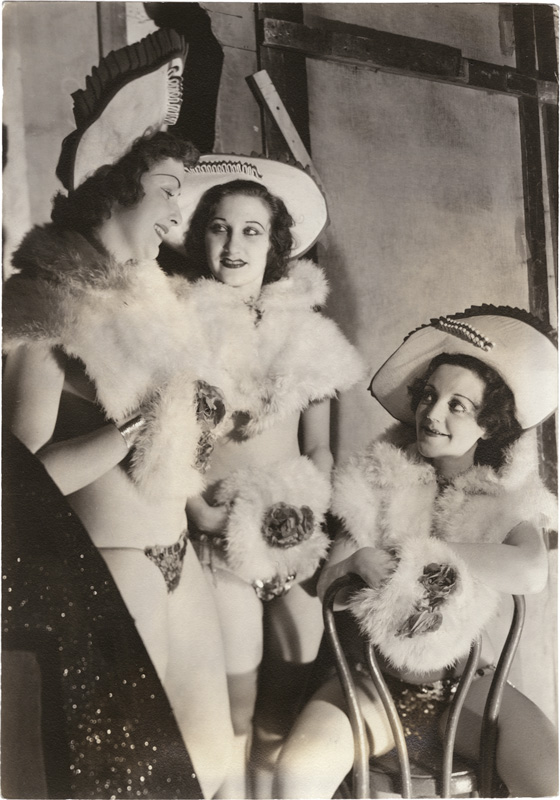
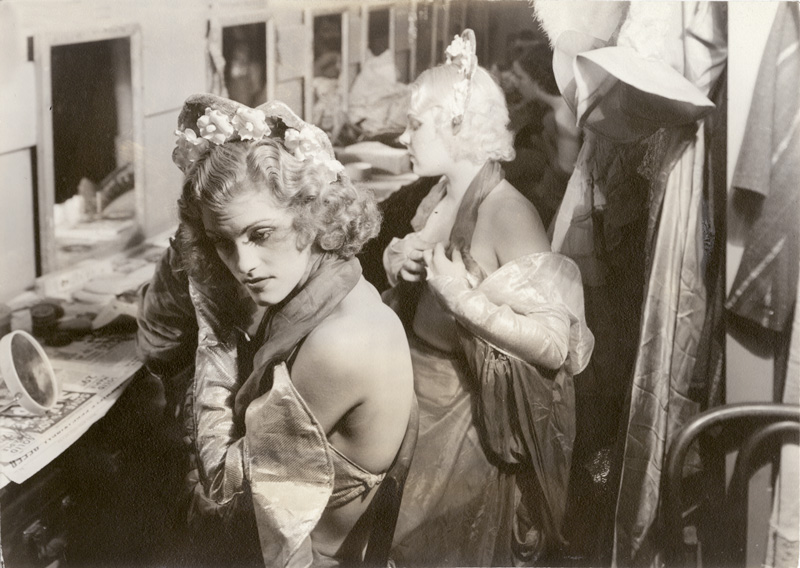
Margaret Bourke-White – Backstage Burlesque 1936
Exhibition:
July 30 – September 8, 2020 | Extended until September 15, 2020
11am – 6pm | mon – fri
Maximilianstraße 26, 80539 München
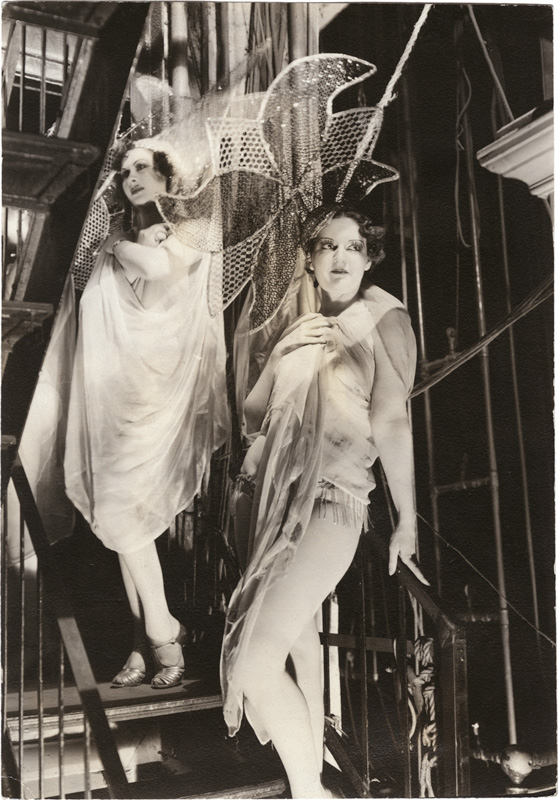
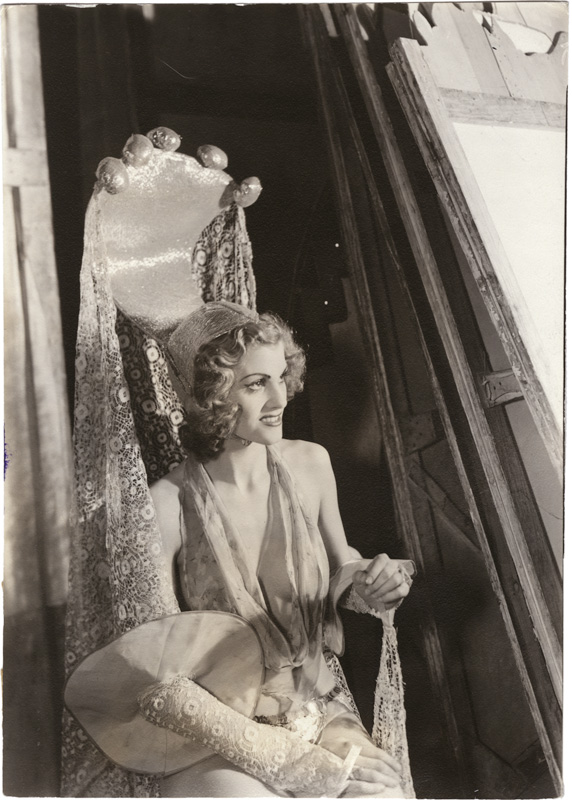
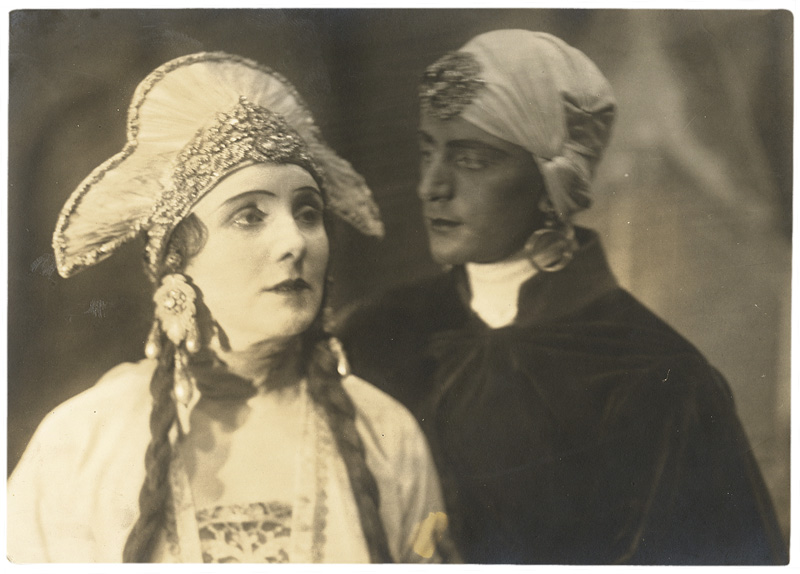
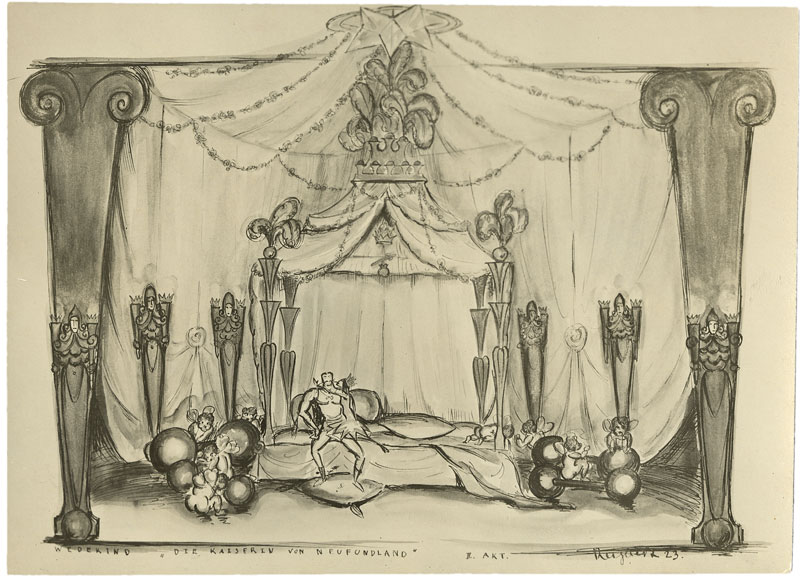
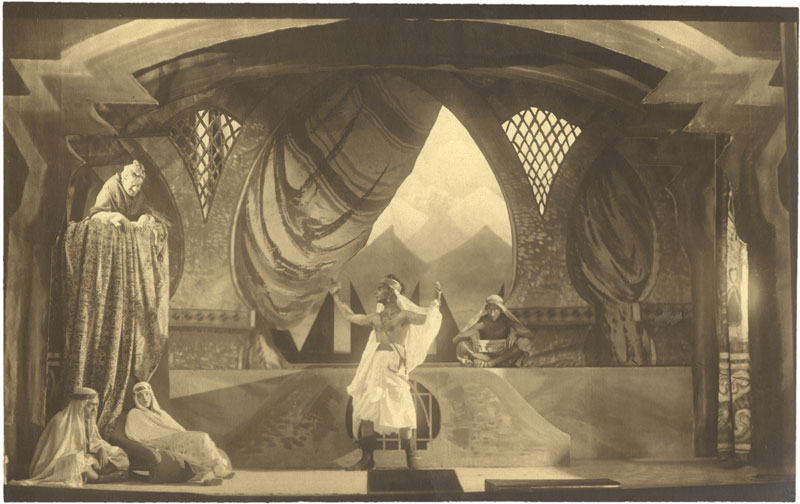
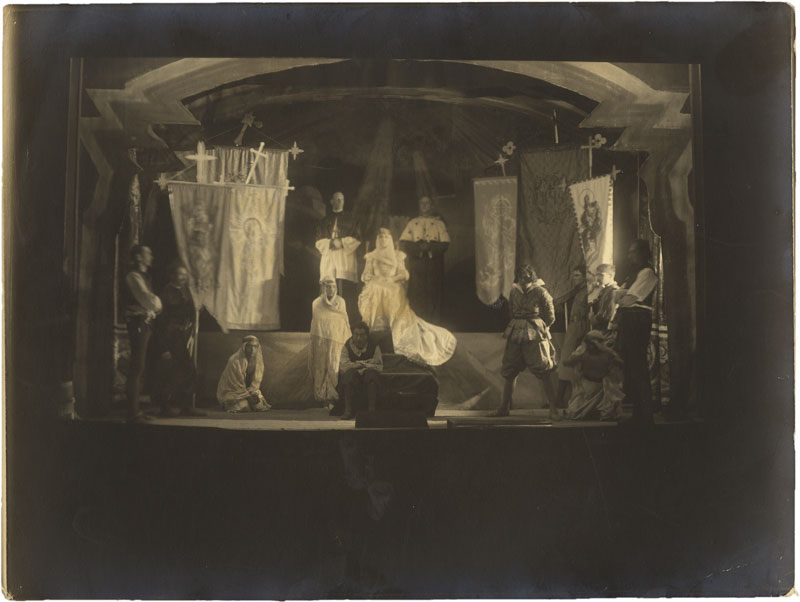
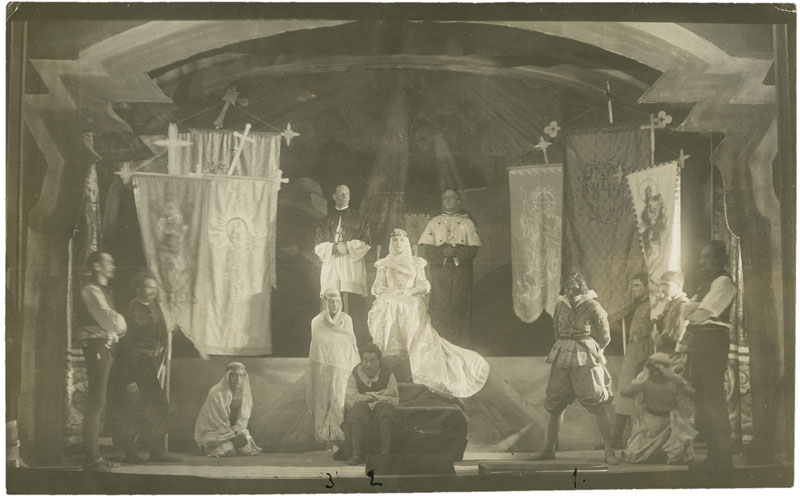
Daniel Blau is pleased to present Backstage and Kammerspiele – an exhibition comprising Margaret Bourke-White’s backstage photographs of burlesque dancers shown alongside the 1920s theatrical pictures of Li Osborne (1883-1968).
Bourke-White’s sensual photographs of Broadway burlesque performers give us a glimpse of New York’s entertainment world in the mid 1930s. The subjects of these striking photos are New York’s chorus girls and performers as they prepare their makeup and costumes and wait to go onstage. In one extraordinary picture we see three ballerinas of the Ballet Russe reclining in extravagant tutus as a fireman looks on. In other works we are privy to moments in the wings and beneath stage lights as the women perform for unseen audiences. The prints feature original captions and press stamps on the verso.
Margaret Bourke-White (1904 – 1971) is known for her pioneering photojournalism. She was born in New York City in 1904 and grew up in New Jersey. After studying science and art she became an industrial photographer, taking significant pictures of factories and architecture before joining prestigious magazines such as Fortune and LIFE as a photographer. She travelled and photographed extensively, covering major international events from World War II to the partition of India and Pakistan.
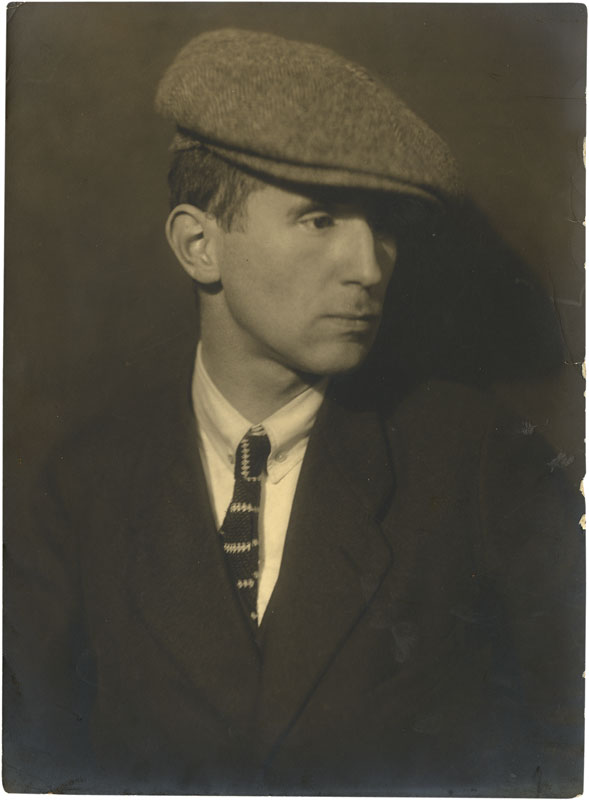
Performance and the human form are also the focus of the 1920s Kammerspiele pictures by German photographer and sculptor Li Osborne (née Luisa Friedericke Susanna Wolf). We are showing Osborne’s vintage pictures of imaginative Kammerspiele set designs – hand drawn and evocative visualisations – as well as performance stills from productions at the Kammerspiele theatre that capture the charisma and energy of individual performers and moments of action onstage.
By 1925 Osborne had to moved to Munich where she photographed cultural figures such as Bertolt Brecht. She emigrated to Switzerland in 1934 due to the rise of Nazism and later began a new career as a self-taught sculptor and moved to England where she worked under the name Louise Hutchinson-Wolf. The Kammerspiele was founded in 1906 in Schwabing as a private theatre troupe and later became Munich’s municipal theatre company. Falckenberg, the producer-director during Osborne’s time, was regarded as an authority on Expressionism in Germany during the Weimar Republic and produced many celebrated productions at the company including Brecht’s first staged play, Drums in the Night, in 1922.
Our exhibition shows two women artists’ perspectives on two very different performance contexts in the US and Germany in the years between the World Wars.
Download press info here

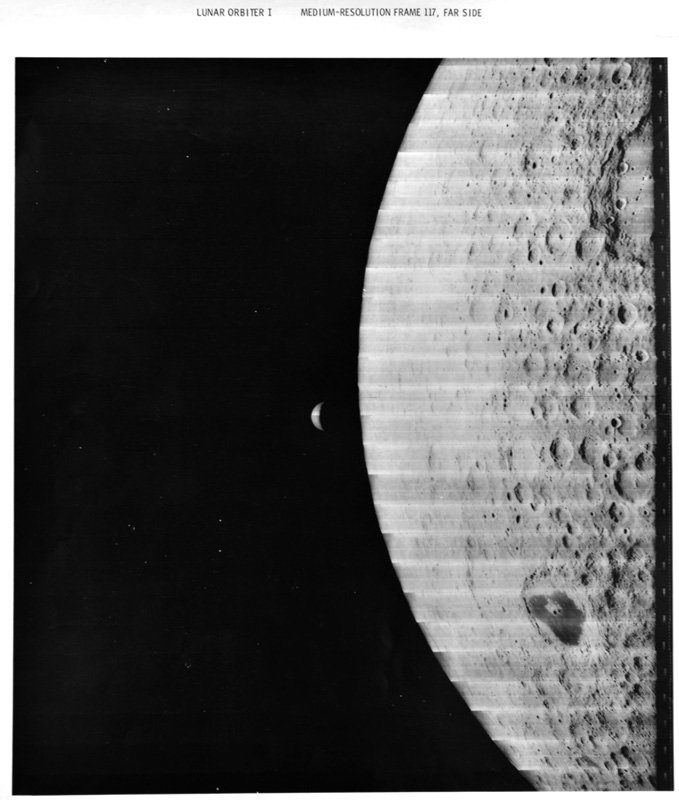
The photographs taken by a machine are the remnants of one the first successful attempts
at exploring our nearest celestial neighbour.
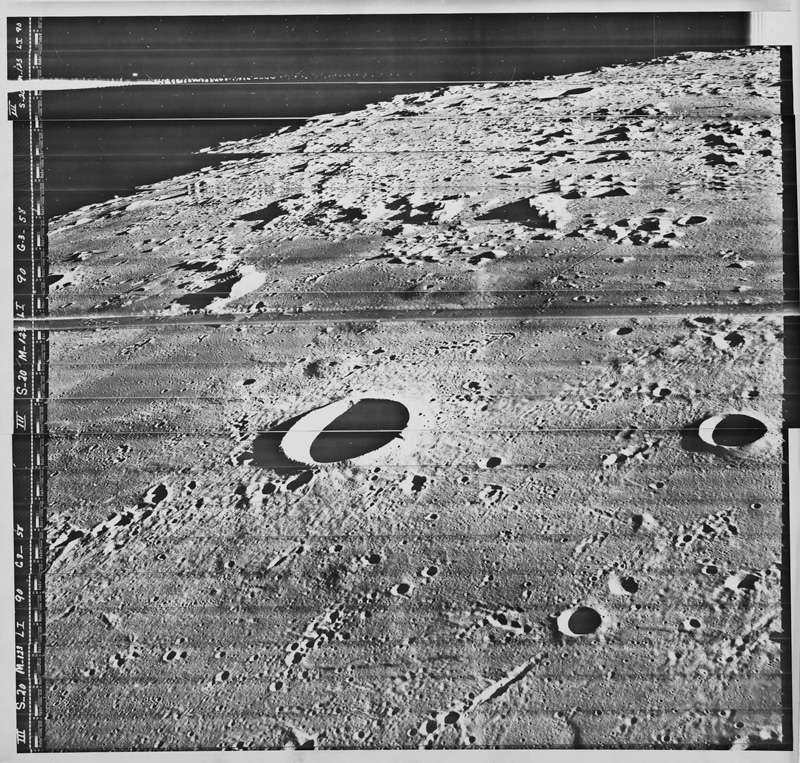
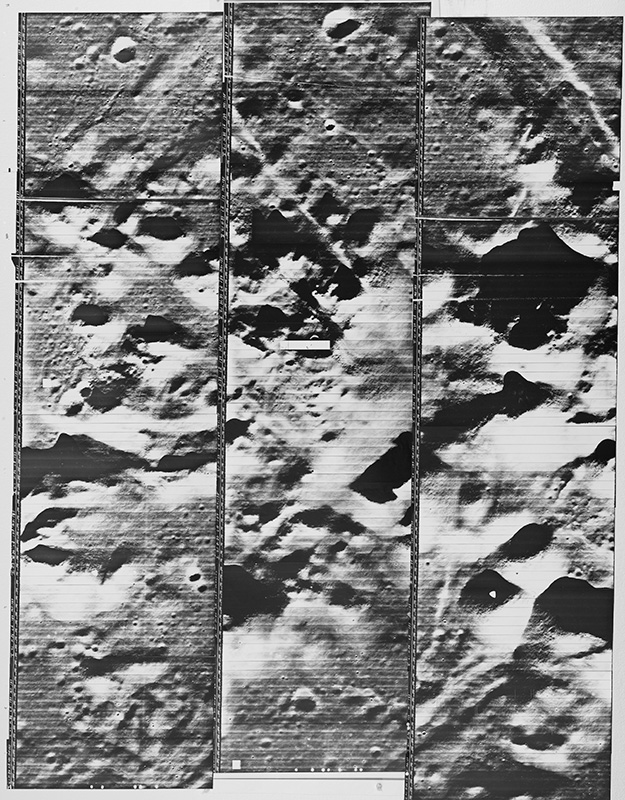
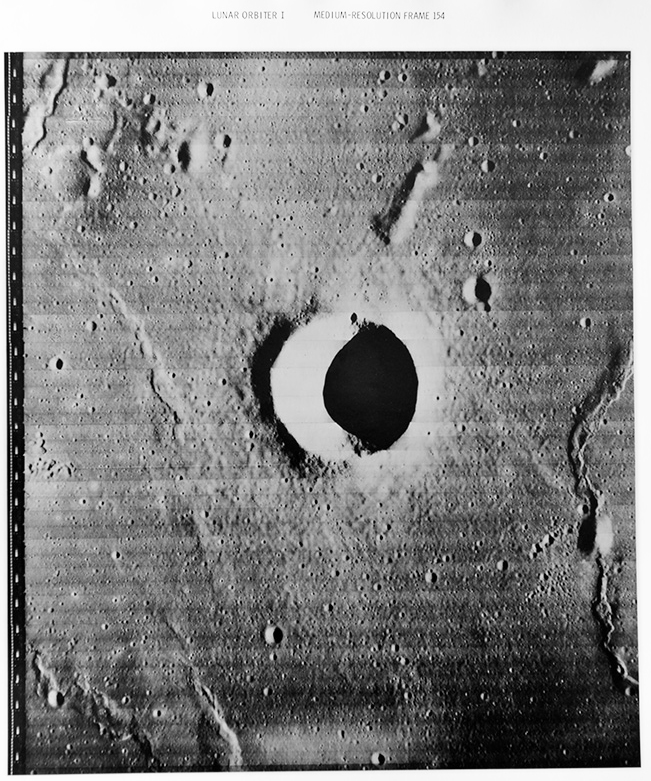
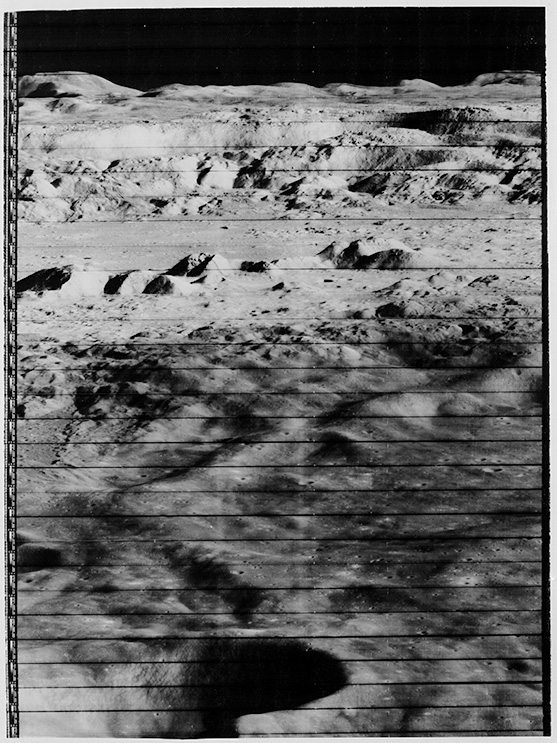
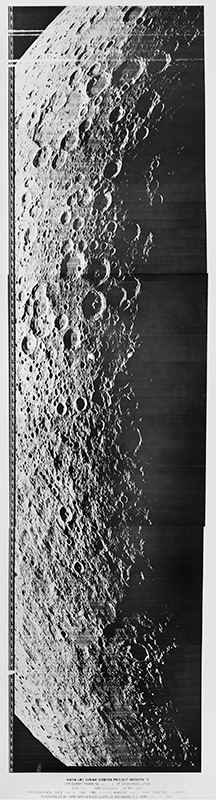
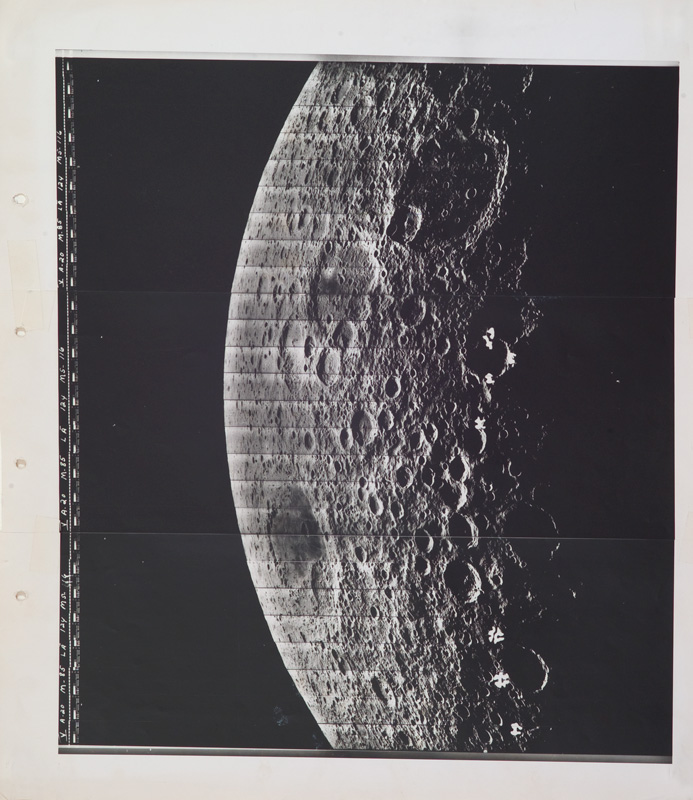
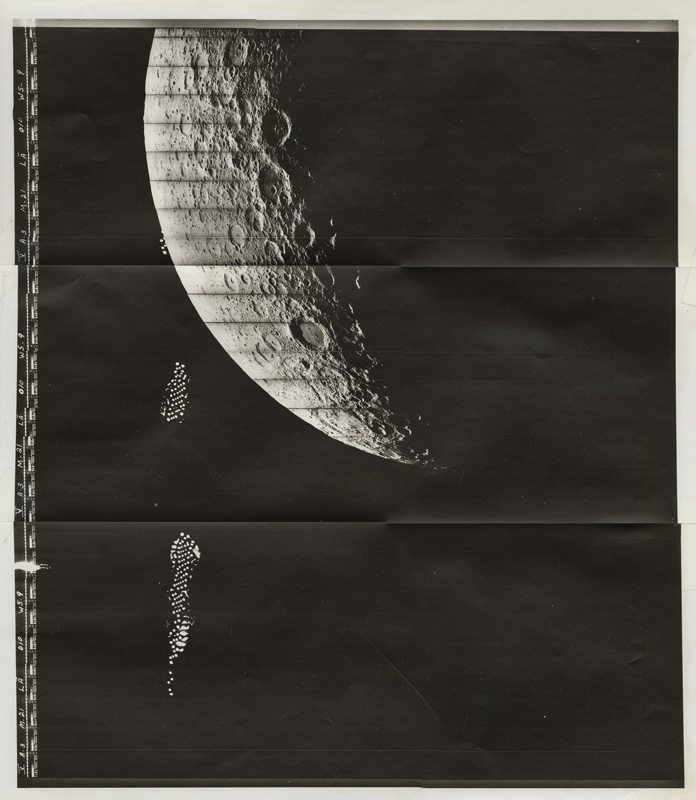
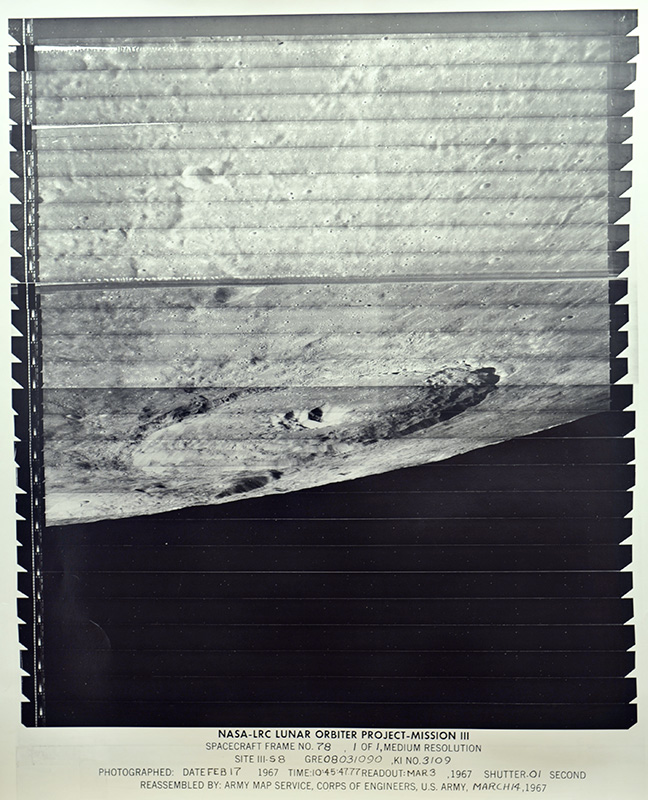
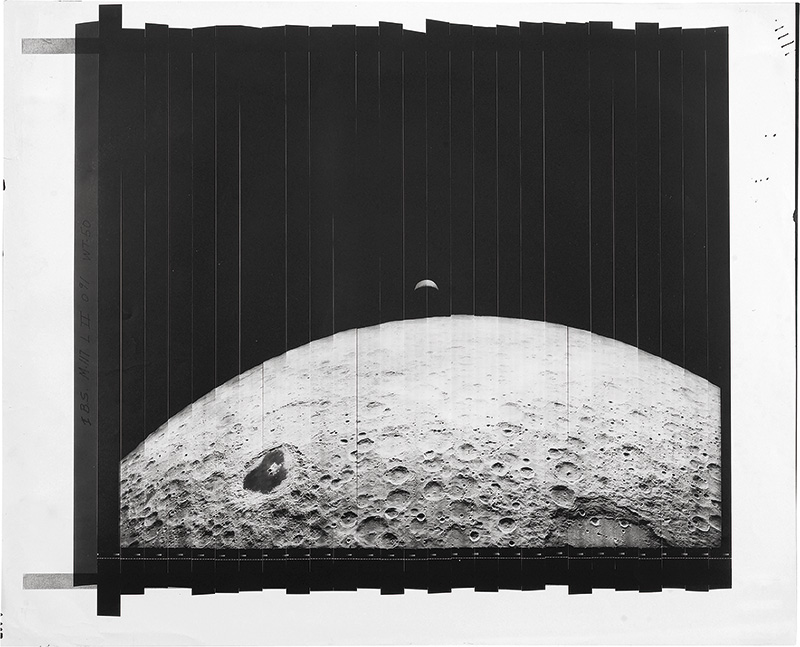
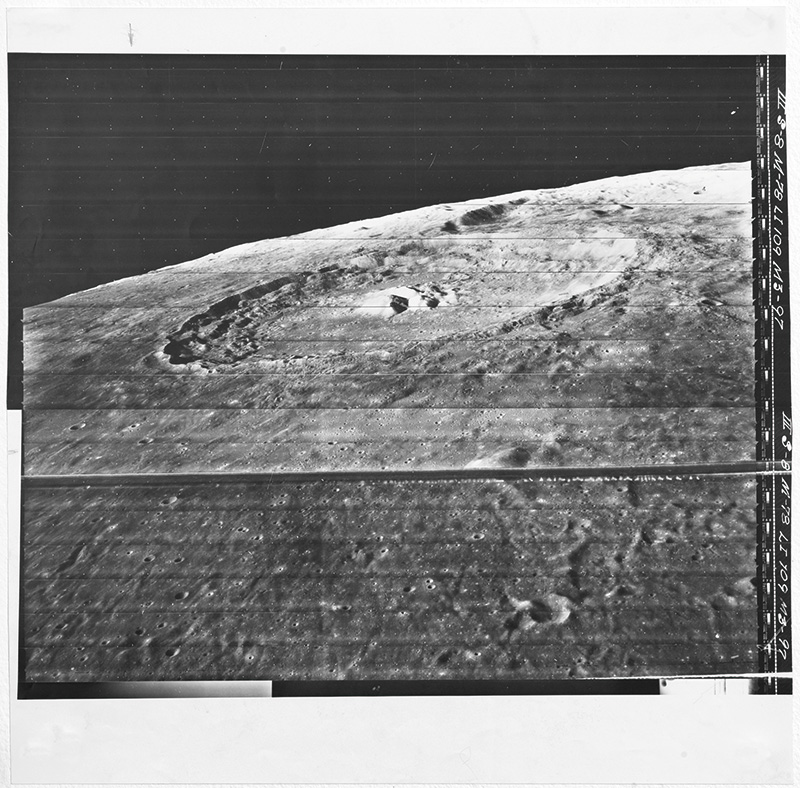
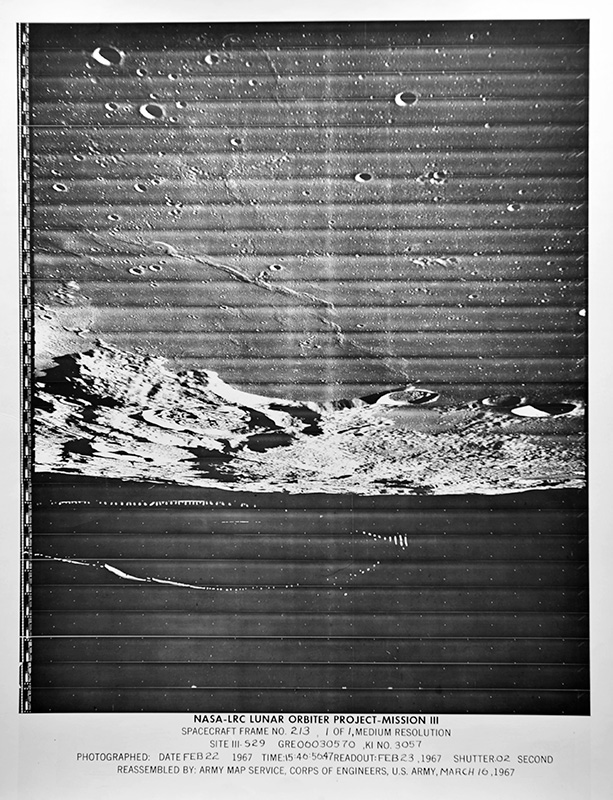
So far yet so close: NASA Lunar Orbiter Photographs
Mapping the surface of a planet does not sound impossible nowadays. But what if we were to go back in history by about half a century? The Lunar Orbiter missions, launched by NASA in 1966 through 1967, provided humanity with an invaluable trove of knowledge about the Moon’s landscape. Different parts of the satellite’s surface were laboriously documented by five spacecrafts during this period. These were the first images from the lunar orbit that included photographs of both the Moon and the Earth.
The photographs taken by a machine for an astronomical research mission are the remnants of one of humankind’s first successful attempts at exploring our nearest celestial neighbour. These monochromatic images display our rocky satellite’s surface from different angles and altitudes and with variations in lighting. Some show the Moon in its near-entirety, clearly revealing the “border” between day and night. Stark contrast of shadows and light on the contoured wasteland reveal gaping black holes: the craters that the missions were surveying. The images convey the silent immensity of outer space. In some, we see the Earth from a lunar perspective: proof of how isolated our Blue Marble really is. We are presented here with an altogether unique aesthetic, made possible by the perfect geometries of our celestial bodies, the play of light and shadow and the historically monumental nature of the Orbiter missions.
All photographs are available for purchase. Prices upon request. For further information please send an email to: contact@danielblau.com
All offers are noncommital. We cannot guarantee the items are still available on request.
Other Diversions
Museum of Moving Image - Envisioning 2001: Stanley Kubrick's Space Odyssey Queens Museum - Bruce Davidson: Outsider on the Inside The Morgan Library and Museum - Beethoven 250: Autograph Music Manuscripts by Ludwig van Beethoven Chateau de Versailles - Fountains Shows and Musical Gardens
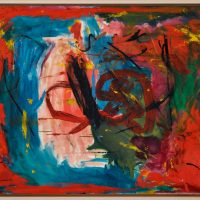
“Images enlarge the space, expand it – form tunnels into other worlds,
make the room a Charles de Gaulle departure hall”
Karl-Heinz Schwind
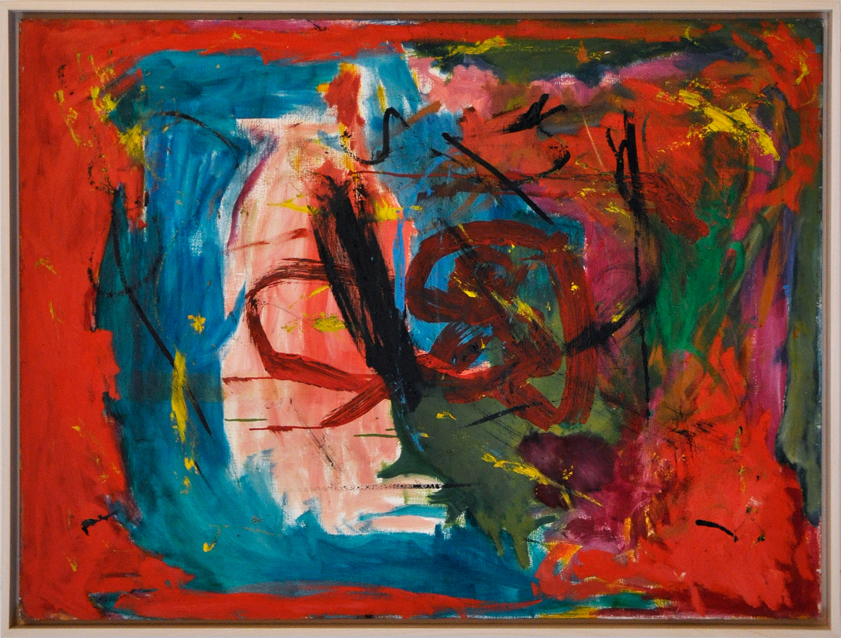
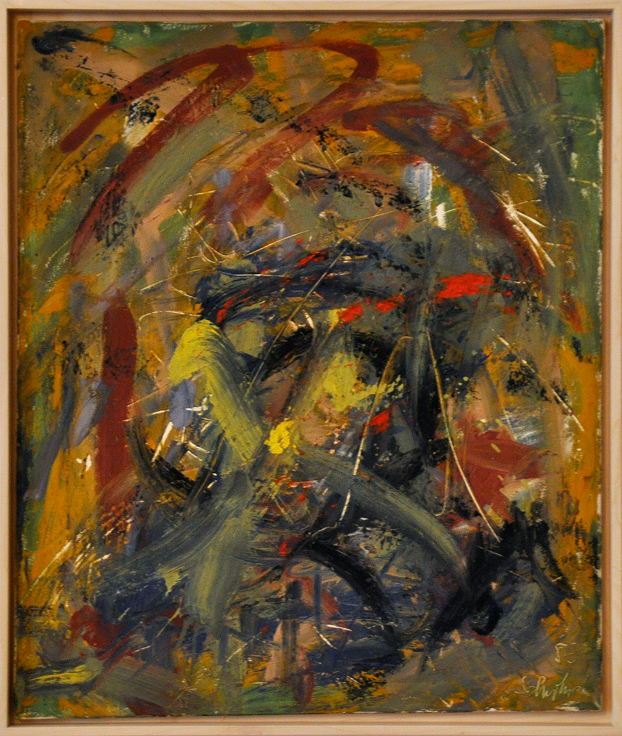
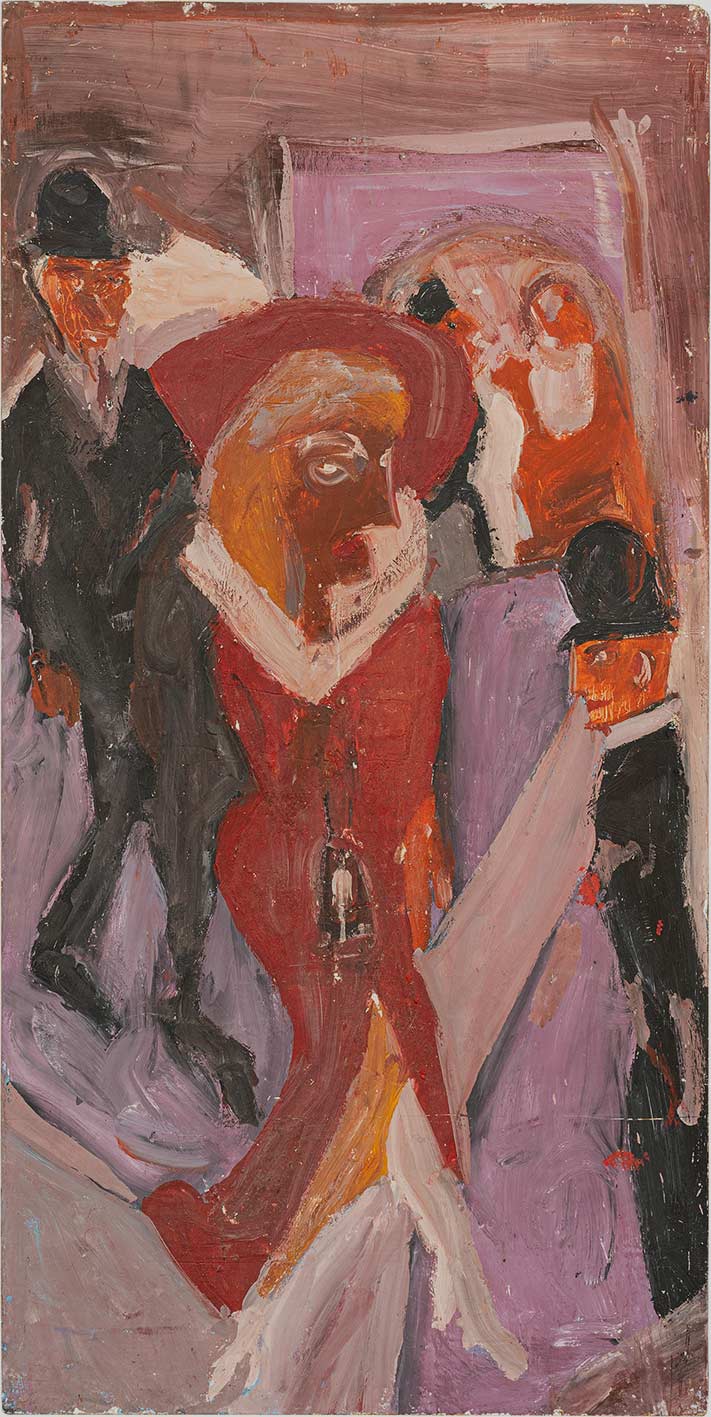
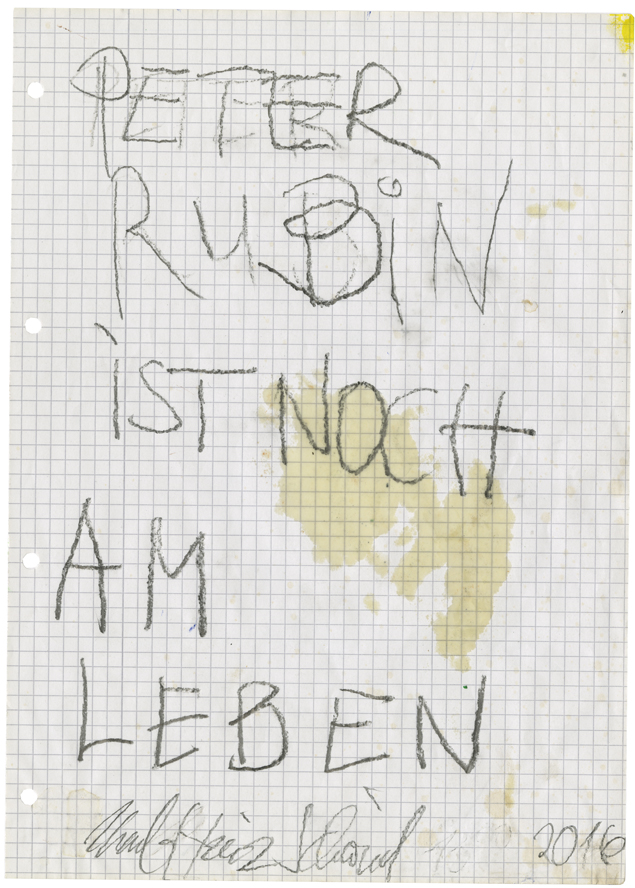
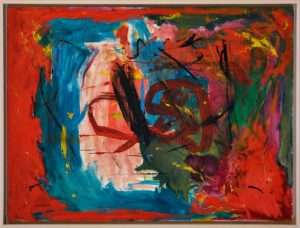
Karl-Heinz Schwind (*1958 in Landau) studied under Georg Baselitz from 1978-84 and was a master student of Per Kirkeby at the Karlsruhe Art Academy from 1984-85.
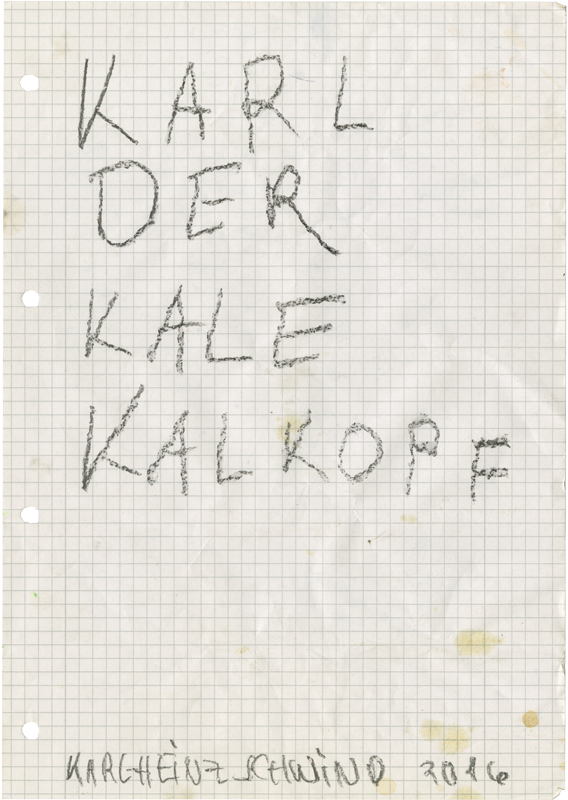
His colorful, strong works, some of which border on material battles, contain numerous quotes from art history. Schwind tries it out – that’s his style. His works show the political and cultural tensions of West Germany in the 80s. He finds endless inspiration in his surroundings: people, commuters, Berlin tourists, the community. And Milva’s music.
To question himself and society – this is what Schwind has been working on in his painting to this day. He is not afraid of references, thematically he incorporates Ludwig Kirchner into his works, just as quotes of Dadaism and technical transformation of Tachism.
He follows an inspiration almost archaically, anarchically and creates work out of what falls into his hands: wood, magazines, wax crayons, canvas, yarn.
Schwind lives and works in Berlin.
From the catalogue of the first exhibition by Daniel Blau, Munich 1990: “Images enlarge the space, expand it – form tunnels into other worlds, make the room a Charles de Gaulle departure hall”.
All photographs are available for purchase. Prices upon request. For further information please send an email to: contact@danielblau.com
All offers are noncommital. We cannot guarantee the items are still available on request.
Other Diversions
Albertina - Die frühe Radierung. Von Dürer bis Bruegel Staatliche Museen Berlin - Raffael in Berlin. Meisterwerke aus dem Kupferstichkabinett Kunstgewerbe Berlin Music video by Milva performing Freiheit in meiner Sprache (Official Video). (C) 1999 Sony Music
 +49 89 29 73 42