



Author: Christiane Wunsch
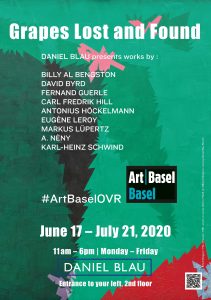
Grapes Lost and Found
Exhibition:
June 17 – July 21, 2020
11am – 6pm | mon – fri
Maximilianstraße 26, 80539 München
In a recent conversation I had with Billy Al Bengston (Link to Bio), he quoted his racing buddy: “If it only costs money, it’s cheap.” Being an avid collector myself (although not of Contemporary Art) my interpretation of his words is: It can take a lot of effort, time and money to track down a specific object. Sometimes it can take years and money can’t help.
We had an exhibition of large Lüpertz (Link to Bio) paintings from 1967-70 at Art Basel in 2005. The paintings were huge. The show looked stunning and was a great success. The painting “Weintrauben” did not find a place in the show of tree trunks, telegraph poles and tunnels and remained upstairs in storage to return with the other works to Germany after the fair. But it never arrived. We only realised it had gone missing about a year later when a loan request for the work came and we couldn’t locate it.
Now 15 years later a friend sends me this cryptic text message: “Dear Daniel, tell me, are you missing a grape painting? I hope you are well. Best wishes…”
It turns out that the crate with our label still on it mysteriously turned up in a private furniture warehouse in Munich. The owner of that warehouse is a friend of our friend. I thought “Great! The grapes are back.” But then the finder emailed: “How can I be sure you are the owner? I think I’d better go to the police.” Days of silence followed. The painting had vanished again. Then somebody within the city’s Lost and Found department called up. He had been referred to us by the Lenbachhaus, and wondered if we dealt in Lüpertz? “There is this painting someone found…”
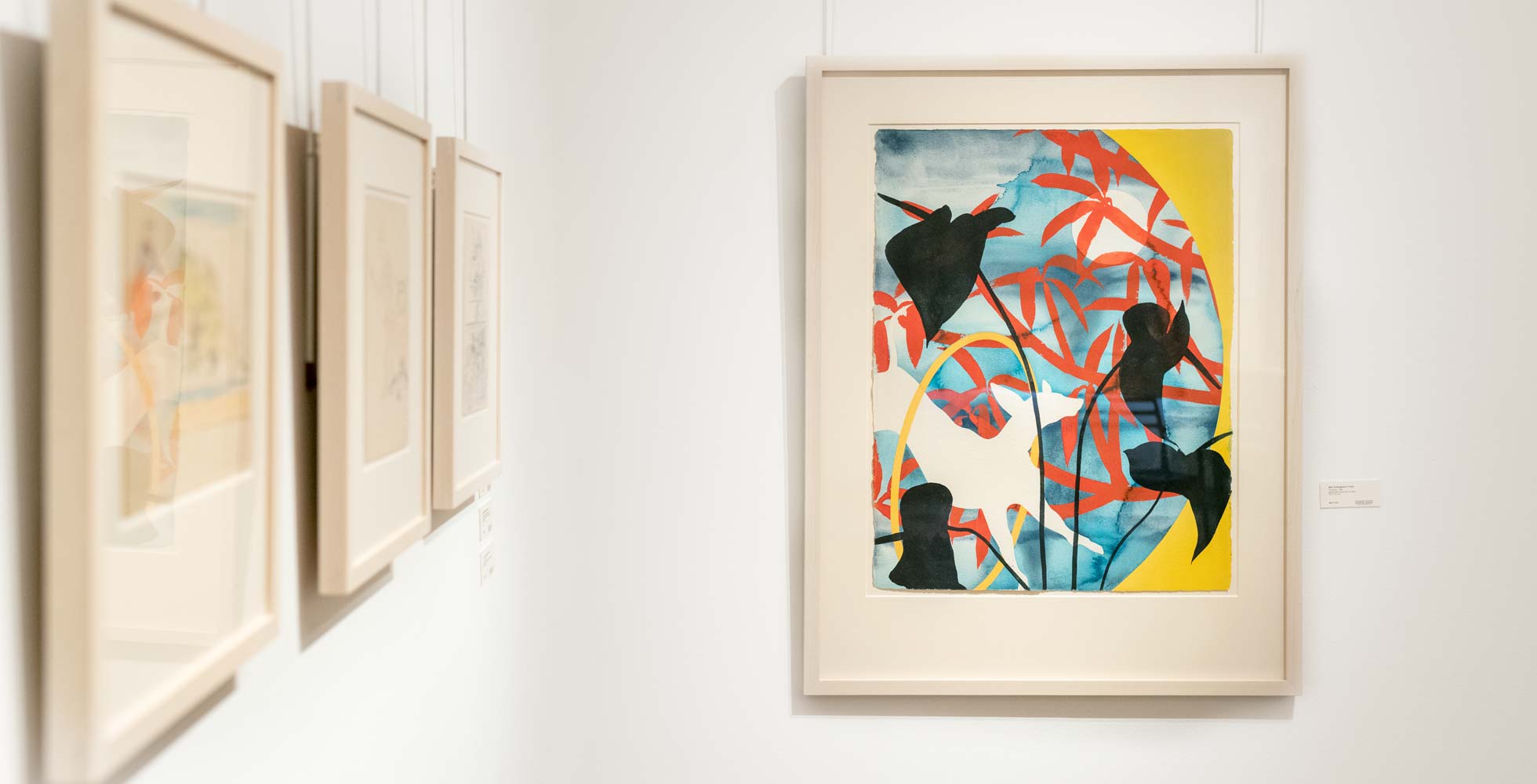
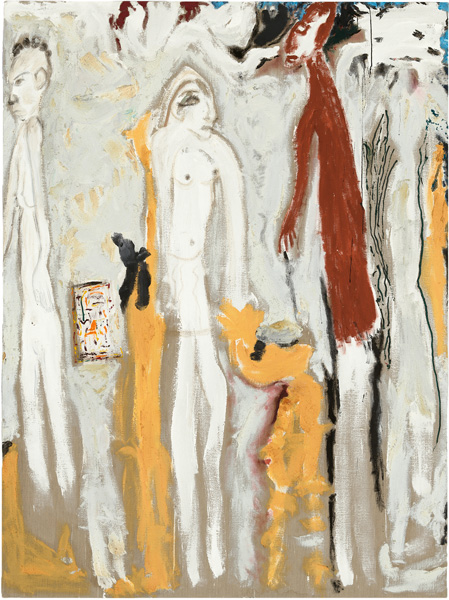
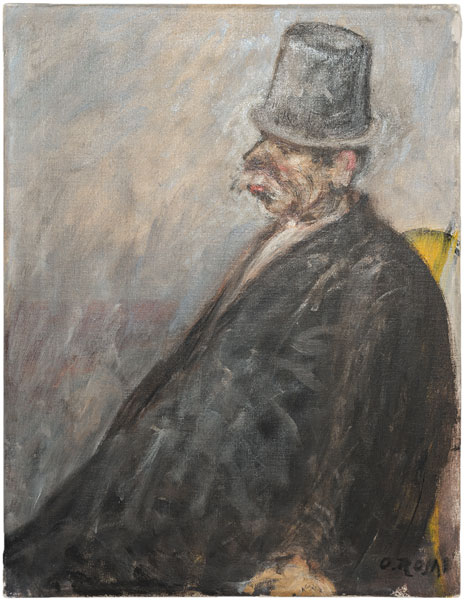
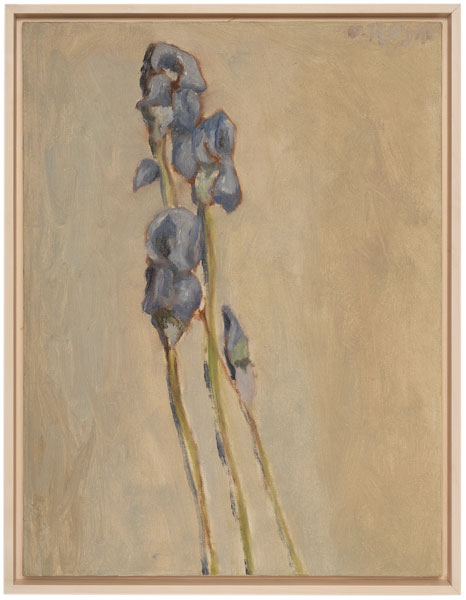
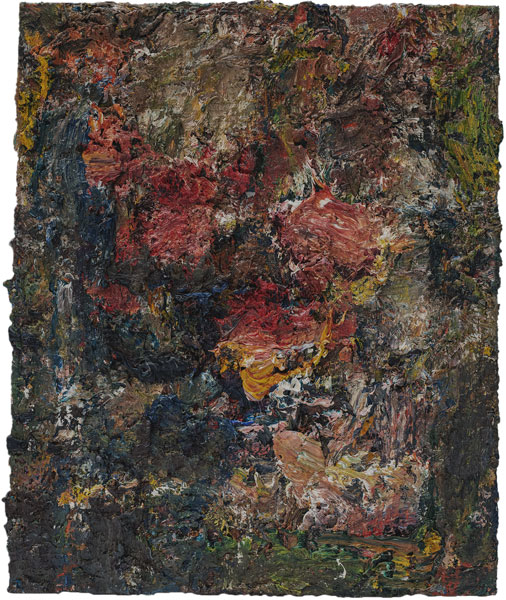
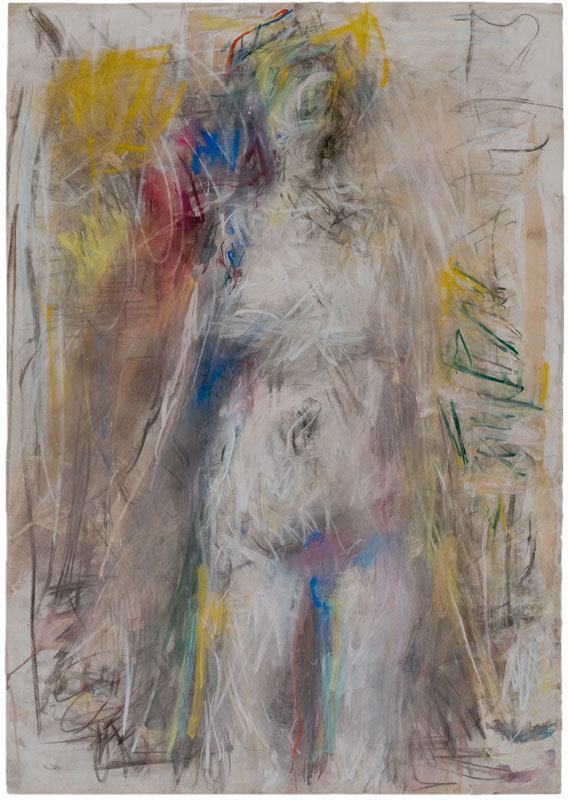
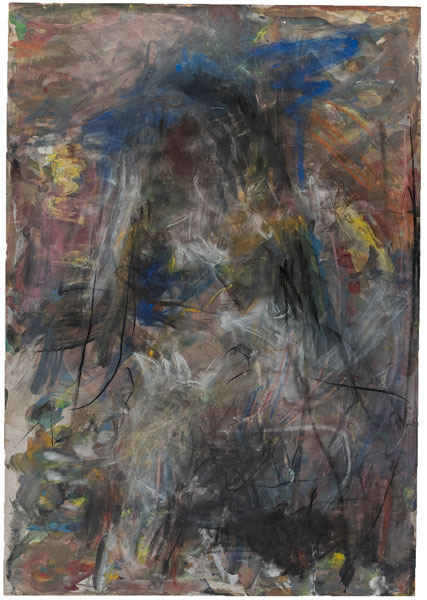
I am sure that many of the artworks we enjoy today would have fascinating stories to tell, if only they could speak to us in words as well as with their beauty. I thought this lucky moment merited a presentation on the theme of flora and color.
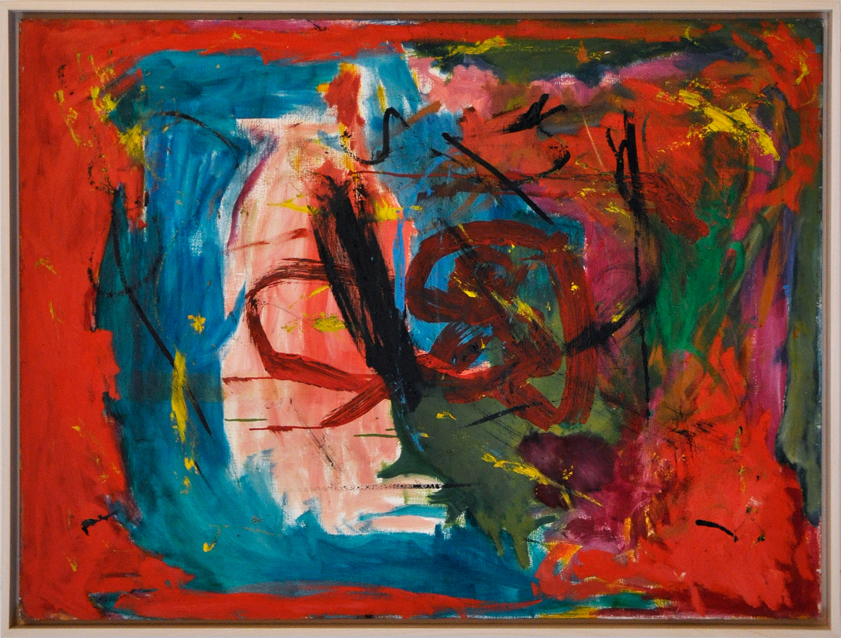
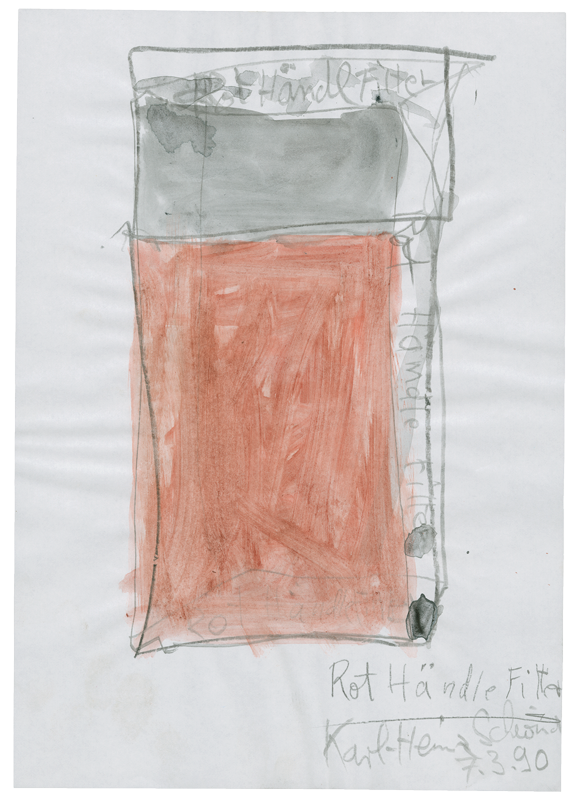
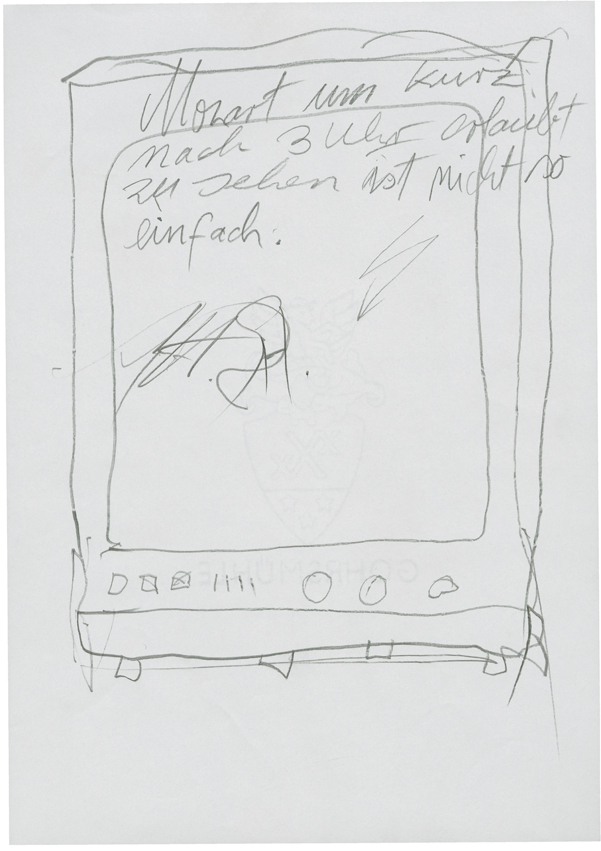
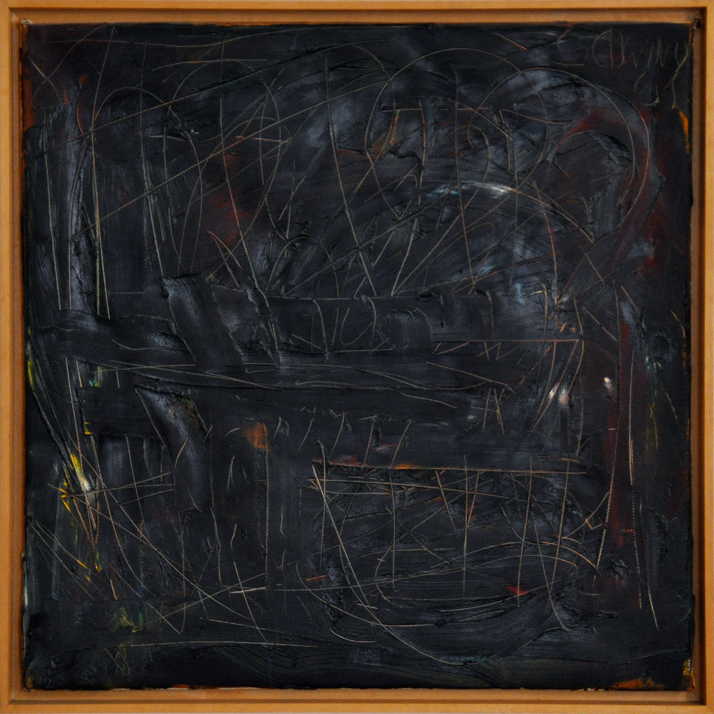
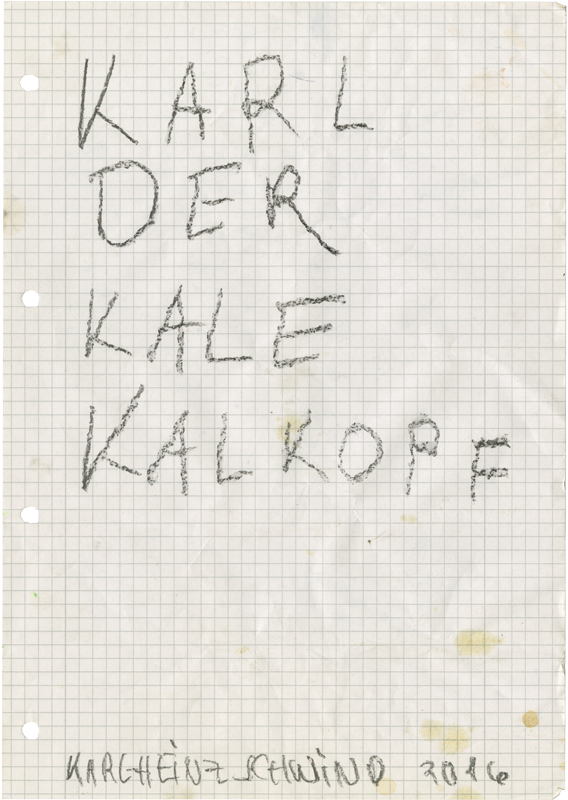
Karl-Heinz Schwind (Link to Bio) was our first exhibition when we opened some 30 years ago. His works are pure energy.
Eugène Leroy (Link to Bio), who sometimes worked for several years on a painting before considering it finished, Don van Vliet, cult musician and painter and Billy Al Bengston, known for his tropical themes and vivid colors, are well known and do not need my introduction.
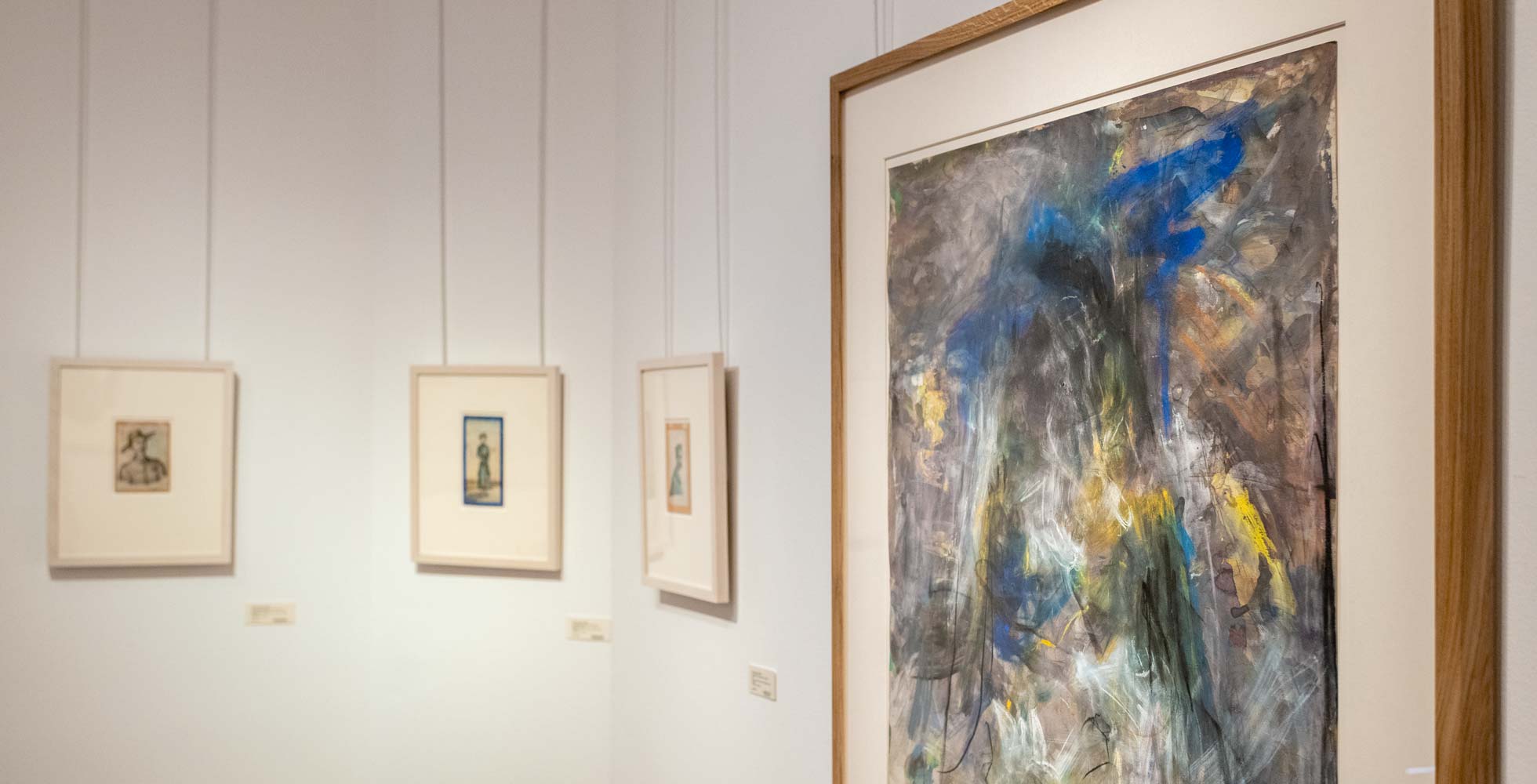
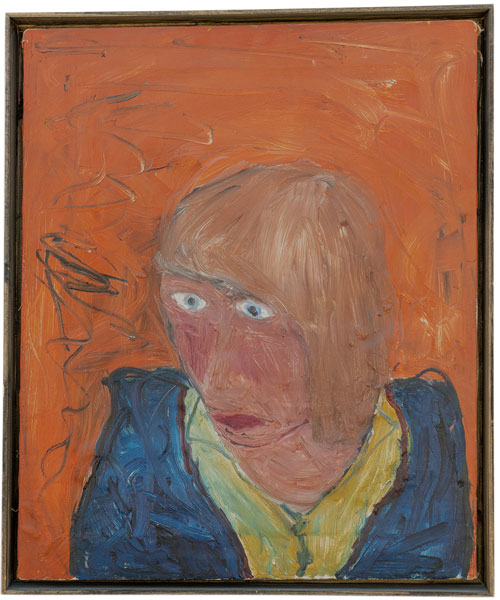
David Byrd is neither “Insider” nor “Outsider”. Having studied art after WWII under Amédée Ozenfant he only developed his mature style and produced his most defining body of work after he started working as an orderly at a hospital psychiatric ward, from 1958-88.
His paintings defy any of the “Isms” we usually like to apply to art we see; they stand apart from Pop, Realism or Expressionism. If anything I would refer to his work as New York Surrealism. Byrd’s works have an airy and somewhat evanescent quality, as if viewed through a milky glass.
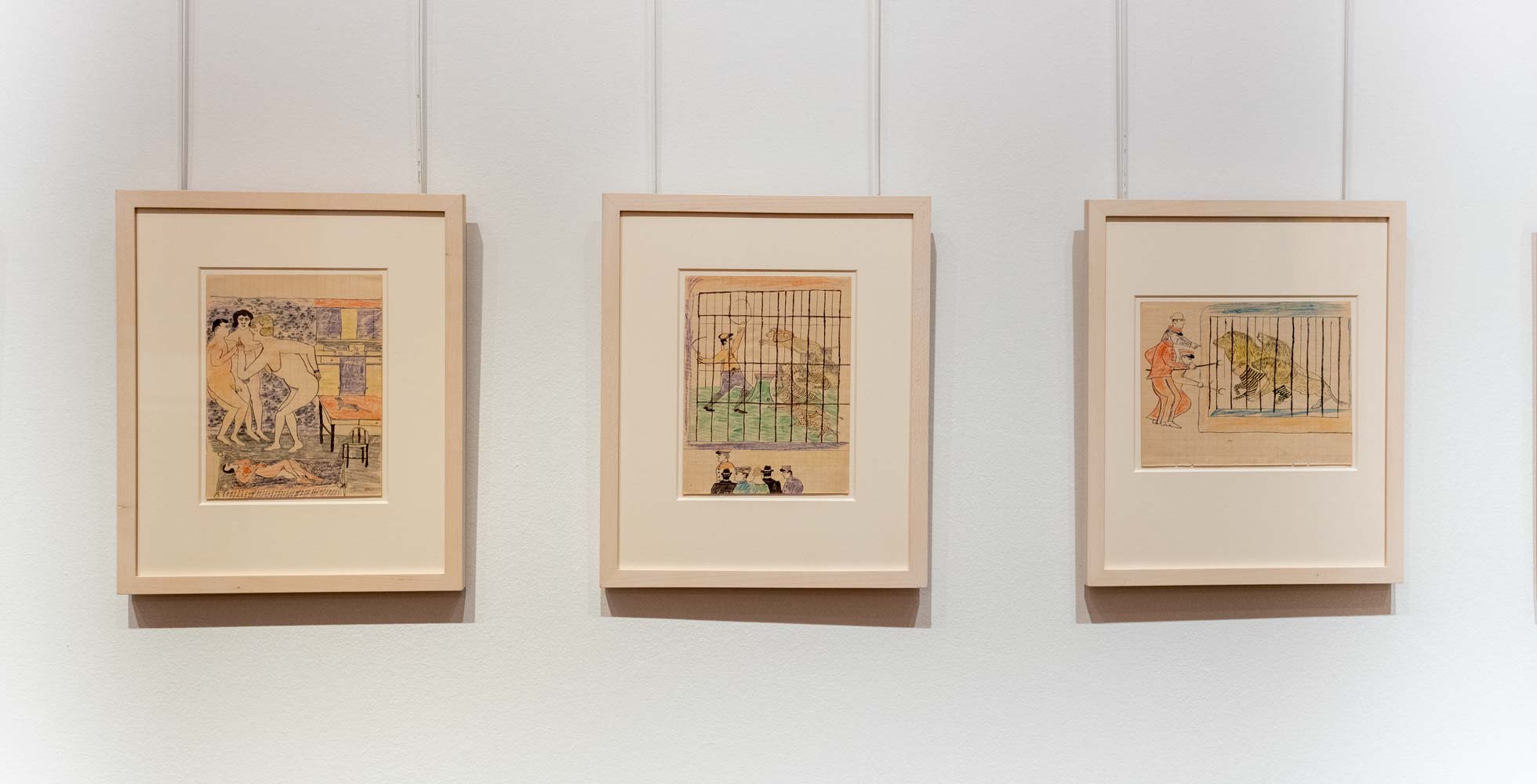
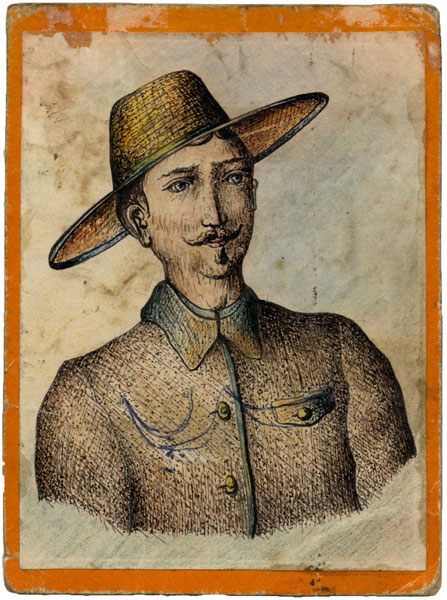
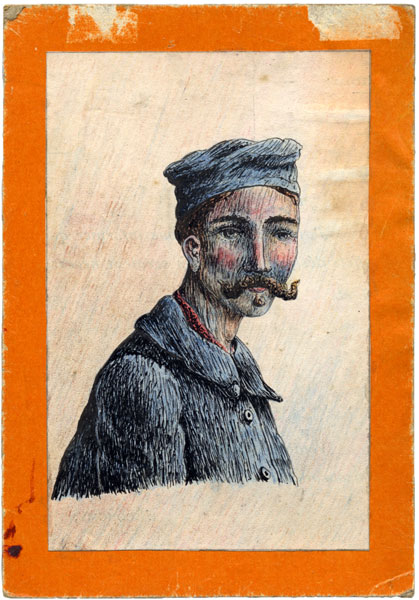
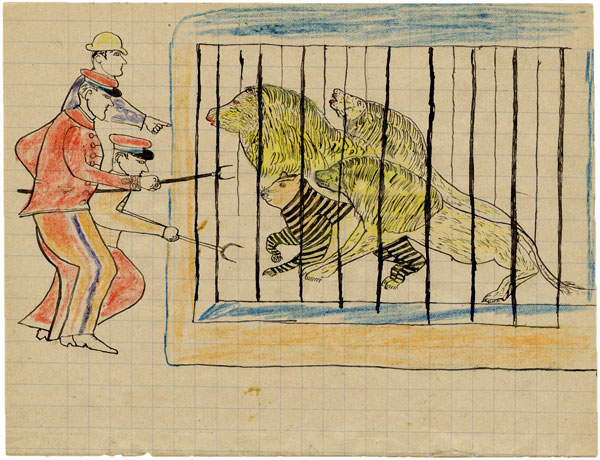
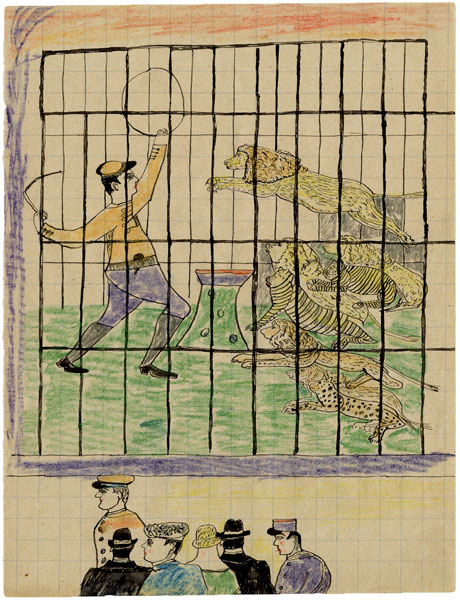
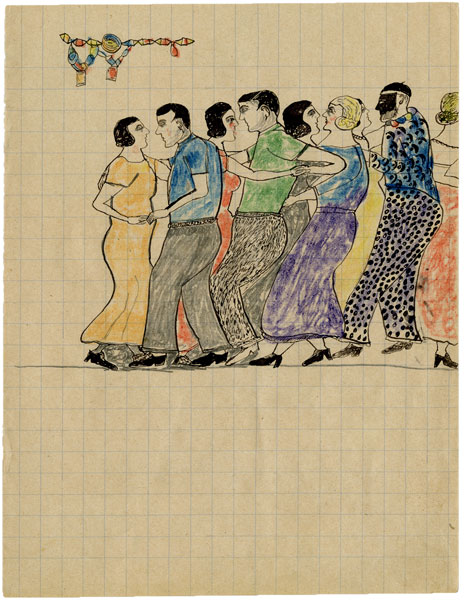
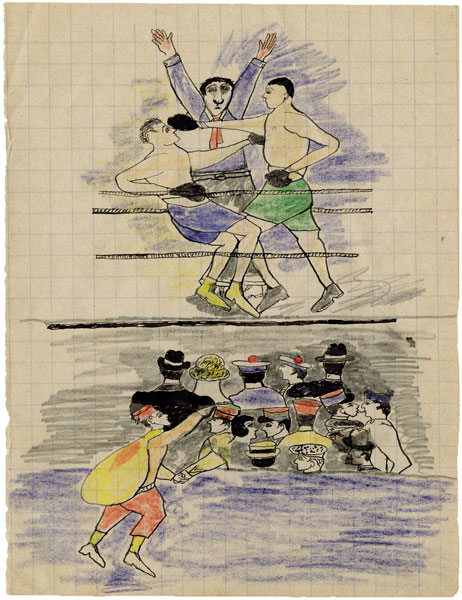
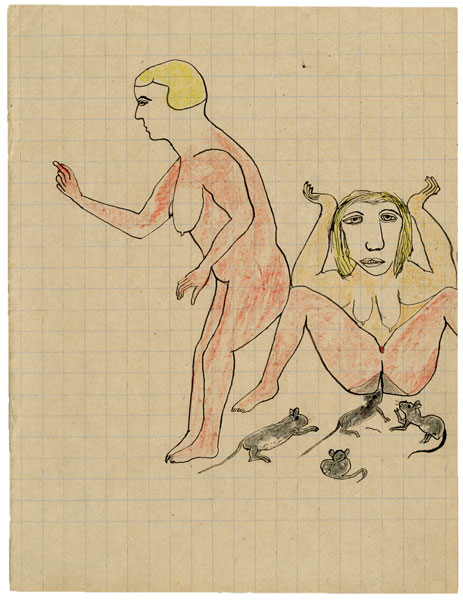
Guerle and Nény were true self-taught artists who remained more or less in obscurity but whose visual languages are equally inspiring and distinctive as the better-known artists in our exhibition. They only came to my attention through writers like Hans Prinzhorn or Dr. Jean Lacassagne, who were interested in and propagated the artistic output of mentally insane or criminal individuals. Prinzhorn’s Bildnerei der Geisteskranken (Berlin 1922) and Albums du Crocodile by Lacassagne (Lyon 1939) have been rare sources of information on these fascinating artists.


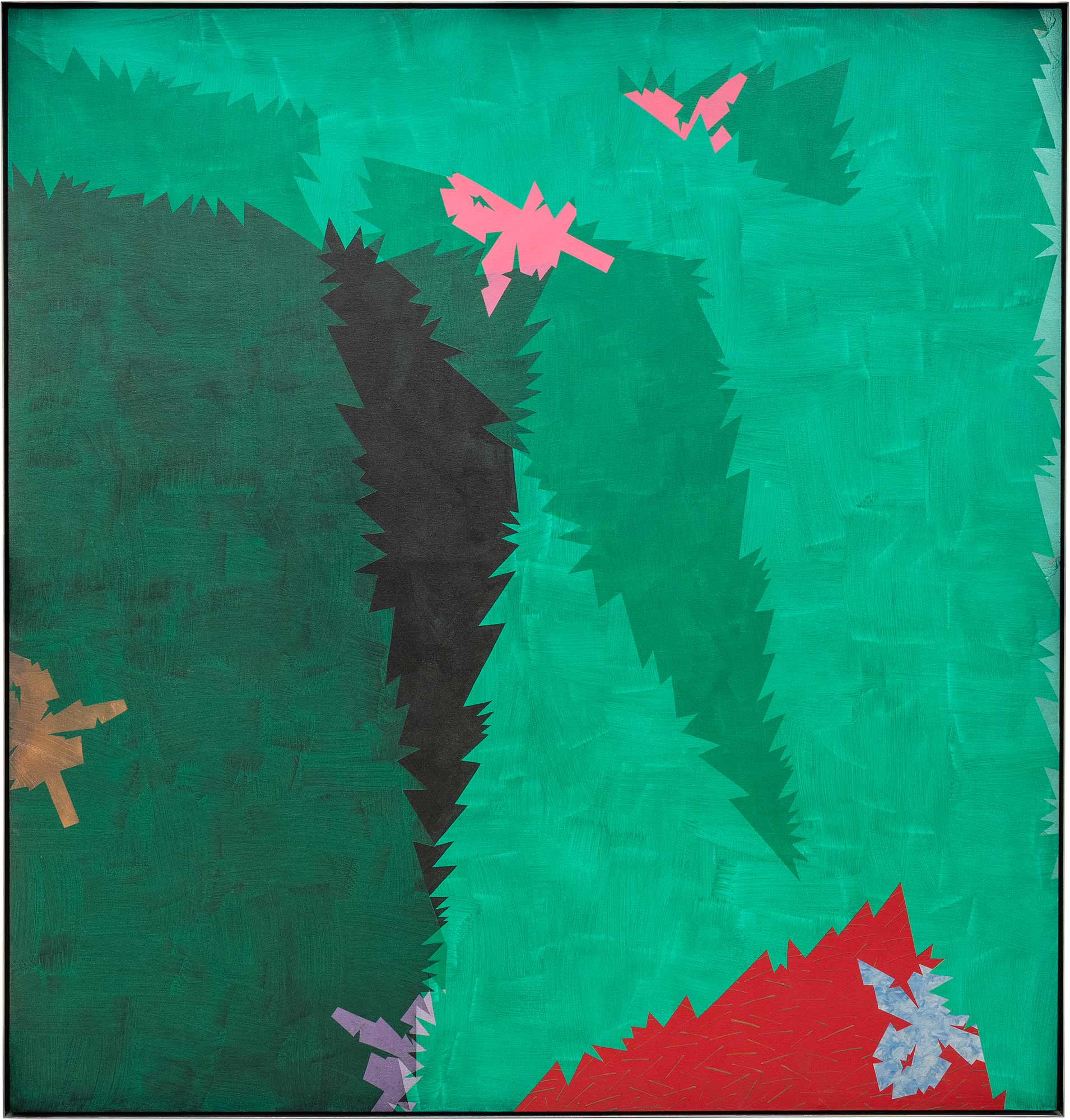



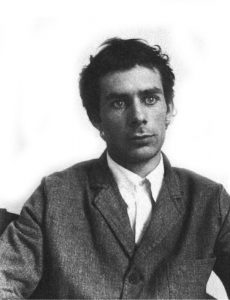
Karl-Heinz Schwind(*1958 in Landau)
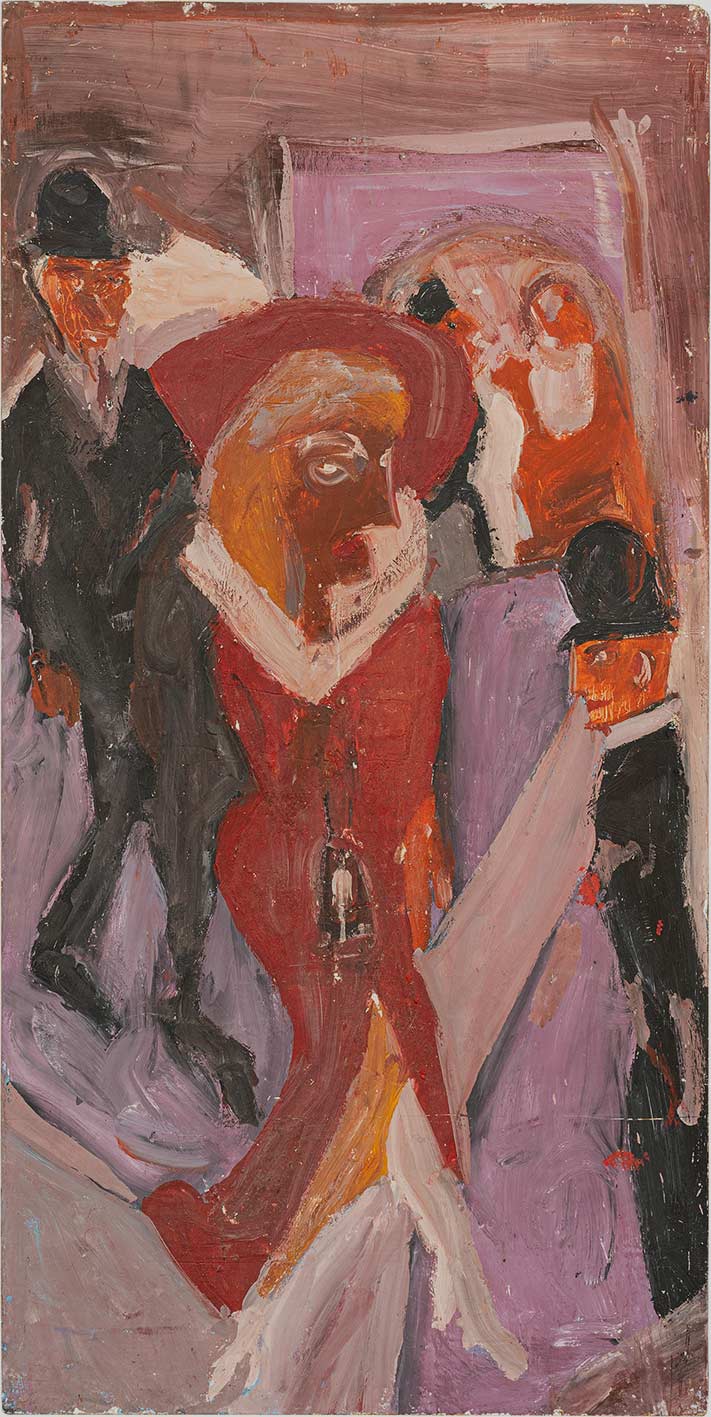
From the catalogue of the first exhibition by Daniel Blau, Munich 1990: “Images enlarge the space, expand it – form tunnels into other worlds, make the room a Charles de Gaulle departure hall”
Karl-Heinz Schwind studied under Georg Baselitz from 1978-84 and was a master student of Per Kirkeby at the Karlsruhe Art Academy from 1984-85.
His colourful, strong works, some of which border on material battles, contain numerous quotes from art history.
Schwind tries it out – that’s his style. His works show the political and cultural tensions of West Germany in the 80s.
To question himself and society – this is what Schwind has been working on in his painting to this day. He is not afraid of references, thematically he incorporates Ludwig Kirchner into his works, just as quotes of Dadaism and technical transformation of Tachism.
He follows an inspiration almost archaically, anarchically and creates work out of what falls into his hands: wood, magazines, wax crayons, canvas, yarn.
Schwind lives and works in Berlin.
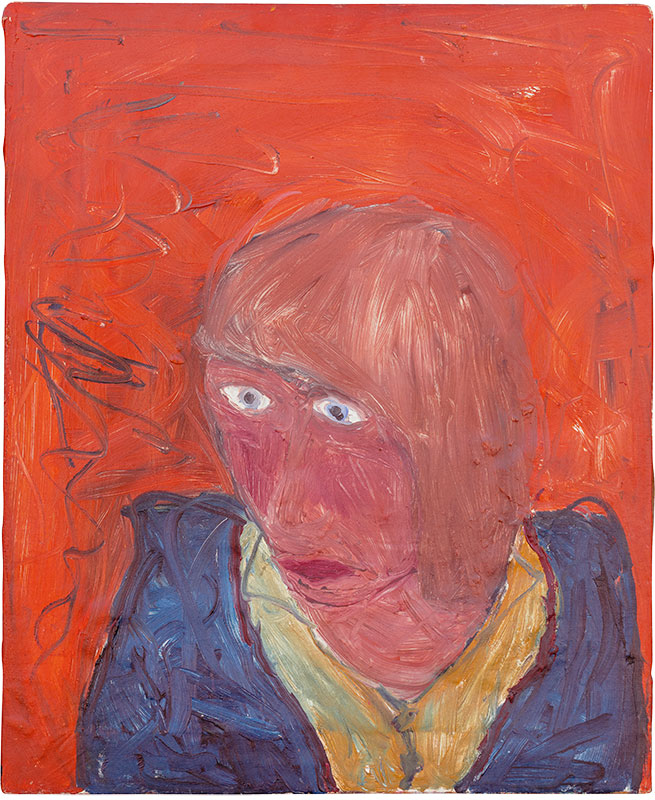
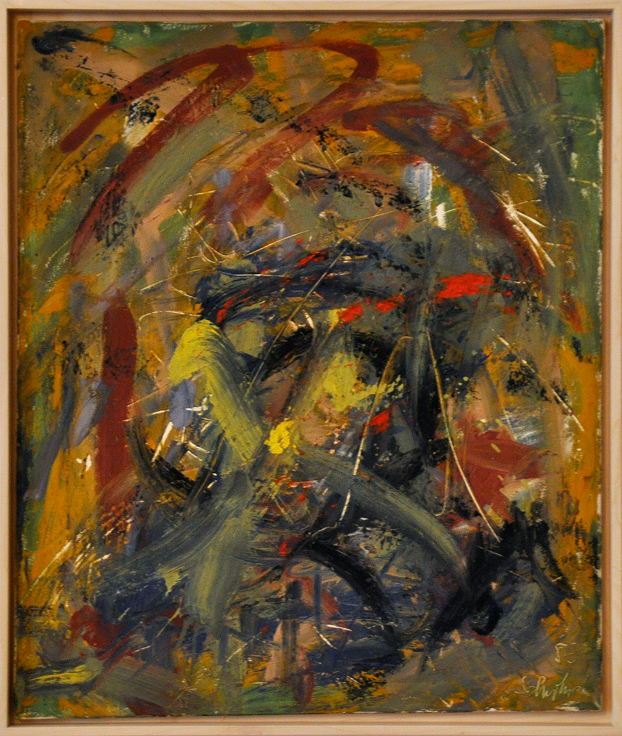
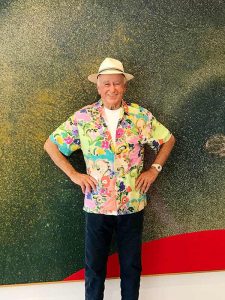
Billy Al Bengston (*1934 in Dodge City, Kansas)
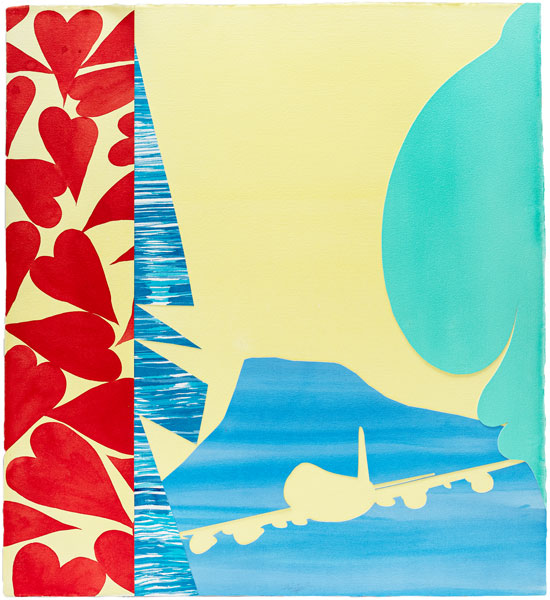
is an American artist and sculptor. Bengston’s fondness for motorcycles influences his artworks, which often consist of vibrant lacquer on metal.
He also works on paper and canvas. Besides motorcycle culture, surfing and his life in California and Hawaii give the artist’s works their character.
In 1955 he went to California College of Arts in Oakland followed by studies at Otis Art Institute in LA. Since 1958 there have been various solo exhibitions in LA with Ferus Gallery. His first solo museum exhibition was in 1968 at LACMA. The 1960s were shaped by professional motorcycle racing. In 1974 he visited Hawaii for the first time.
Bengston surfs and paints in Venice Beach and Honolulu.
Exhibitions and Distinctions (Selection)
2018
“Endless Summer”, Museum of Contemporary Art Chicago, USA
2017
“California Dreaming: Ed Moses, Billy Al Bengston, Ed Ruscha”, New Britain Museum of American Art, USA
2016
“Still Life with Fish: Photography from the Collection”, Hammer Museum, Los Angeles, USA “Los Angeles, – a Fiction”, Astrup Fearnley Museet, Oslo, Norway
2015
“Drawing in L.A.: The 1960s and 70s”, Los Angeles County Museum of Art, USA
2014
“Selections from the Permanent Collection”, Museum of Contemporary Art, Los Angeles, USA
2013
“Craig Turned On The Light and California Art Bloomed”, Honolulu Museum of Art, Hawaii.
2012
“Sinister Pop”, Whitney Museum of American Art, New York, USA
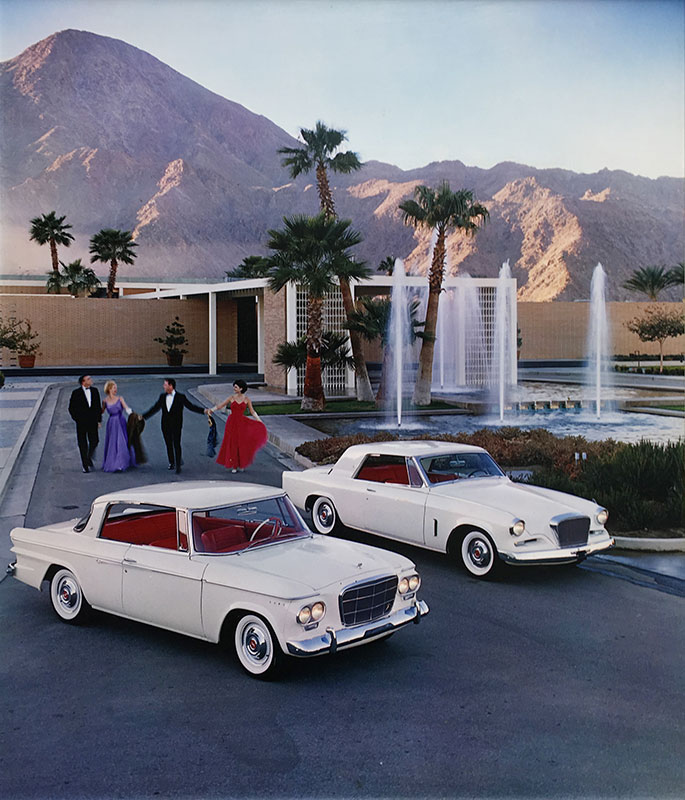
There are just a few examples of the ways in which artists have turned
their attention to cars and car cultur
auto – Mobile
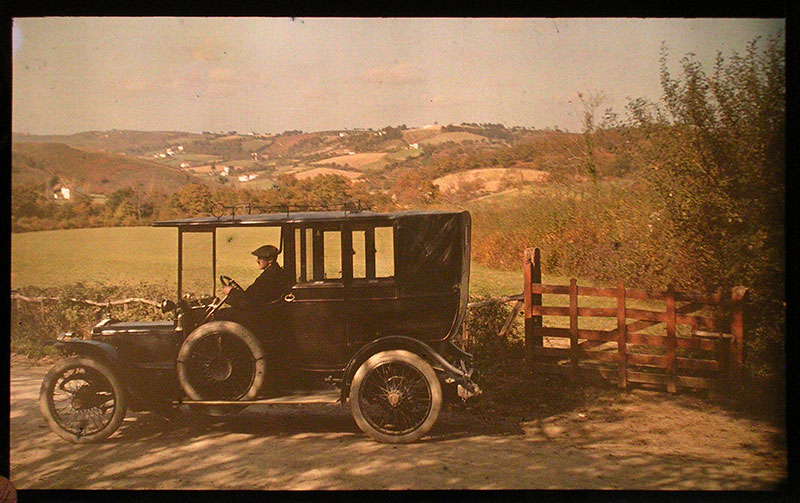
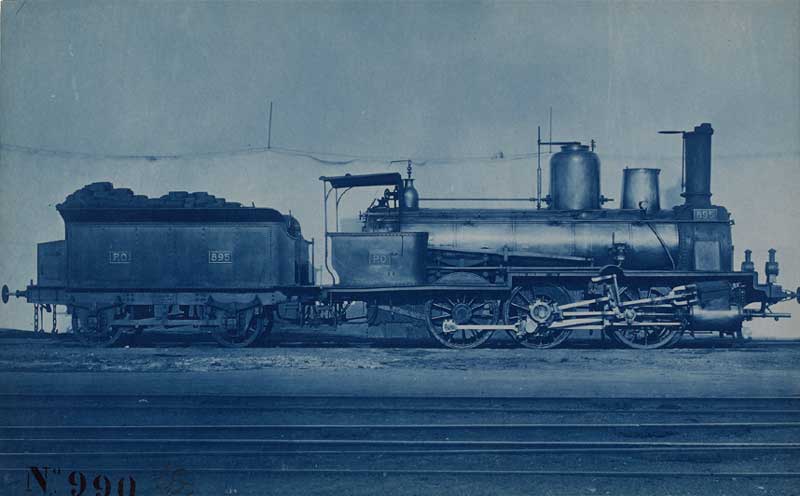
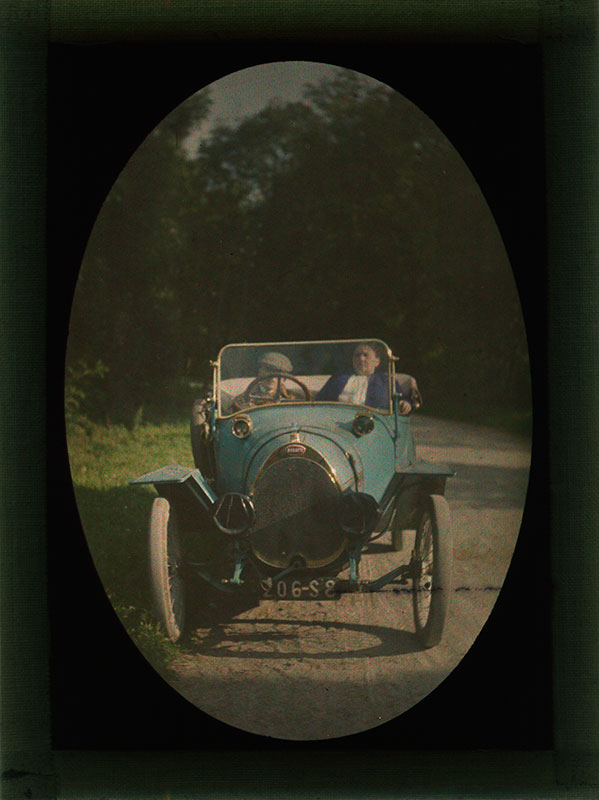
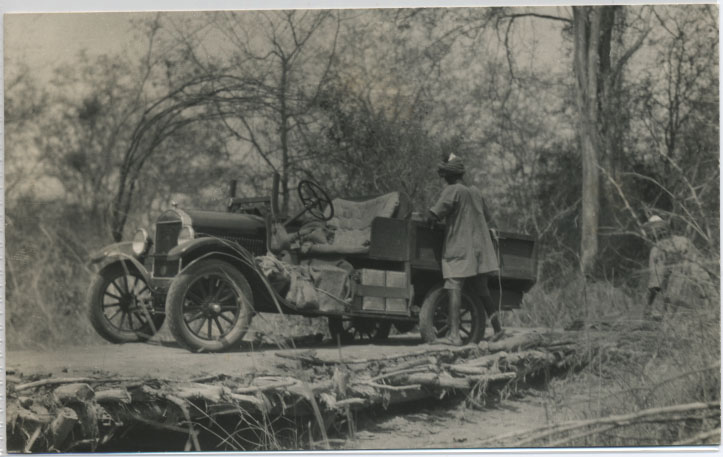
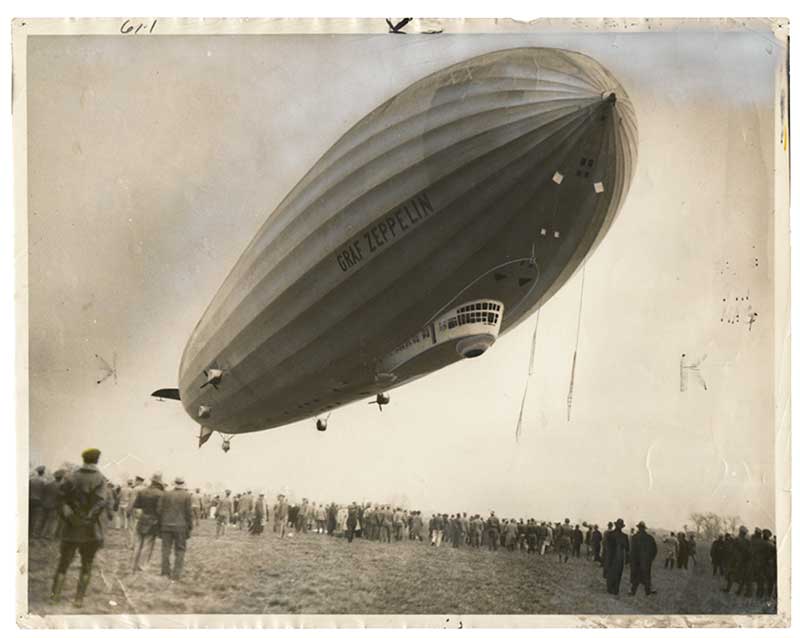
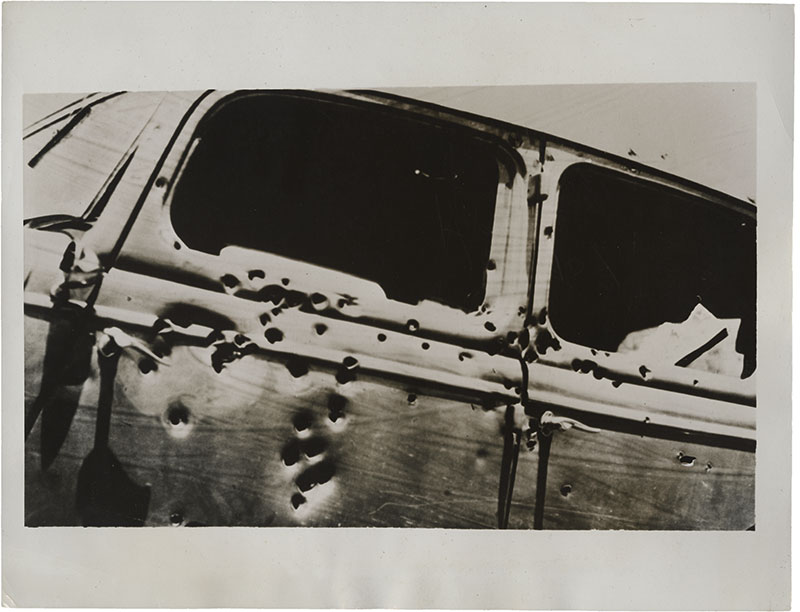
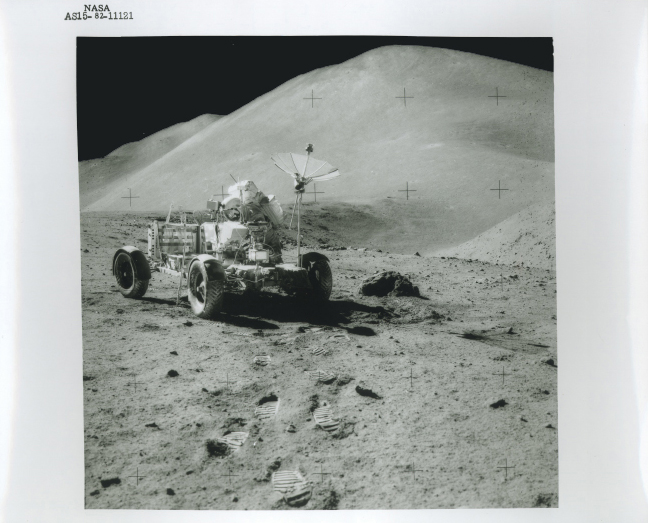
Cars, steam engines, aircraft and space ships proved endlessly inspiring to early and modern photographers and artists, who documented the new vehicles and the journeys they enabled. A new kind of landscape photography emerged, situating man and his machines in the context of rural, urban, or extraterrestrial terrains.
Consider Franklin Price Knott’s ‘Automobile in Italy’ (c. 1910), Hugo Adolf Bernatzik’s ‘Autopanne’, (1927) or NASA’s groundbreaking photographs from the Apollo missions.
Our cultures and societies have developed and been defined by advances in our tools and our means of travel. The modern car came into existence in the late 19th century with the invention of the Benz Patent-Motorwagen.
It didn’t take long for cars to become popular, particularly in the US, where the vehicles and the roads they’re driven on form an essential part of the modern cultural mythos of America. Cars represent an ideal of individual autonomy, freedom and adventurousness. Over the past century, artists have responded to and helped to shape this culture in many ways.
Well-known artists such as Ed Ruscha and Stephen Shore have created distinctive aesthetics from the mundane existence of gas stations, roads, and motorcars.
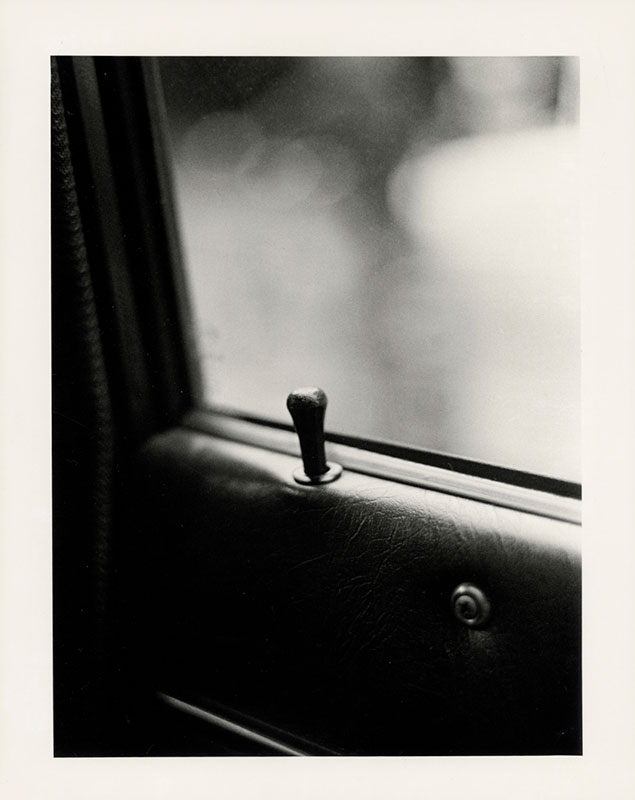
Matt Mullican’s ‘o.T. (Autofensterknopf)’ takes as its subject the recognisable interior of a car, imbuing an everyday detail (a door lock) with the significance of a monolith.
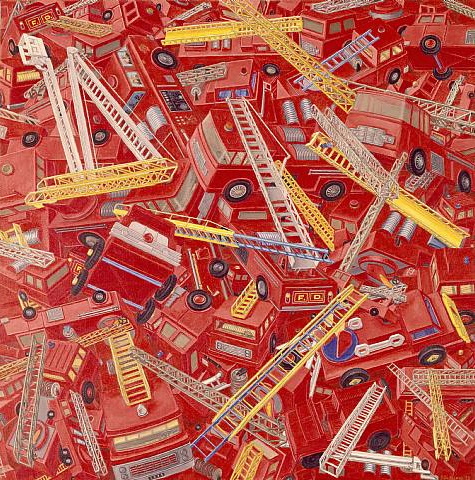
In her piece ‘Feuerwehrhaufen’, Christa Dichgans depicts an absurd heap of fire engines in vivid red. Her drawings of assembled objects are imbued with a Pop sensibility.
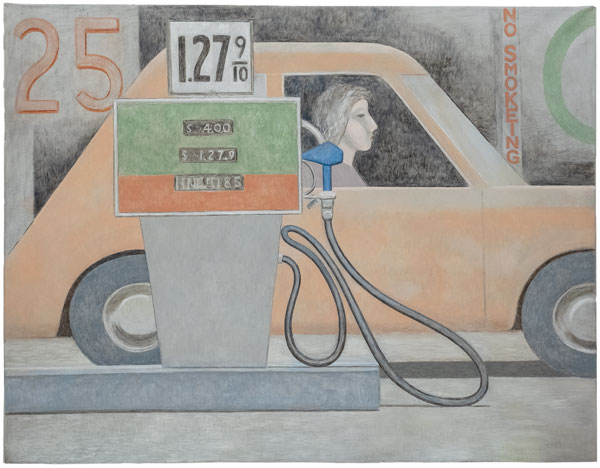
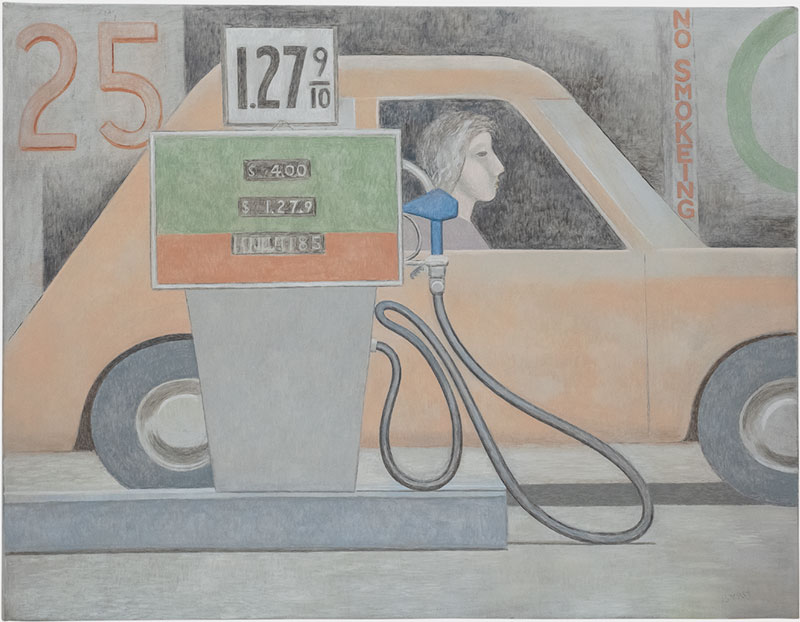
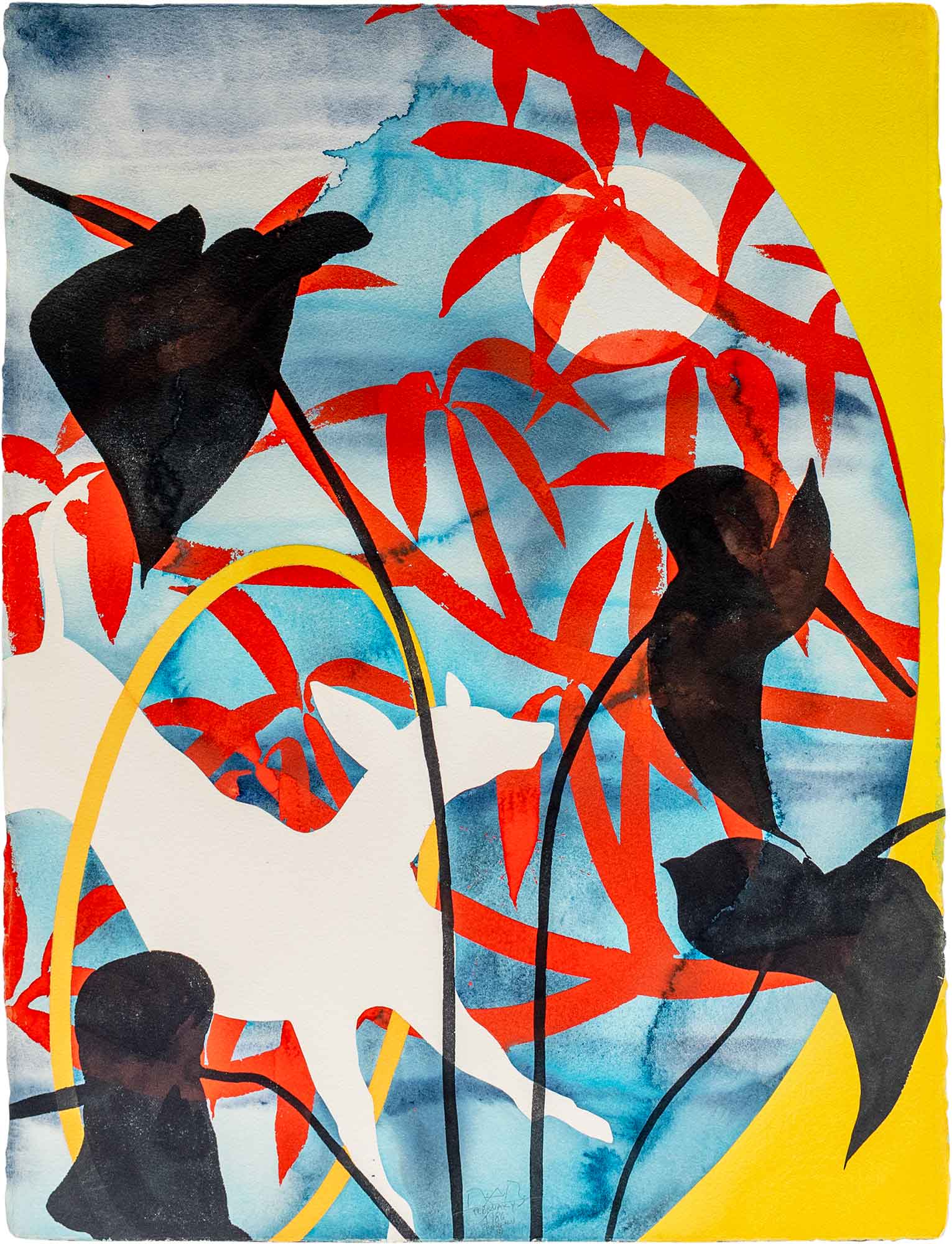
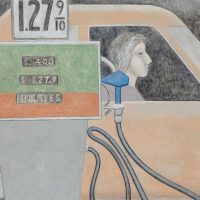
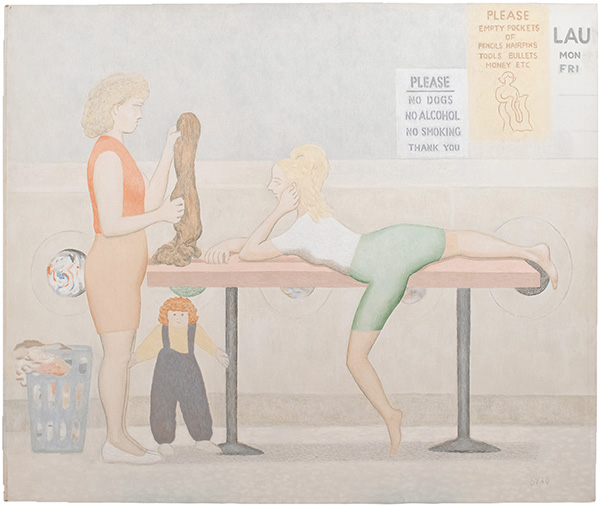
David Byrd’s muted tones contrast with Dichgans’ vibrant palette. His large oil painting ‘Woman in Car, Filling Station’ from early 1980s is full of signifiers – the cost of gas per gallon – the exhortation ‘no smokeing’ [sic]. The woman in the car has no eyes. She is viewed through a window – the vehicle appears to be an extension of her body.
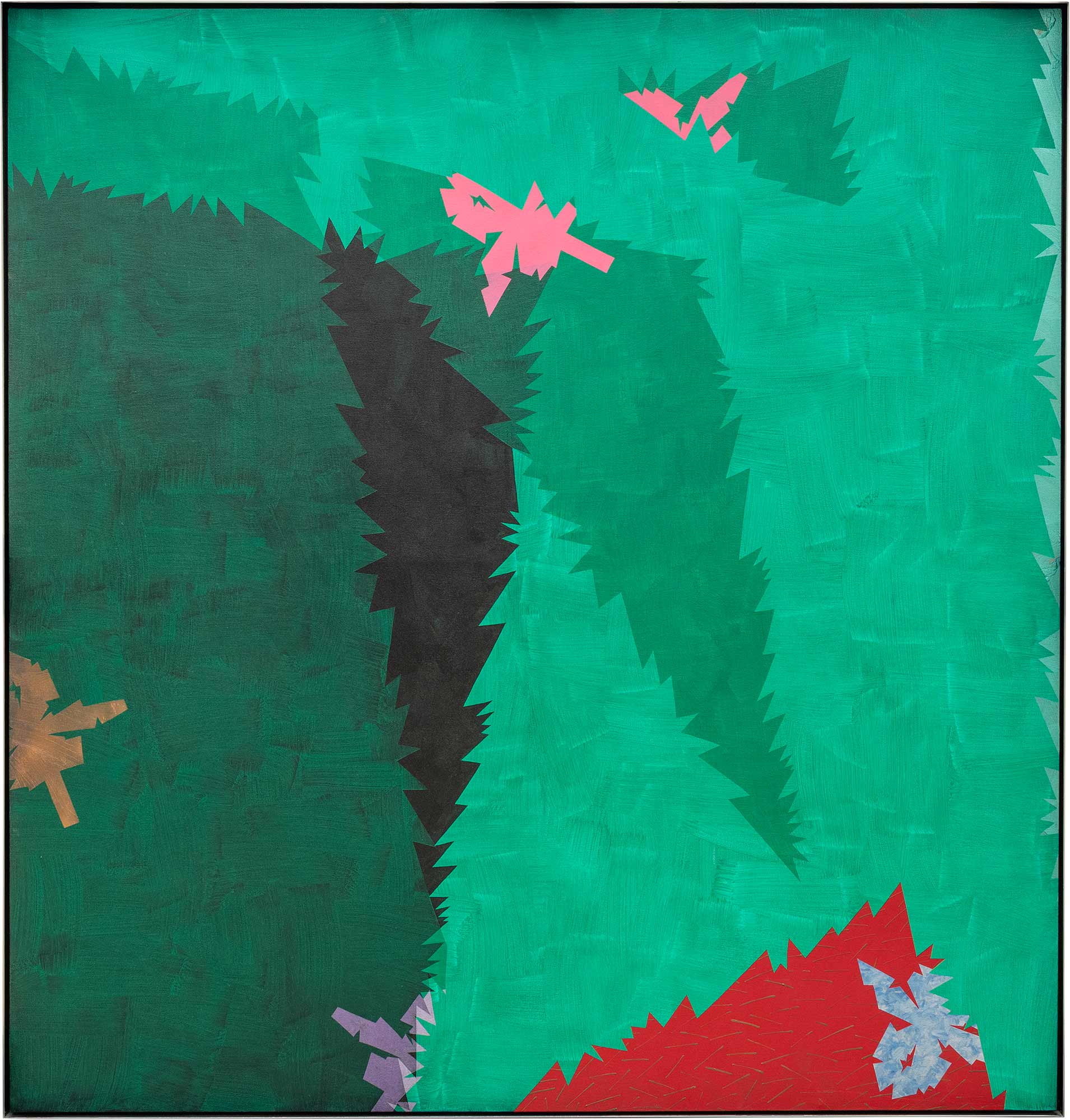
Contemporary American artist Billy Al Bengston cites motorcycle culture as a major influence and uses materials from the automotive industry in his work, including spray paint and lacquer applied to sheets of aluminum.
There are just a few examples of the ways in which artists have turned their attention to cars and car culture, exploring the materials, aesthetics and significance of these commonplace and revolutionary machines.

All photographs are available for purchase. Prices upon request. For further information please send an email to: contact@danielblau.com
All offers are noncommital. We cannot guarantee the items are still available on request.
Other Diversions
Arthur Honegger 'Pacific 231 Mouvement symphonique No.1' Movie 'Asphalt” from 1929
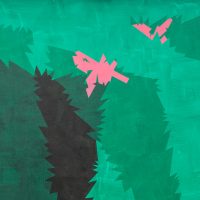
Grapes Lost and Found
In a recent conversation I had with Billy Al Bengston, he quoted his racing buddy: “If it only costs money, it’s cheap.” Being an avid collector myself (although not of Contemporary Art) my interpretation of his words is: It can take a lot of effort, time and money to track down a specific object. Sometimes it can take years and money can’t help.
We had an exhibition of large Lüpertz paintings from 1967-70 at Art Basel in 2005. The paintings were huge. The show looked stunning and was a great success. The painting “Weintrauben” did not find a place in the show of tree trunks, telegraph poles and tunnels and remained upstairs in storage to return with the other works to Germany after the fair. But it never arrived. We only realised it had gone missing about a year later when a loan request for the work came and we couldn’t locate it.
Now 15 years later a friend sends me this cryptic text message: “Dear Daniel, tell me, are you missing a grape painting? I hope you are well. Best wishes…”
It turns out that the crate with our label still on it mysteriously turned up in a private furniture warehouse in Munich. The owner of that warehouse is a friend of our friend. I thought “Great! The grapes are back.” But then the finder emailed: “How can I be sure you are the owner? I think I’d better go to the police.” Days of silence followed. The painting had vanished again. Then somebody within the city’s Lost and Found department called up. He had been referred to us by the Lenbachhaus, and wondered if we dealt in Lüpertz? “There is this painting someone found…”
I am sure that many of the artworks we enjoy today would have fascinating stories to tell, if only they could speak to us in words as well as with their beauty. I thought this lucky moment merited a presentation on the theme of flora and colour.
Karl-Heinz Schwind was our first exhibition when we opened some 30 years ago. His works are pure energy.
Eugène Leroy, who sometimes worked for several years on a painting before considering it finished, Don van Vliet, cult musician and painter and Billy Al Bengston, known for his tropical themes and vivid colors, are well known and do not need my introduction.
David Byrd is neither “Insider” nor “Outsider”. Having studied art after WWII under Amédée Ozenfant he only developed his mature style and produced his most defining body of work after he started working as an orderly at a hospital psychiatric ward, from 1958-88.
His paintings defy any of the “Isms” we usually like to apply to art we see; they stand apart from Pop, Realism or Expressionism. If anything I would refer to his work as New York Surrealism. Byrd’s works have an airy and somewhat evanescent quality, as if viewed through a milky glass.
Guerle and Nény were true self-taught artists who remained more or less in obscurity but whose visual languages are equally inspiring and distinctive as the better-known artists in our exhibition. They only came to my attention through writers like Hans Prinzhorn or Dr. Jean Lacassagne, who were interested in and propagated the artistic output of mentally insane or criminal individuals. Prinzhorn’s Bildnerei der Geisteskranken (Berlin 1922) and Albums du Crocodile by Lacassagne (Lyon 1939) have been rare sources of information on these fascinating artists.
Register for Online Viewing Room here




DANIEL BLAU | Photo Competition “3 under 30“ until June 14th 2020 | Deadline extended to July 1st, 2020
DANIEL BLAU is pleased to announce the launch of ‘3 Under 30’, a prestigious competition for young photographers.
This is a unique opportunity for talented emerging artists to gain recognition through an internationally renowned gallery.
Three winning photographers will be selected based on the strengths of a submitted portfolio and accompanying statement.
The three winners will be exhibited in a group s hanodw organised publicised by DANIEL BLAU. The exhibition will take place in Paris from 6-21 November 2020 as part of the Photo-St-Germain festival.
The competition is open to submissions from 1 May 2020 till 14 June 2020. Applicants should complete a short online application https://danielblau.com/3under30
followed by a postal submission to:
Daniel Blau, Maximilianstraße 26, 80539 München, Deutschland, +49 89 29 73 42, 3under30@danielblau.com.
Eligible to apply are all photographers aged 29 and under on the competition closing date of June 14th 2020. There are no restrictions on artist nationality/residency.
We will announce the winners August 14th, 2020.

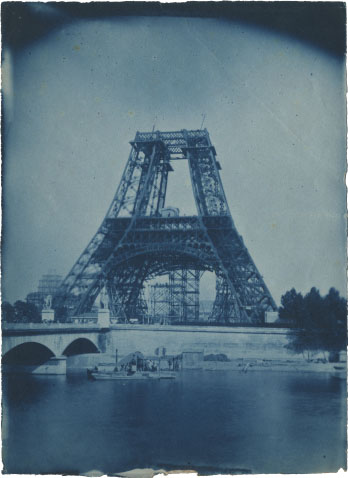
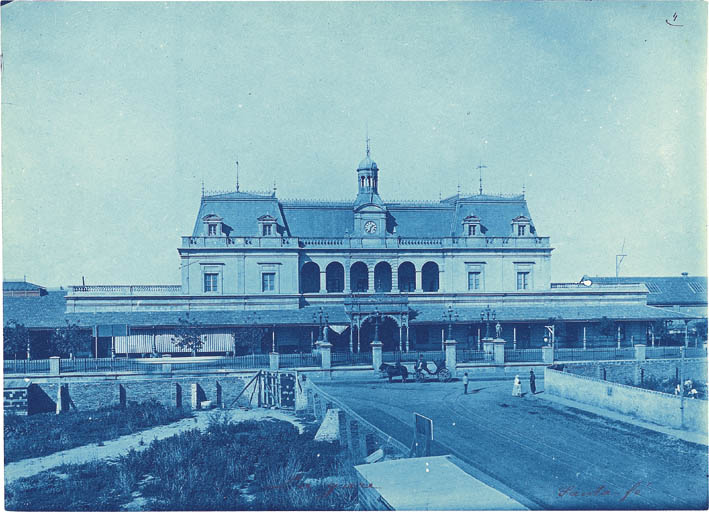
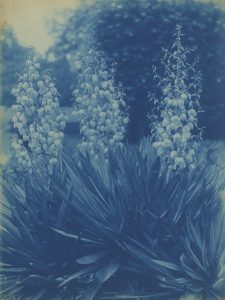
The cyanotype process is chemically simple and limited in terms of the color…
Cyanotype
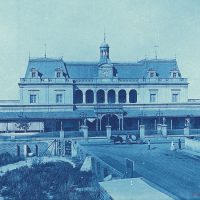
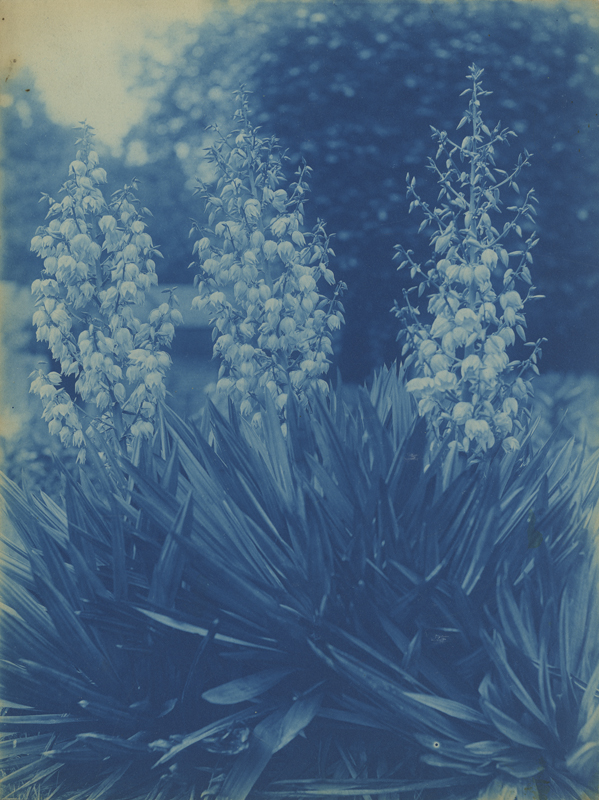
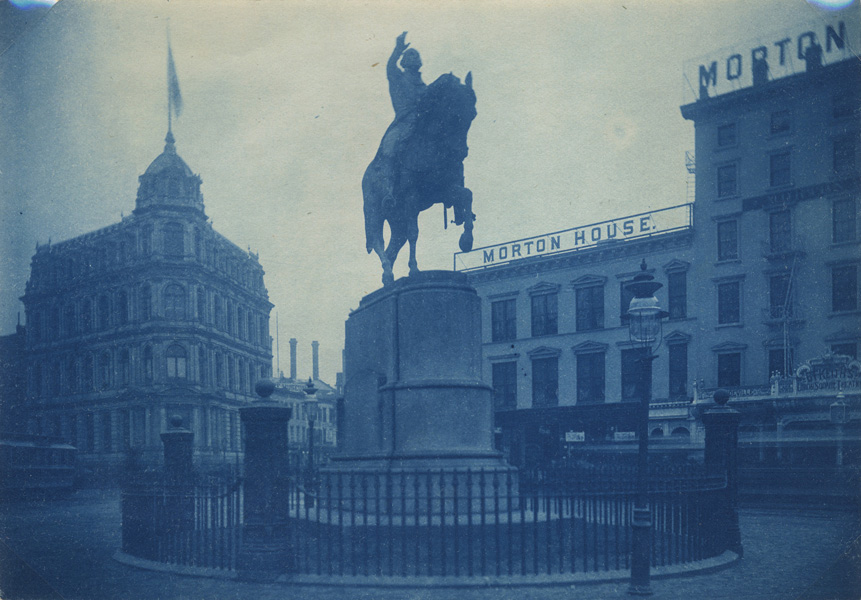
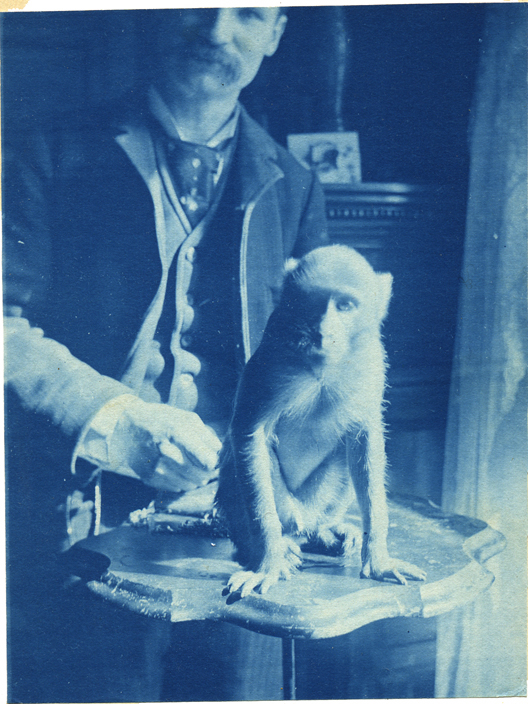
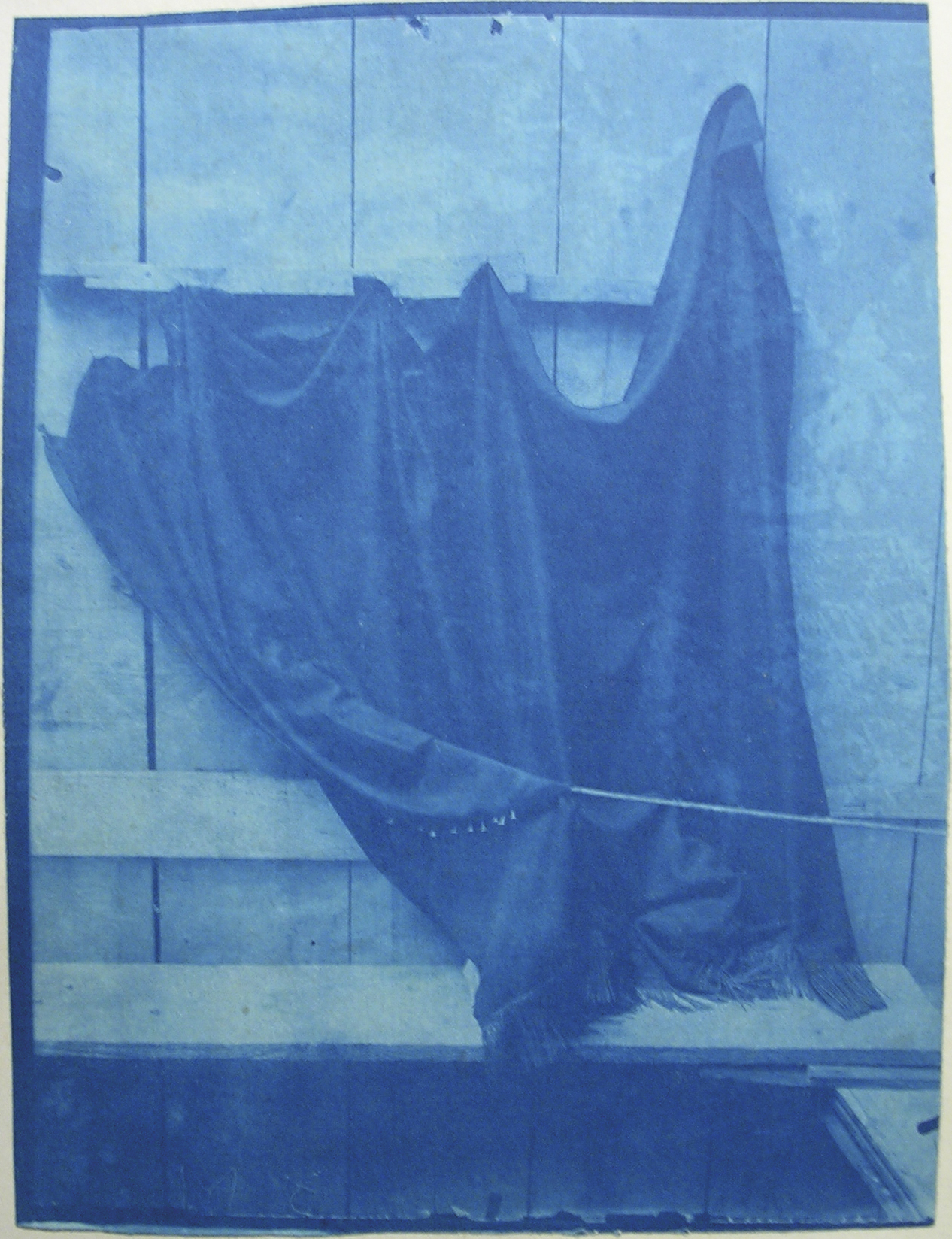
The English scientist and astronomer Sir John Herschel discovered the cyanotype photographic technique in 1842. The process involves applying a photosensitive solution of potassium ferricyanide and ferric ammonium citrate to a surface such as paper or cloth. A positive image can then be produced by placing a negative (often semi-transparent paper) or objects on the coated surface and exposing it to UV light to create contact prints. These prints are distinguished by their Prussian blue color and durability.Other materials, such as Gold, Silver, Platinum were also used to produce prints of distinctive color.
Alphonse Poitevin was an important inventor in early photographic processes in France. Shortly after discovering the cyanotype process, Herschel introduced it to a British botanist called Anna Atkins who produced a series of cyanotype photograms documenting ferns and other plant life. She is sometimes referred to as the first known female photographer due to this work.
While photographic processes have their own unique history and development, the techniques of photographic image composition have much in common with painting, particularly landscape studies and still life pieces¹ . Elements of the visual languages of perspective and framing are shared across art forms but the darkroom processes of retouching, contact printing, exposure and the fixing of prints are specific to photography.
The cyanotype process is chemically simple and limited in terms of the color, with some variations possible with the use of different sorts of paper, cloth or plates. Like all analogue photography the cyanotype process requires patience and experimentation, as the exposure time traditionally depends on the intensity of sunlight. With today’s technology it’s possible to have more control over the cyanotype process by using a UV-lamp.
Further developments in the cyanotype process allowed rapid and accurate production of copies. This made the cyanotype process useful to engineers and architects – the distinctive white lines on a blue background leading to the term ‘blueprint’ that is still in use today.
¹ Lit: Malin Hylén, Cyanotypes – A New Look at an Old Technique, Central Saint Martin, London 2000


All artwork is available for purchase.
We cannot guarantee the items will still be available upon request.
For further information please send an email to: contact@danielblau.com
Other Diversions
Albert Camus - Die Pest Tate Modern UK - Andy Warhol Vatikan Rom - Virtual Tours Louvre Paris - Virtual Tours The Shakespeare Globe Trust Sydney Opera House Münchener Kammerspiele Andrea Bocelli: Music for Hope - Live from Duomo di Milano
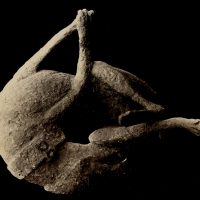
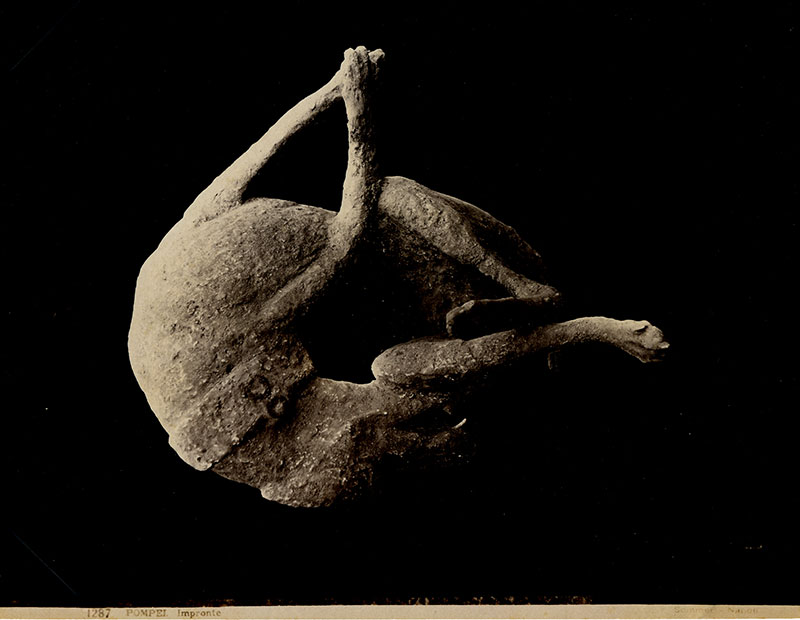
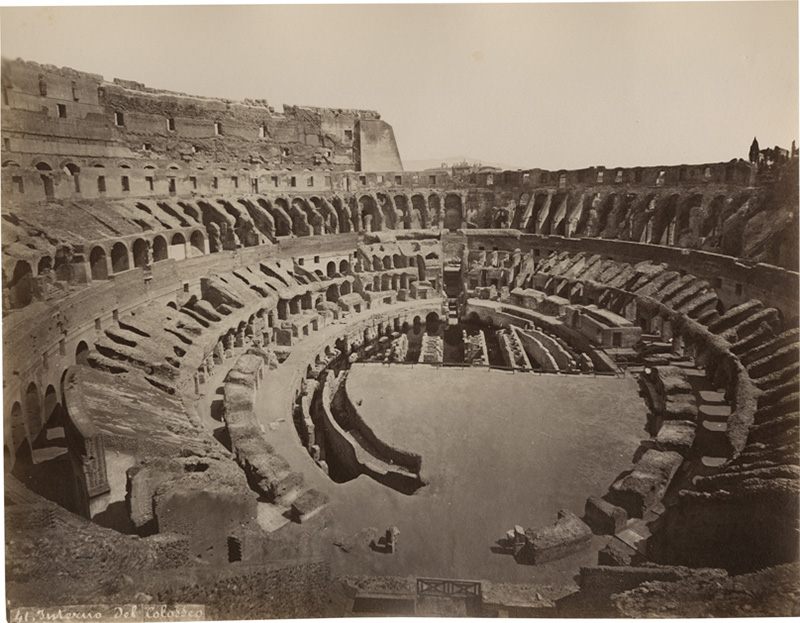
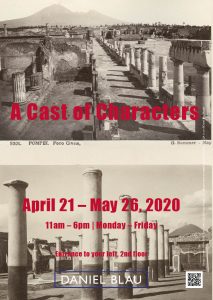
Giorgio Sommer – A Cast of Characters
Giorgio Sommer, one of the few German photographers widley known in Italy, studied business before moving to Rome to start a successful career in photography with Edmondo Behles. Sommer moved then to Naples and within a short time, had opened four studios. He was fascinated by Vesuvius and photographed the eruption of 1872 as well as the remains of the victims of the 79AD eruption.
Exhibition:
April 21 – May 26, 2020 !! Extended til June 2nd, 2020 !!
11am – 6pm | mon – fri
Maximilianstraße 26, 80539 München

“It is not the camera but the skill of the operator that produces a realistic-looking photograph”
Retouching in Photography
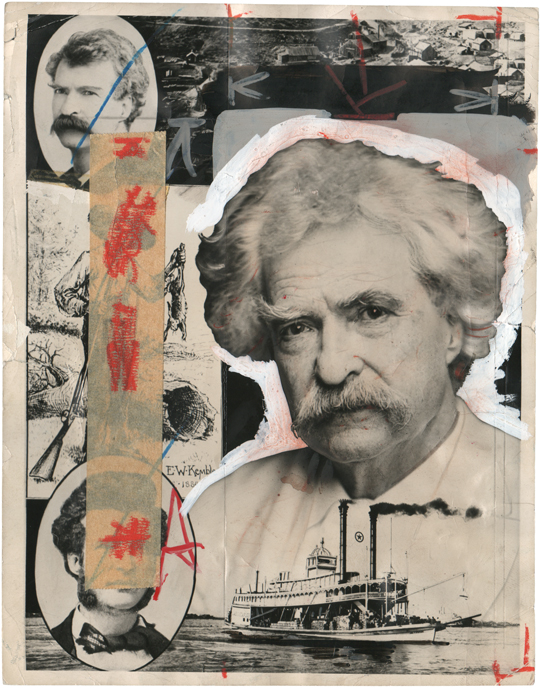
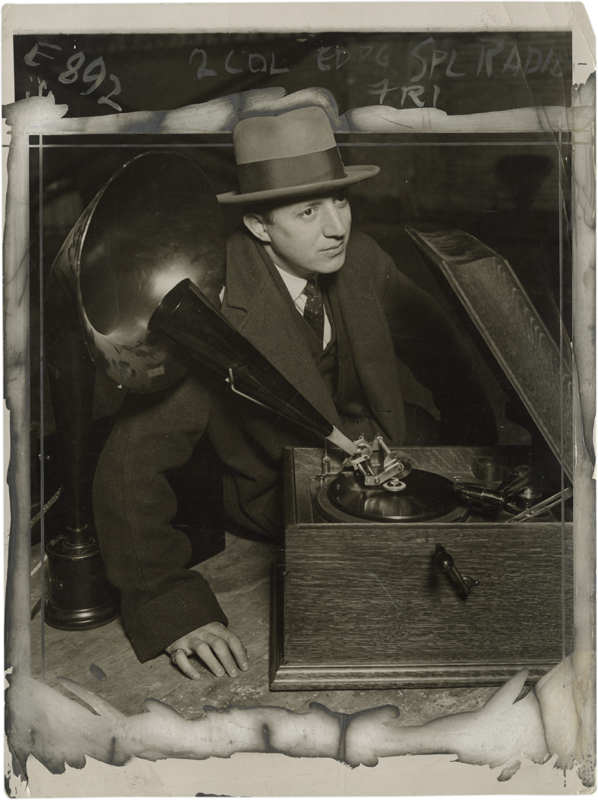
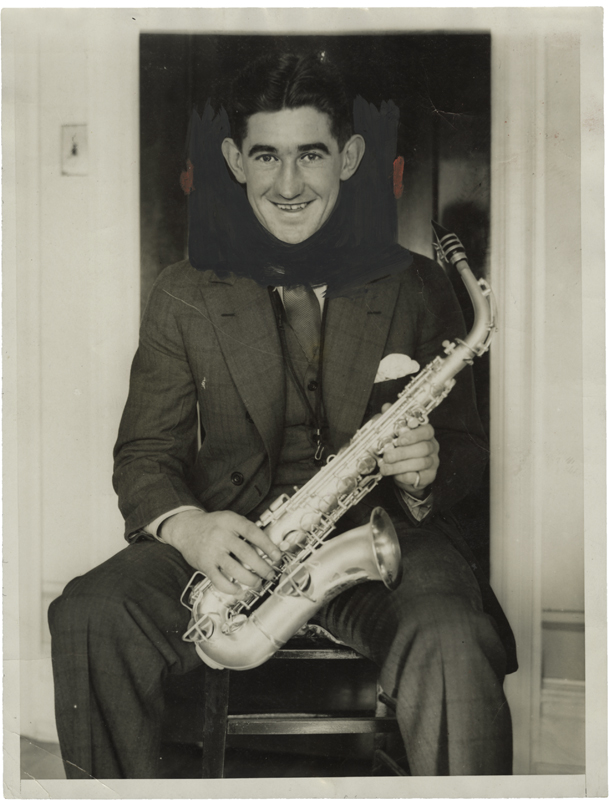
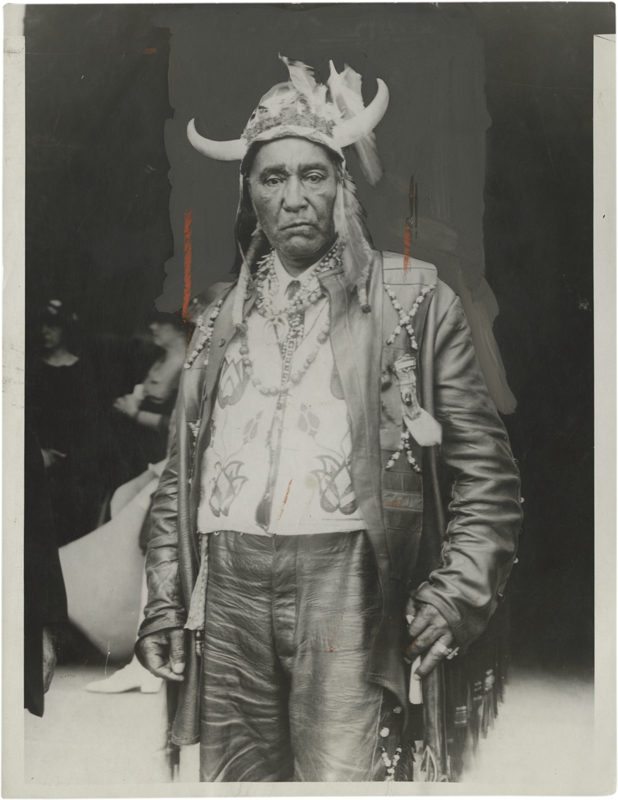
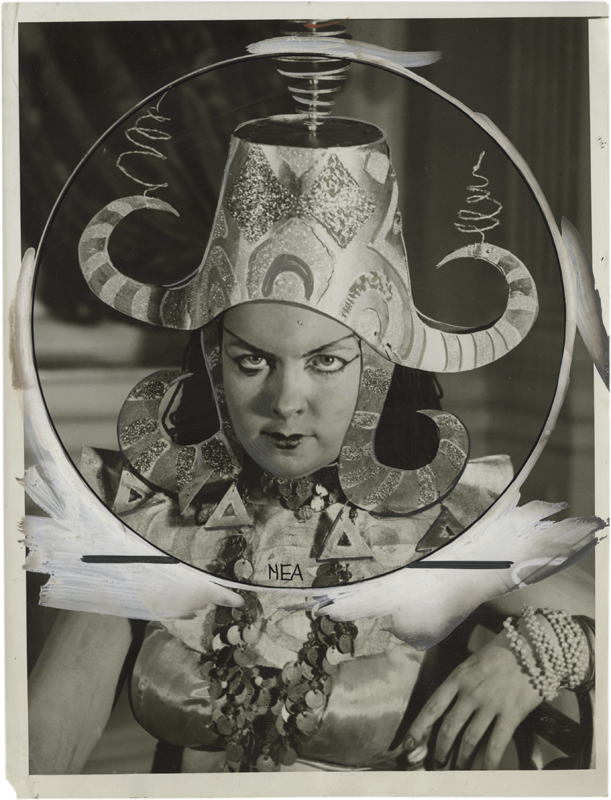
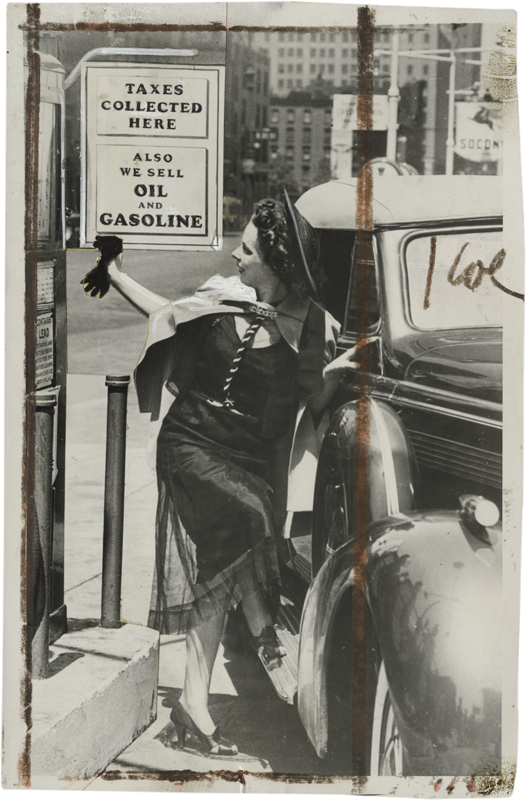
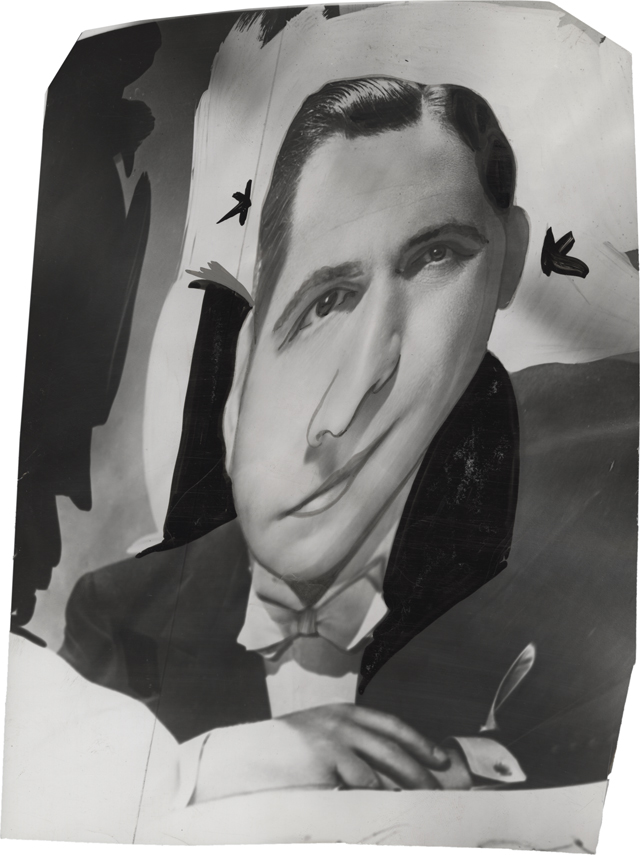
Photographs have been retouched ever since the early days of photography in the 19th century. Over the years, analogue photographers have deployed many darkroom and desk-based techniques as a means of enhancing and manipulating their images. Manual retouching practices include dodging and burning, scratching, airbrushing and marking negatives and prints.
These tangible processes are often visible on vintage press prints, where the skilful hands of photographers and specialist retouchers made notes, painted crop marks and highlighted areas to be reproduced, edited or omitted from the final published images.These highly detailed traces of the creative process are an integral part of analogue photographic history, and are the precursors of many of the digital retouching techniques in common use today.This article presents a short and inevitably incomplete overview of techniques commonly used to modify a photograph during the postproduction process.
Photography has always presented challenges, requiring knowledge of chemical processes, ideal lighting and staging conditions, and the presentation of the final photo in a suitable environment.Essays from the early days of photography in the mid 19th century focus on the question of whether a photograph can ever claim to be a true likeness of reality. The material limitations of lenses and plates often lead to areas of greater darkness or brightness in the image.{1}
Additionally, the framing of the photograph is contingent on the photographer’s intention and decision-making. The image is by its very nature selective.If a photo needed modifications in the mid 19th century it called for manual interventions such as applying powdered pigment, oil paint, watercolour, crayon or pastel. These retouched prints could even easily be mistaken for paintings.{2} This is understandable given the photographers’ backgrounds – French and British photographers around 1850 “were initially trained as painters, draftsmen, or lithographers”.{3}
Photographers such as Louis Daguerre had a scientific background and applied this to discovering new methods of printing and of modifying the plate or the negative directly to get a pleasant result.{4} Early modifications were generally done either to please the portrayed sitter or to compensate for the lack of colour in early black and white photography.{5}
The introduction in the early 1870s of gelatin dry-plate negatives, which could be extensively reworked with soft lead pencils, led to a dramatic increase in the the demand for skilled studio retouchers. {6}Retouching skills continued to be highly valued by both amateurs and professionals in the 20th century.
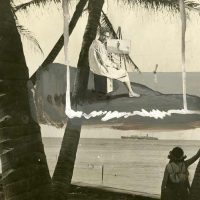
Photomontage techniques involve making a composite photograph by cutting, gluing and collaging two or more photographs into a new image. Sometimes this new image is photographed to produce a final image.
Photomontage has sometimes been applied as a means of creating false images. Such manipulated photographs can be used politically : “The temptation to ‘rectify’ photographic documents has proved irresistible to modern demagogues of all stripes, from Adolf Hitler to Mao Zedong to Joseph McCarthy.”{7}
In the 1950s and 1960s NY crime photographer Weegee refined some of his pictures to caricatures, apart from some advantageous retouches every now and then on his pictures sent to ACME.{8}
The next big step in the history of photography has been achieved by the advent of digital technologies. Now the previously manual processes of retouching are often done on a screen, using a tool named Photoshop.
[1] In an article titled “Photography and Authority”, published in 1864 in the inaugural volume of the Philadelphia Photographer, the Reverend H.J. Morton attributed to the medium a kind of clear-sighted, divine omniscience. The camera, he maintained, “sees everything, and it represents just what it sees. It has an eye that cannot be deceived, and a fidelity that cannot be corrupted“ (in Fineman, footnote 20, H.J. Morton “Photography as an Authority” in: The Philadelphia Photographer 1, no 12, Dec1864, p. 180 [2] Mia Fineman, Faking it. Manipulated Photography before Photoshop, 2012 Metropolitain Museum NY, p. 9 [3] Fineman, p. 45 [4] The optimal solution was to print a landscape from two negatives, one exposed for the land, the other for the sky.(..) At a time when the camera exposures often lasted for several seconds, viewers were amazed by Le Gray’s ability to freeze the motion of breaking waves, and the perfectly backlit clouds drifting above reinforced the feeling of instantaneity. That the clouds and the waves were printed from two separate negatives remained the artist’s secret during lifetime. Fineman, p. 47f. [5] The desire for greater optical realism has by no means been the only motivation for manipulating photographic images. Fineman, p. 15 [6] Fineman, p. 63 [7] Fineman, p. 91 [8] Eg “Draft Johnson for President”, c. 1968



All artwork is available for purchase.
We cannot guarantee the items will still be available upon request.
For further information please send an email to: contact@danielblau.com
Other Diversions
Robert Flaherty - Nanook of the North (1922) Staatsoper TV: Oper und Ballett im kostenlosen Live-Stream Royal Opera House The Metropolitan Opera - Nightly Opera Streams Kosmos Heartfield Musee Unterlinden Kunstsammlungen Chemnitz British Museum - African Rock Art Courthard Institute of Art Robert Flaherty - Moana 1926 F.W. Murnau - Tabu: A story of the South Sea, 1931

Foreverglades by Sofia Valiente
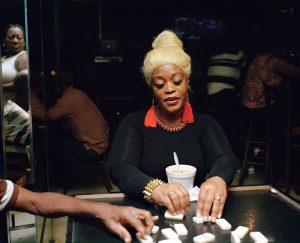
Daniel Blau is thrilled to present Foreverglades – a major new project by interdisciplinary artist Sofia Valiente. The exhibition brings stories of the Glades and Florida’s pioneer history to new light through a series of contemporary photographs displayed inside a 41-foot replica of a steamboat and published in a unique photo book.
Valiente’s artistic work is driven and distinguished by lengthy periods of rigorous field research that involve her living within the communities she photographs. Foreverglades has emerged from a period of five years of personal experience and research in the Glades.
We are delighted to bring Foreverglades to local and international audiences in New York, where it will be on view on Pier 94 during Paris Photo NY.
The book is available through Sofia Valientes website. Click here
Fair Dates:
Paris Photo New York
Pier 94
711 12th Ave, New York City,
NY 10019
(car access from 55th St /12th Ave)
Paris Photo New York officially postponed
A new date will be announced as soon as possible
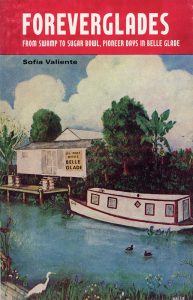
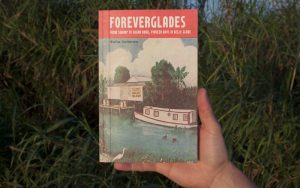
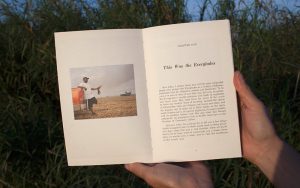
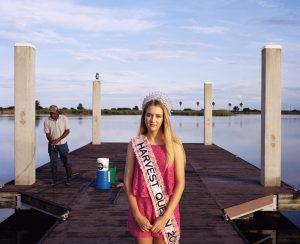
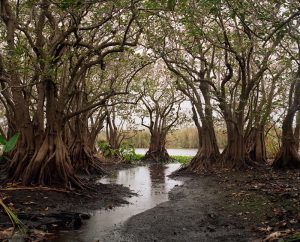
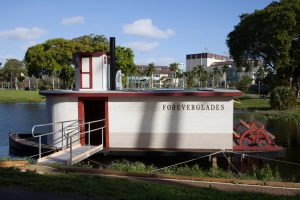
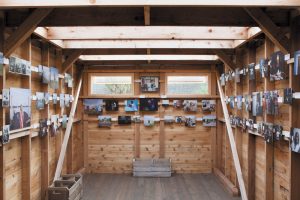
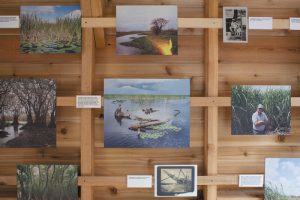
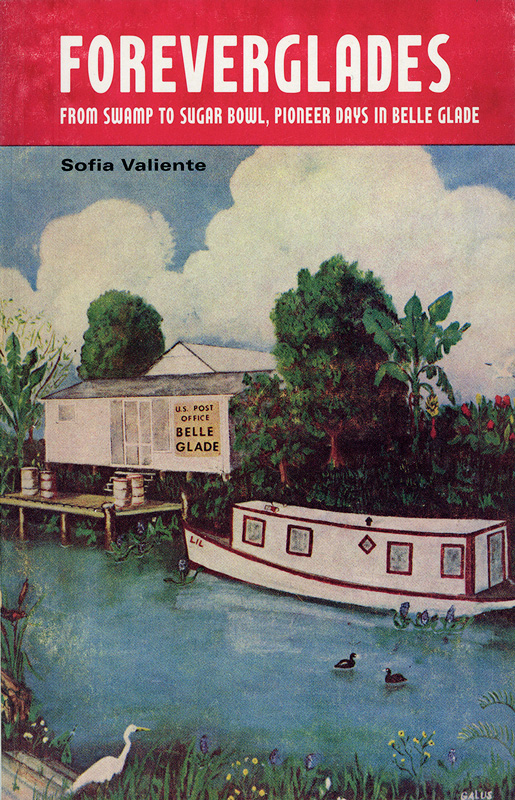
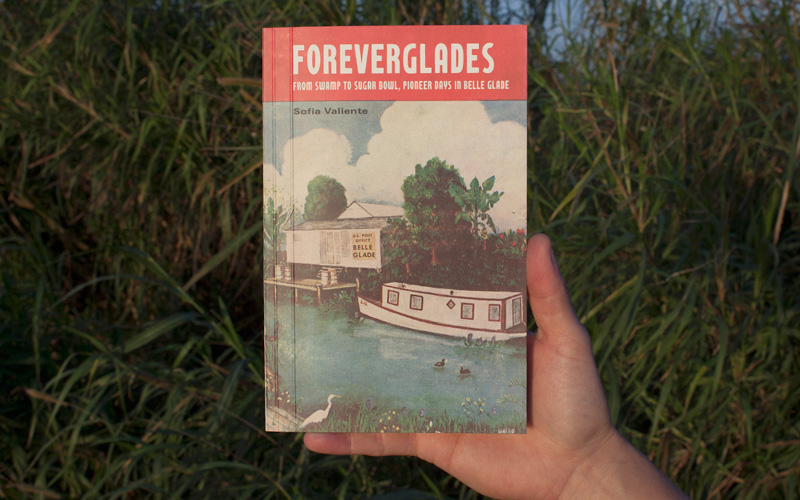
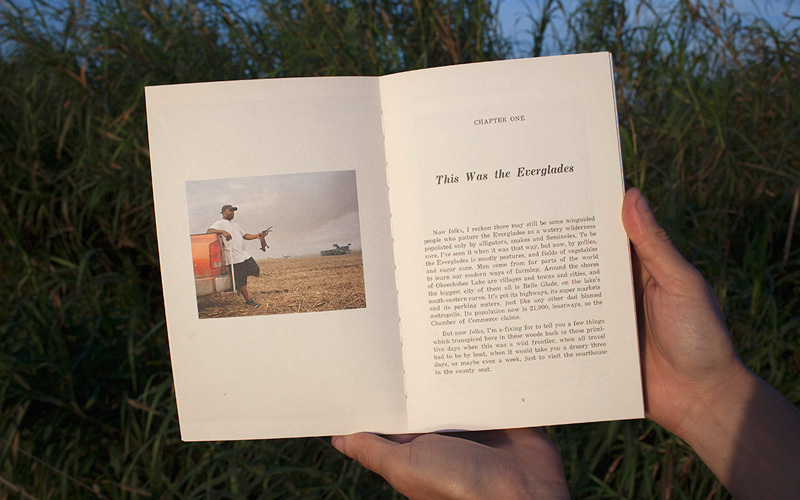
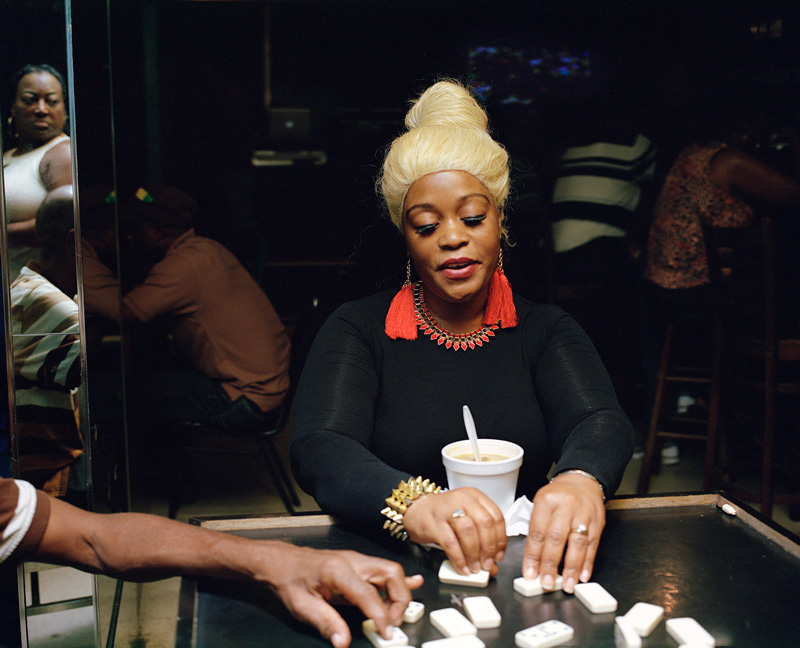
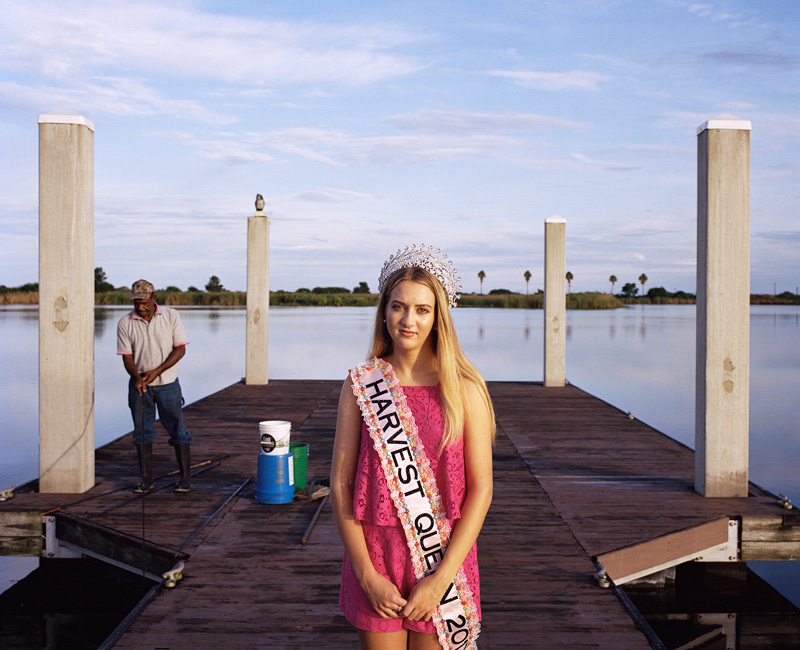
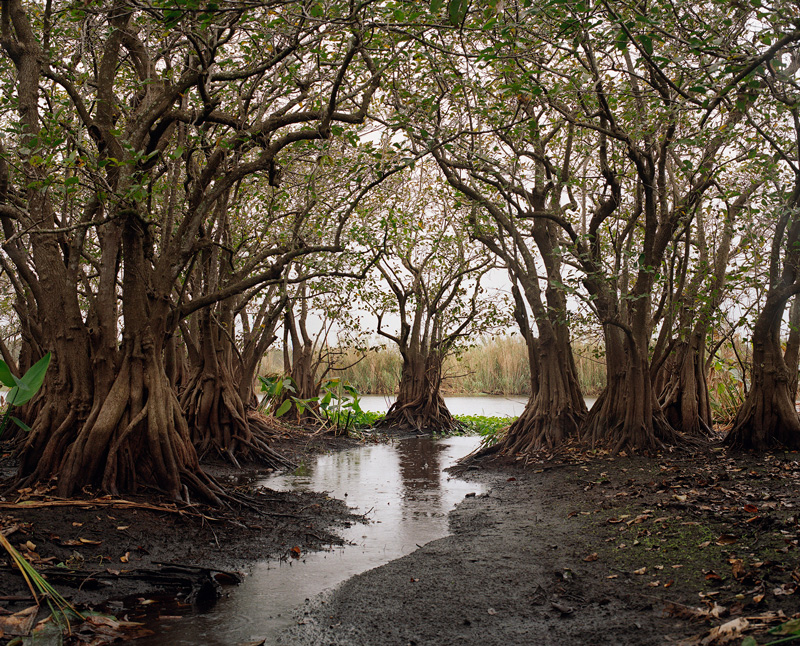
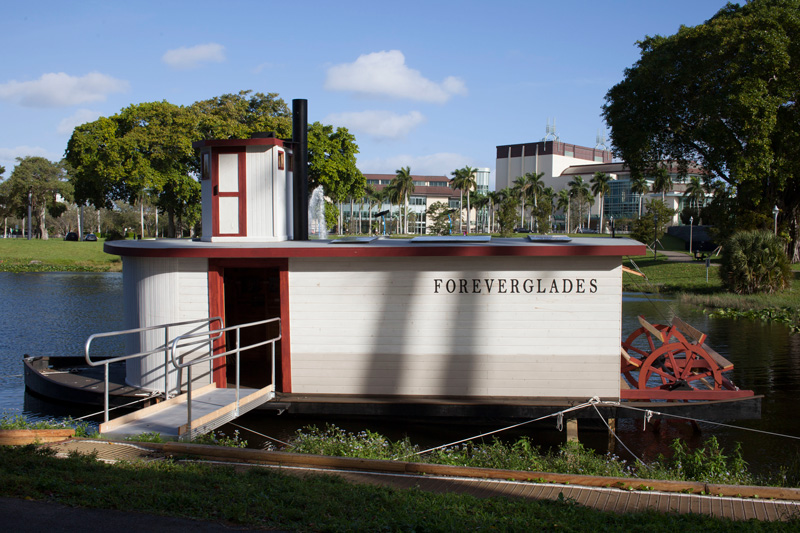
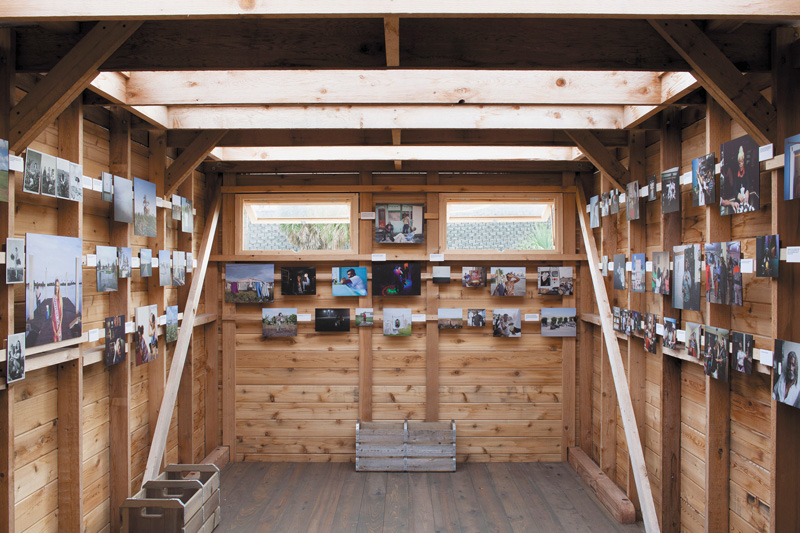

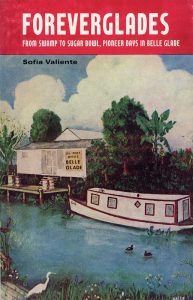
“Foreverglades. Swamp to Sugar Bowl:Pioneer Days in Belle Glade”
 +49 89 29 73 42