



Author: Christiane Wunsch
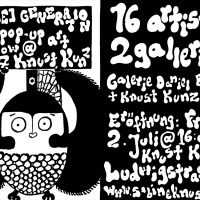
[RE] GENERATION
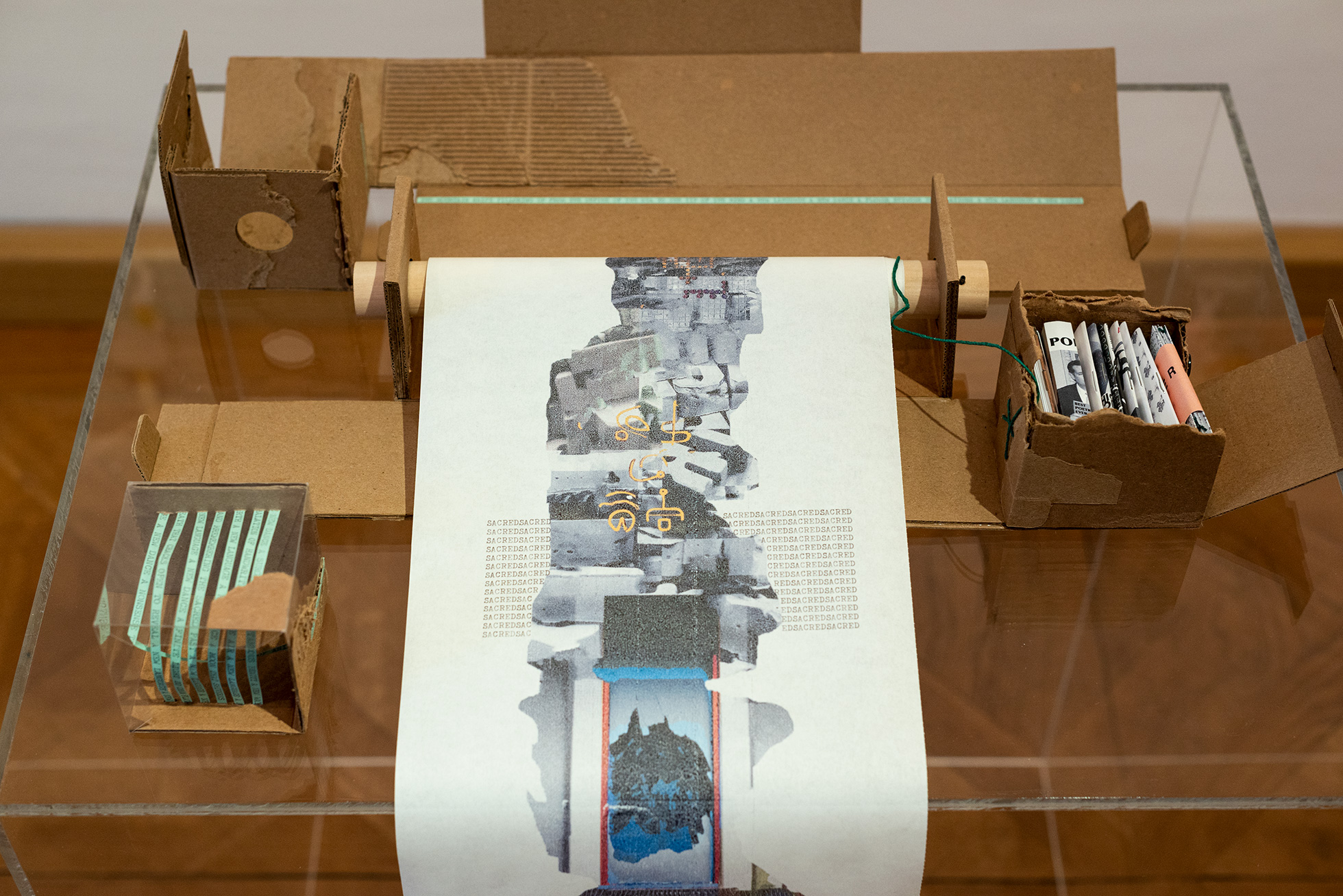
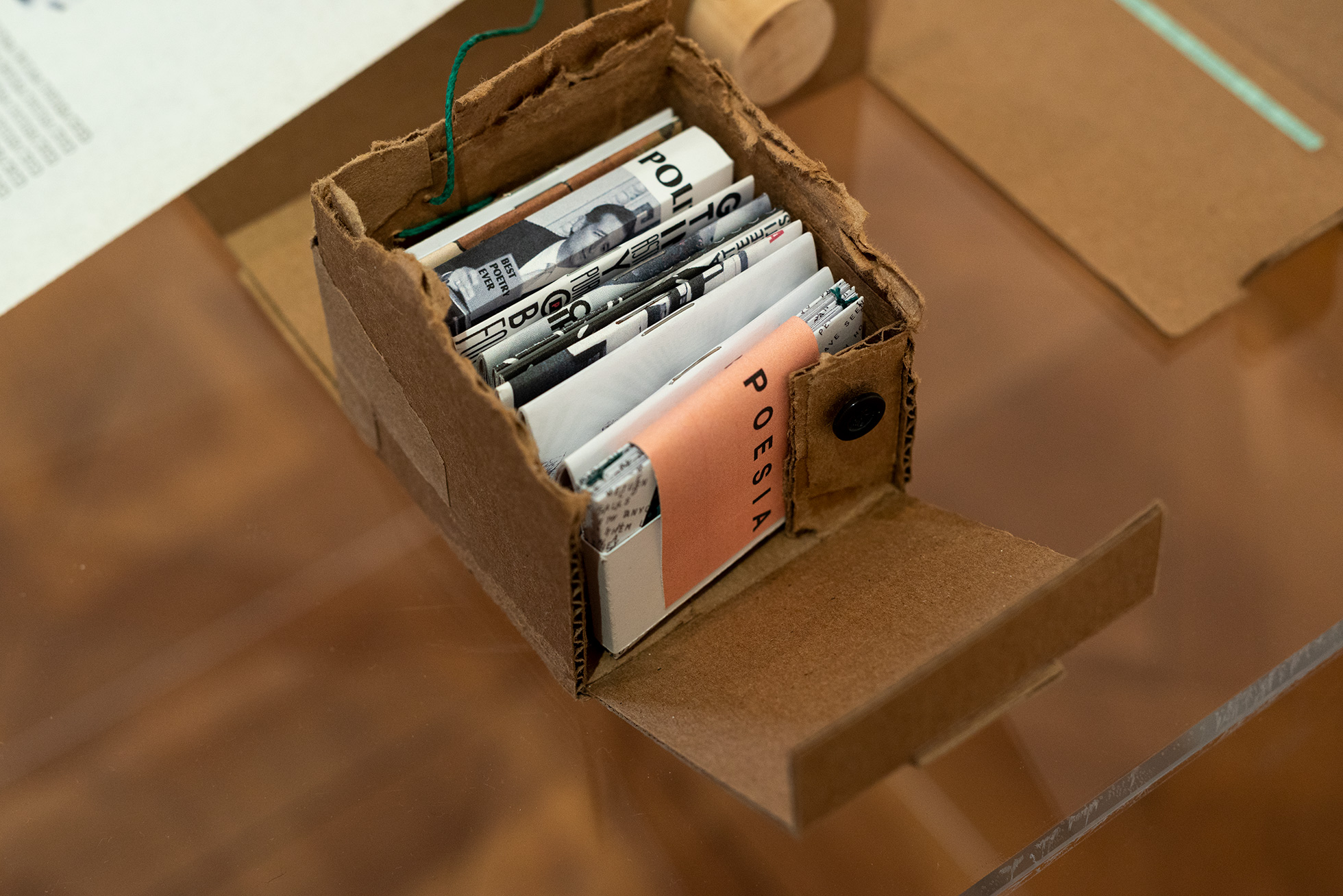
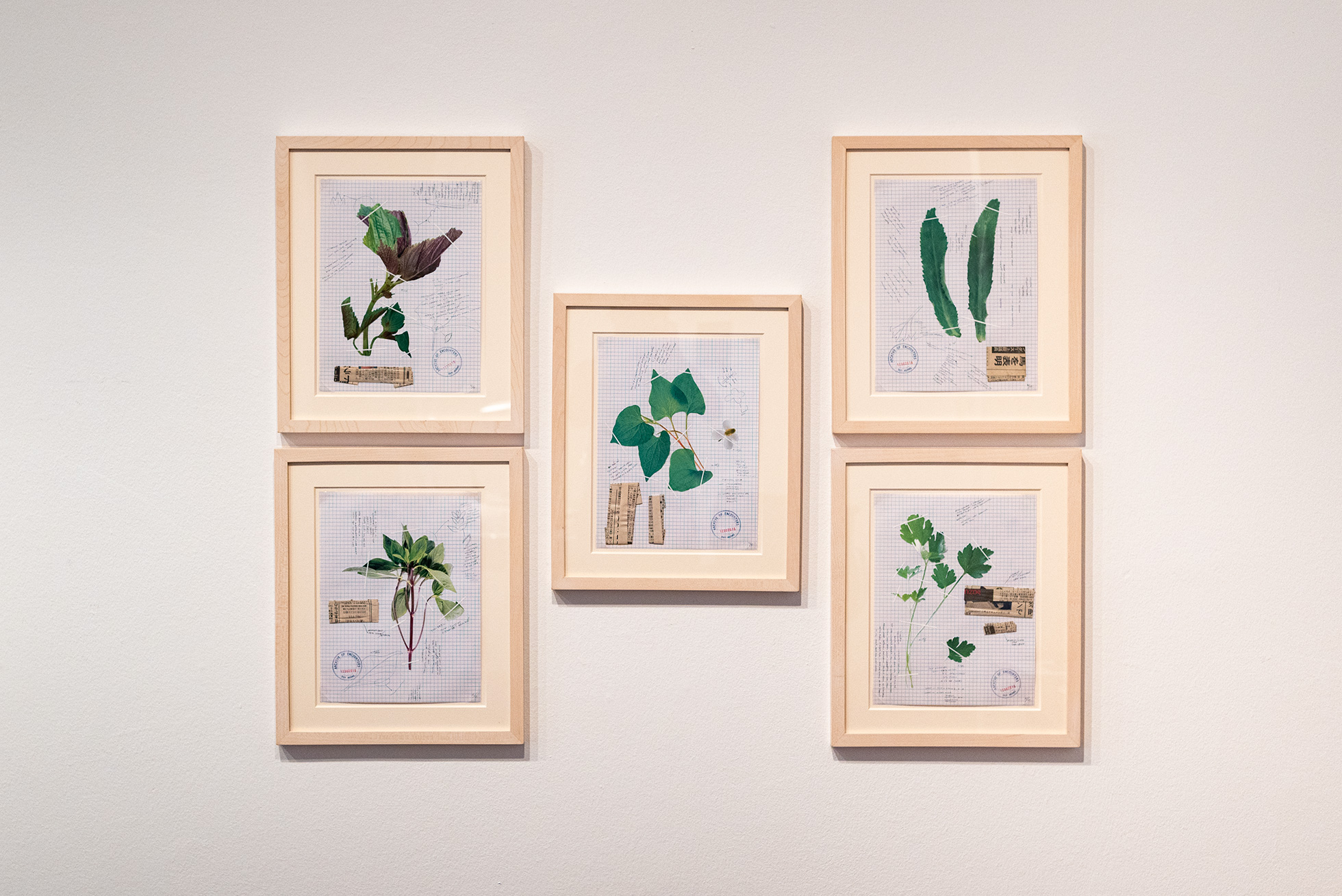
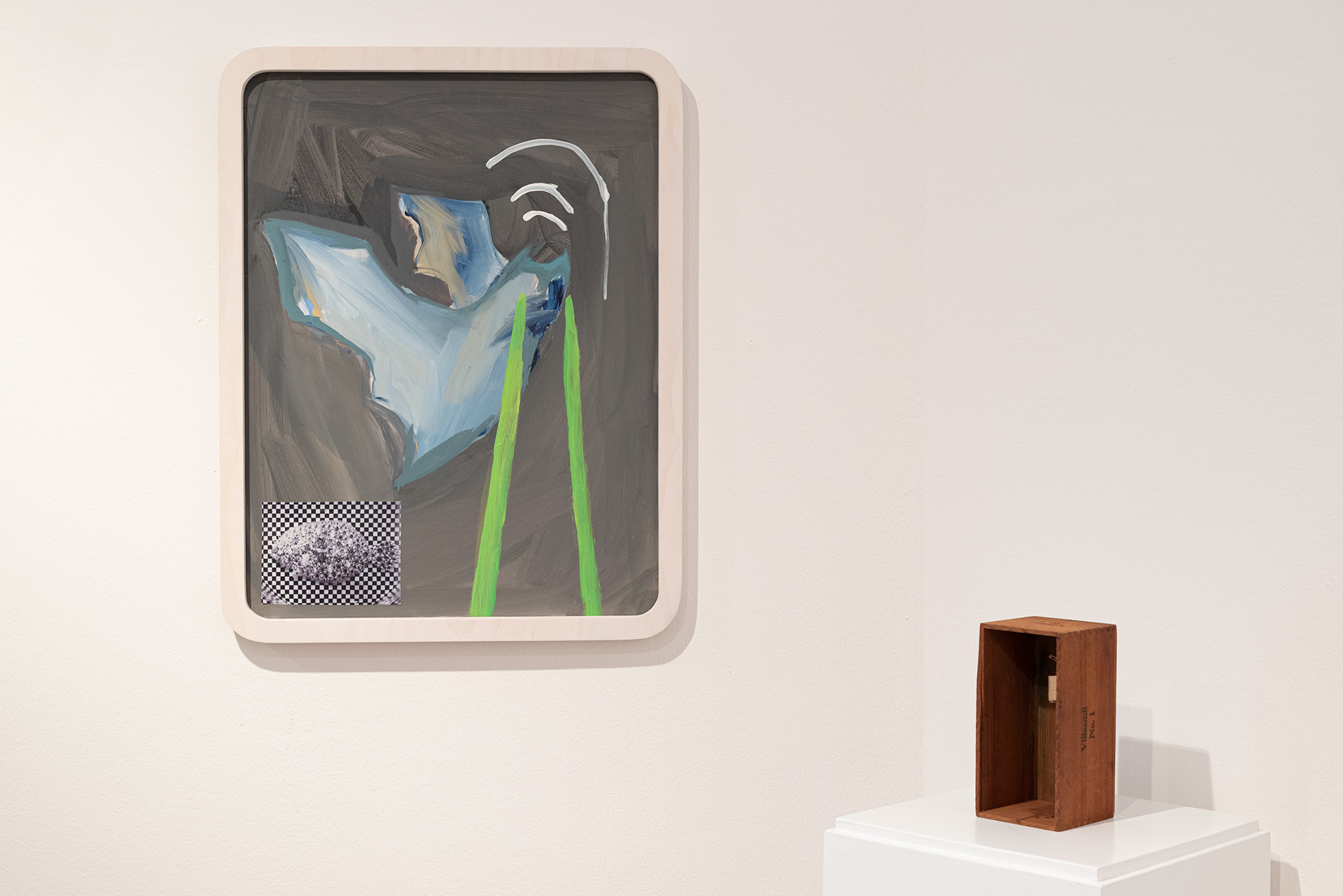
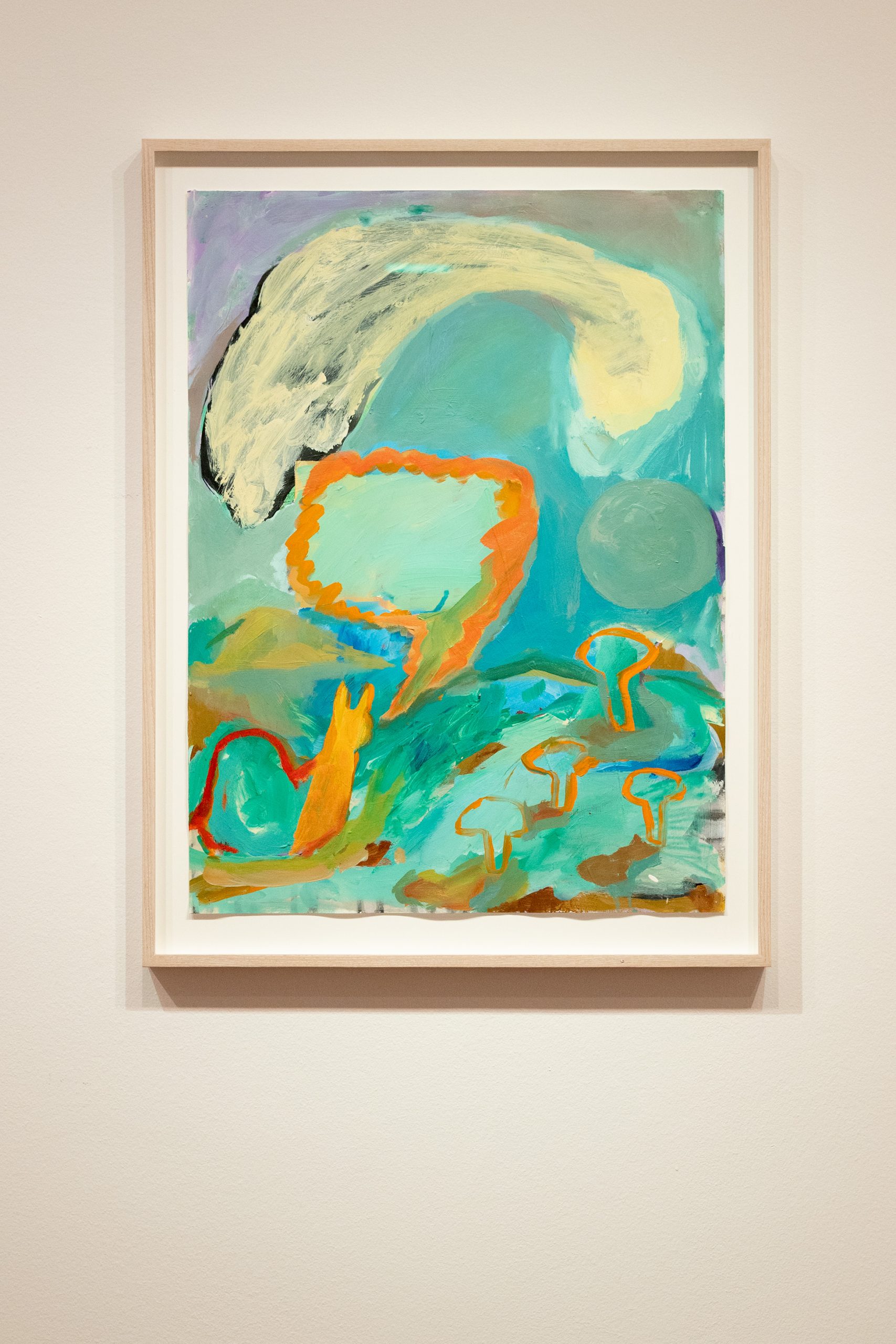
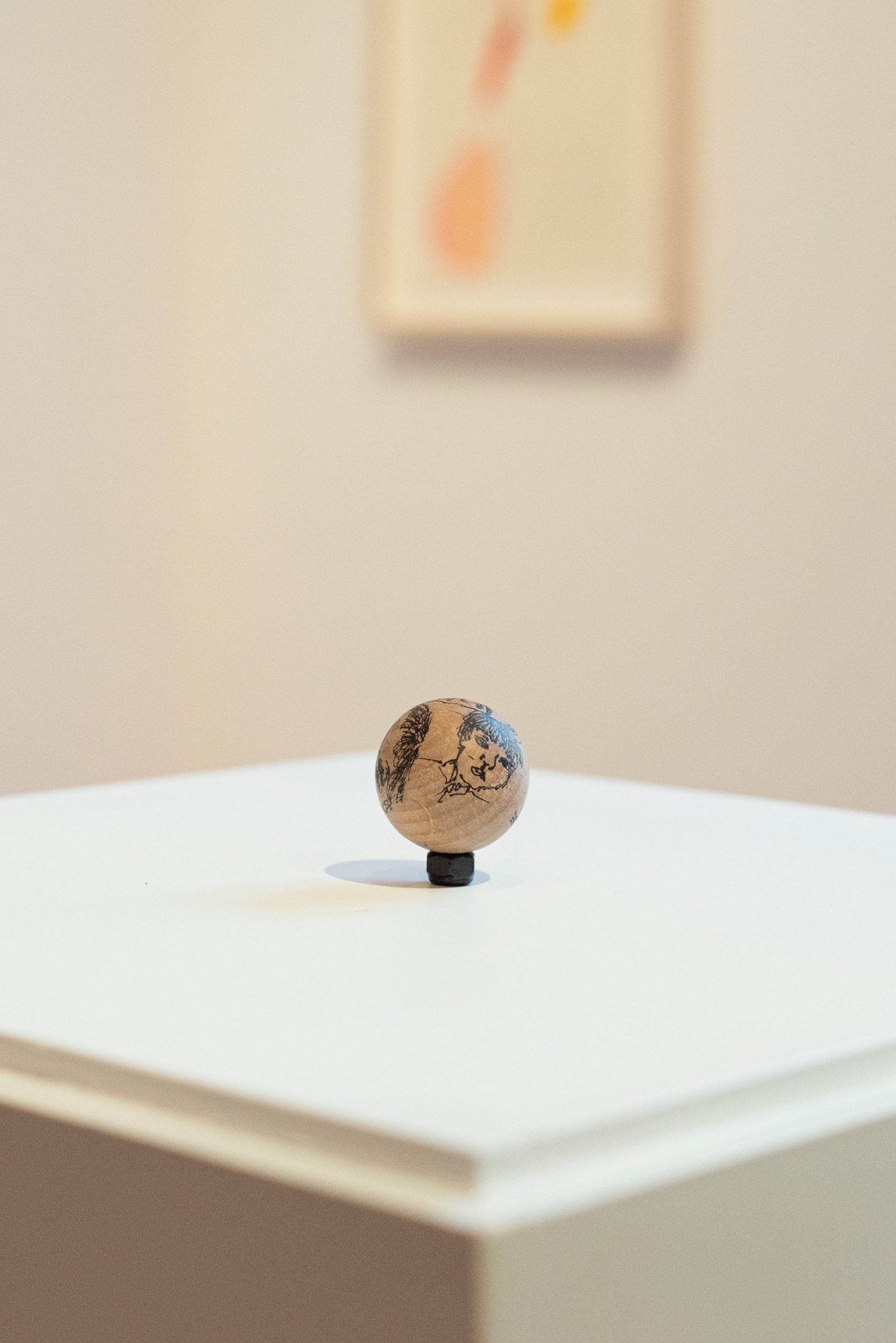
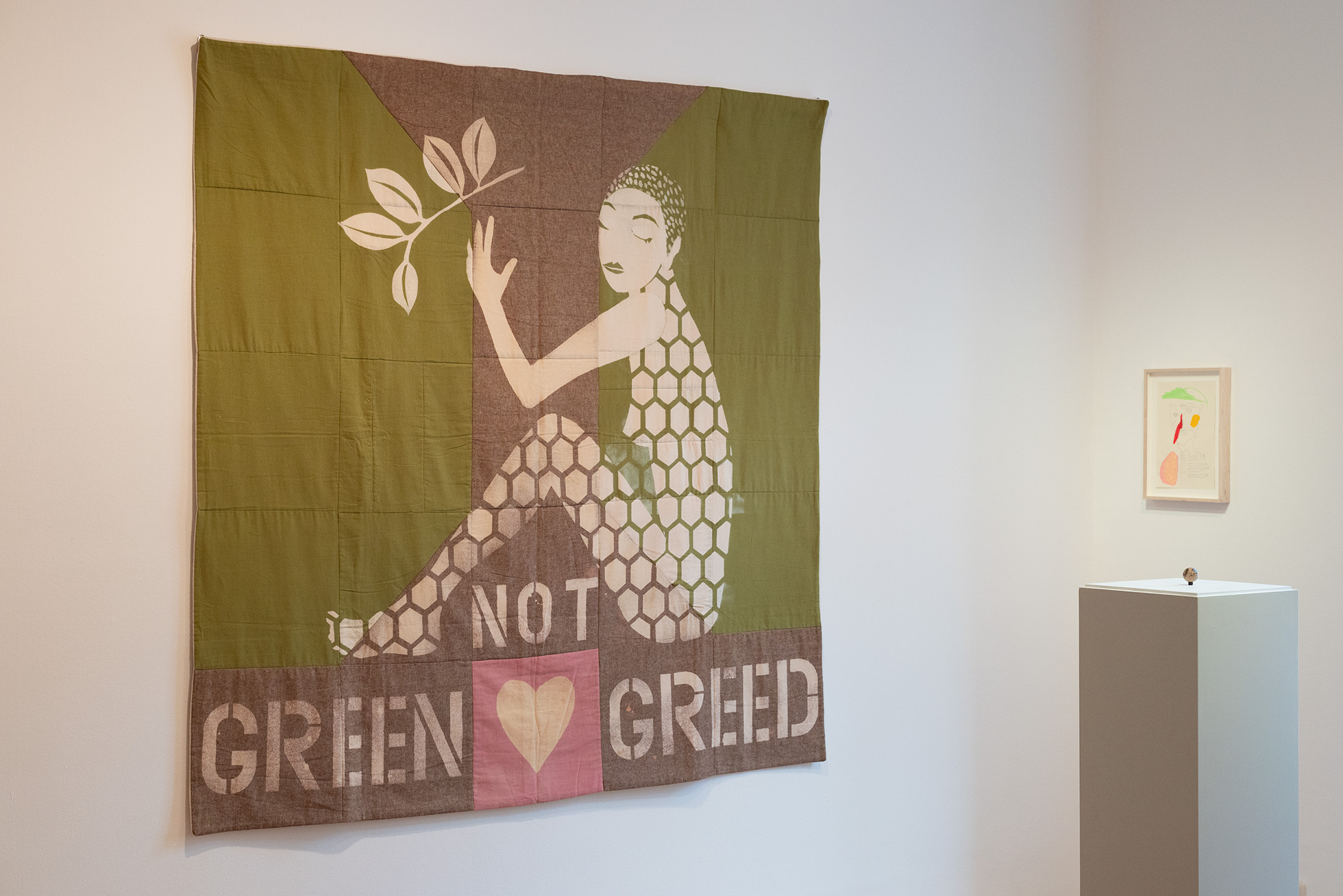
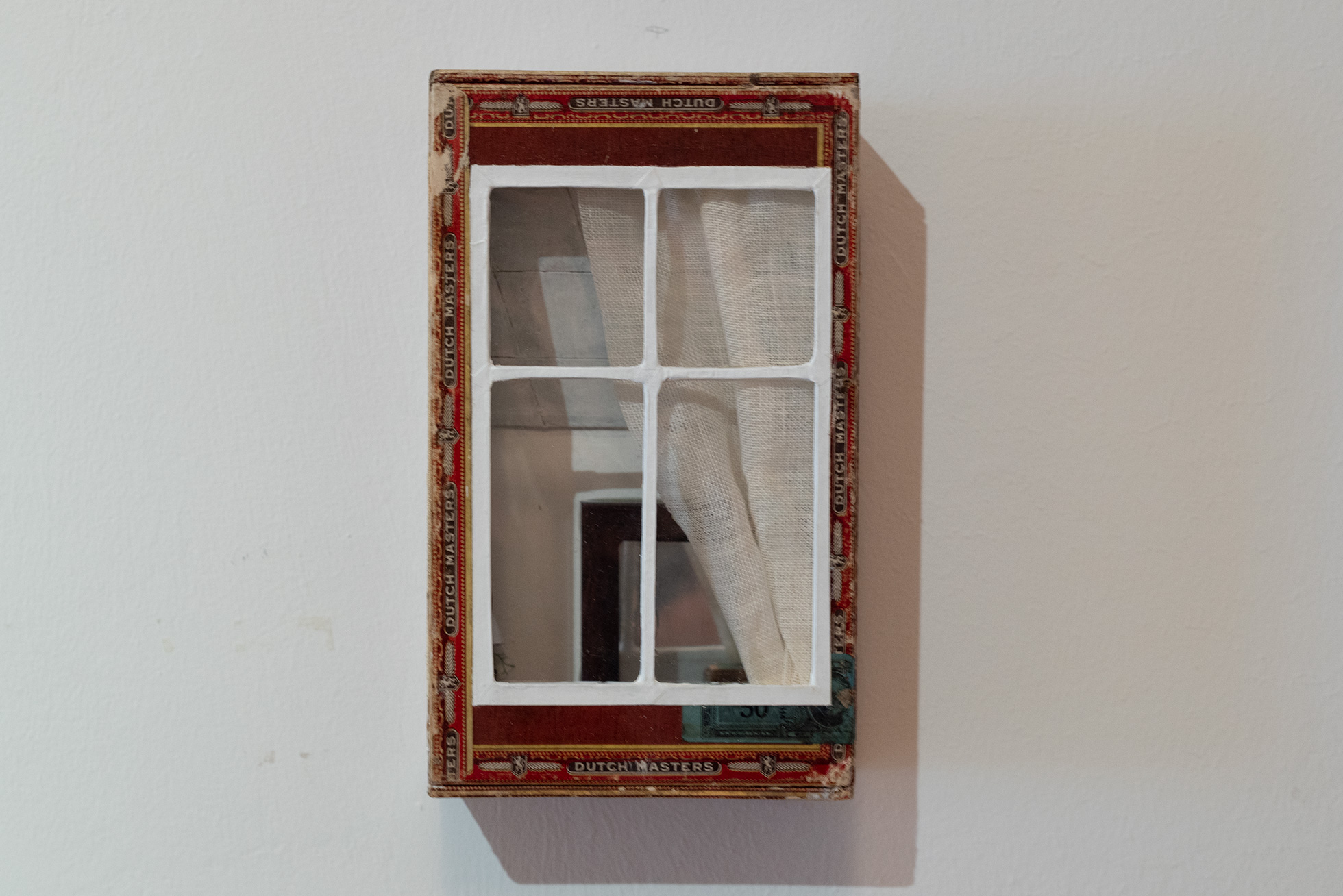
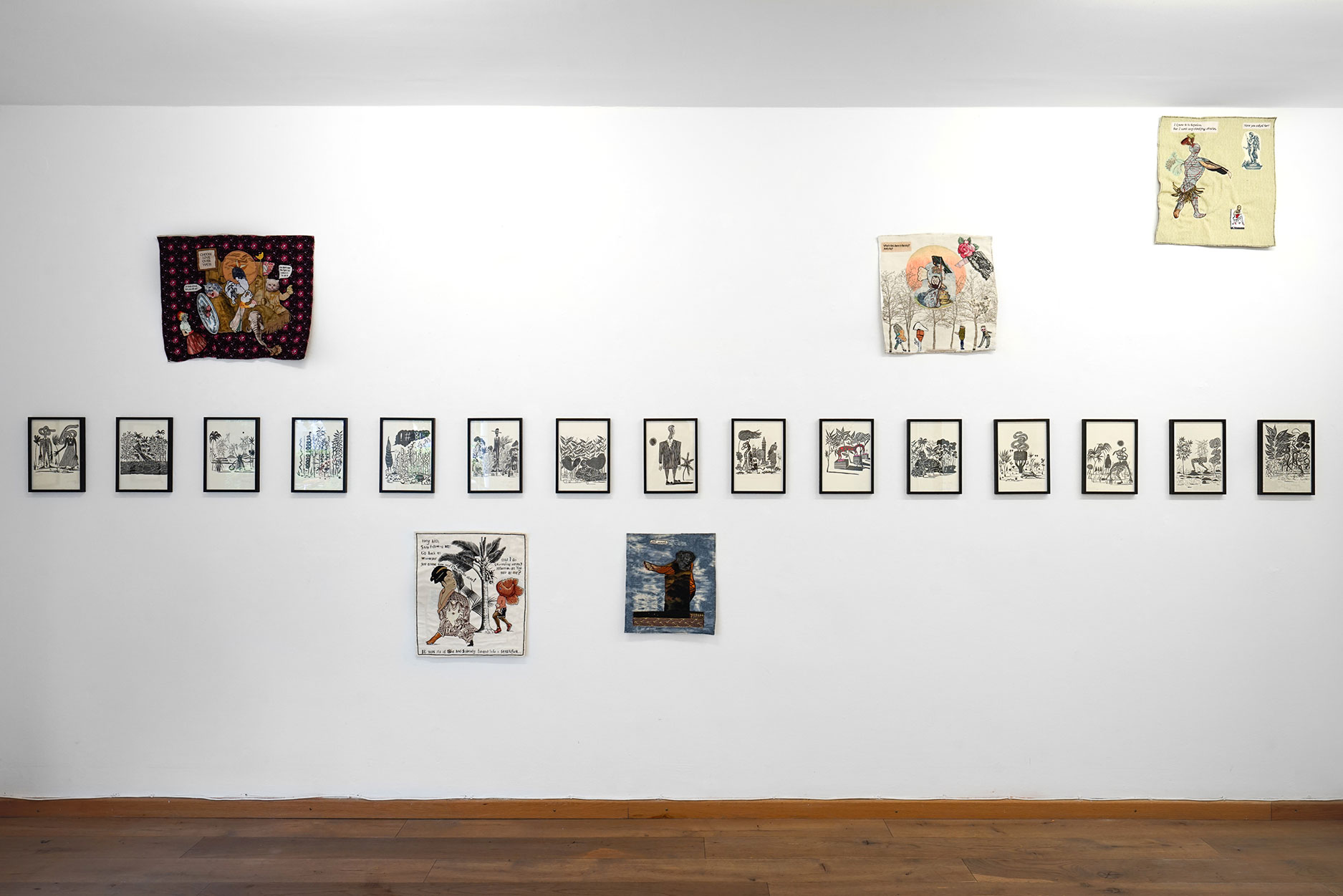
2 Space Pop-up Art Show
Opening July 2nd at 4 pm
at
Knust Kunz
Ludwigstraße 7
80539 Munich
mail@sabineknust.com
www.sabineknust.com
+49 (0) 89 29160703
from July 2nd until July 7, 2021
Daniel Blau
Maximilianstraße 26
80539 Munich
contact@danielblau.com
www.danielblau.com
+49 (0) 89 297342
from July 2nd until July 16, 2021
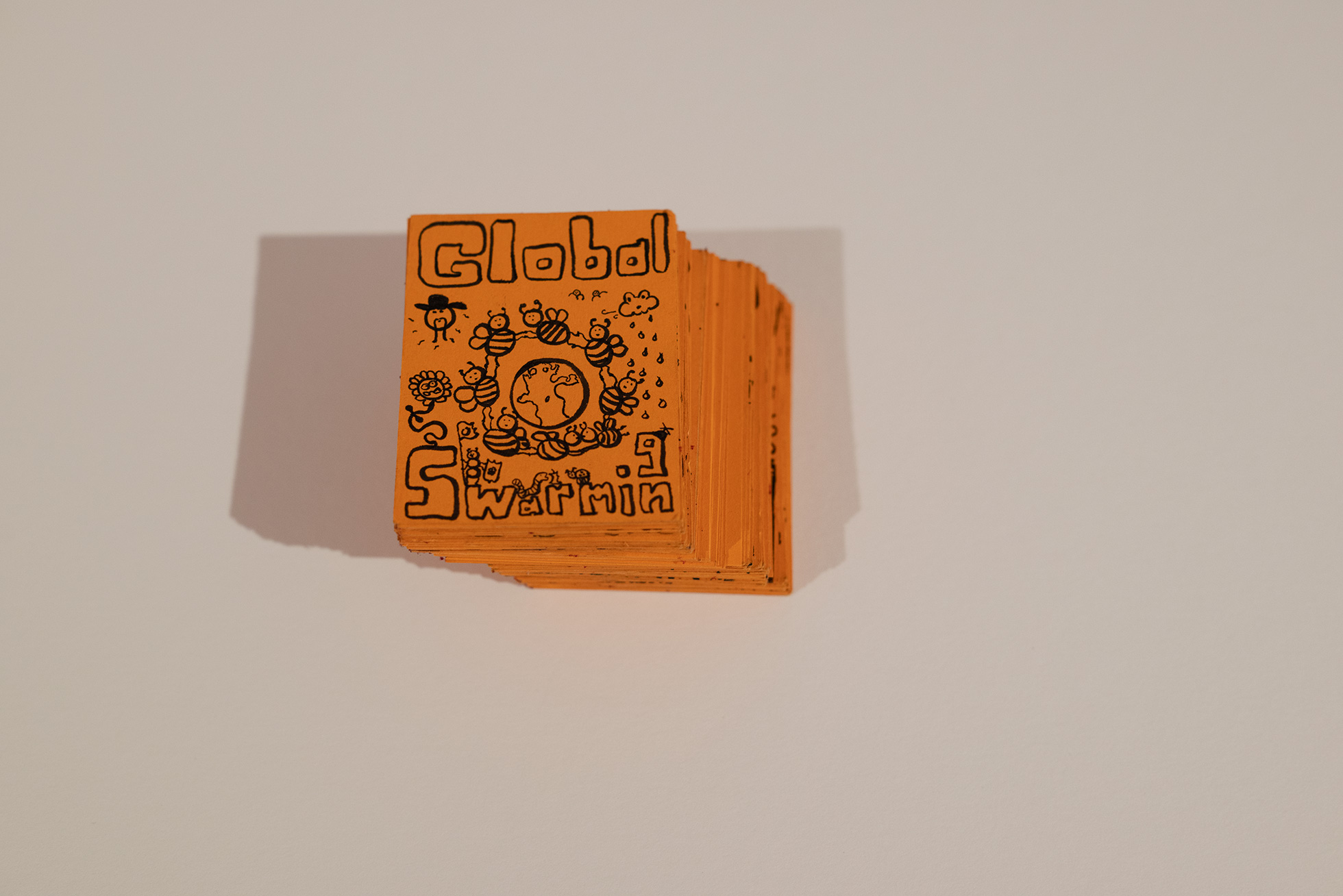
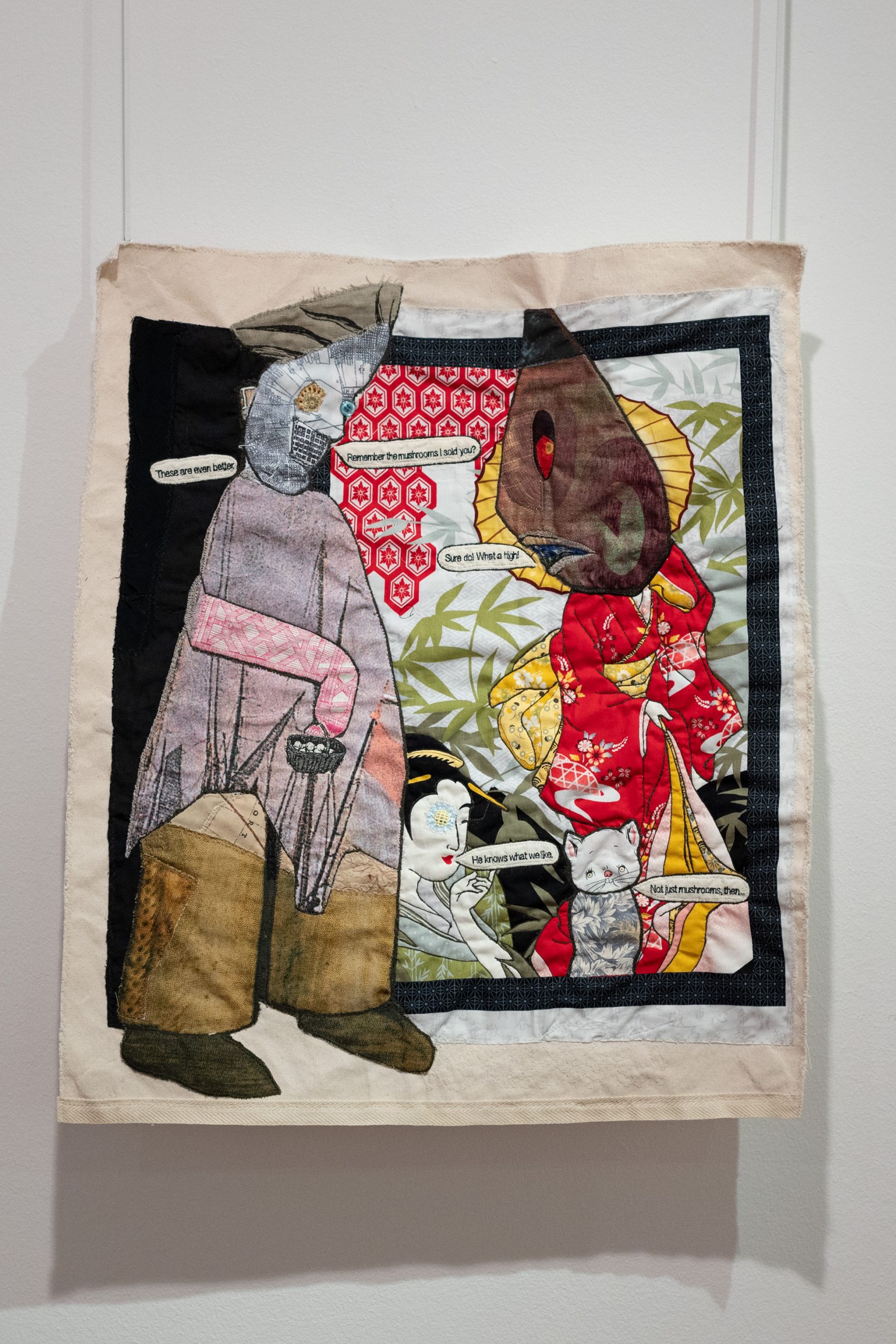
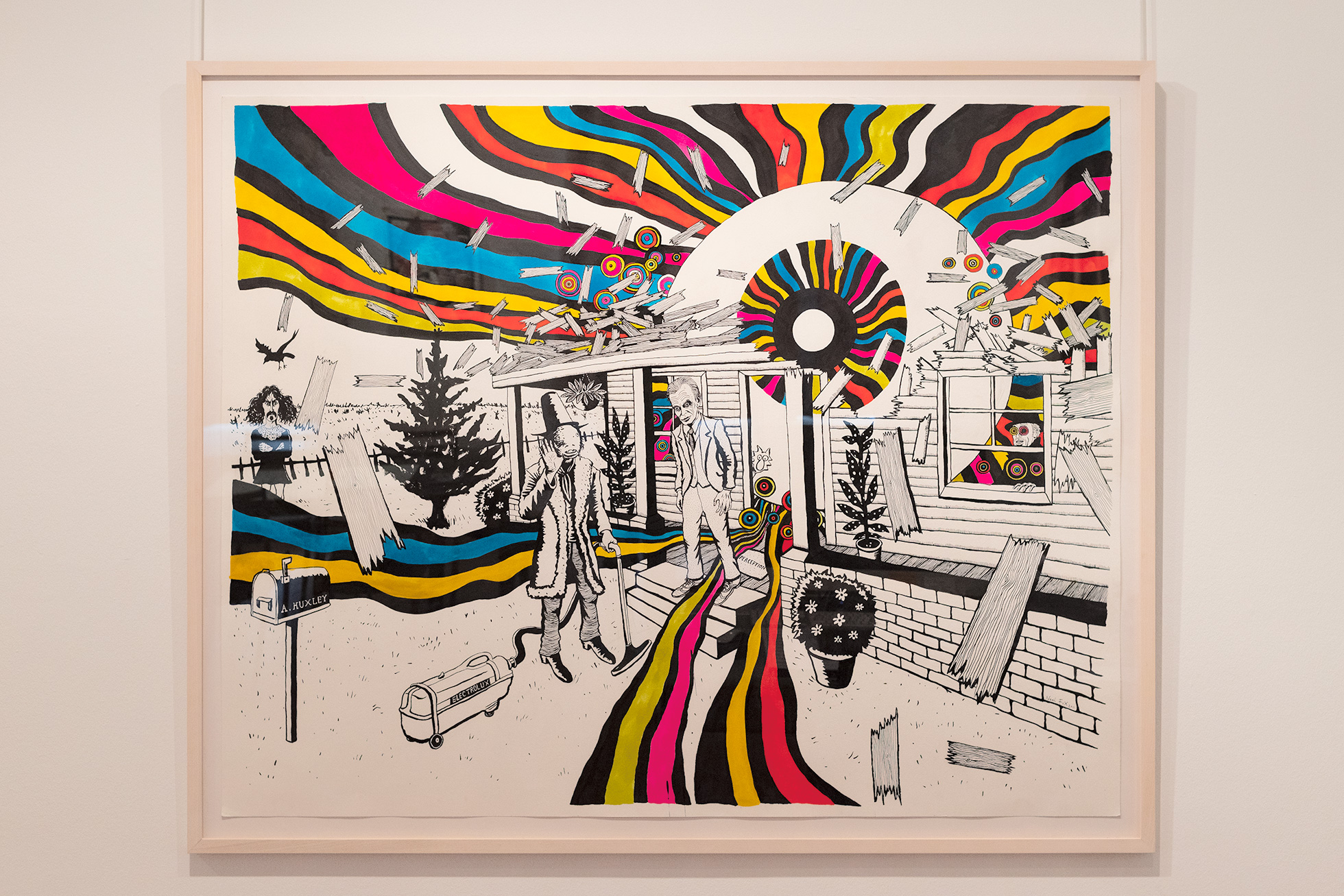
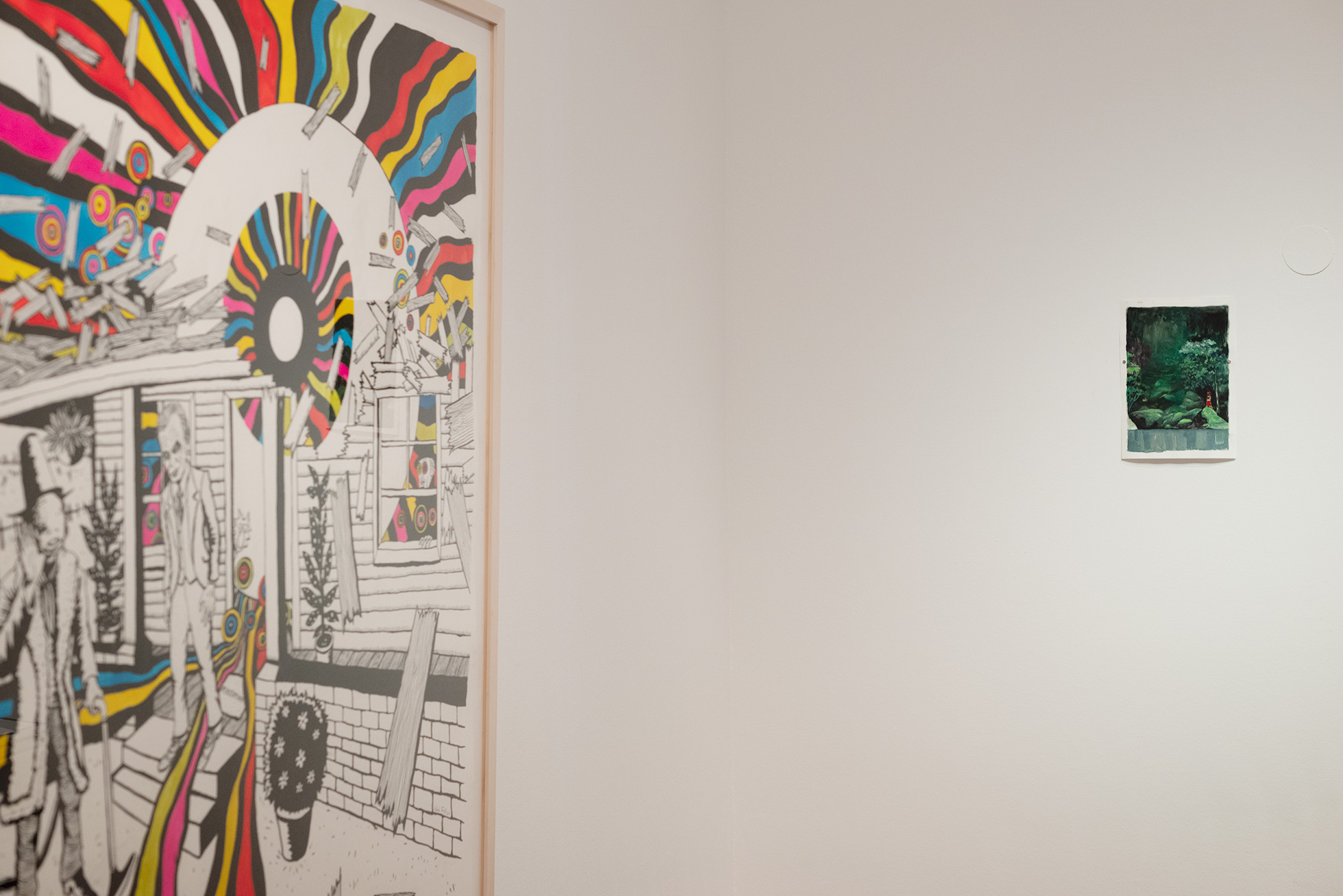
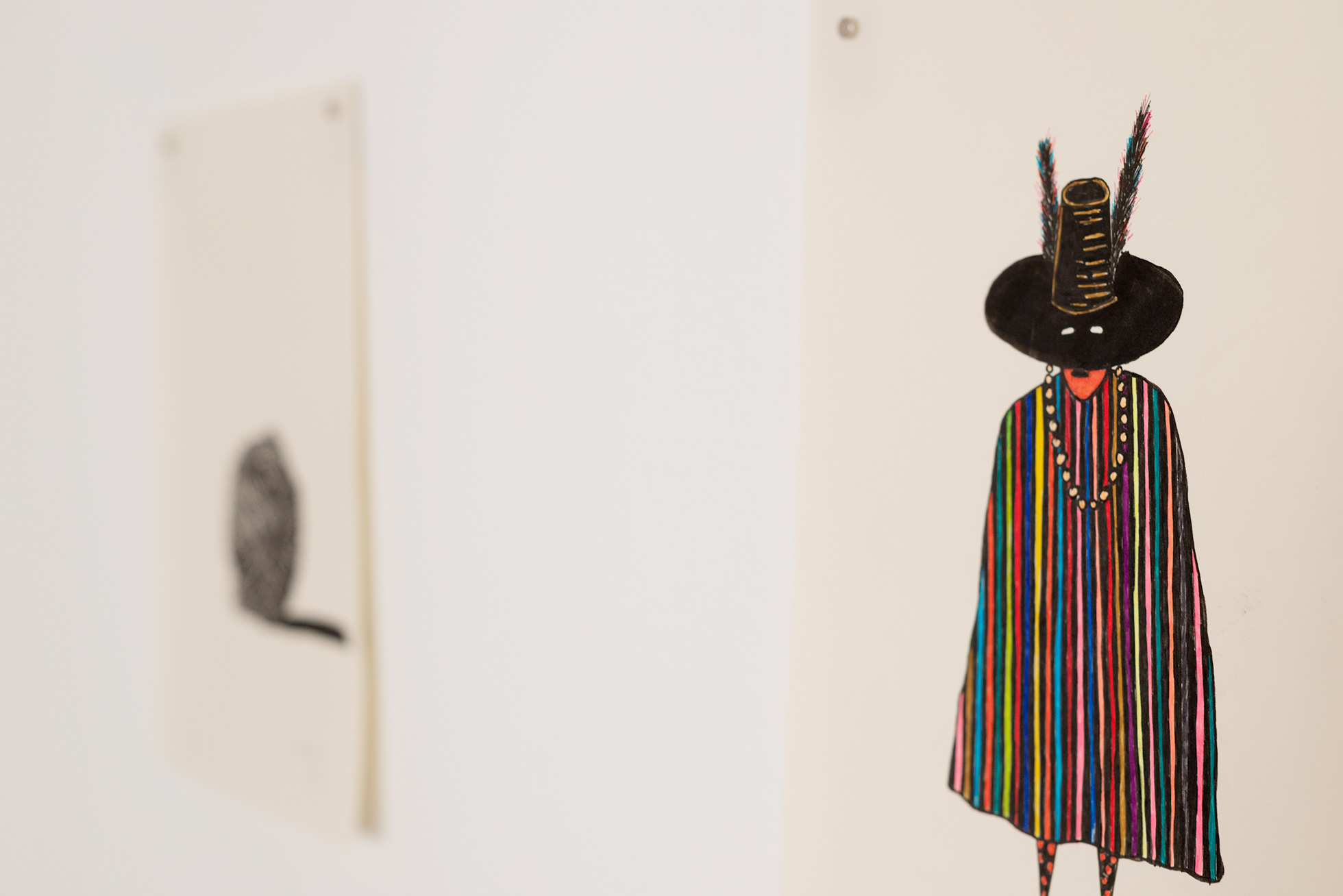
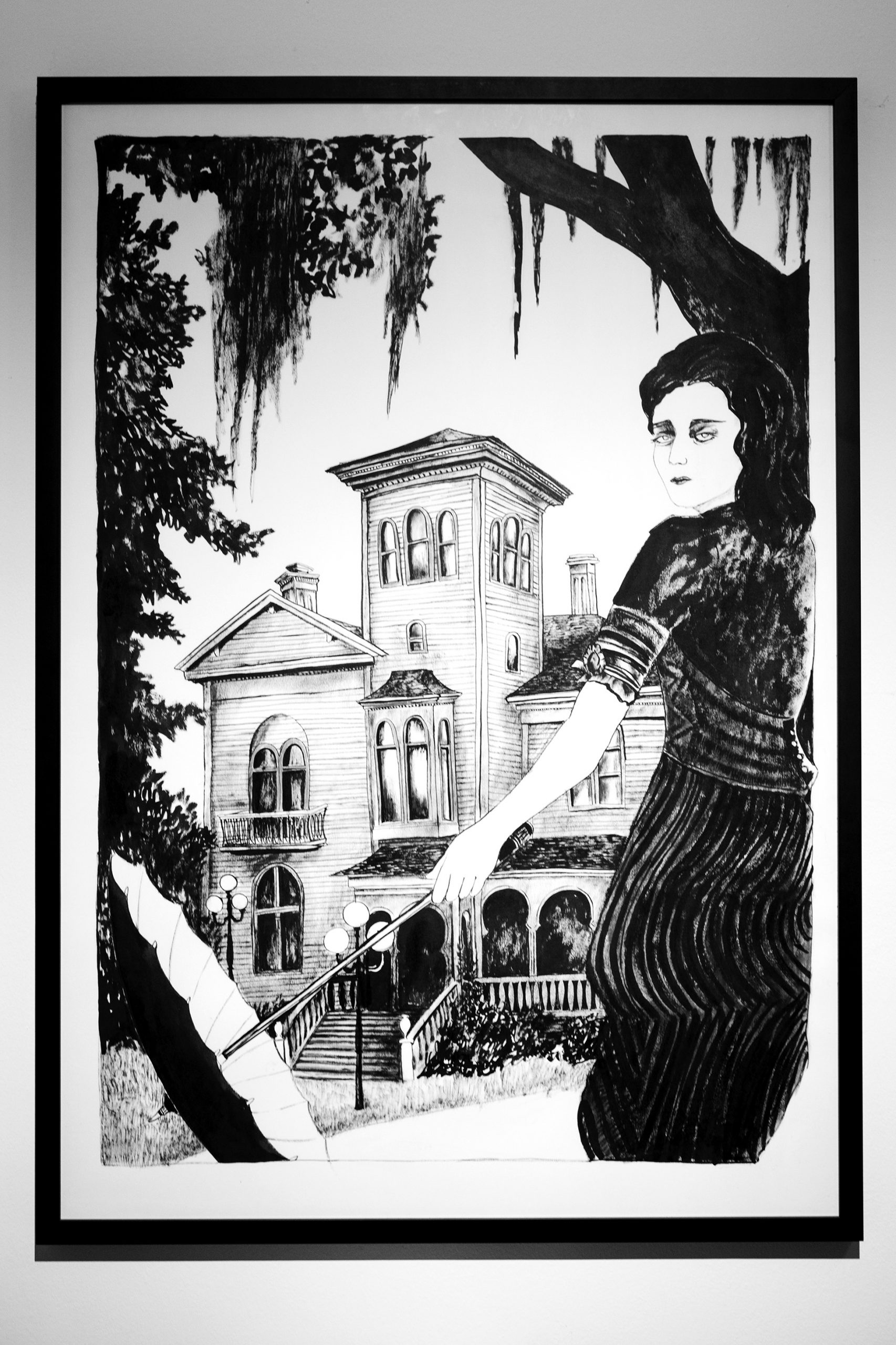
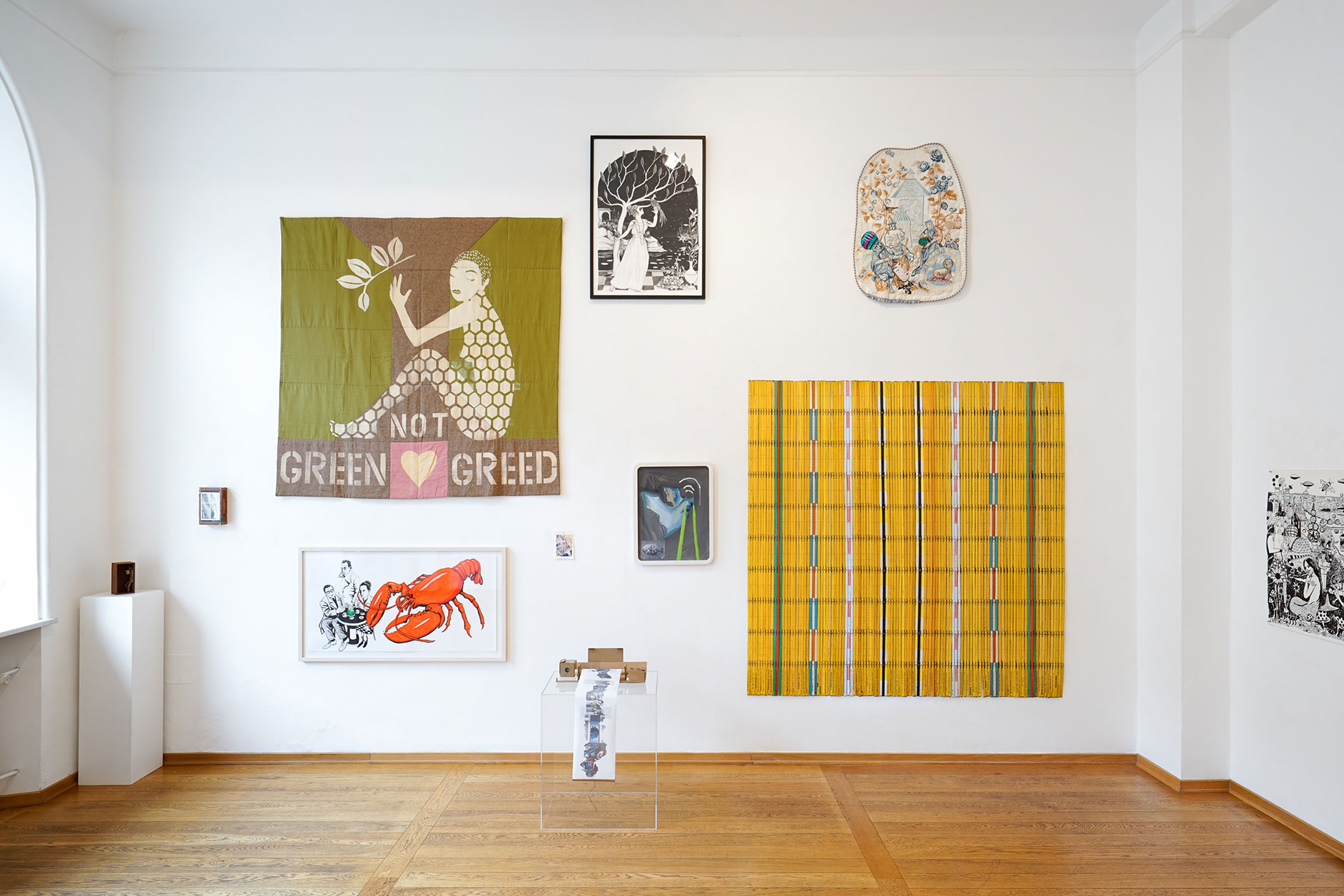
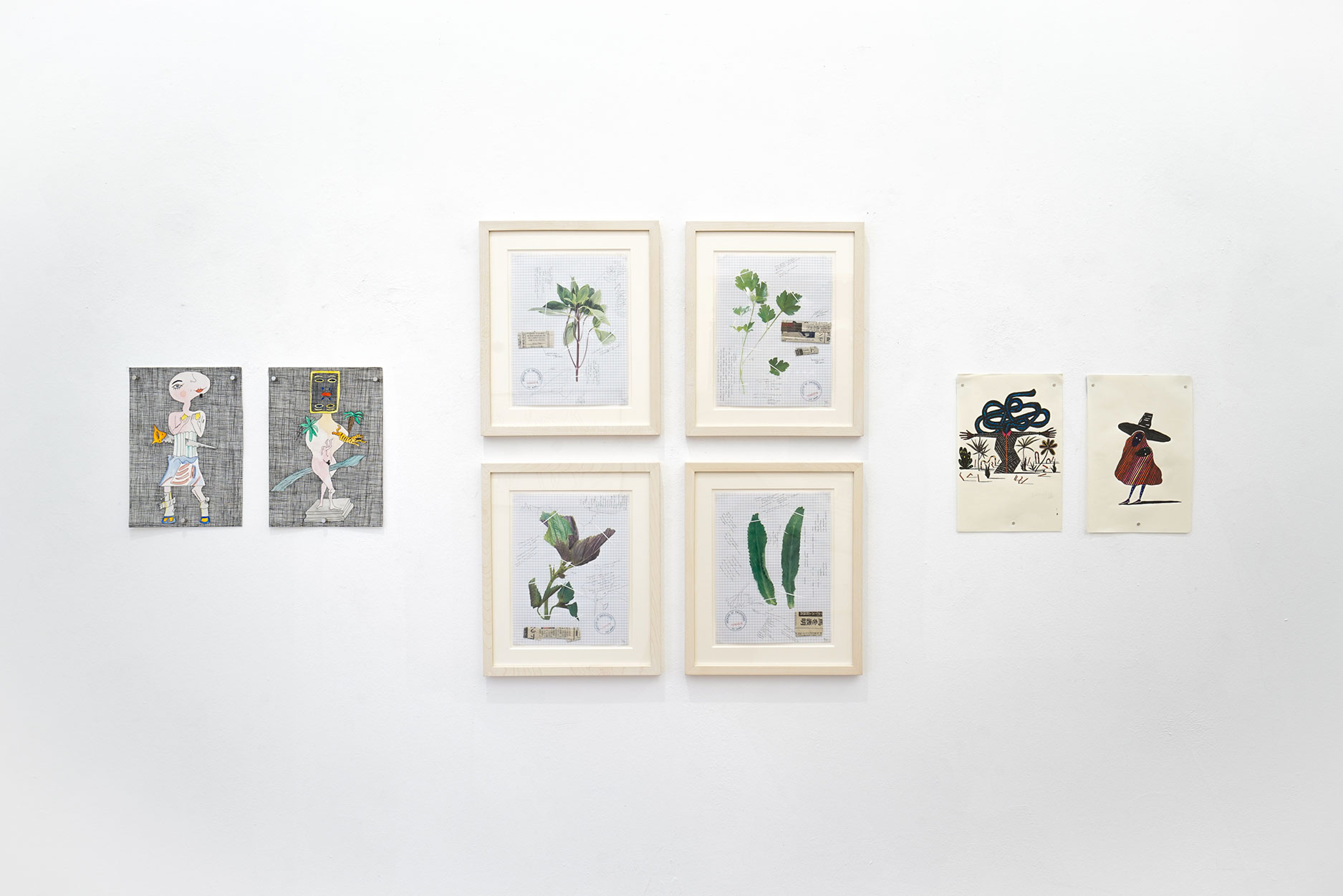
Proceeds from the exhibition will go to support the creation of the frst physical [Re]generator, hopefully in Kamikatsu, Japan. Kamikatsu is known as Japan’s “zero waste town”. The hope is that such a space, will serve as a model to other towns around the world, to adopt similar approaches to local ecological and social challenges. The “creative citizen’s assembly” problem-solving model applies new insights from deliberative democratic practice emerging around the world. Through this creative space, it is hoped that new creative engagements, reciprocities and ecologies between humans and their environment can emerge. In this way, the [Re]generator could inspire a new circular ecology of regenerative art and artistic regeneration.
The organisers of [RE] GENERATION believe that social, political and ecological healing, must begin with the imagination. By bringing a diversity of dynamic creative perspectives into one space, we wish to inspire the public to join us on a journey of discovering alternative visions of the possibilities for life on our green Earth. The exhibition has been curated with the help of Valeria Diaz Granada.
From July 2nd, 2021, two of the artists in [RE] GENERATION, China Marks and Chris Bianchi, will also be exhibiting in a parallel two-person show, BONKERZ GARDEN, at KNUSTxKUNZ+ on Theresienstrasse 48.
Online Showroom
Link launching on Opening Day July 2nd
Participating Artists:
• Amanda Lees
• August Alexander
• China Marks • www.chinamarks.net
• Chris Bianchi • www.chrisbianchi.co.uk
• Clara • www.vimeo.com/secretsbyclara
• David Sater • www.davidsater.net
• Duy Hoàng • www.duy-h.com
• Ella Belenky • www.ellabelenky.com
• Hans Kern • www.swarming.global
• Lara Schnitger • www.antonkerngallery.com/artists/lara_schnitger
• Neal Fox • www.nealfox.co.uk
• Robert Rubbish • www.robertrubbish.blogspot.com
• Satch Hoyt • www.satchhoyt.art
• Steph von Reiswitz • www.stephvonreiswitz.com
• Thad Higa • www.thadhiga.com
• Victorin Ripert • www.victorinripert.tumblr.com
• LE GUN collective (Neal Fox, Robert Rubbish, Steph von Reiswitz • www.legun.co.uk)





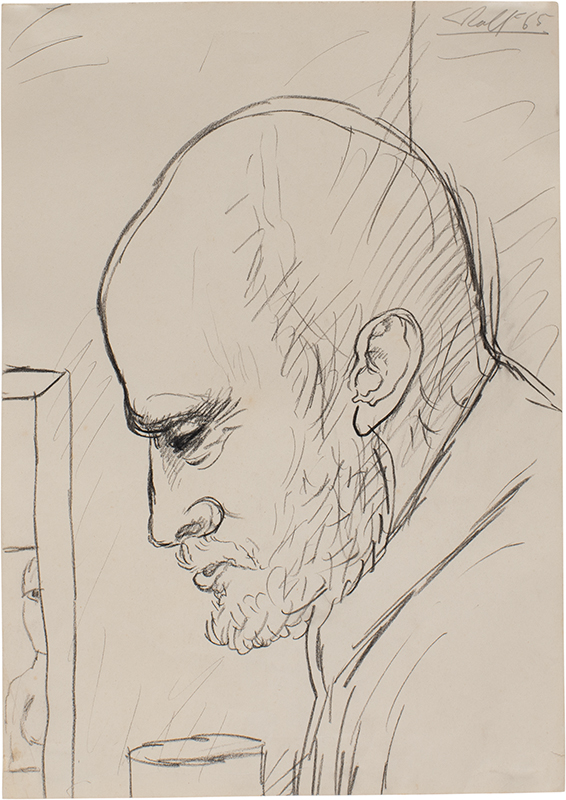
The portrayal of the human figure is one of the oldest themes and subjects in the entire history of artistic expression.
Me, Myself and I
The portrayal of the human figure is one of the oldest themes and subjects in the entire history of artistic expression. As it became a more distinct genre, the portrait as such took over many of the roles and functions of those early human images, such as a certain immortalization of the subject after death, representative duties and deputized purposes in lieu of the subject himself. Portraiture experienced its heyday from the late Middle Ages through to the 17th century. This was in stark contrast to the era of early Christianity, which, on account of the young religion’s adamant rejection of potentially idolatrous representative art, knew very little in the way of individual likenesses and portraits.
The history of the portrait begins at the moment when the ambition of artist turns towards making resemblance the main subject of their artwork. Resemblance had been understood since the late 15th century to be not only a matter of external appearance, but also one of inner essence and being. While portraits of the late Middle Ages were overwhelmingly formulaic, a new development in painting began to take hold after 1300, according to which the identifiable features and physical characteristics of one particular human subject were mixed with images and allusions from the overall canon of sacred, mythological, and historical subjects and themes. The lords and patrons were the first faces recognizable in the painting, but their presence still had to be legitimized by the portrayal of an accompanying saint.
It was only much later, with the beginning of the Renaissance and the era’s new understanding of Man as an autonomous individual, that the portrait came to conquer the private sphere and an emerging middle class. Toward the end of the Quattrocento the psychological ‘moment’ came into view, which naturally cannot be understood in the modern sense. The essence of a person, his mental state and emotional psychology, wasn’t achieved through any sort of analytical carving away, but was betrayed instead through subtle means. The fact that a portrait always, by definition, transcends the status of an exact one-to-one snapshot, but is rather always an aesthetic construct, is due to the desire of those portrayed to tell the world something about themselves. Merits, virtues, values, education, status and position in society are thereby hidden, in and by means of symbols and symbolisms – in attributes, interiors, landscapes, clothing, and posture.
It was at this same historical moment that self-portraiture began its ascendance to the prominent position it occupies today in the portrait-painting tradition. It served, on the one hand, a personal purpose for the artist himself, a place for private experimenting, and on the other hand can be understood in a broader social sense as one expression of burgeoning self-confidence in the individual. After all, as the role of painter as artist came to be held in greater and greater esteem over the course of the Renaissance, so rose as well the worth of his own image – an image at first half-hidden in larger compositions, gradually growing to be a stand-alone portrait in its own right.
In the 16th and 17th centuries, portraiture reached its zenith. The portrait has now finally arrived in the both the civic and private realm. Much was to change from the 19th century onwards: with the advent of photography, a quick and convenient technology came onto the market, one which created an image where reality and recreation were nearly identical.
The painters of the late 19th and early 20th centuries, in turn, shook the mainstream artistic world by finally and forcefully separating color and shape from one another. Painting triumphed over visually perceived reality. With advances in photography, new demands were placed on portrait painting, ones which inevitably drew further and further away from the artistic and practical demands being met by technology-based forms of visual reproduction.
Mummy Portraits
The earliest movable portraits have their origins at about the time of Christ’s birth, from the Faiyum, a lowland oasis region lying some three hundred kilometers south of Alexandria. Egypt had only recently been annexed by the Romans, a change in jurisdictional fortune that relegated it to the outskirts of an empire based across the Mediterranean Sea. Roman mercenaries, given leave to become farmers, were settled in the distant province, becoming in the process the foundation of a new, hybrid culture in the Faiyum.
The ancient belief that the deities humans worshiped were bound to one particular place belonged just as much to the Egyptians as it did to the Romans. The mercenaries settled in the Faiyum, therefore, had Egyptian gods to worship. The gods of the Egyptian countryside were, for them, simply different manifestations of the true gods; the Egyptian Amon and the Hellenic Zeus were one and the same person, just as Osiris, Bacchus and Dionysus were. Through the cult of Osiris, however, the Egyptian belief in an afterlife, and its associated burial practices, found its way into the Roman colonies. One such practice was the ancient Egyptian custom of giving human form to the coffins of mummies, or attaching a mask, in the form of an idealized human face, to the coffin’s head, a custom which the Romans of Egypt adopted and modified.
A longstanding practice common among the upper classes of the Roman Empire’s more central provinces was the creation of individualized sculptural portrait busts, for exhibition in a household’s atrium or central courtyard. Just how much of a role that tradition played in the evolution of Faiyum portraiture can be debated; certain similarities, though, seem too striking to ignore. The mummy portraits of Roman Faiyum were painted in encaustic or tempera, on canvas or wood, unlike the earlier Egyptian practice of painting directly onto the sarcophagus, or even the bandages of the mummy itself; moreover, these were individualized portrayals of the deceased, not the standardized representation of a canonical set of human forms as indigenous mummy painting had been. This made them eligible as objects of display, an echo of the portrait busts of ‘home.’ A mummy portrait would be made during its subject’s lifetime, ‘living’ with him in his house until, after the subject’s death, it was wrapped in the mummy’s outermost bandages, at the head, something like a face, peering out from between the strips of linen.
There have been numerous mummy portraits found of children, appearing in their likeness very much alive; considering how unlikely it is that these would have been made during the lifetimes of their young subjects, we can assume that it was acceptable to create these portraits even when the sitter could no longer hold his own pose, at the very least in the case of an early or unexpected death. While that may seem a tad macabre, the practice is nearer to us than we might imagine; the modern age has passed down daguerreotypes and even photographs to us of children and babies who have already died, propped up before the lens to appear as among the living one last time.
source: G. Möller. “Das Mumienporträt,” Wasmuths Kunsthefte, Band I, Berlin o.J.
Mugshots
The word ‘mugshot’ is an informal term used describe an official photo taken of suspects in the course of police investigations. The photos serve as a tool to aid in identifying the perpetrator and can be used in the course of ongoing manhunts or criminal trials. In the USA, mugshots enter the public domain immediately, available to everyone through the Freedom of Information Act. The police usually take two mugshots at the time of arrest: one frontal, and one in profile. It is no longer common for the subject to hold a blackboard with his personal information on it, due to advances in digital photography and data recording.
Selfies
When someone takes a selfie, they are turning themselves into art. This is not quite the same thing as simply making a picture of oneself – that is, of making a self-portrait. To take a selfie means to take a picture of yourself in which and for which you are already transformed into art. A selfie is, then, in actual fact an image of an image.
The most pointed criticism of selfies distinguishes these from other categories of image, and from self-portraiture in particular. Indeed, although we might identify certain painters throughout history whose choice of themselves as primary subject aroused suspicion, the creation of self-portraits as such was never wholescale condemned as a vice, nor did any meaningful (and critical) discourse around the topic exist. An explanation might be found in the small number of artists who painted self-portraits in the first place; for reasons of sheer quantity (or lack thereof), self-portraiture as a genre or practice could not be fraught with many societal consequences. Perhaps, though, the particular circumstance of the selfie, the essence of its creation, plays a role as well – namely, that whereas a self-portrait is only an image one creates with himself as subject, the selfie must go further, is an image taken of a person already in the act of making himself into an image, into art, to be reproduced in the final image we call ‘selfie.’
Sources:
Wolfgang Ullrich, “Selfies. Die Rückkehr des öffentlichen Lebens”, Verlag Klaus Wagenbach, Berlin, 2019.
G. Möller. “Das Mumienporträt,” Wasmuths Kunsthefte, Band I, Berlin o.J.
Dorothee Fauth, “Kunstlexikon. Porträt,” June 2, 2005, for Hatje Cantz online:
Kunstlexikon Portrait

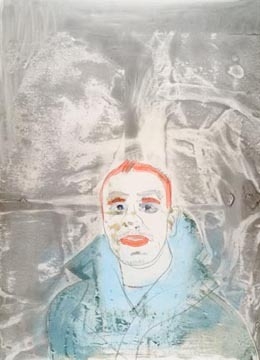
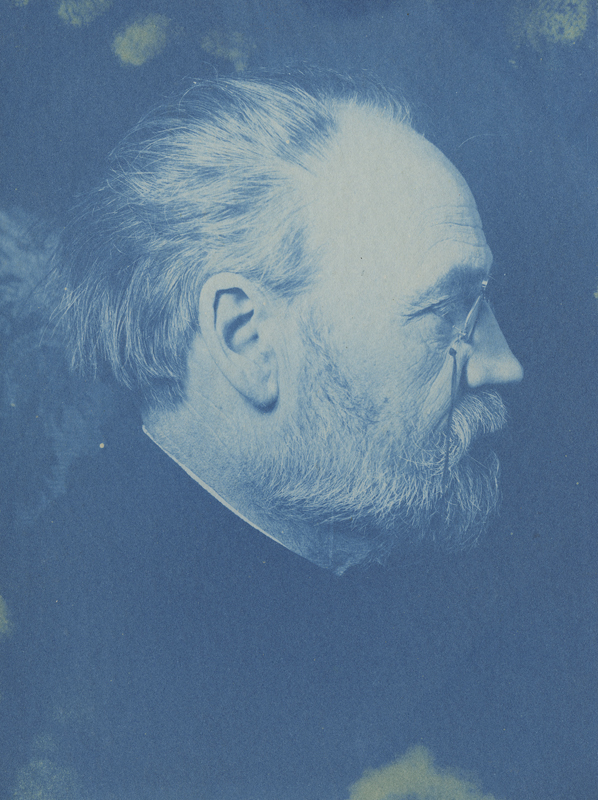
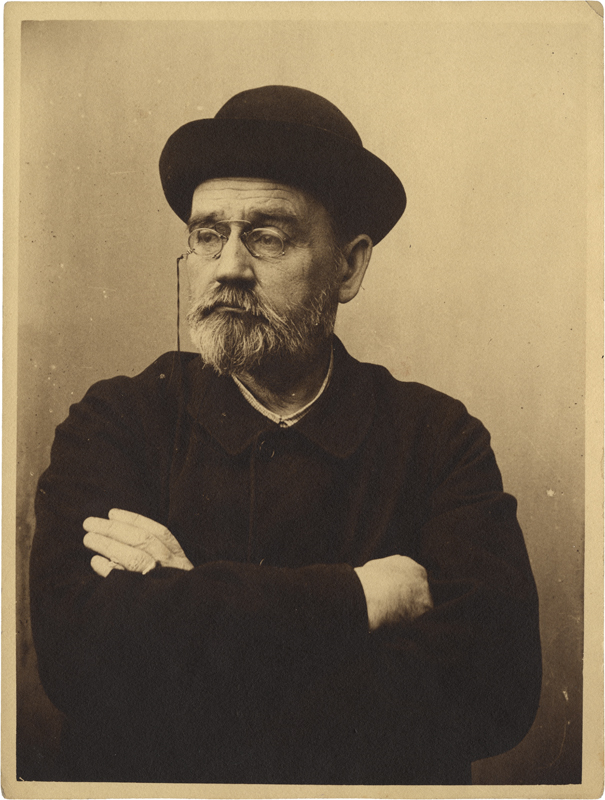

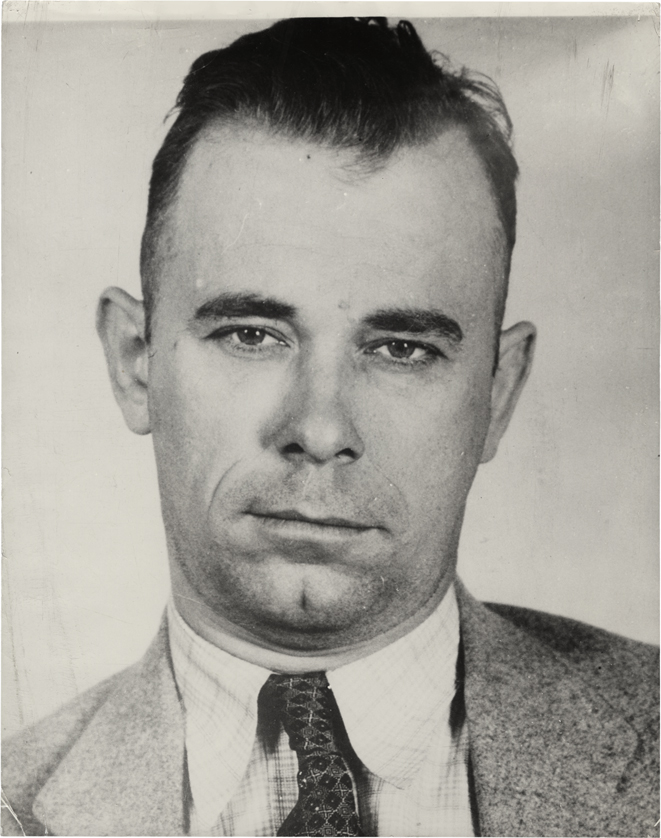
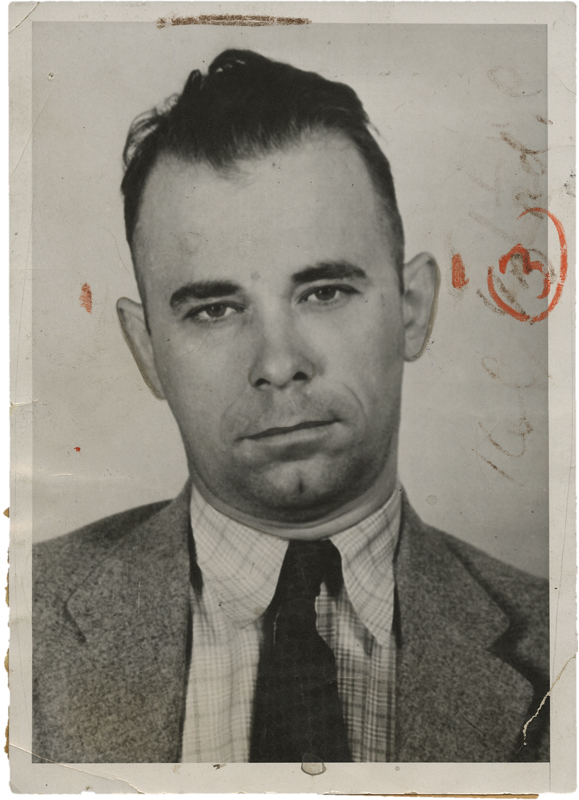
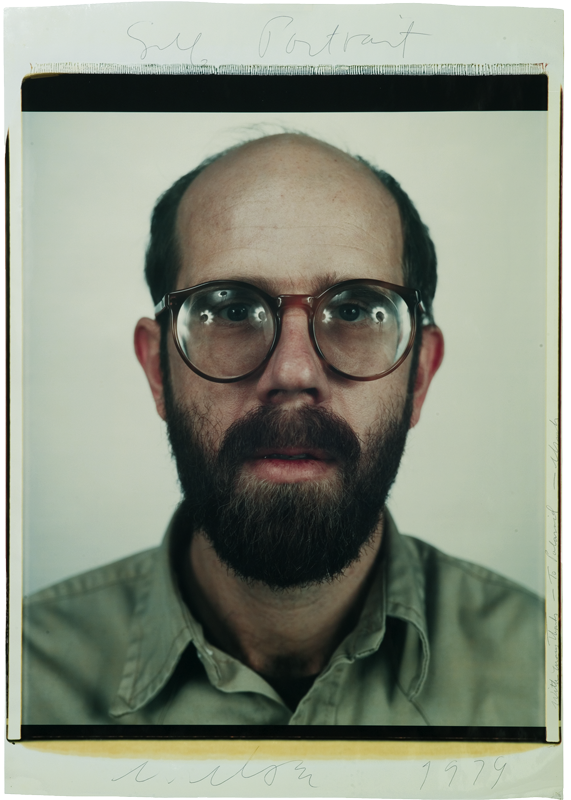
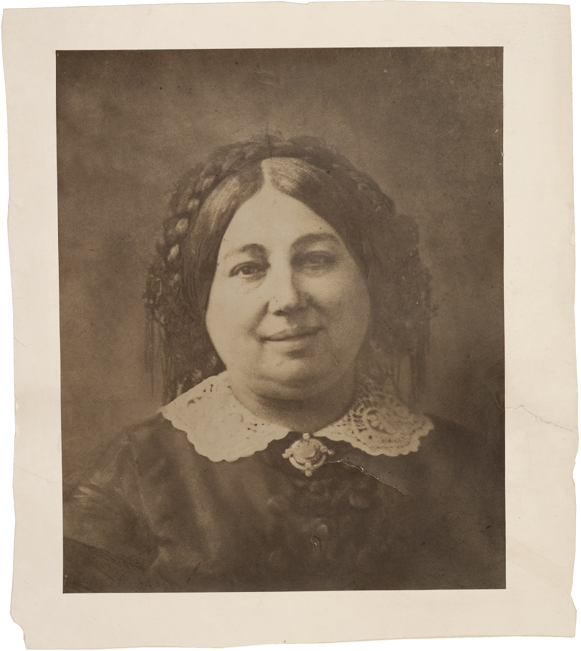
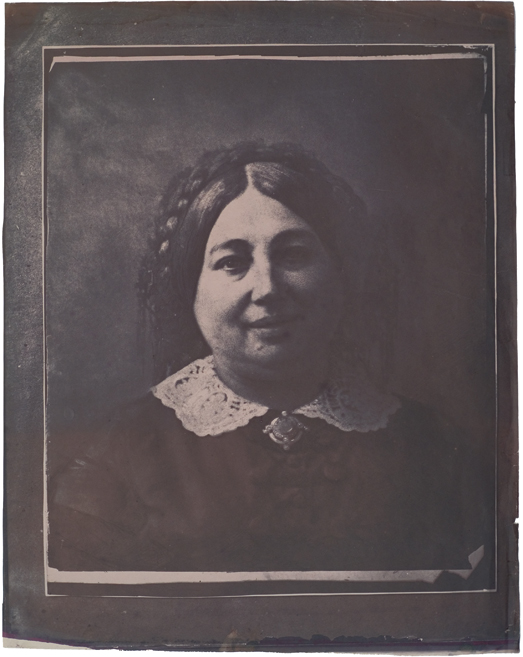
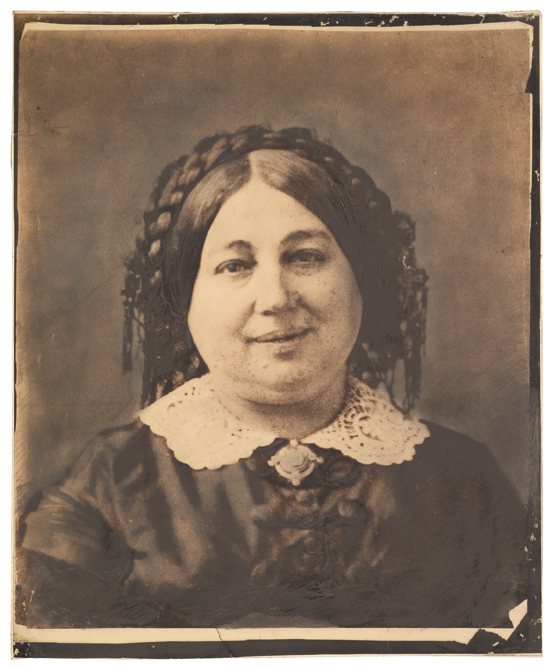
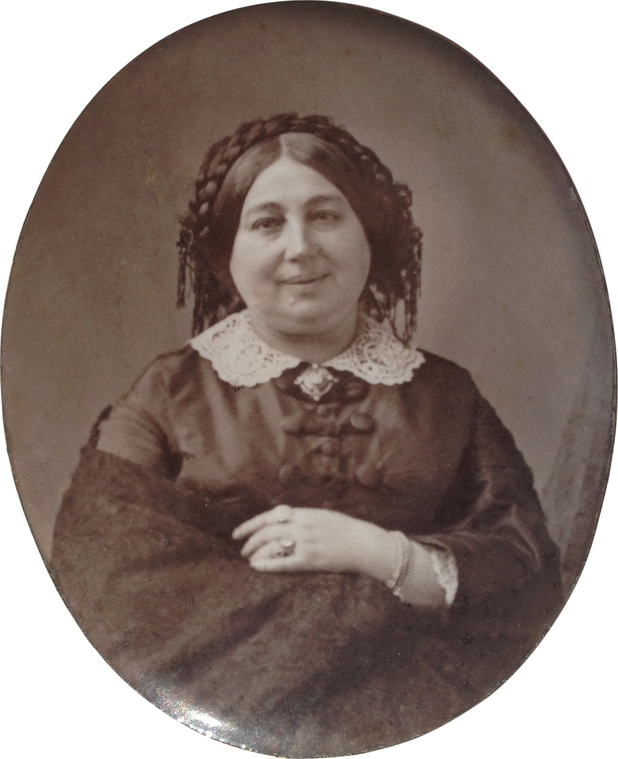
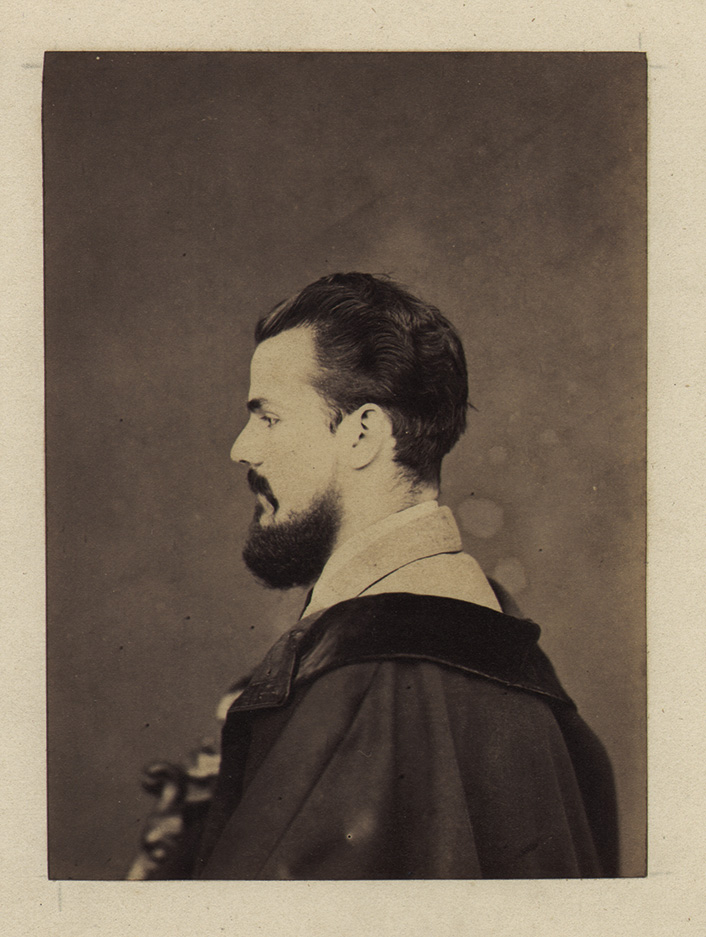
All photographs are available for purchase. Prices upon request. For further information please send an email to: contact@danielblau.com
All offers are noncommital. We cannot guarantee the items are still available on request.
Other Diversions
Mummy Portraits Podcast Mummy Portraits 24 Very Early Selfies How Artists Explore Identity by MoMA Selfportraits by Arnold Schoenberg Selfportraits by Schirn Kunsthalle Virtual Tour Egyptian Museum Munich Hieroglyph course (in German) The Art of the Selfie Self Portrait van Gogh
(from a photograph of a Daguerrotype by an unidentified artist), 7,1 x 8,8 cm, © Daniel Blau, Munich
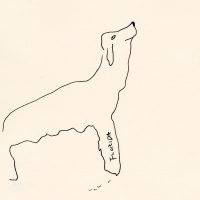
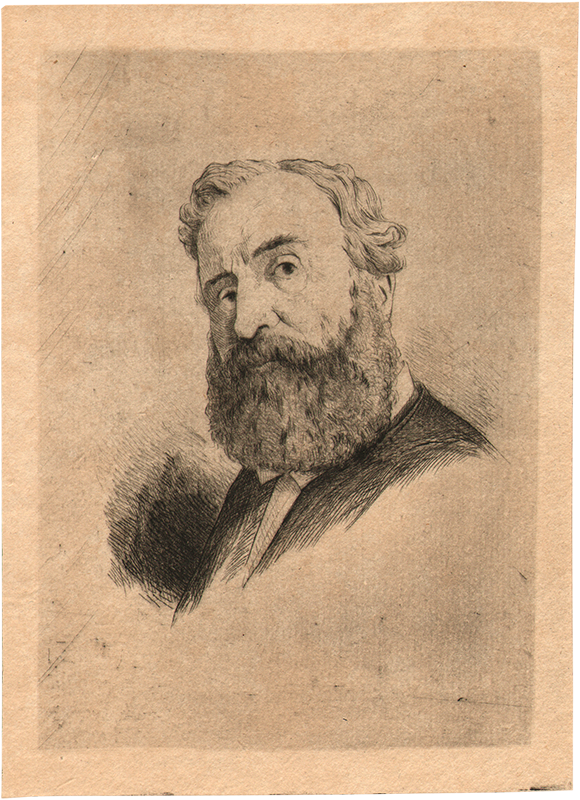
In the history of art, the simple line drawn has always held a position of fundamental importance.
The Fine Line
The Fine Line
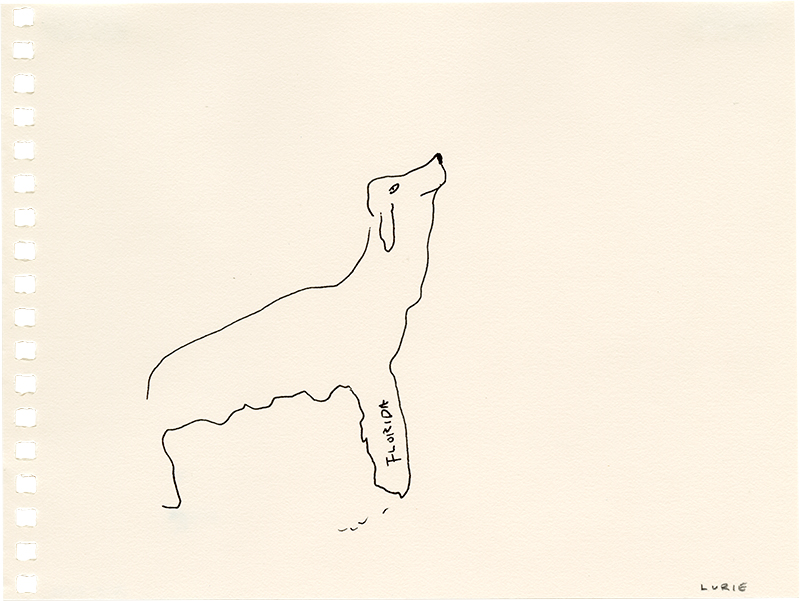
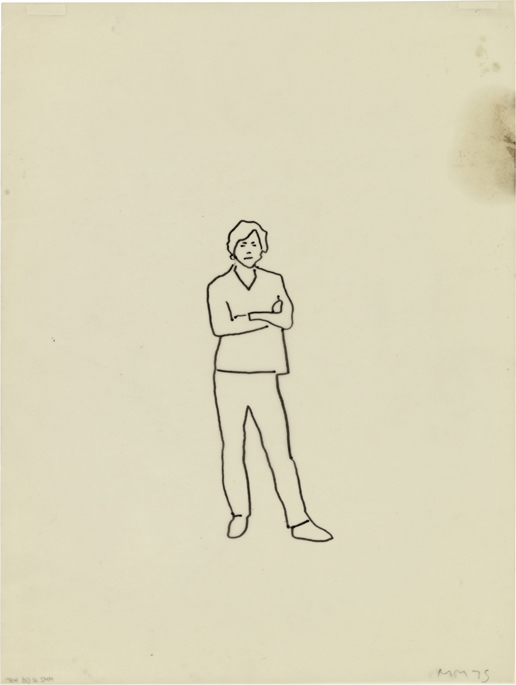
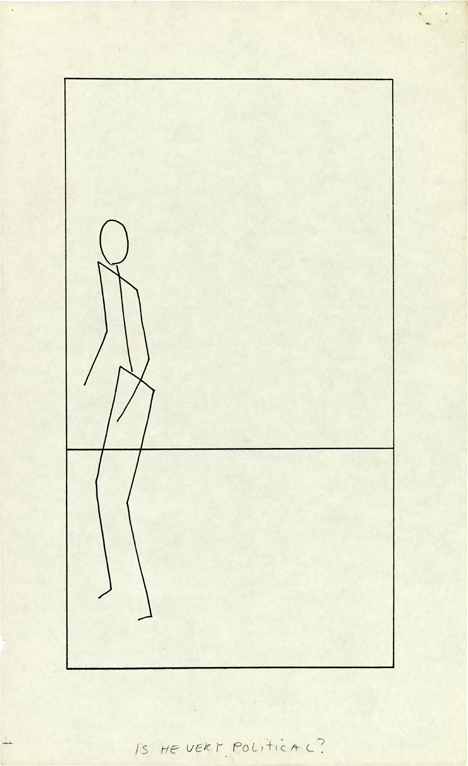
In the history of art, the simple line drawn has always held a position of fundamental importance. The earliest ‘artworks’ still available to us today are prehistoric engravings in caves, which, using only the simplest means – in only a few lines – clearly show man and animal, weapon and tool, distinguishable even today by their distinctive and characteristic contours. A high-water mark in the importance of line-based drawing – il disegno – can be found in the theoretical debates that raged through the world of Italian art in the years after the Florentine Academy was founded, debates whose central theme was the matter of whether il disegno played a more essential role in artistic creation than the shading and tonality embodied by the concept of Venetian colorito. The Paragone, the debate of the academies between contour and color, carried on through the centuries until it reached another zenith with the Poussinists and Rubenists. (1)
According to art historians and critics of the 20th century, ‘the stroke’ – or ‘the line’ – incorporates the entirety of an artist’s personal drawing style, both its conscious and unconscious characteristics. (2) The line sketches the contours of a shape only in certain regards – “the essentials are marked out, and everything else falls away.” (3) This conception of the line harks back to Leonardo da Vinci, himself of the convinced opinion that no true ‘Line’ in artistic terms exists in nature (4), and that what we conceive of as such is instead the abstraction of those shapes that are at hand and visible around us. “Lines confine and connect, characterize and accentuate.” (5) The line is a symbol, an attempt to make reality visible and comprehensible, but not an immediate, unadulterated imitation itself.
Delacroix, for example, in a letter dated the 15th of July, 1849, presents his own perspective on the matter. He positions himself in opposition to the idea that line and beauty have some sort of fundamental linkage, an idea that had enjoyed widespread currency among artists since the 18th century. “That often-discussed Beauty, which one fellow might see in a serpentine line, and another in a straight one – they’re both insisting on seeing nothing but lines. I stand at my window and behold a miraculous landscape, but the thought of a line never once crosses my mind. A lark sings, the river sparkles as though it’s made of a thousand diamonds, the leaves whisper; where are the lines, that can reflect such delightful impressions?” (6)
The art historian and author Julius Meier-Graefe (1867-1935) accused his art-creating contemporaries of “babbling on about the line the same way Xenephon’s Greeks once did about the sea,” (7) although he himself had played a large part in popularizing the line-focused aesthetic. (8) Around 1900, enthusiasm for the line increased again, and in all expressions of aesthetic production, in literature and architecture just as much as in the visual arts. It was now understood primarily as a moving element, and artists experimented with it accordingly. Kandinsky’s 1926 Bauhaus textbook “Point and Line to Plane” created a theoretical approach to the expression of different types of line, from a phenomenological perspective. He differentiates between degree of curvature, line variation, and their alignment on the plane. (9)
Moreover, it is impossible for a line to exist as nothing more than the outline of a shape alone. The variations between thick and thin, subtle and bold, intersecting and parallel, segmented and sweeping, confidently and haltingly drawn, all serve to impart to audience a feeling, a sensation, that goes far beyond the realm of the purely visible. The artist has other tools and techniques at his or her disposal, such as hatching, that can serve to make those sensations, and the visual cues invoking those sensations, even stronger; the result may very well be more along the lines of a sketched abstraction, or a symbol only indicating or standing in for a natural form, rather than something recognizable as a direct and intentional representation of objective reality. By overcrowding and overlapping lines over line, hatching, for instance, is able to convey a sense of plasticity and drama to the viewer, even though, strictly speaking, it remains only a distant reproduction of the shading that occurs in reality. (10)
sources:
(1) Matteo Burioni, Sabine Feser (ed.), “Giorgio Vasari. Kunsttheorie und Kunstgeschichte. Eine Einführung in die Lebensbeschreibungen berühmter Künstler anhand der Proemien”, Berlin 2004, p. 193-196, 229-231
(2) Uwe Westfehling, “Meisterzeichnungen von Leonardo bis zu Rodin”, Cologne 1986, p. 16
(3) Westfehling, p. 16
(4) Walter Koschatzky, “Die Kunst der Zeichnung, Technik, Geschichte, Meisterwerke, Munich 1981, p. 29
(5) Westfehling, p. 17
(6) Kurt Badt, “Eugène Delacroix. Zeichnungen. Eine Einführung auf Grund der Tagebücher des Künstlers”, in: “Eugène Delacroix. Werke und Ideale. Drei Abhandlungen”, Cologne 1965, p. 32
(7) Julius Meier-Graefe, “Entwicklungsgeschichte der Modernen Kunst. Vergleichende Betrachtungen der bildenden Künste, als Beitrag zu einer neuen Ästhetik”, Stuttgart 1904 (new edition by Hans Belting), Munich 1987, Bd. 2, p. 681
(8) Sabine Mainberger, “Experiment Linie. Künste und ihre Wissenschaften um 1900”, Berlin 2010, p. 7-8
(9) Raphael Rosenberg, “Die Linie in der ästhetischen Theorie des 18. und 19. Jahrhunderts”, in: Erich Franz (ed.), “Freiheit der Linie. Von Obrist und dem Jugendstil zu Marc, Klee und Kirchner”, Münster 2007, p. 12, after Beate Kemfert (ed.), “Linie und Skulptur im Dialog. Rodin, Giacometti, Modgliani. Werke aus der Sammlung Kasser/Mochary Family Foundation USA”, Munich 2011
(10) Westfehling, p. 17



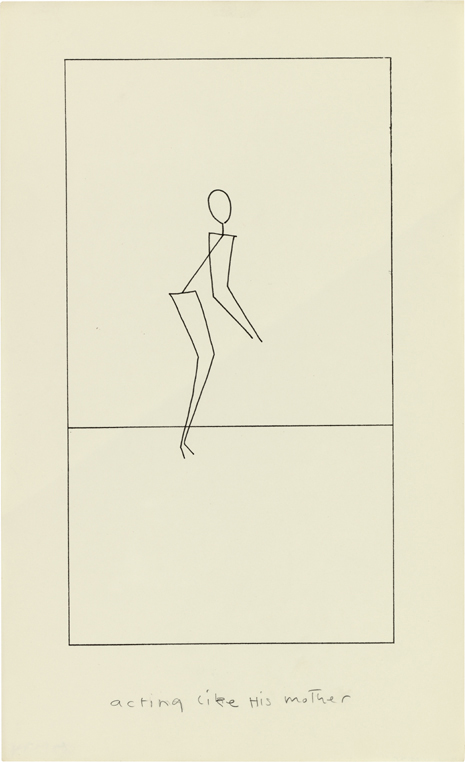
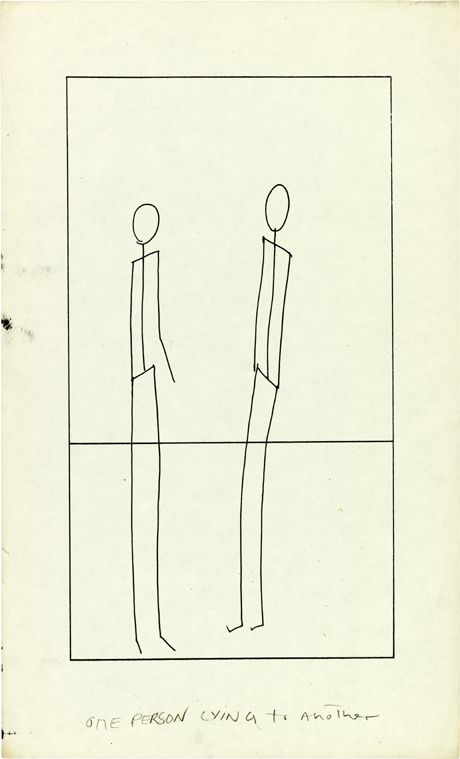

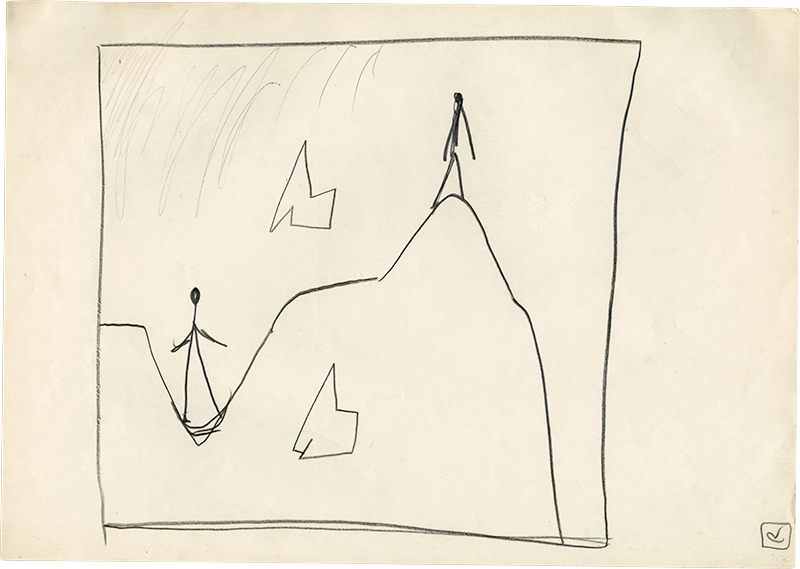


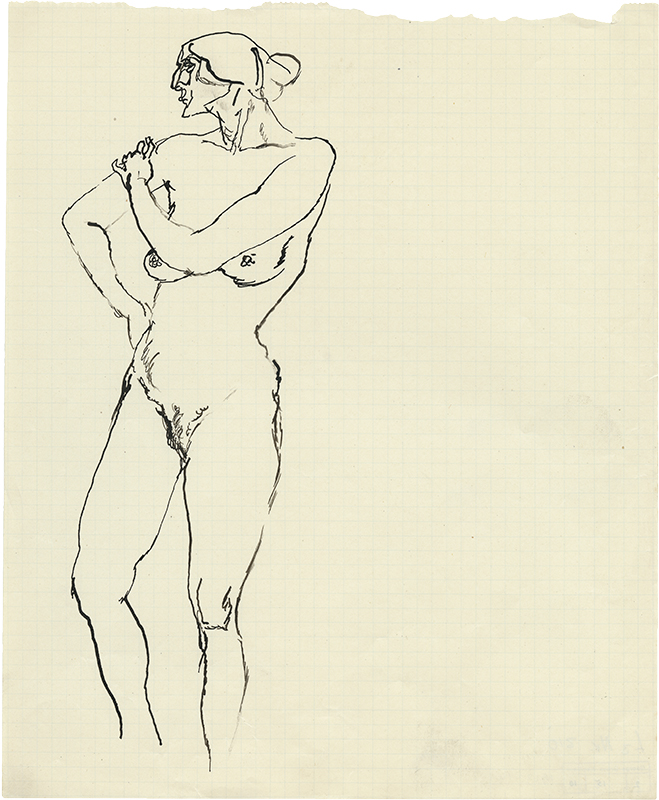
All artworks are available for purchase. Prices upon request. For further information please send an email to: contact@danielblau.com
All offers are noncommital. We cannot guarantee the items are still available on request.
Other Diversions
Johnny Cash, ' I walk the line', 1958 Petroglyphs within the Archaeological Landscape of Tamgaly Neanderthal artists made oldest-known cave paintings 45,000-Year-Old Pig Painting in Indonesia May Be Oldest Known Animal Art The Paper Side of Art Flatland - A romance of many dimensions Punkt, Punkt, Komma, Strich-- (Zeichenstunden für Kinder)
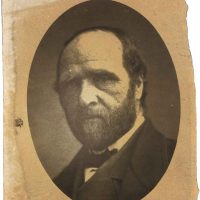
I SET TO WORK LIKE MANY OTHERS, AND SINCE THAT TIME I HAVE NOT STOPPED THINKING
ABOUT OR PRACTICING THIS NEW ART FORM.
Louis Alphonse Poitevin
“JE ME MIS Á L’ŒUVRE COMME TANT D’AUTRES, ET, DEPUIS CETTE ÉPOQUE, JE N’AI PAS CESSÉ, SOIT D’IMAGINATION, SOIT MANUELLEMENT, DE M’OCCUPER DU NOUVEL ART.”
“I SET TO WORK LIKE MANY OTHERS, AND SINCE THAT TIME I HAVE NOT STOPPED THINKING ABOUT OR PRACTICING THIS NEW ART FORM.”
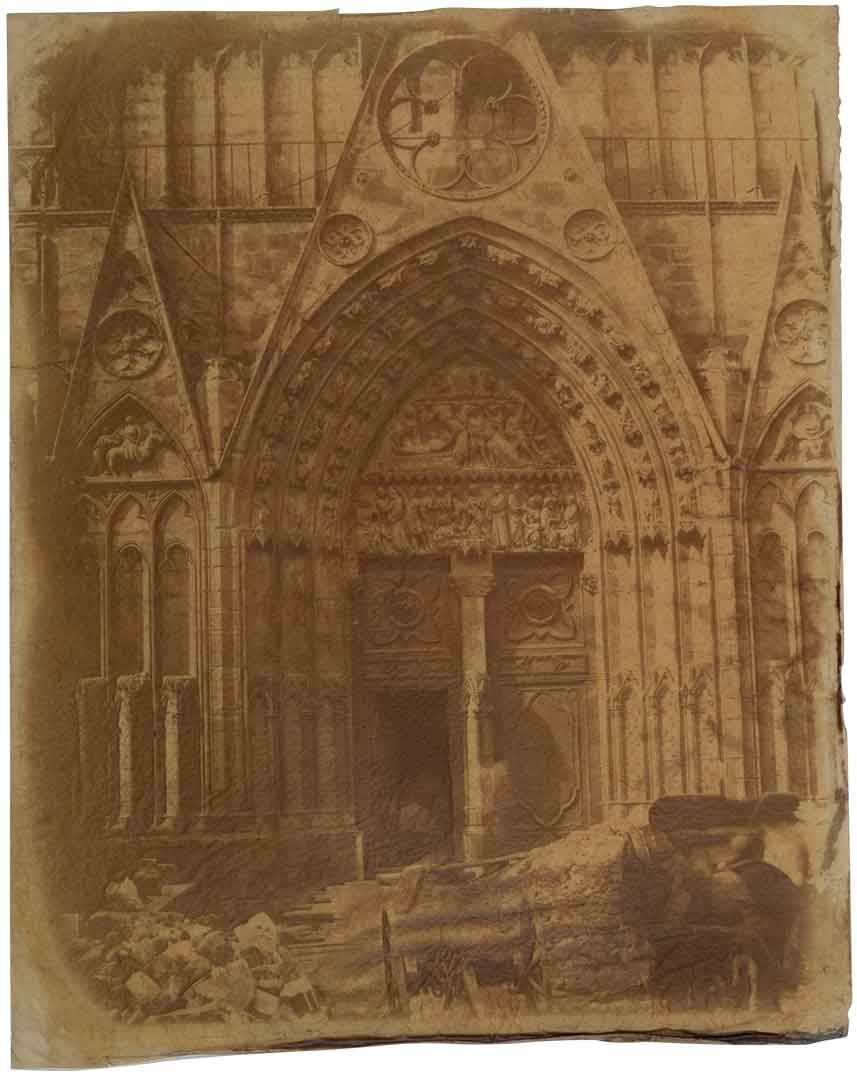
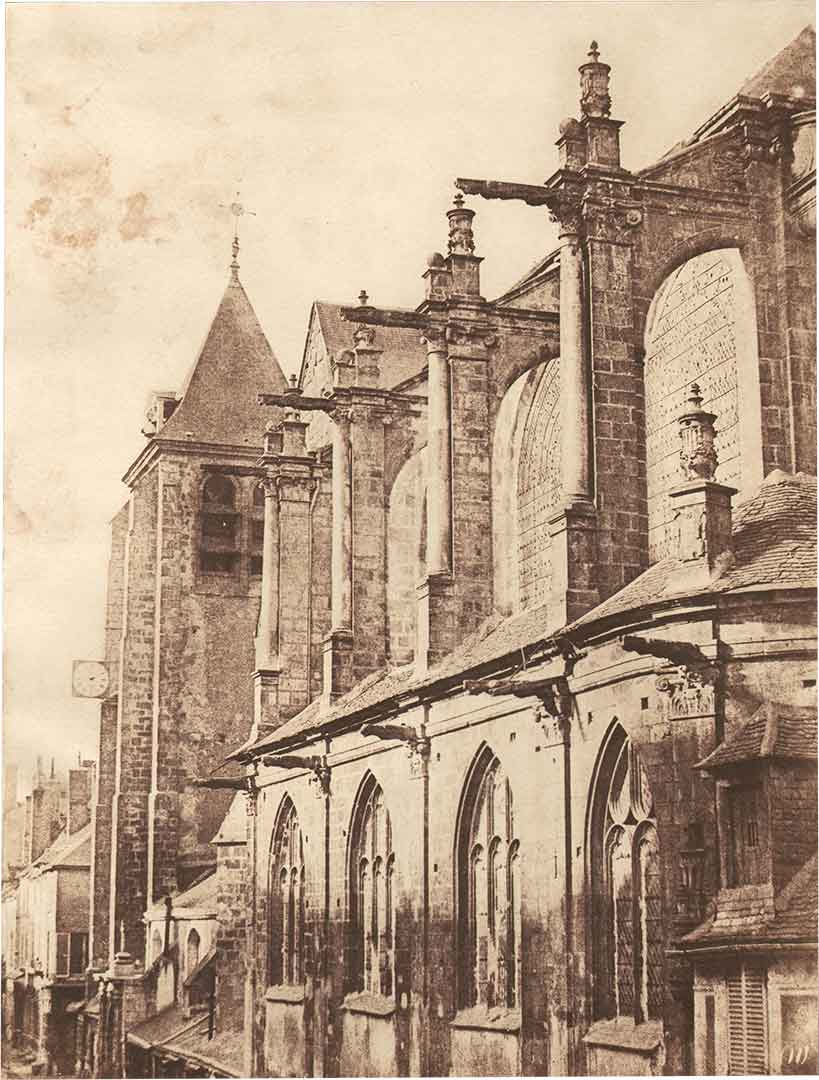
Alphonse Poitevin (1819-1882) was a chemical engineer who spent 35 years experimenting with photographic chemistry and photomechanical printing. A pioneer of photography’s earliest days, his first images were created with the techniques of his immediate predecessors: daguerreotypes, paper negatives and salted paper prints. However, as a chemist, he was also an inquisitive inventor eager to discover new photographic and photomechanical methods.
Today, Poitevin is remembered most for establishing the fundamental principles of four non-silver process families: photolithography, collotype, dichromate relief system, and the carbon pigment process. His inventions refined existing techniques and made the mechanical reproducation of images and thus, the illustration of printed books, possible.
Photolithograph, 1856 – 1857
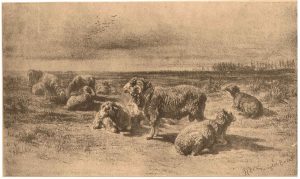
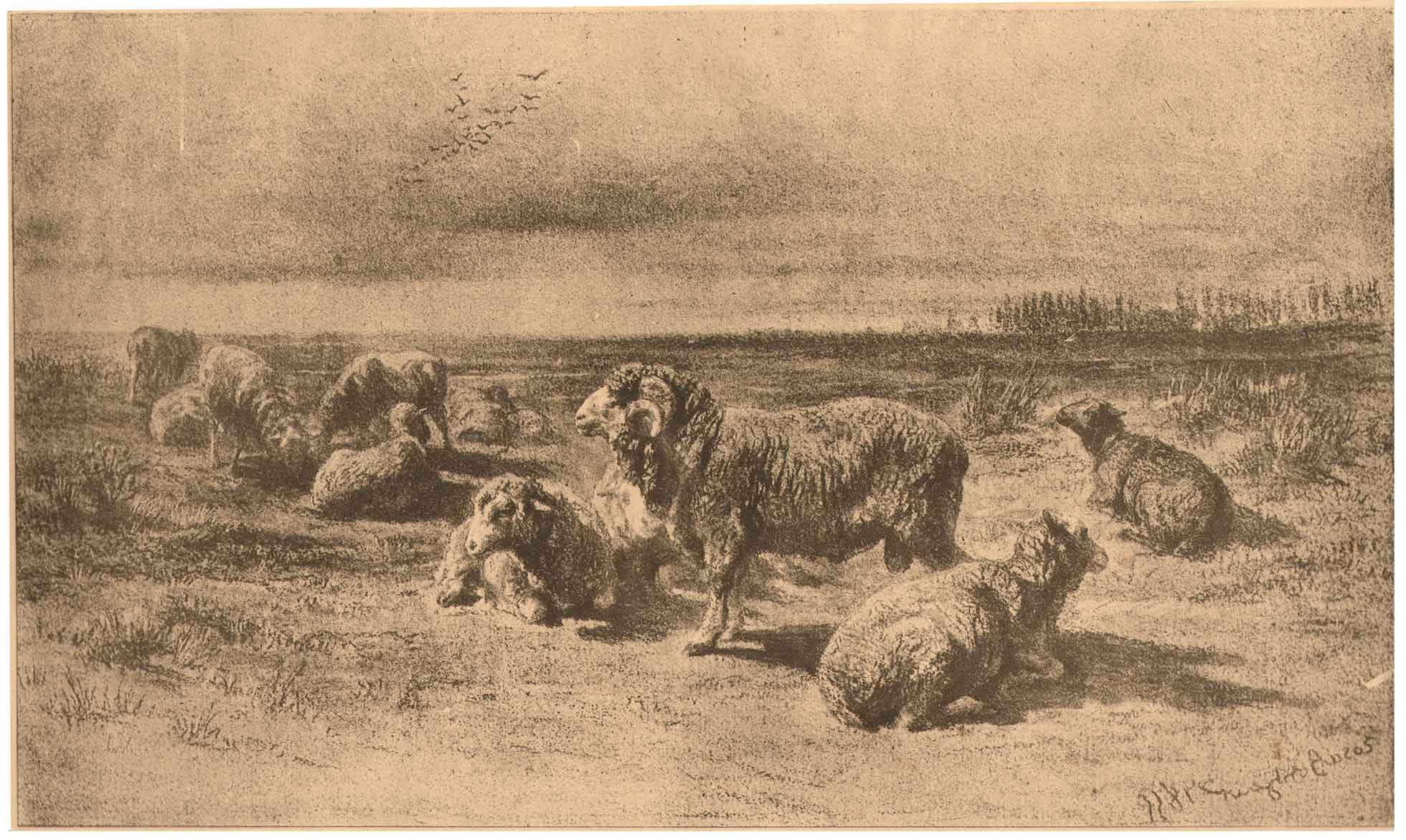
Poitevin was the first to coat a lithographic stone with an albumen layer that had been rendered light-sensitive with dichromate salts. Following exposure to a negative, the entire surface was coated in printer’s ink, then washed in water, with the effect that the unexposed, and therefore unhardened areas would absorb water and cause the greasy ink to detach, whereas the ink remained attached to the surface in the exposed, hardened areas. After drying, the stone could be used for producing multiple lithographic prints in the usual manner.
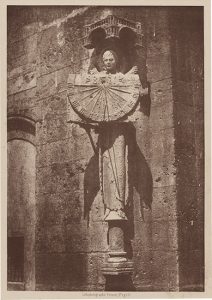 Louis Alphonse Poitevin, "Angel with a Sundial Photographed at 11am, Chartres, From a Negative by Paul Berthier", 1856-1857, photolithograph, 26,0 (54,8) x 18,5 (36,0) cm, © Daniel Blau, Munich
 Louis Alphonse Poitevin (1819-1882)
"Reproduction of a Drawing of Sheep in Meadow by Rosa Bonheur, 1855", 1856 - 1857, photolithograph, 21,4 (32,1) x 35,7 (48,6) cm
Louis Alphonse Poitevin (1819-1882)
"Reproduction of a Drawing of Sheep in Meadow by Rosa Bonheur, 1855", 1856 - 1857, photolithograph, 21,4 (32,1) x 35,7 (48,6) cmSalted paper process, used by Poitevin ca. 1840 – 1850
Invented by William Henry Fox Talbot in 1840, this positive print process quickly gained popularity in England and France. A sheet of good-quality writing paper was dipped into a table salt solution, dried, then brushed over with silver nitrate dissolved in water. As a result, light-sensitive silver chloride was formed in the paper fibres, and images could be printed out on the sheet. The print was typically fixed with a solution of sodium thiosulfate and often toned with a gold chloride solution to change the image hue from reddish brown to deep purple. Although toning also increased the stability of the print, salted paper prints have always been prone to discolouration and fading.
Albumen process, used by Poitevin ca. 1847 – 1855
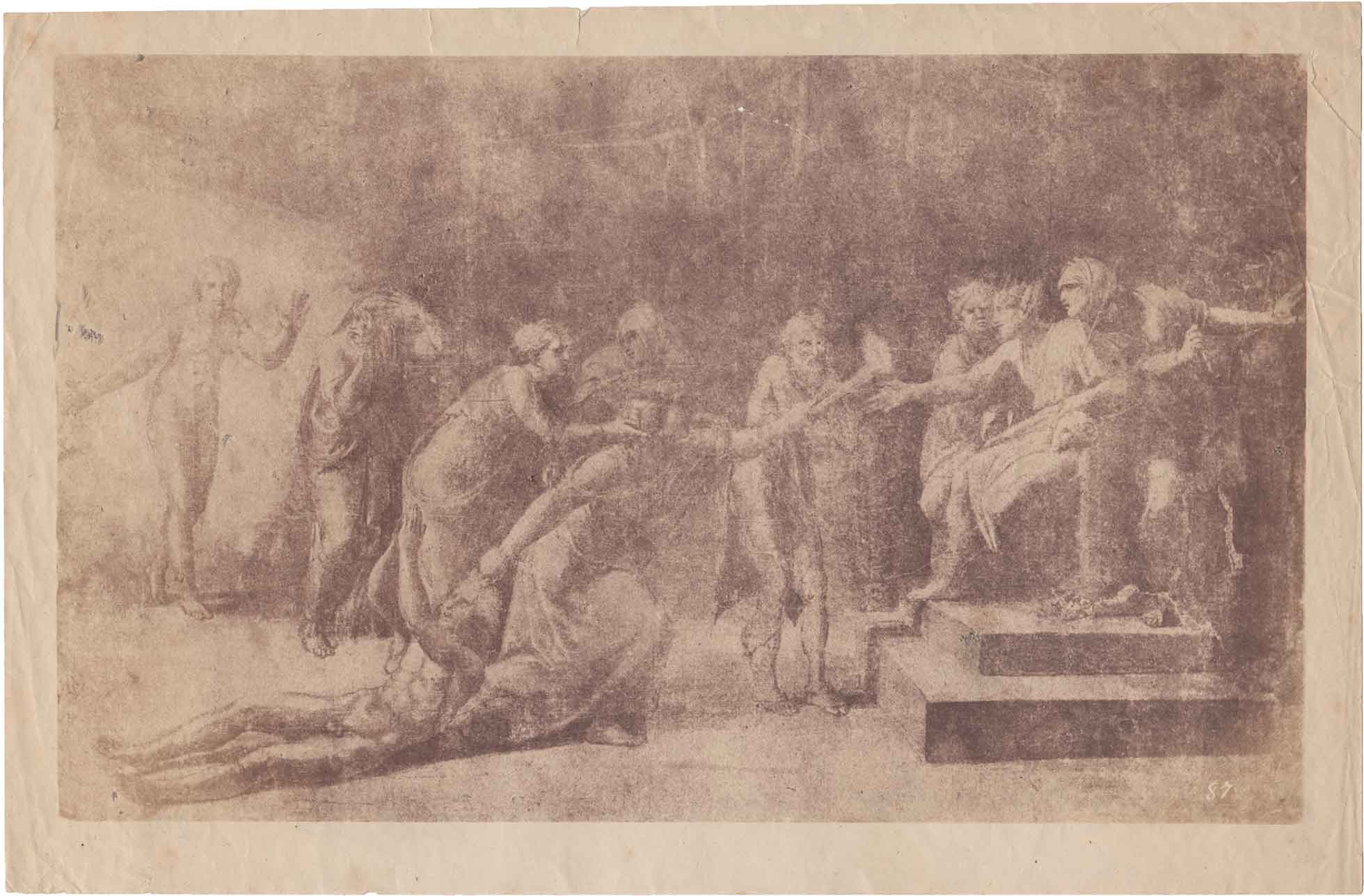
The albumen print was the prevalent photographic paper from the 1850s until the 1890s. A thin sheet of paper was floated on a bath of egg white (albumen) that contained salts. It was then made light-sensitive with a solution of silver nitrate. The albumen formed a discrete layer on the paper surface, which gave the print a distinct gloss and a crisper and more saturated image than a salted paper print. Albumen prints were almost always gold-toned to enrich contrast and colour and to increase image stability.
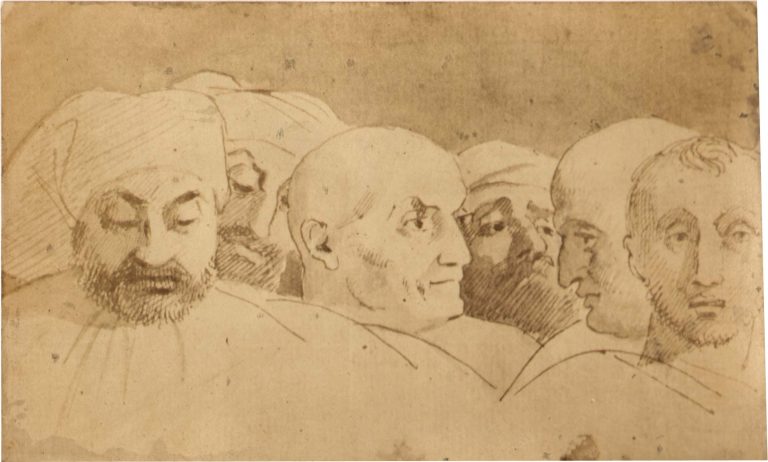 Louis Alphonse Poitevin, "Reproduction of a Drawing of a Group of Heads", c. 1847-1855,
gold-toned albumen print, 8,8 (16,3) x 14,7 (25,0) cm, © Daniel Blau, Munich
Louis Alphonse Poitevin, "Reproduction of a Drawing of a Group of Heads", c. 1847-1855,
gold-toned albumen print, 8,8 (16,3) x 14,7 (25,0) cm, © Daniel Blau, MunichPigment process with ferric chloride and tartaric acid, single or double transfer, 1861 – 1868
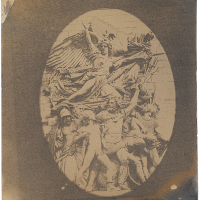
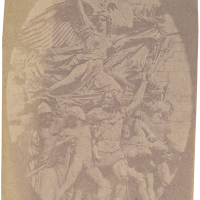
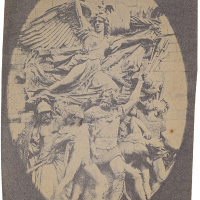
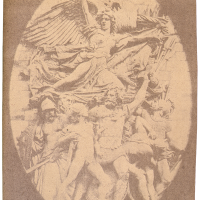
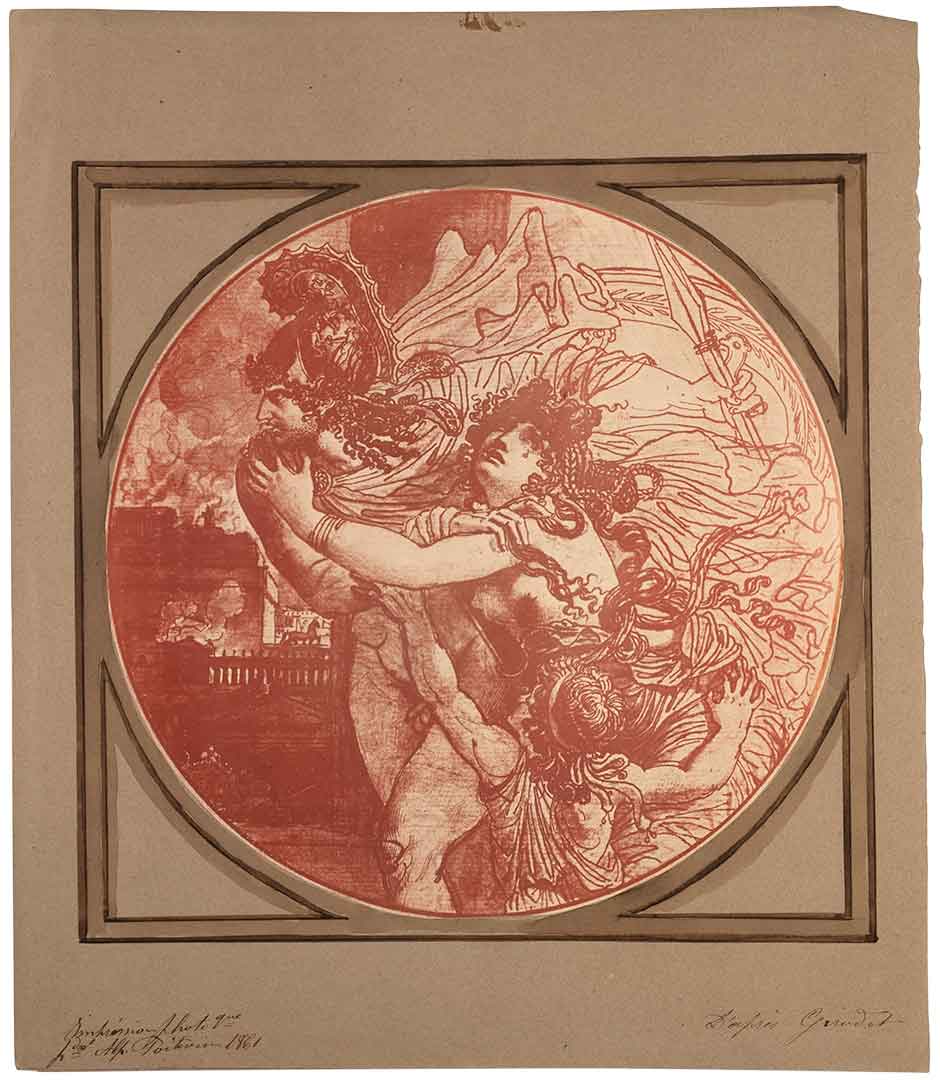
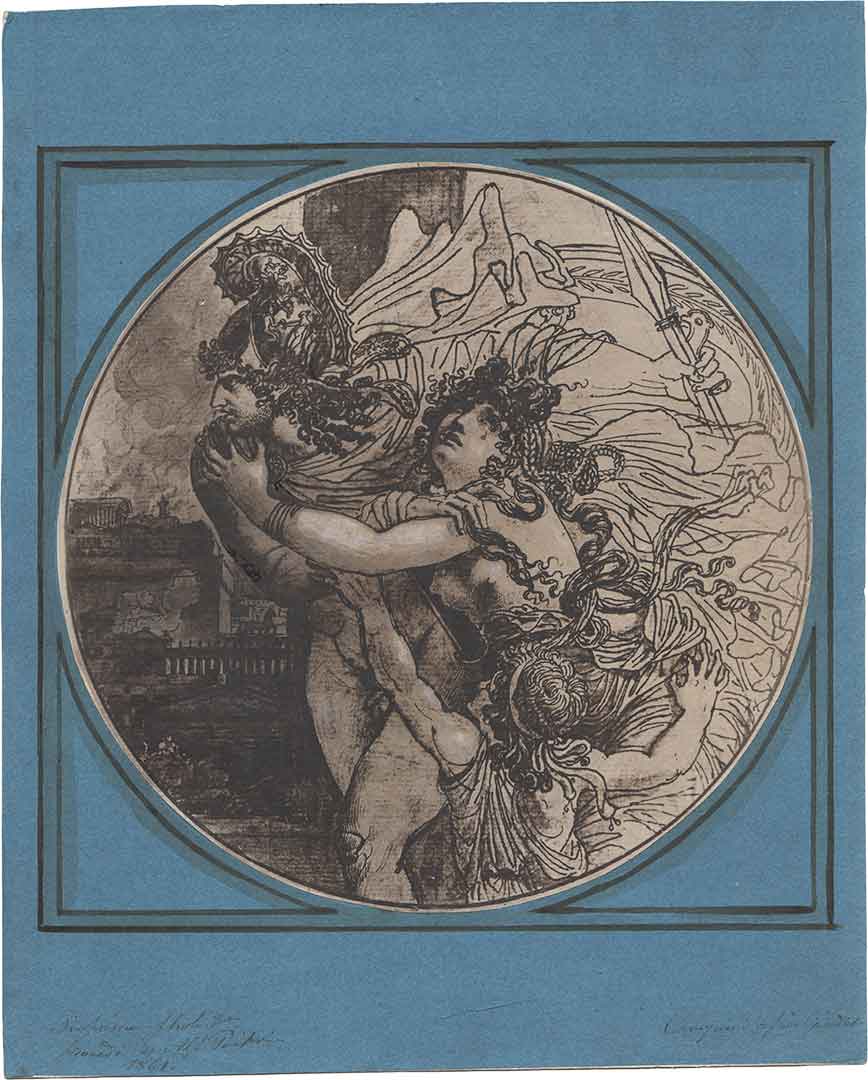
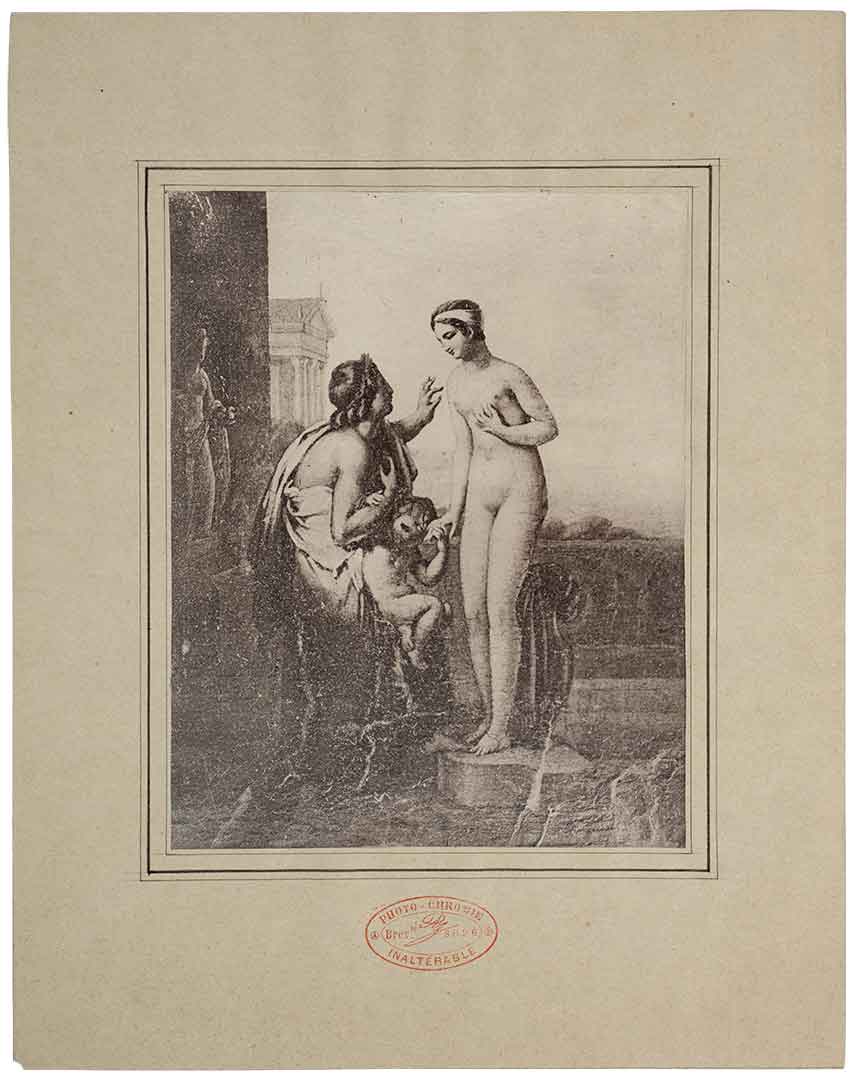
Rendering midtones in a pigment print can only be achieved with a transfer step, so Poitevin’s second procédé au charbon was more complex. Poitevin also chose a different light-sensitive substance: ferric chloride and tartaric acid. This mixture was applied to a sheet of glass, then dried and exposed to a negative in sunlight, which rendered only the exposed areas slightly sticky. Pigment powder could then be padded onto the surface, where it adhered, thereby forming a visible image. For a single-transfer print, collodion was poured onto the plate, then transferred – image and all – to a sheet of paper, resulting in a mirrored final image. To remedy this situation, a subsequent second transfer could be performed, bringing the collodion film holding the image to yet another sheet of paper. Differentiating between the single and the doble transfer prints today can be challenging, since the orientation of the original negative is not known.
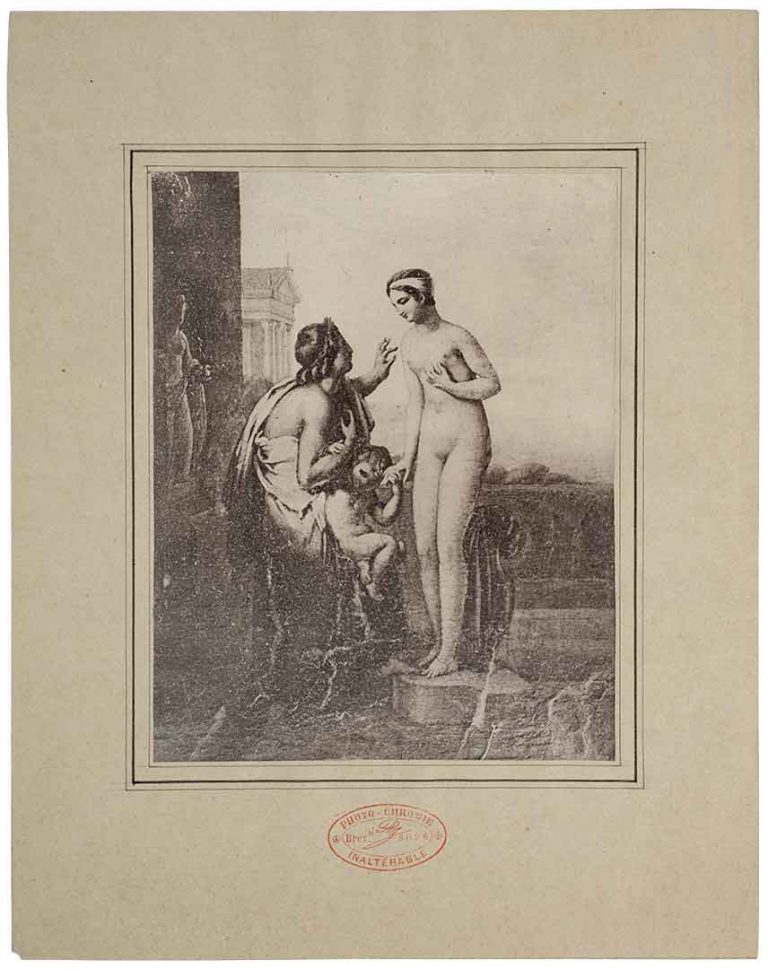 Louis Alphonse Poitevin (1819-1882)
"Reproduction of an Illustration (Possibly Myth of Pygmalion)", c. 1861 - 1868, pigment process with ferric chloride and tartaric acid (single or double transfer), 18,5 (29,8) x 14,3 (23,0) cm
Louis Alphonse Poitevin (1819-1882)
"Reproduction of an Illustration (Possibly Myth of Pygmalion)", c. 1861 - 1868, pigment process with ferric chloride and tartaric acid (single or double transfer), 18,5 (29,8) x 14,3 (23,0) cm
Sources:
Martin Jürgens, “The Photographic and Photomechanical Explorations of Alphonse Poitevin”, in: Daniel Blau (ed.), “Louis Alphonse Poitevin 1819-1882”, Hirmer Publishers, Munich 2021, p. 7-9
Martin Jürgens, “Biography”, in: Daniel Blau (ed.), “Louis Alphonse Poitevin 1819-1882”, Hirmer Publishers, Munich 2021, p. 79
Martin Jürgens, “Index to Plates”, in: Daniel Blau (ed.), “Louis Alphonse Poitevin 1819-1882”, Hirmer Publishers, Munich 2021, p. 52, 57, 64, 72
Publication “Louis Alphonse Poitevin”Order your copy of our latest publication here
All photographs are available for purchase. Prices upon request. For further information please send an email to: contact@danielblau.com
All offers are noncommital. We cannot guarantee the items are still available on request.
Other Diversions
Guided Tour: Rijksmuseum 'The Best of the Gallery of Honour' Paulo Coelho: The Alchemist Paulo Coelho: The Alchemist Audiobook Photolithography - Step by Step Salt Prints at Harvard University

DANIEL BLAU | Photo Competition “3 under 30“ until June 14th 2021
Open Call for Entries extended until July 1st, 2021
Following on the success of last year’s 3 Under 30 competition, which attracted numerous submissions from artists around the world. DANIEL BLAU is pleased to announce the return of this prestigious competition for young photographers.This is a unique opportunity to gain recognition through an internationally renowned gallery.Three photographers will be selected based on the strengths of a submitted portfolio and accompanying statement.
The three winners will be exhibited in a group show organised and publicised by DANIEL BLAU.
The exhibition will take place in Paris in November 2021 as part of the Photo-St-Germain festival.The competition is open to submissions from May 1st – June 14th, 2021.
Applicants will complete a short application followed by a postal submission of photographs.
All photographers aged 29 and under on the competition closing date of June 14th, 2021are eligible to apply.
The winners will be announced on August 15th, 2021.
Submission Form

Glaciers are among the most beautiful natural wonders on Earth.
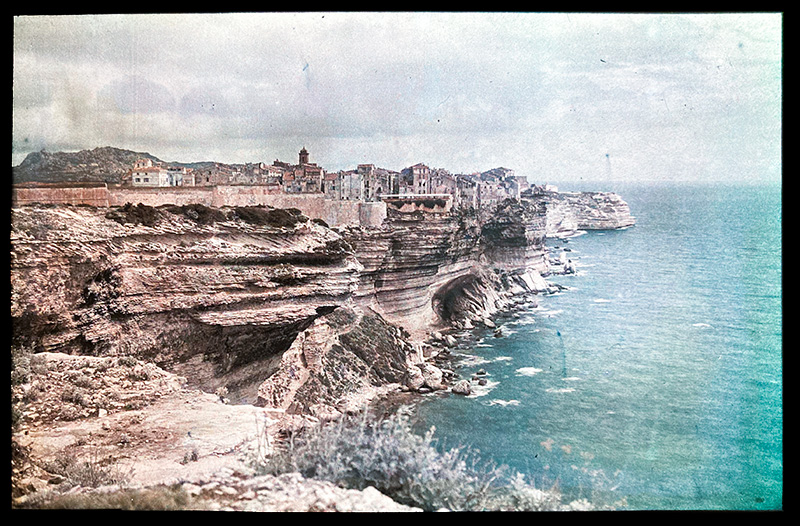
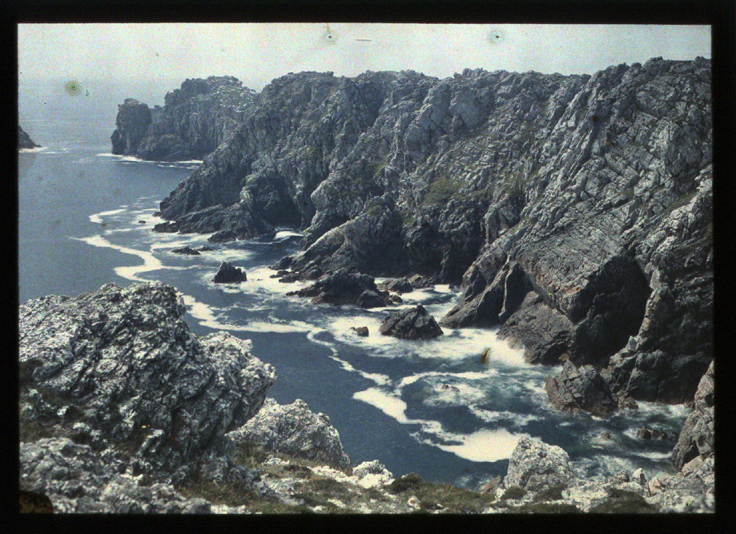
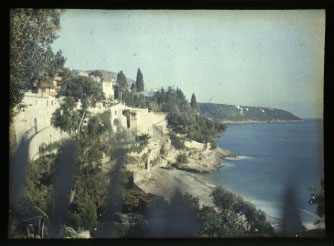
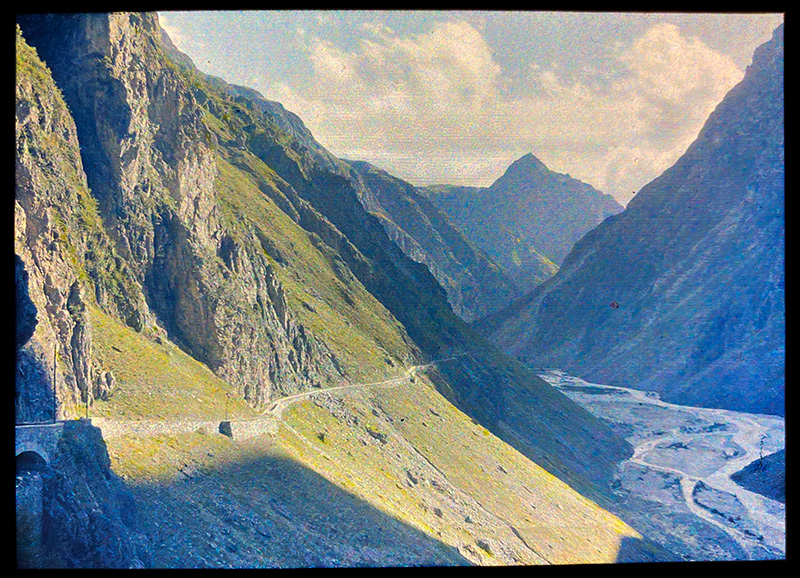
Traveling by Autochrome
Glaciers are among the most beautiful natural wonders on Earth. For most of us, though, they also remain deeply unknown and misunderstood. Glacial ice has shaped the landscape over millions of years by scouring away rocks, transporting and depositing debris far from its source. Glacial meltwater drives turbines and irrigates deserts, yielding mineral-rich soils and leaving us a wealth of valuable sand and gravel. Our future is bound up closely, if indirectly, with the future of glaciers, and with the impact of their fate on our global climate and sea levels.
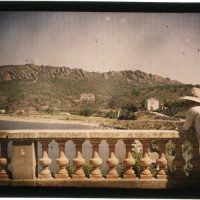
In 1914, a world’s fair was held in south of France – the Exposition international urbaine de Lyon.
The site of the fair sprawled across 184 acres of Lyon’s 7th arrondissement, including the grand Garnier exhibition hall, an imitation alpine village, a horticultural garden, a dedicated pavilion for the city’s famous silk industry, and international pavilions for both foreign nations and France’s overseas colonies. The last day was scheduled for November 1st, but history intervened. The outbreak of World War I forced the closure of the Austrian and German pavilions on August 2nd, and many of the fair’s other delegations left soon afterwards. The Exposition managed to remain open until November, as planned; by the time it officially ended, though, much of the once-proud fairgrounds had been empty for weeks.
Sources:
Sources:
Michael Hambrey, Jürg Alean, “Glaciers”, Cambridge University Press 2004.
Exposition international urbaine de Lyon
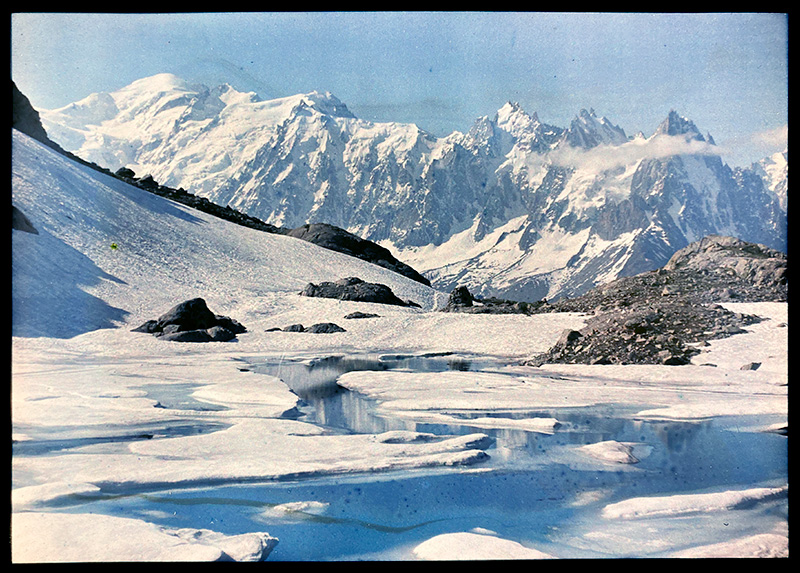

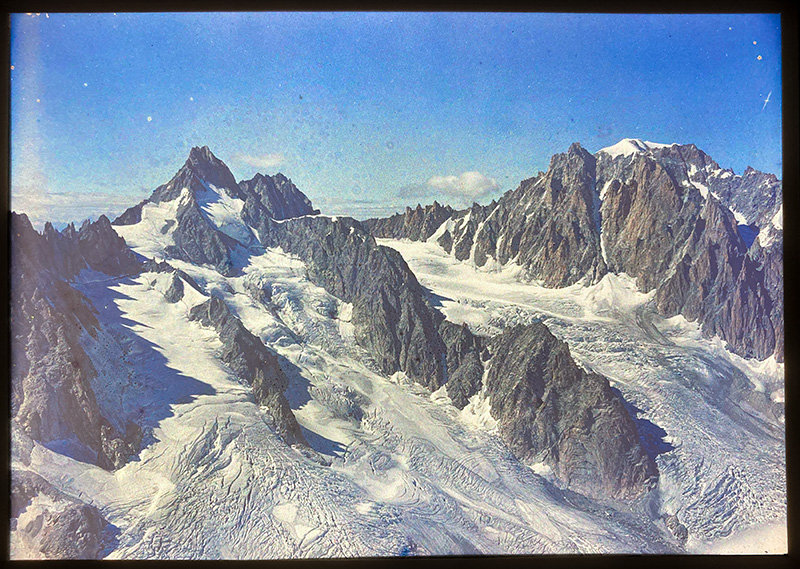


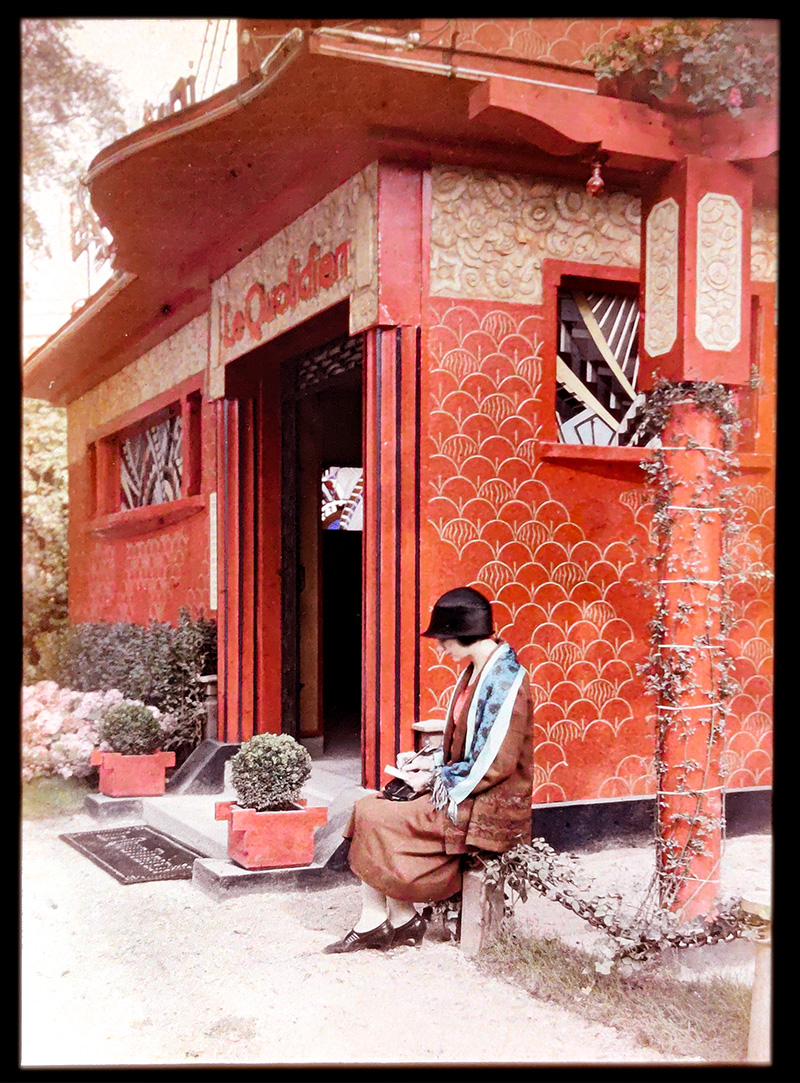
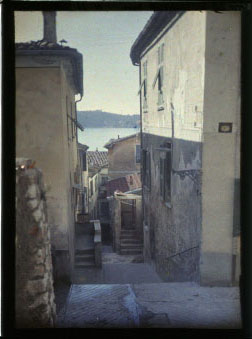


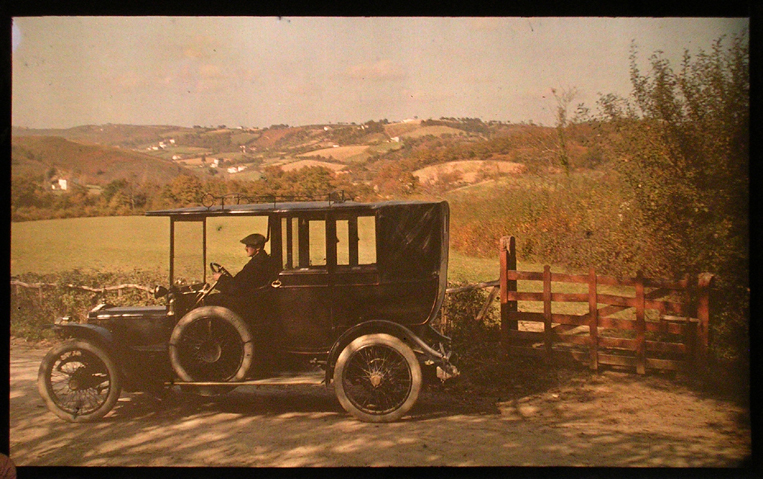
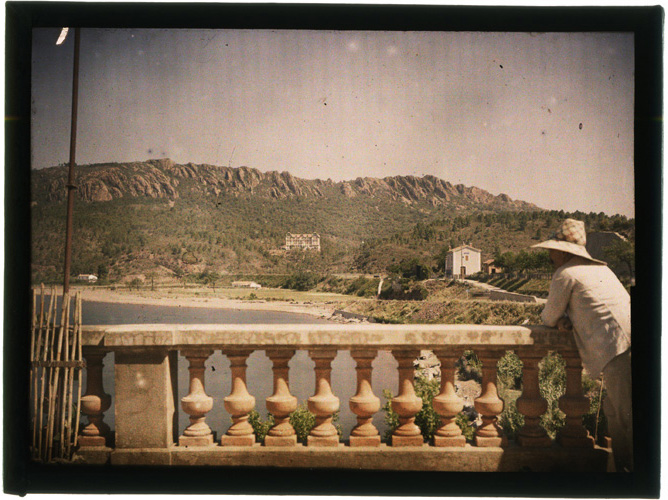
All photographs are available for purchase. Prices upon request. For further information please send an email to: contact@danielblau.com
All offers are noncommital. We cannot guarantee the items are still available on request.
Other Diversions
Before/after comparison photo of Rhone glacier (Valais, Swiss Alps) The Sound of a Glacier Guided Tour: Autochromes Franklin Knott All Episodes of 'Our Planet' with David Attenborough (Netflix) Lewis Dartnell: Origins Ben Day Dots defined

Louis Alphonse Poitevin
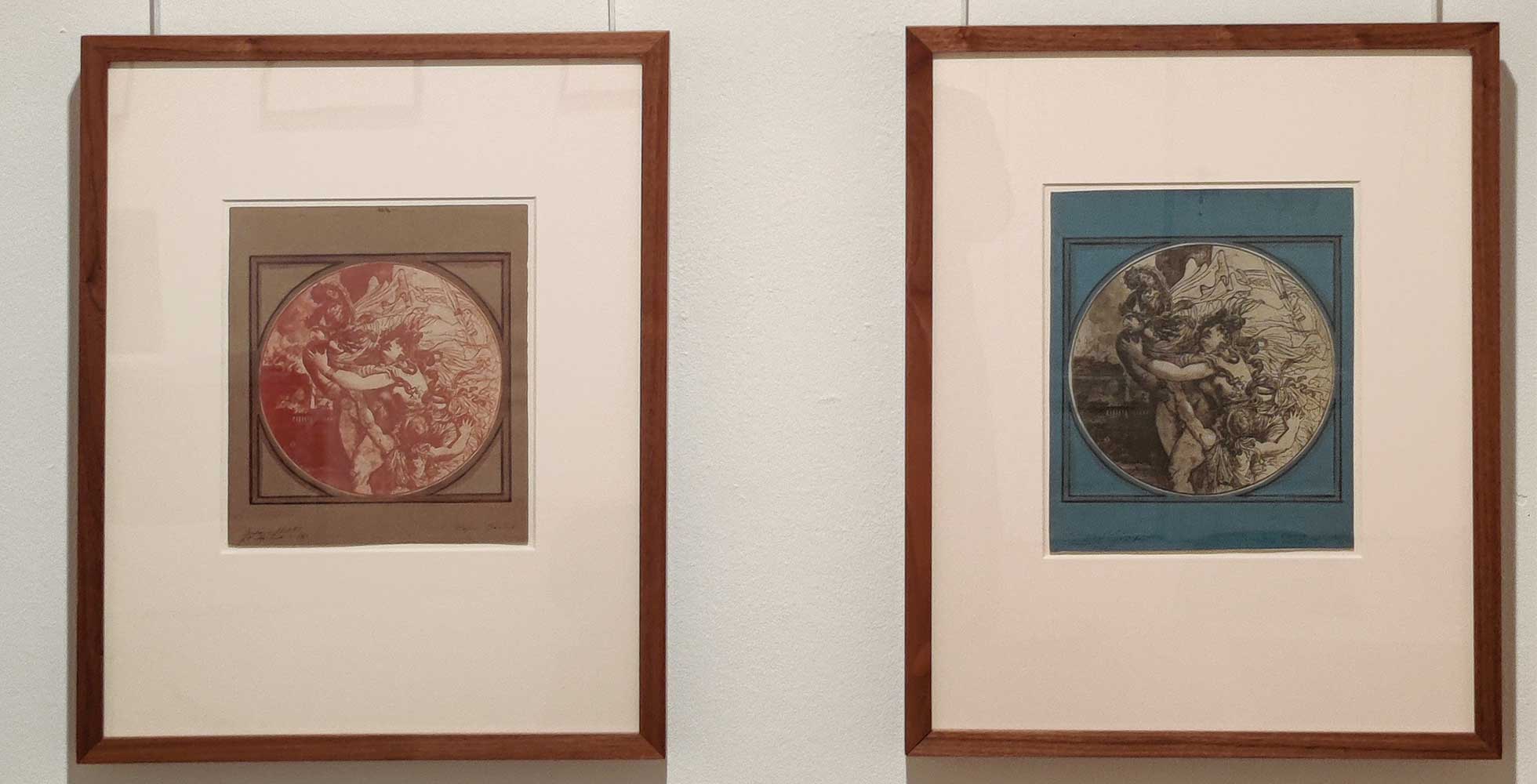
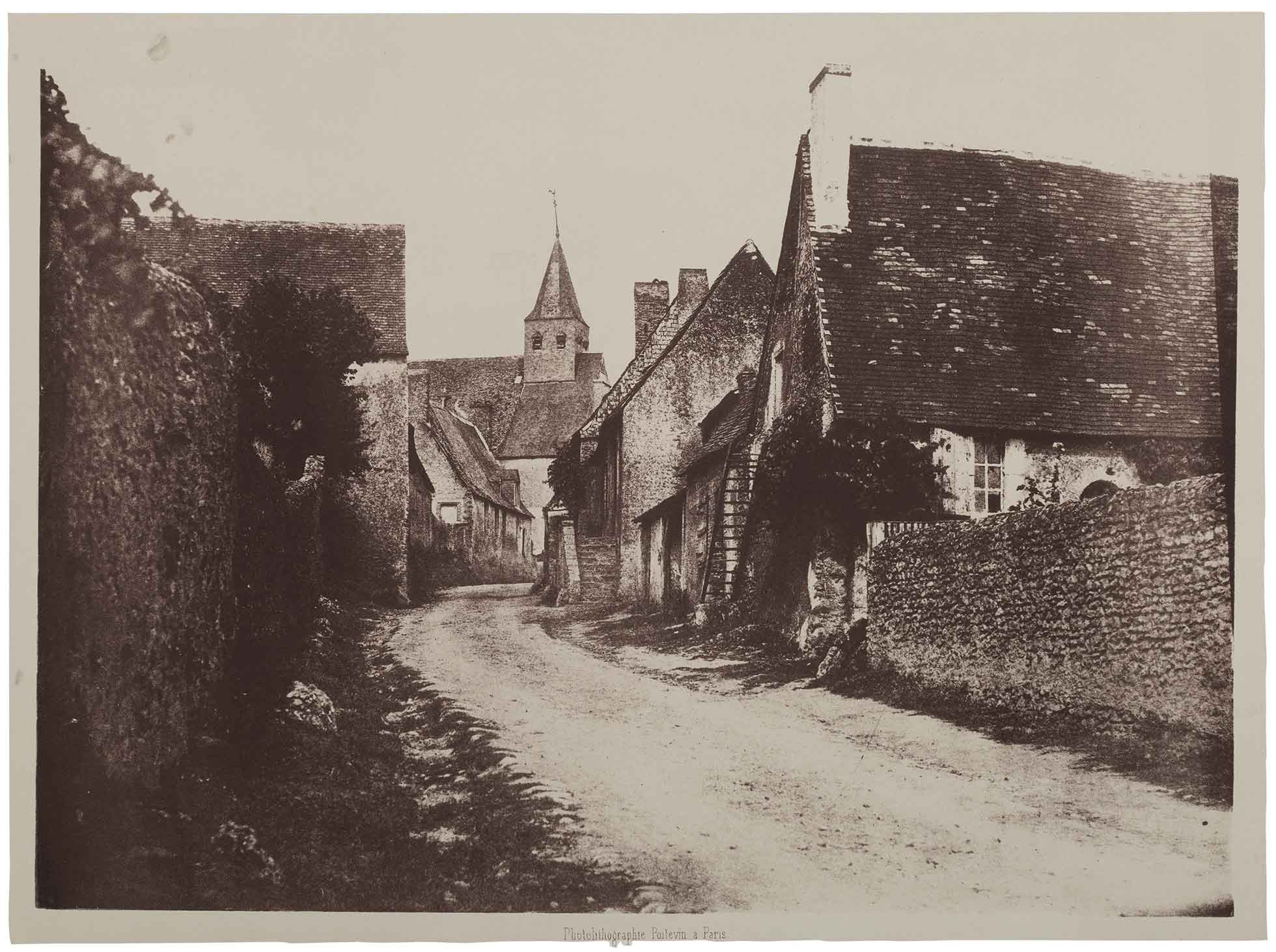
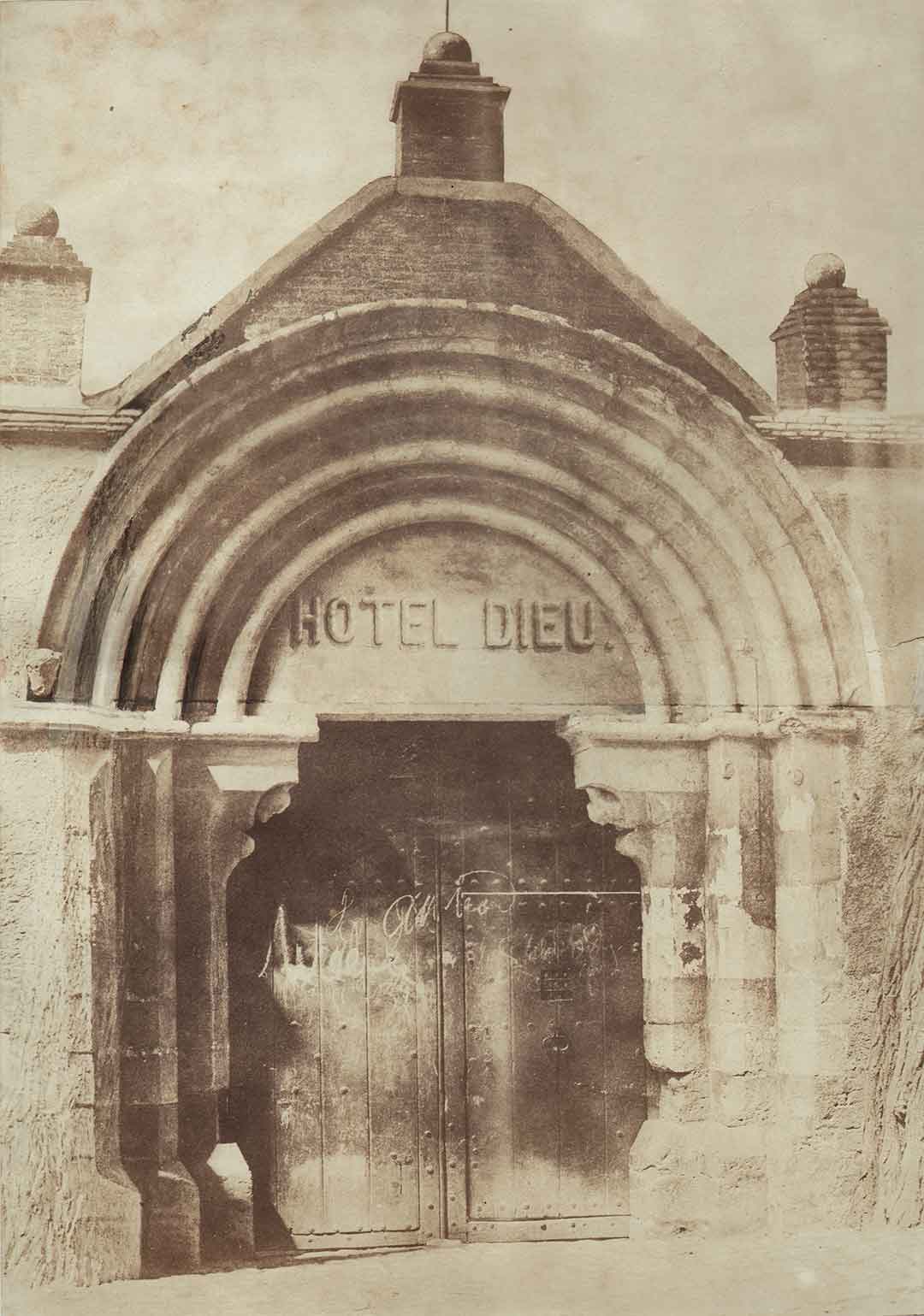
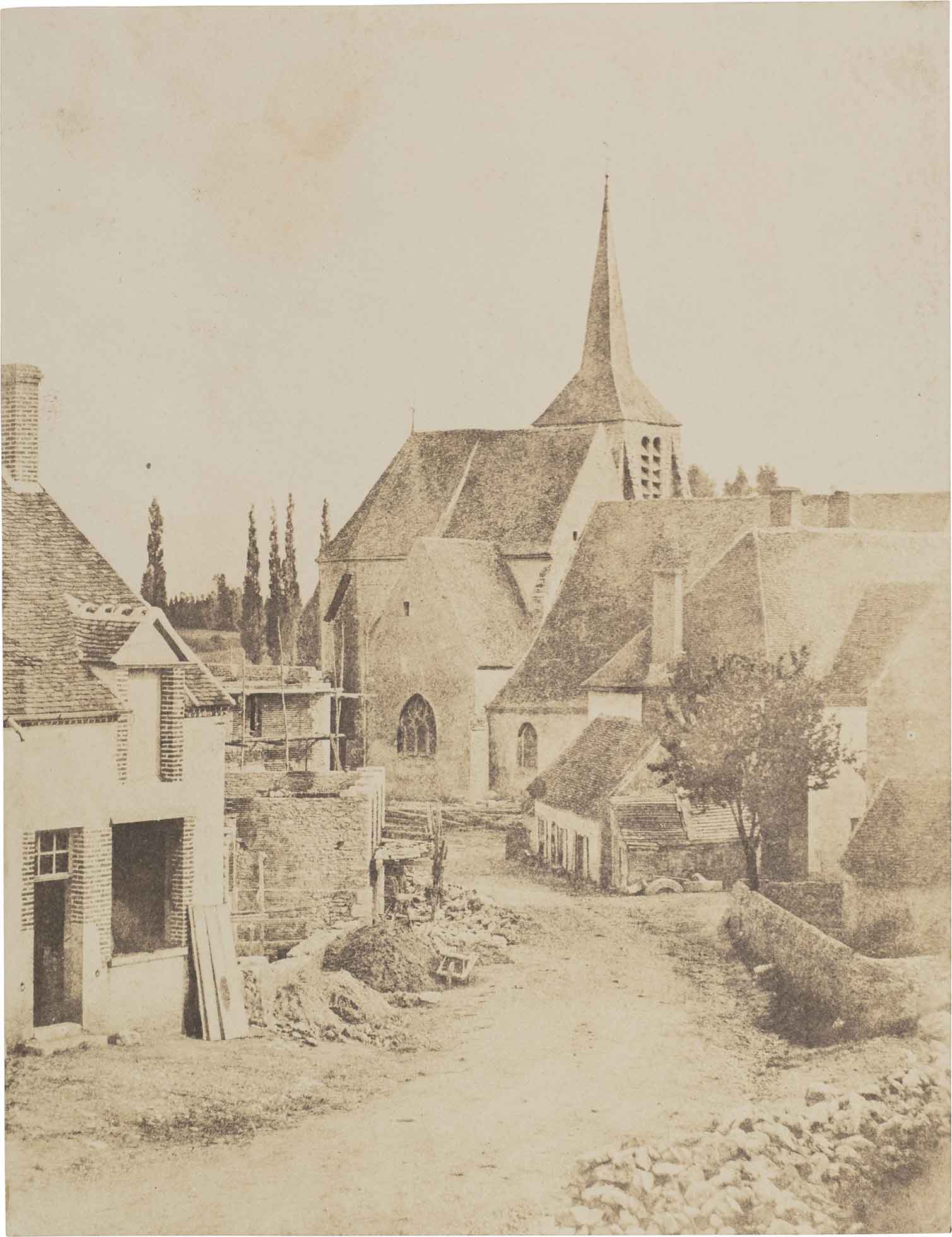
DANIEL BLAU is pleased to present Louis Alphonse Poitevin, an exhibition honoring an outstanding inventor, chemist, engineer, researcher, artist and photographer, and one of the most important characters in the development of photography as we know it today.
For more than 35 years, Louis Alphonse Poitevin (1819-1882) experimented with chemical and mechanical processes in search of a printable and longer-lasting photograph. He recognized early on that photography had the potential to revolutionize how mass-produced books were illustrated. His work brought that revolution about, creating the first practical process for printing photographs, as illustrations within books, on an industrial scale.
This exhibition of Alphonse Poitevin’s work, featuring 47 rare photographs, offers the opportunity for an in-depth view into some of his most prescient inventions. Poitevin is remembered today most for establishing the fundamental principles of four non-silver process families: photolithography, collotype, dichromate relief systems, and the carbon pigment process.
Exhibition: until July 20th, 2021 | paused until July 16th for a special exhibition
11am – 6pm | mon – fri
Maximilianstraße 26, 80539 München


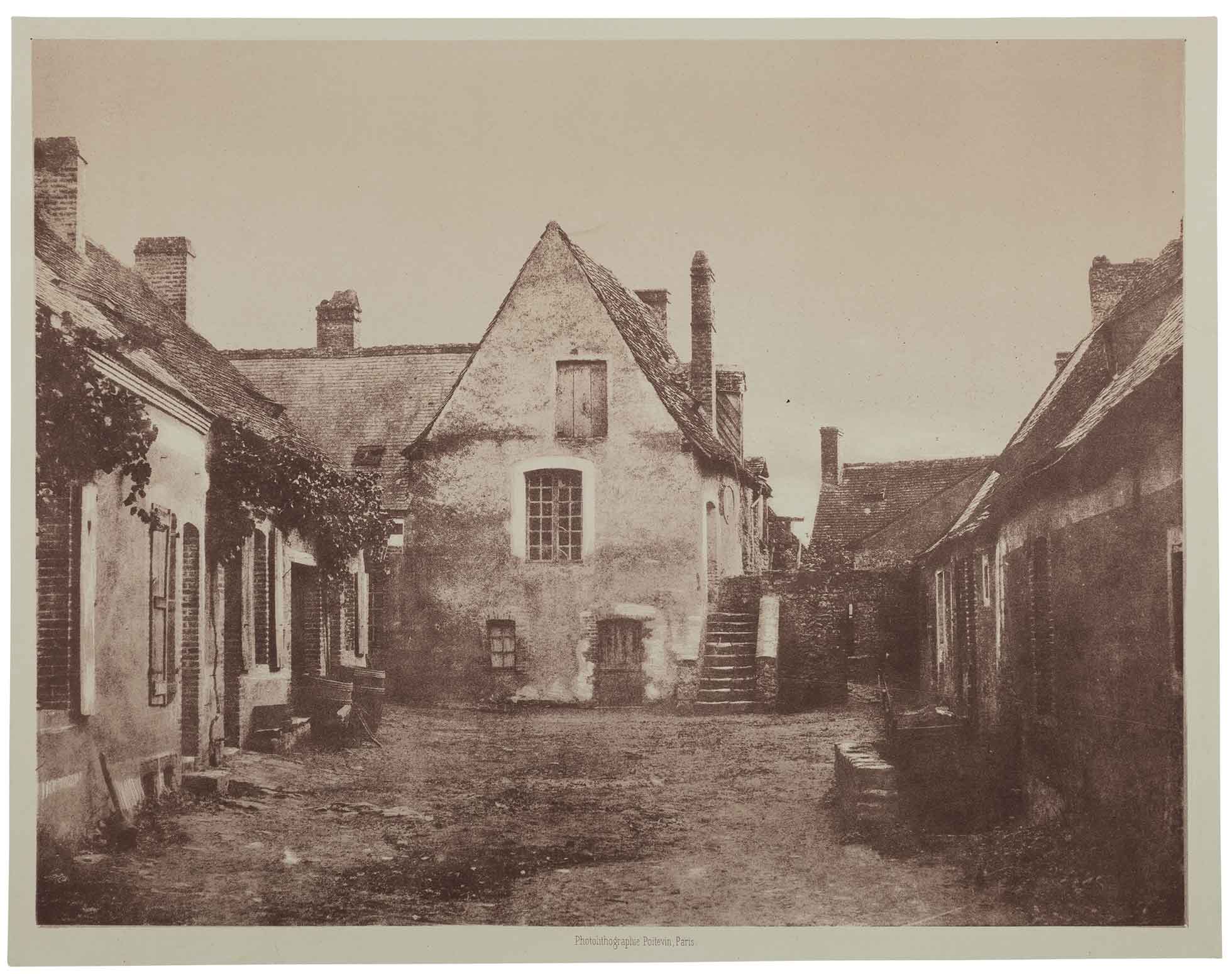
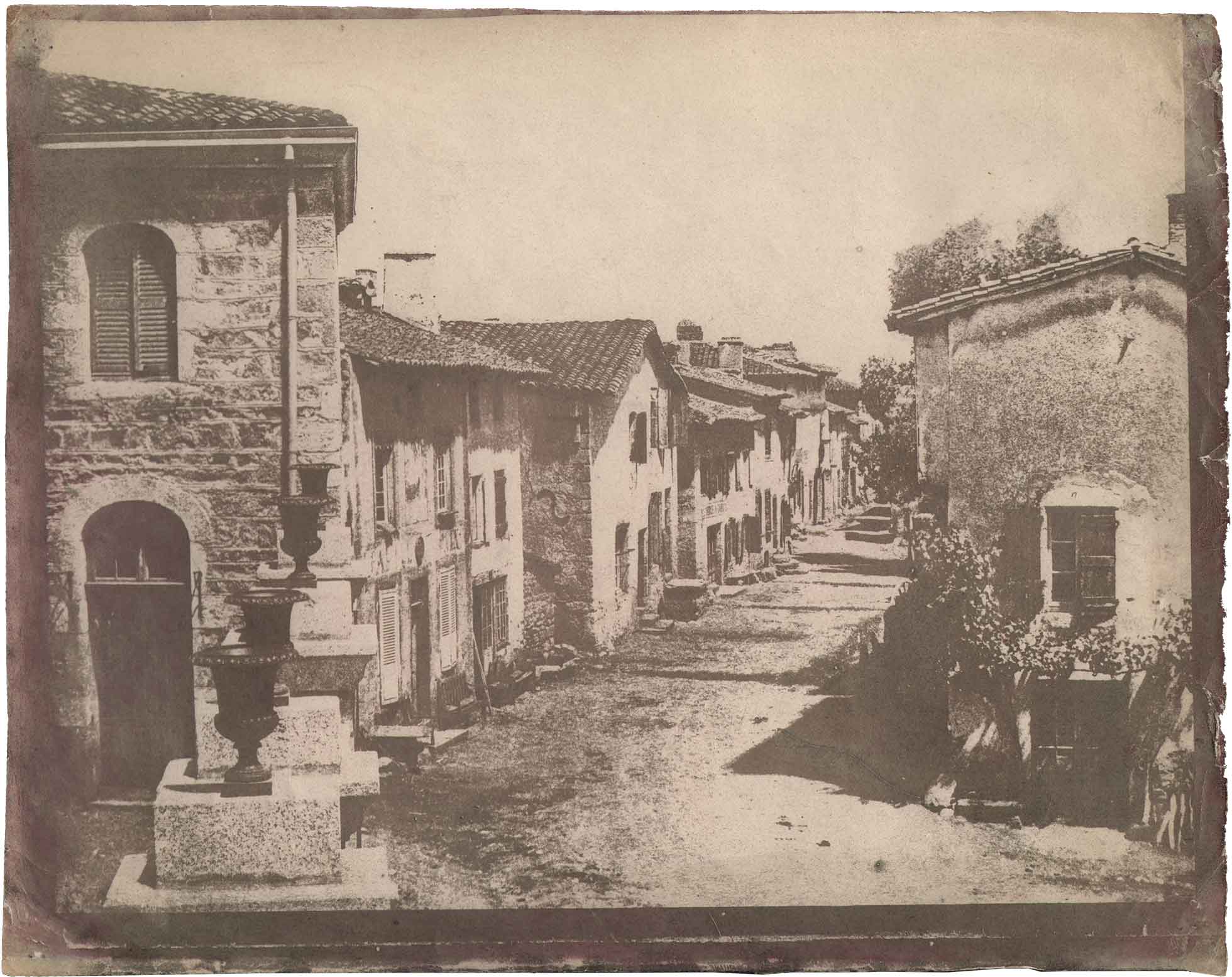
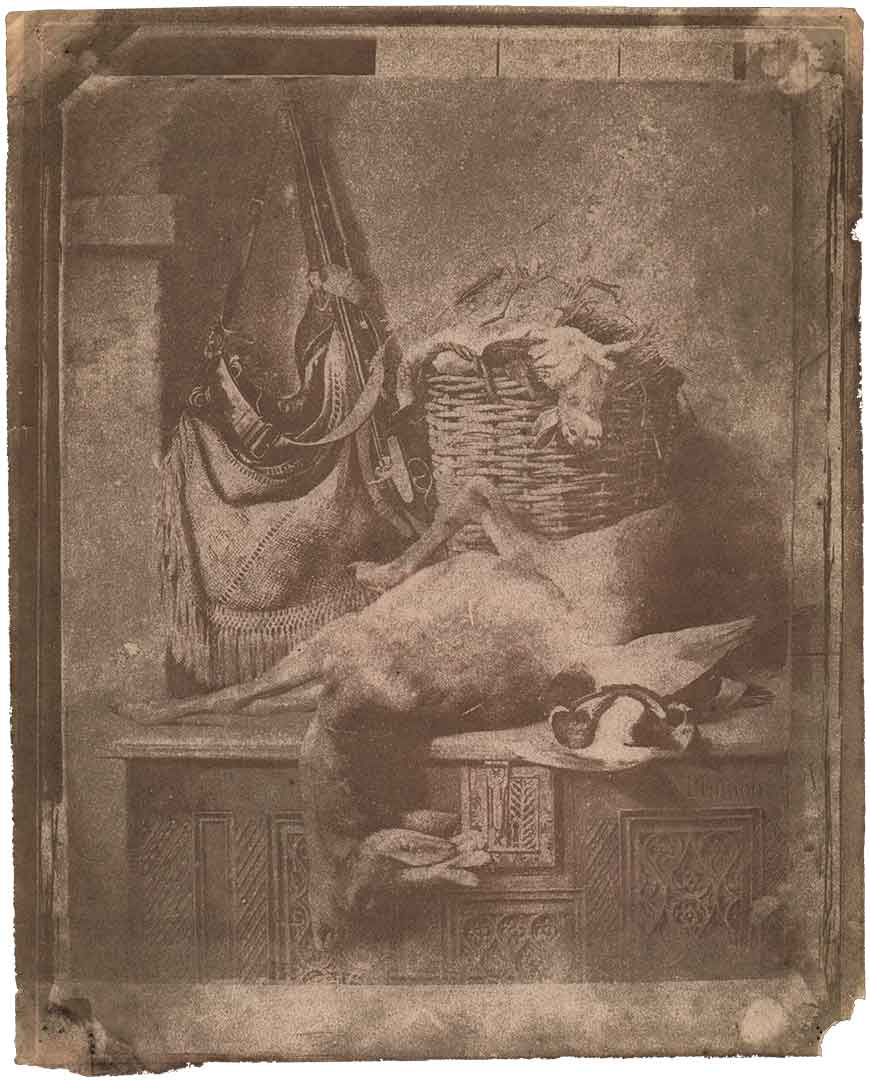
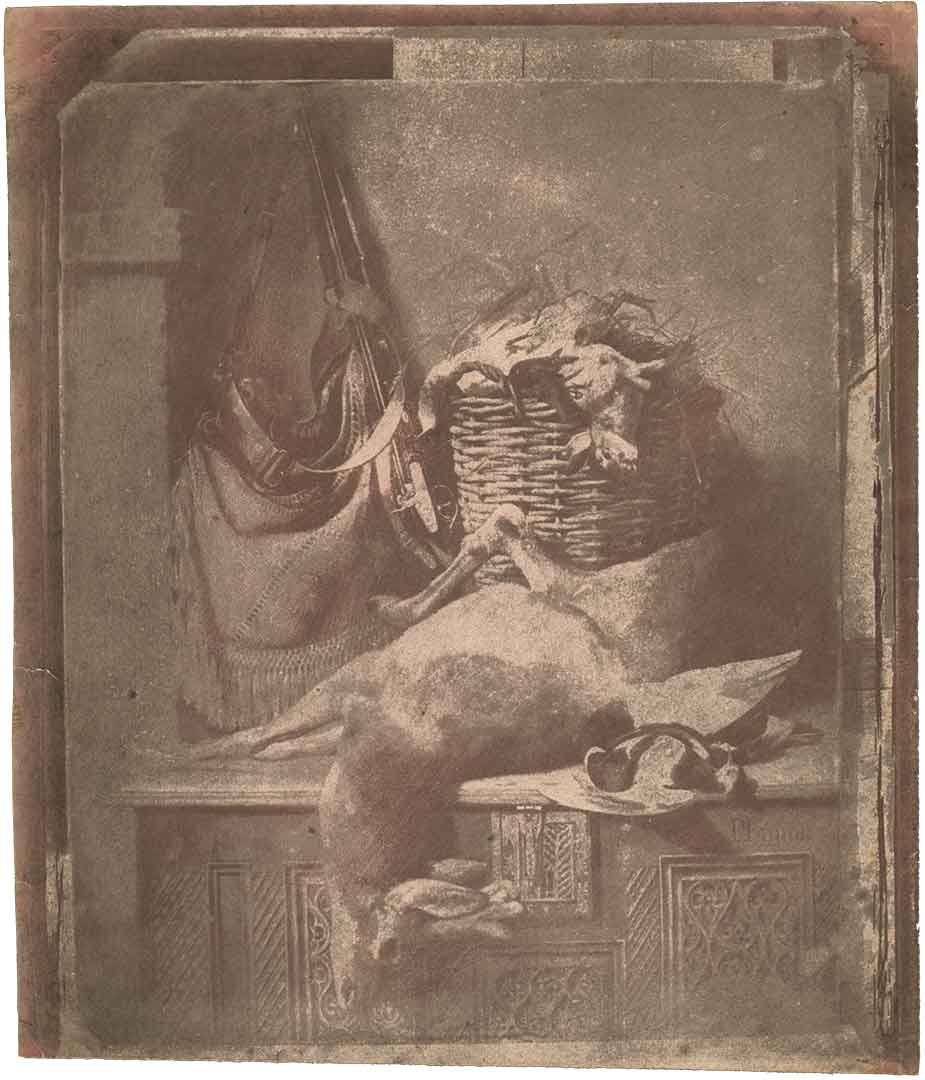

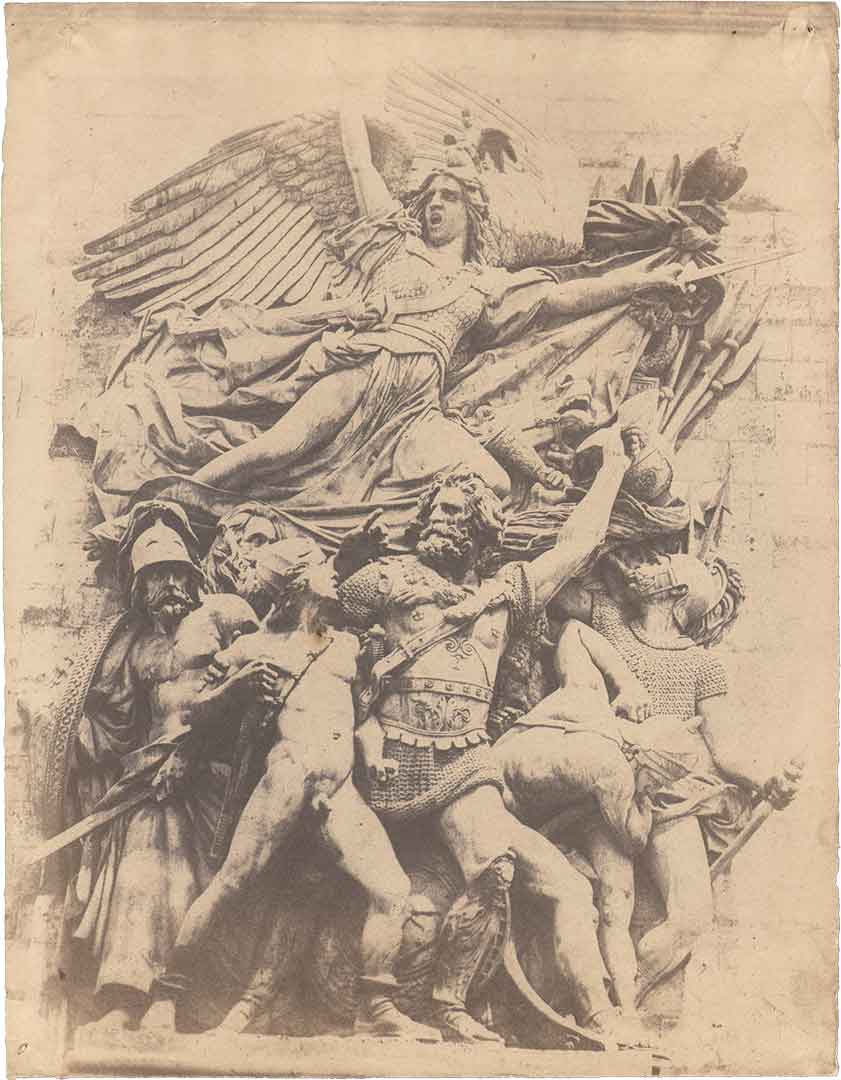
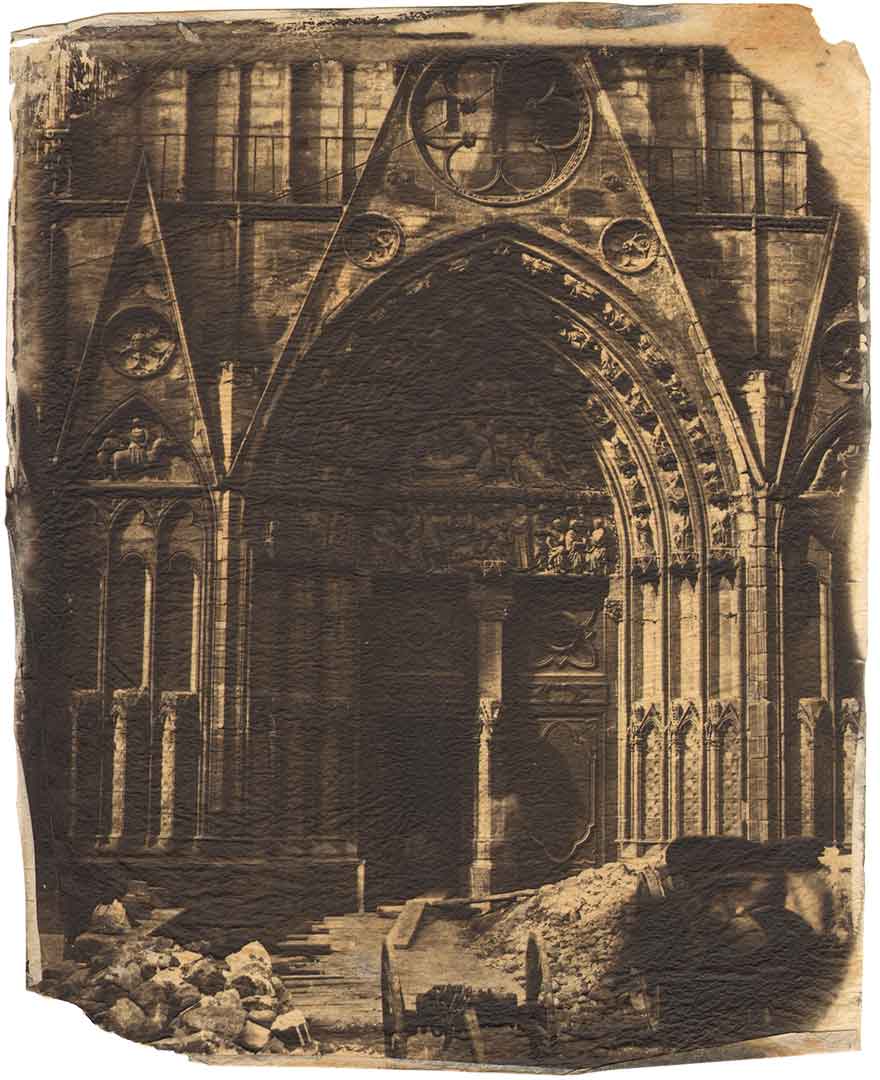
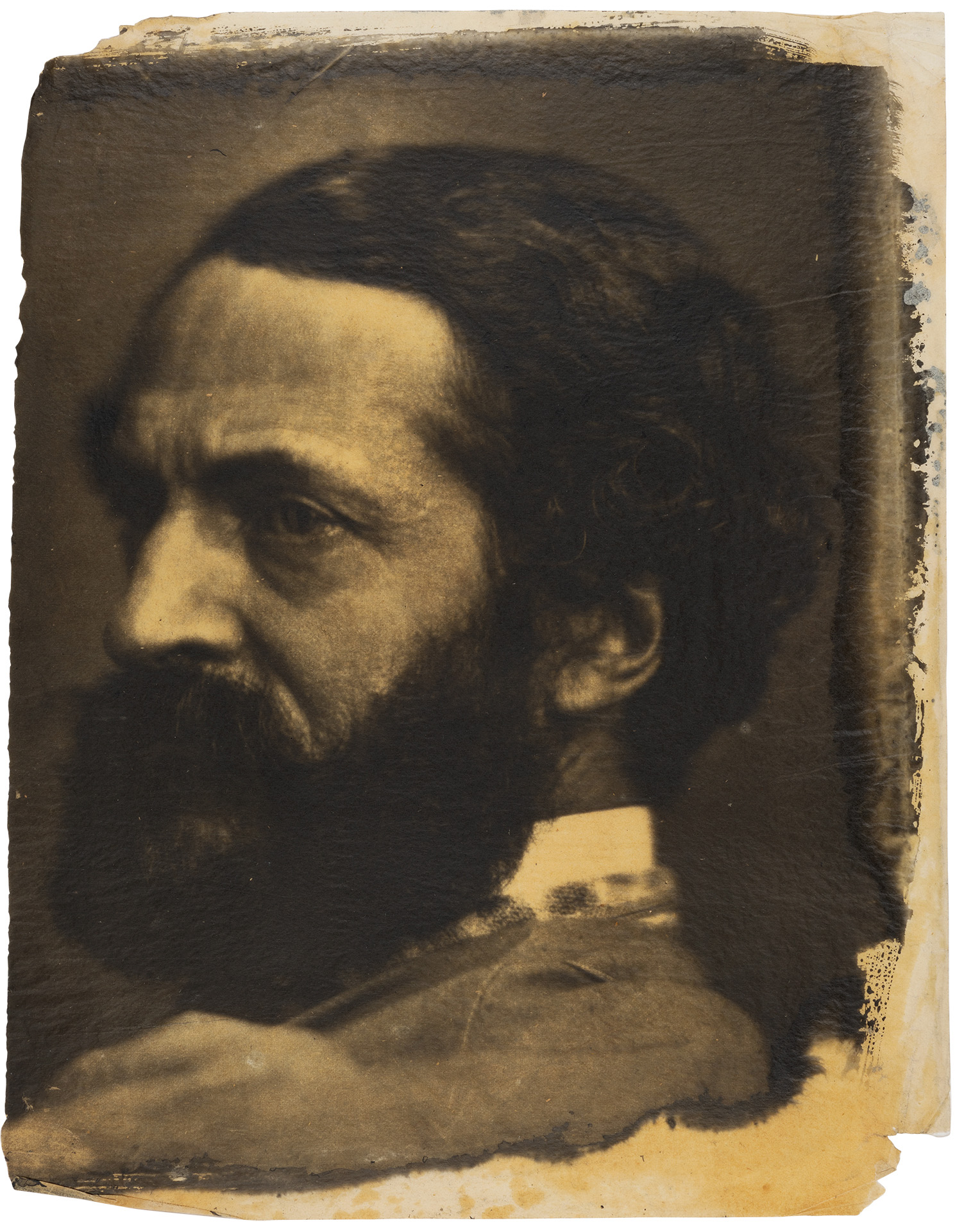

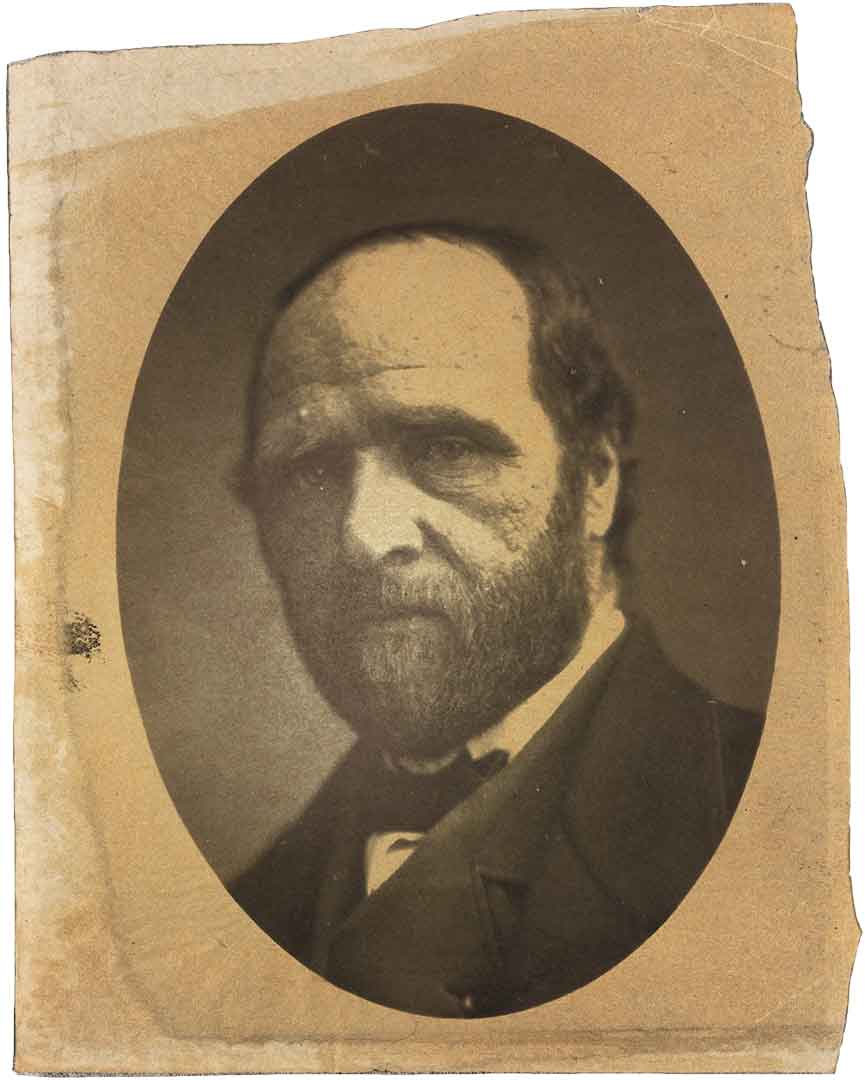
All artworks are available for purchase. Prices upon request. For further information please send an email to: contact@danielblau.com
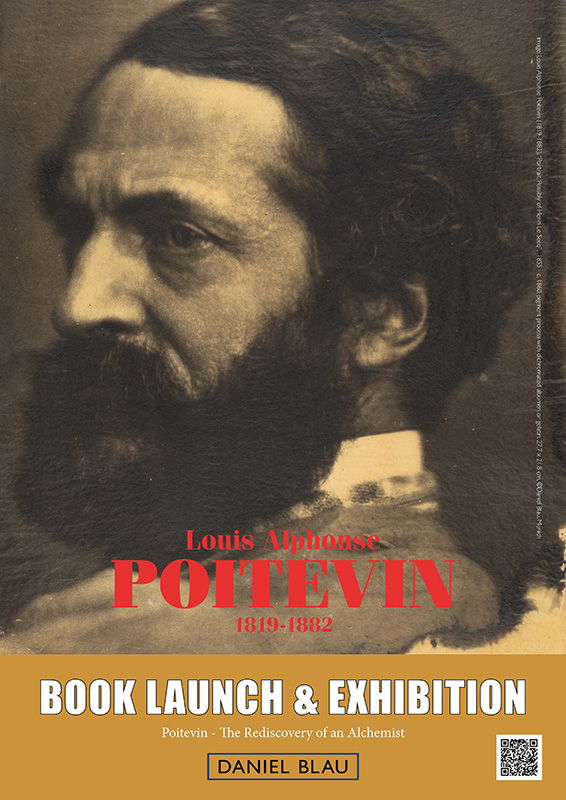
Louis Alphonse Poitevin (1819-1882)
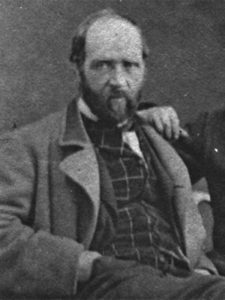
Louis Alphonse Poitevin was born in the small town of Conflans-sur-Anille, halfway between Paris and Nantes, on August 30, 1819. After graduating from school in 1838, he moved to Paris to study chemistry at the École Centrale des Arts et Manufacture. In 1839, the discovery of the daguerreotype was announced at the Académie des sciences, and Poitevin became immediately hooked on photography. He purchased a camera and the necessary utensils for this new art and began making daguerreotypes in his free time.
Poitevin left the École Centrale just as France was entering the era of industrialisation, and from 1844 on he was quickly able to find employment as a chemical engineer. Over the next 30 years, he worked in salt and copper mines and glassware factories all over France and even in Algeria. At these locations, and in bouts between assignments, he dedicated his spare time to the study and invention of new photographic processes, in a constant quest for improving working practices and achieving successful results, an approach he also applied to his professional engineering tasks. He was extremely versatile in his projects, inventing both photomechanical and photochemical processes. The former include early methods of converting daguerreotype images into printing matrixes, the first successful photolithographic process, and explorations into the fundamentals of the later invented collotype. The latter combined both positives and negatives, on paper, glass, and even ceramics.
With his photolithographic technique of 1855, Poitevin won the much sought after Grand prix du Duc de Luynes in 1867, a contest run by the Societé française de photographie designed to stimulate research into developing a photomechanical process for the photographic illustration of publications. He also won a number of prizes for his non-silver photographic techniques, including a gold medal at the International Exposition in Paris in 1878. He held five patents, and his book “Traité des impressions photographiques” was published twice: the first edition in 1862 and a posthumous second edition in 1883. He published over 80 technical articles in professional journals of photography and printing. Poitevin died on March 4, 1882, in the village of his birth, leaving behind his wife Sophie (née Pequegnot), whom he had married in 1865.
Text by: Martin Jürgens, 2021
See recent publication “Louis Alphonse Poitevin”
Auguste (1862-1954) and Louis (1864-1948) Lumière
The Lumière Autochrome, invented by Auguste (1862-1954) and Louis (1864-1948) Lumière, was the first practical and commercially viable process of color photography. After ten years of research and experimentation, the Lumière firm introduced the first Autochrome plate to the world in 1907. The Brothers Lumière were also the inventors of the Cinémathographe, patented on February 13, 1895. France’s first public film screening, in front of a paying audience, took place on December 28 of the same year.
Alfred Stieglitz (1864-1946)
Alfred Stieglitz (1864-1946) was more than just a photographer: an enormously influential gallerist, he introduced the European avant-garde and their works to the world of contemporary American art. In 1903 he founded the annual magazine Camera Work, which contained critiques and reproductions of avant-garde artists alongside photographs. Matisse, Cézanne, Rodin, and Braque, among others, all exhibited at Galerie 291, founded by Stieglitz and Edward Steichen in 1905.
Ellis Kelsey (1866-1939)
Ellis Kelsey (1866-1939), who had been moonlighting as a photographer since 1889, turned to the Lumière Autochrome as soon as it was released, in 1907. By 1908 he was already able to show eight pieces, his first color photographic work, in exhibition at the Royal Photographic Society in London.
Samuel Gottscho (1875-1971)
The photographs of Samuel Gottscho (1875-1971) expose a particular fondness for architecture, landscape, nature, and countryside living. Despite dabbling in the art since 1896, it was only at the age of fifty that his hobby became a career. His photographs appeared in the pages – and even graced the covers – of American Architect and Architecture, Architectural Record, The New York Times, not to mention numerous home decoration magazines.
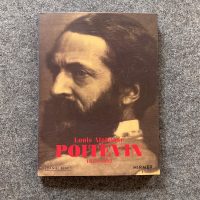
Louis Alphonse Poitevin
Poitevin – The Rediscovery of an Alchemist
Daniel Blau is pleased to present Louis Alphonse Poitevin: outstanding inventor, chemist,
engineer, researcher, artist and photographer.
For more than 35 years Poitevin (1819-1882) experimented with chemical and mechanical processes to make photographic images printable and durable. Poitevin recognized early on
how important photography would be to illustrate printed books. He developed the first applicable methods, the implementation of which made the printing of photographically
illustrated books possible in the first place. Presenting 47 rare photographs, this exhibition of Alphonse Poitevin’s work offers the opportunity for an in-depth view into some of his most prescient inventions in photography.
Poitevin is remembered today most for establishing the fundamental principles of four nonsilver process families: photolithography, collotype, dichromate relief systems, and the carbon pigment process. His inventions refined existing techniques and made the mechanical reproduction of images and thus, the illustration of printed books, possible.
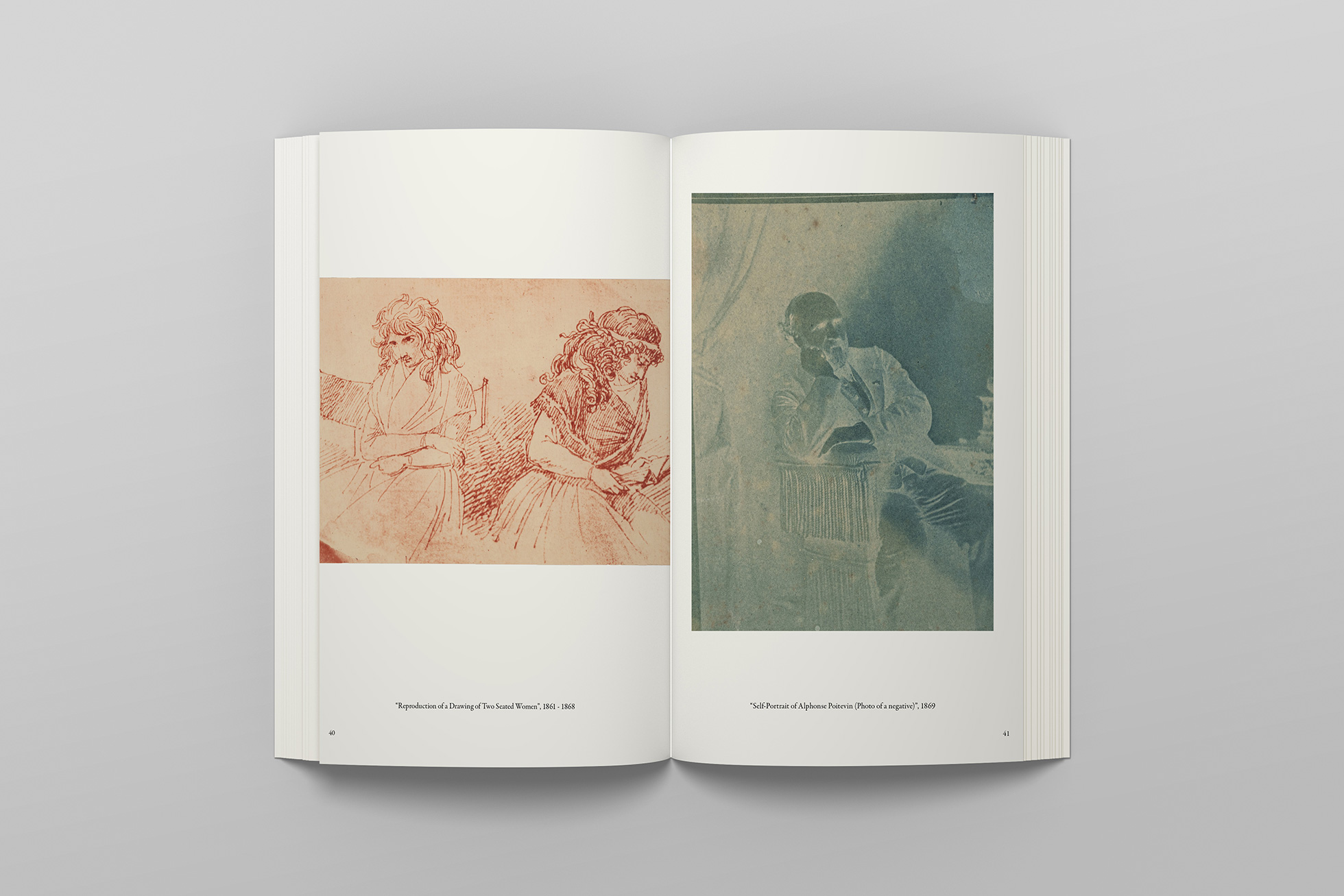
The publication offers the unique opportunity to take a comprehensive look at the life and work of the famous pioneer of photography using a large number of different photographs
and the latest cutting-edge-technology research results. The volume brings together photographs and the results of experiments that provide a comprehensive insight into Poitevin’s work and place his achievements in both a technical and an art-historical context.
Alphonse Poitevin here at last receives some of the attention he deserves.
Available to order!
Editor:
Daniel Blau
Maximilianstr. 26
80539 Munich
Published by:
Hirmer Publishers
Bayerstr. 57-59
80335 Munich
Printed and bound by Pelo-Druck Lohner oHG
Paper content: Tauro 120 g/m2
Paper cover: Flexcover, Gardamatt 350g/m2
84 pages, 97 illustrations
25,0×18,5cm, softcover
ISBN: 978-3-7774-3747-7
€ 29,90
Published: 2021
Copyright: all illustrations © Daniel Blau, Munich
Text: Martin Jürgens, Katharina Rohmeder
Layout: Christiane Wunsch
Editor: Robert Isaf
Order your copy exclusivly here: contact@danielblau.com
or via Hirmer Publishers

 +49 89 29 73 42