



Author: Christiane Wunsch

The Lumière Autochrome, invented and marketed by brothers Auguste and Louis Lumière,
was the world’s first practical color photography process.
The Art of the Autochrome
Even from the moment of photography’s invention, the absence of color was recognized as one of its greatest shortcomings. The development of color photography became one of photomechanical research’s primary goals over the course of the 19th century. The photosensitive material in use at the time did in fact register the wavelengths of different colors in our visible spectrum when recording an image – there simply wasn’t a way to directly reproduce that color. Once it was understood that a simple re-creation of color wouldn’t be possible, the technical pioneers and inventors of the time searched for another method, for a way to deconstruct the colors of reality and reassemble them again by scientific means.
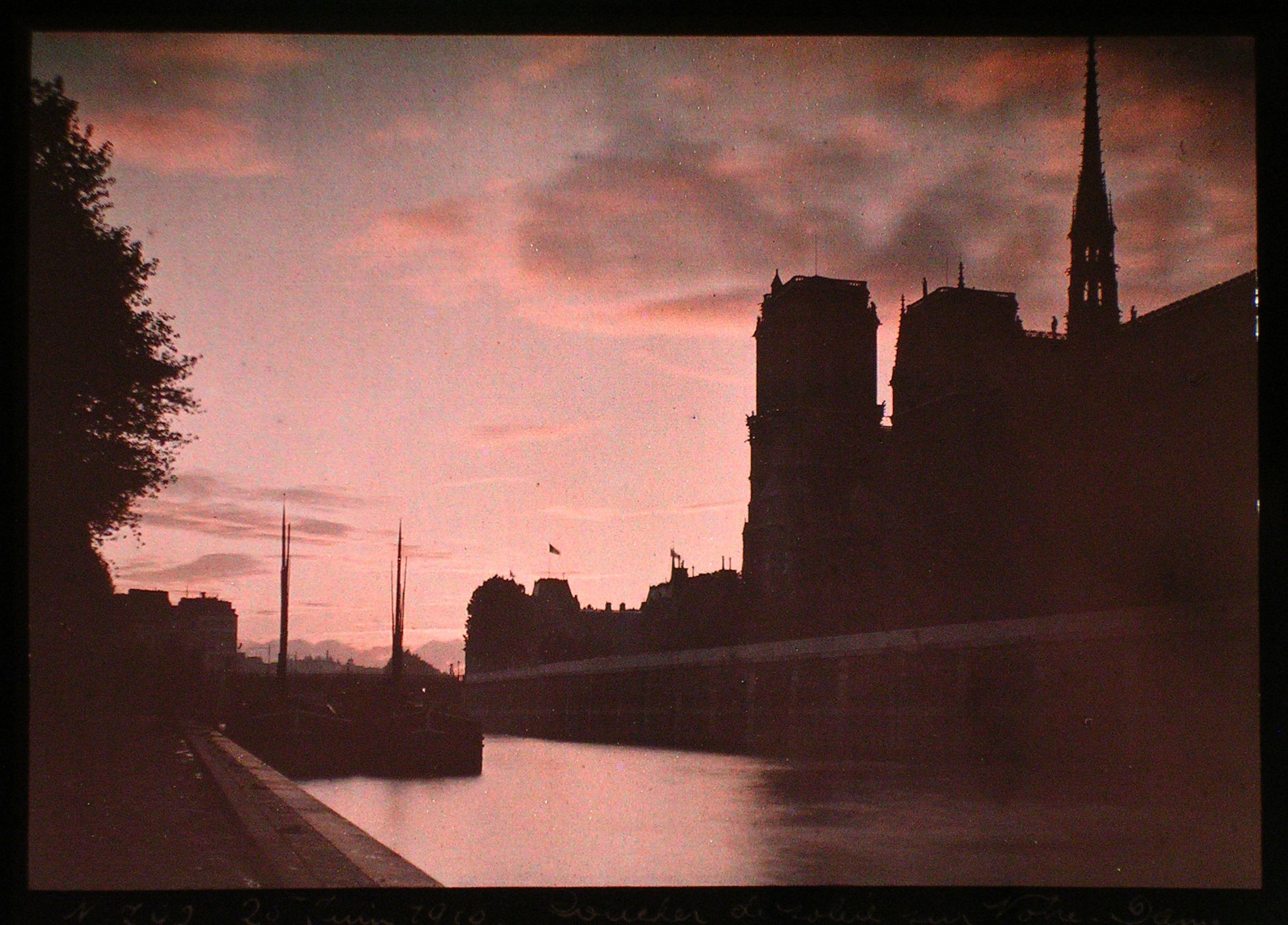
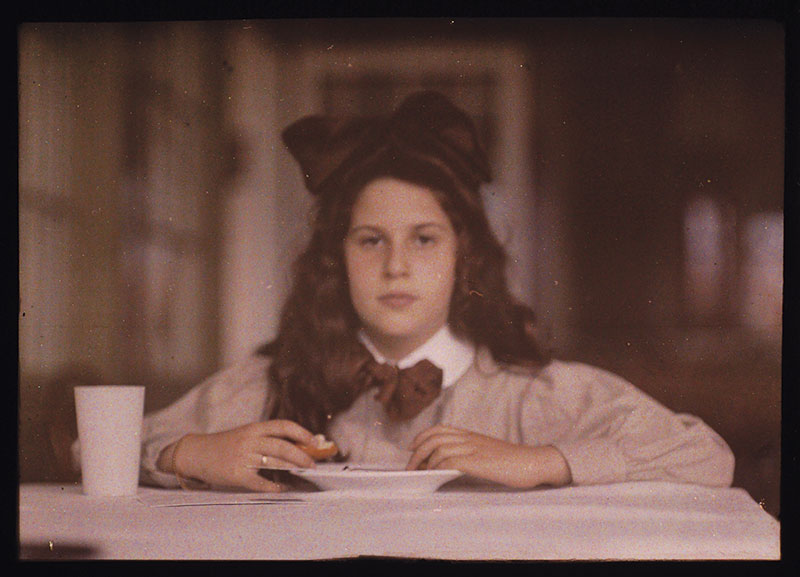
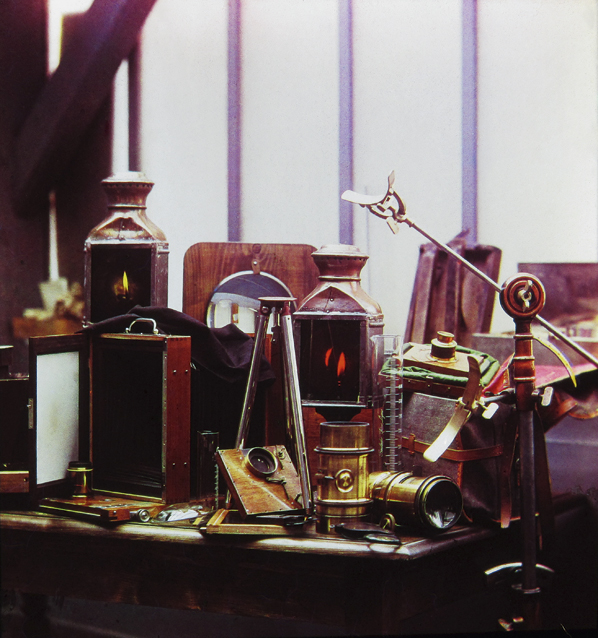
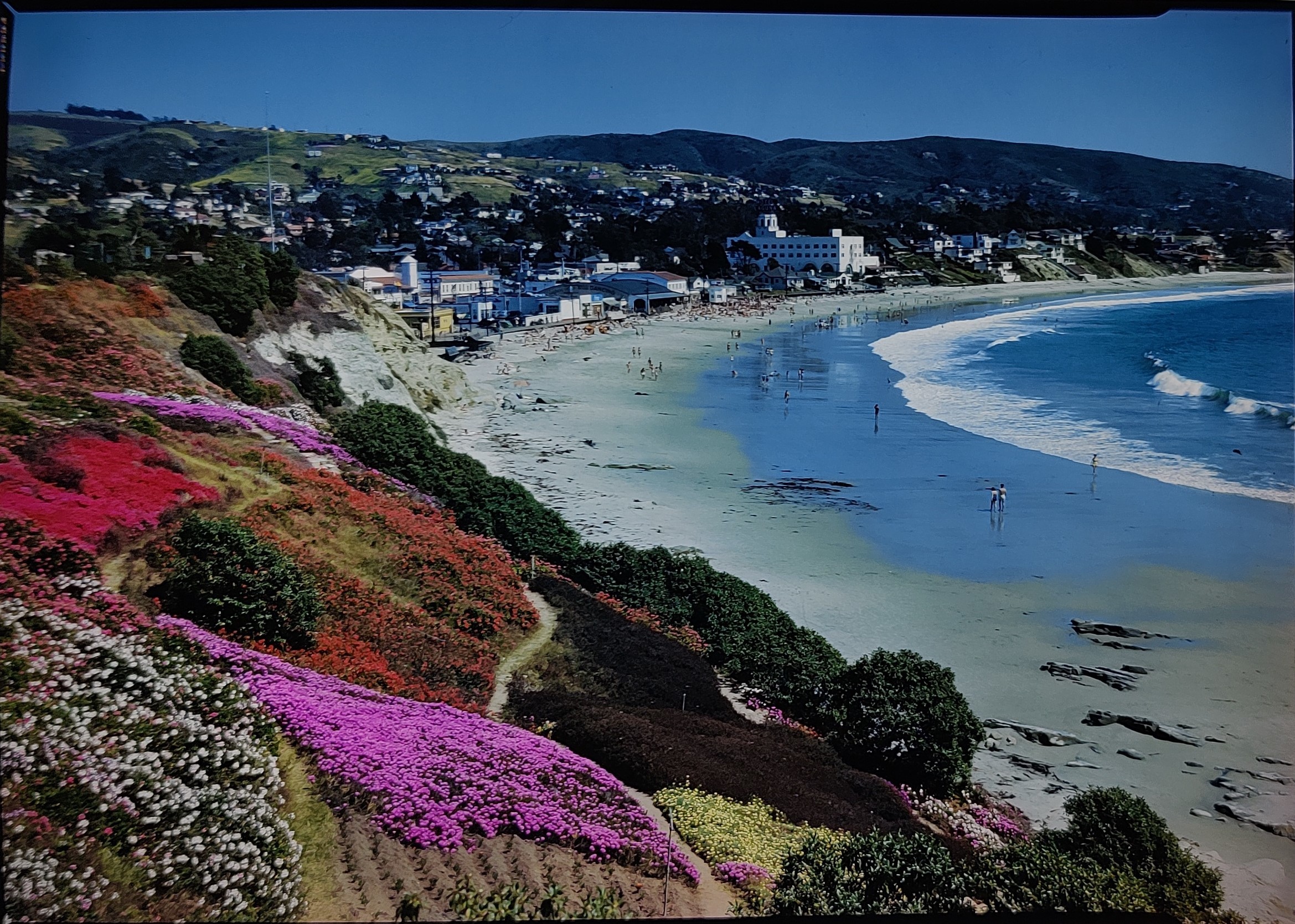
The Lumière Autochrome, invented and marketed by brothers Auguste and Louis Lumière, was the world’s first practical color photography process. The trichrome (publicised a few years earlier) was the first commercially available color process. It was complicated to use, as three separate pictures had to be taken of the same object through different color filters. Thus the autochrome became the first practical color process. After ten years of intensive research and development, the Lumière company introduced the first autochrome plates in 1907. The color pictures that resulted were on glass plates, and viewed as transparencies. They consisted of a color screen superimposed upon a black-and-white positive, which modulated the light passing through the color screen. While more modern color techniques – even those which also resulted in transparencies as the final product – exclusively used subtractive color processes, the Autochrome stands apart for employing additive color.
We can narrow the use of Autochrome photography down to a relatively precise period of fifty years: from the commercialization of the process by the Lumière Brothers (1907) until the final end of the technology’s production (1956/57). Its importance, however, had already experienced a significant decline by the end of the 1920s. A turning point came in 1931, when Lumière replaced glass plates with celluloid sheet film (Filmcolor) as its commercially available capture medium. After 1936, Autochrome had to contend with competition in the form of subtractive color process, from Kodak (Kodachrome) and Agfa (Agfacolor), which began gradually replacing Autochrome plates on the market.
A glass plate would first be coated with tiny, transparent grains of potato starch that had been dyed in the additive primary colors – red, green, and blue. These dyed grains were mixed and spread in even proportions over the plate, which as a result appeared gray when white light was shined through. The spaces between the grains were filled by a carbon black dye. A final coat, of a black-and-white photographic emulsion, came on top of that. When the photographer placed the plate in the camera, this final coat of emulsion was furthest away from the lens; when the lens was opened, light had to pass through the glass plate and through the colored grains before reaching the emulsion, although it was this emulsion that we actually talk about as being ‘exposed.’
Instead of being processed as a normal black-and-white negative, the plate would be subjected to a procedure known as reversal processing: the negative is developed, the developed silver is bleached out before an image is permanently fixed, and finally any remaining silver salts are developed in turn, producing a positive image. Once the plate had been processed and dried, it could be viewed as a transparency, appearing as a photograph in full color.
The Autochrome worked because the positive image – even though monochromatic – acted to modulate the amount of light that went through each grain of dyed starch. In a red area of the picture, for example, a lot of light would have passed through the red grains onto the coating of black-and-white emulsion when the picture was taken. The positive was lightly shaded in that area, so a lot of light would also pass through the red grains when the final transparency was viewed. The green grains in that same area would have blocked the red light when the exposure was made; less light, therefore, would have reached the plate at that place, making that part of the positive darker as well, so that the green grains, when viewed later, were “turned off” by the heavy deposit of silver behind them. In controlling the intensity of the three additive primaries, the Autochrome worked exactly the same way as the modern television or computer screen.
The brightness range of the Autochrome was limited for two reasons: the black matrix in which the grains were dispersed reduced the overall transmission of light, and saturated colors could only be achieved by diminishing the brightness of other colors. To make a strong blue, the red and green grains would have to be darkened, so saturated areas appeared as less bright, giving the Autochrome a tonal scale unlike that of any other process.
Part of what makes these early color photographs so fascinating for today’s audience is the unique perspective they offer, a glimpse into a period of humanity’s history we’re accustomed to seeing only in black and white – and that, in turn, we’ve grown used to imagining only in black and white as well. Just as the men and women of the early 20th century would have been amazed to see the world around them in such vivid mechanical reproduction for the first time, we in the 21st century find cause for astonishment too, not now in the colors of the present but the colors of the past.
Sources:
Richard Benson, “The Printed Picture”, published by The Museum of Modern Art, New York 2009.
John Wood, “The Art of the Autochrome. The Birth of Color Photography”, Iowa 1993.
Bertrand Lavédrine, Jean-Paul Gandolfo, “The Lumière Autochrome. History, Technology, and Preservation”, Los Angeles 2013.
André Barret, “Autochromes. 1906/1928”, Paris 1978.
Hanno Platzgummer, “Farben aus der Dunkelkammer. Die Autochrome des Franz Bertolini. 1908-1925”. Innsbruck 1996.


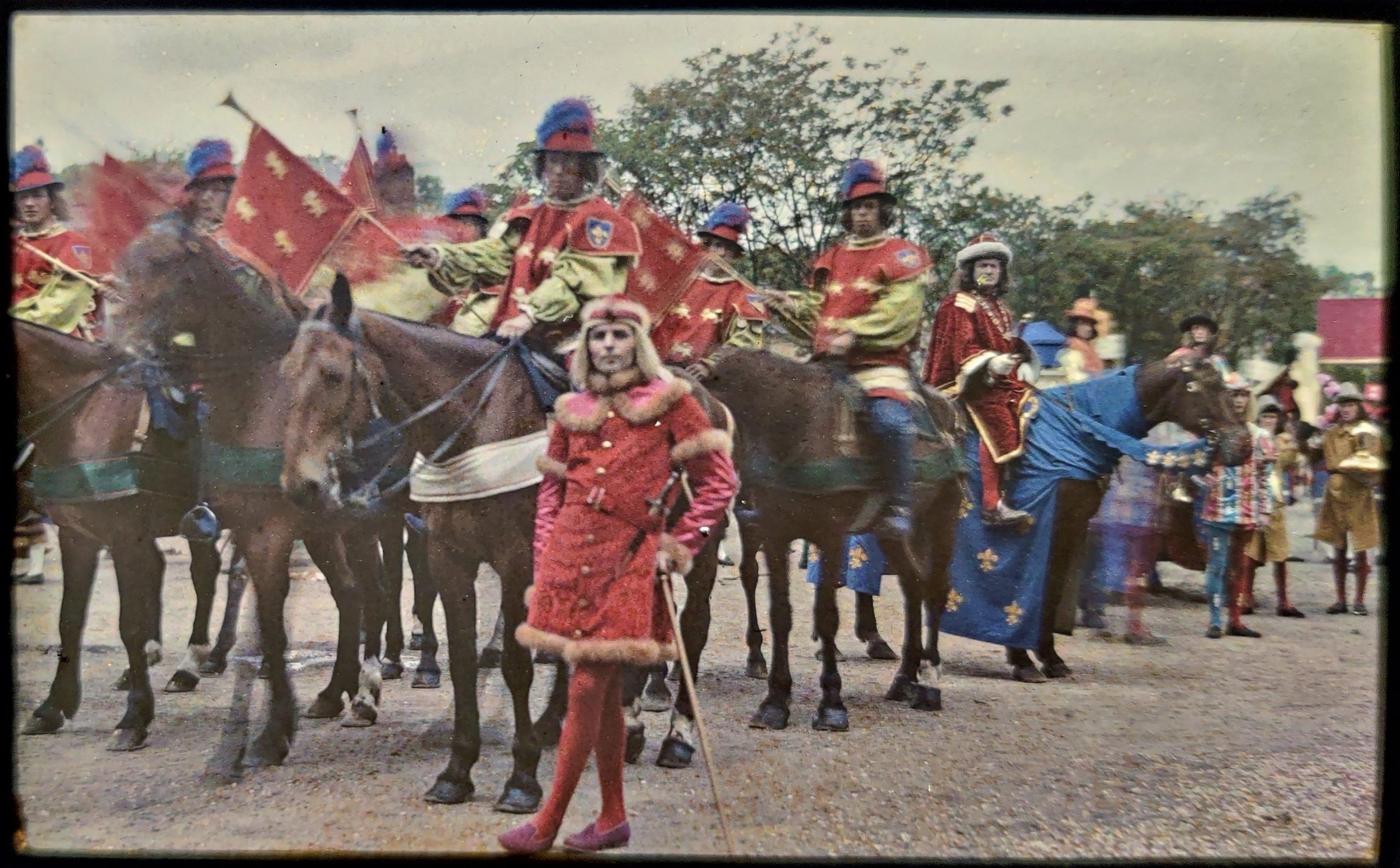
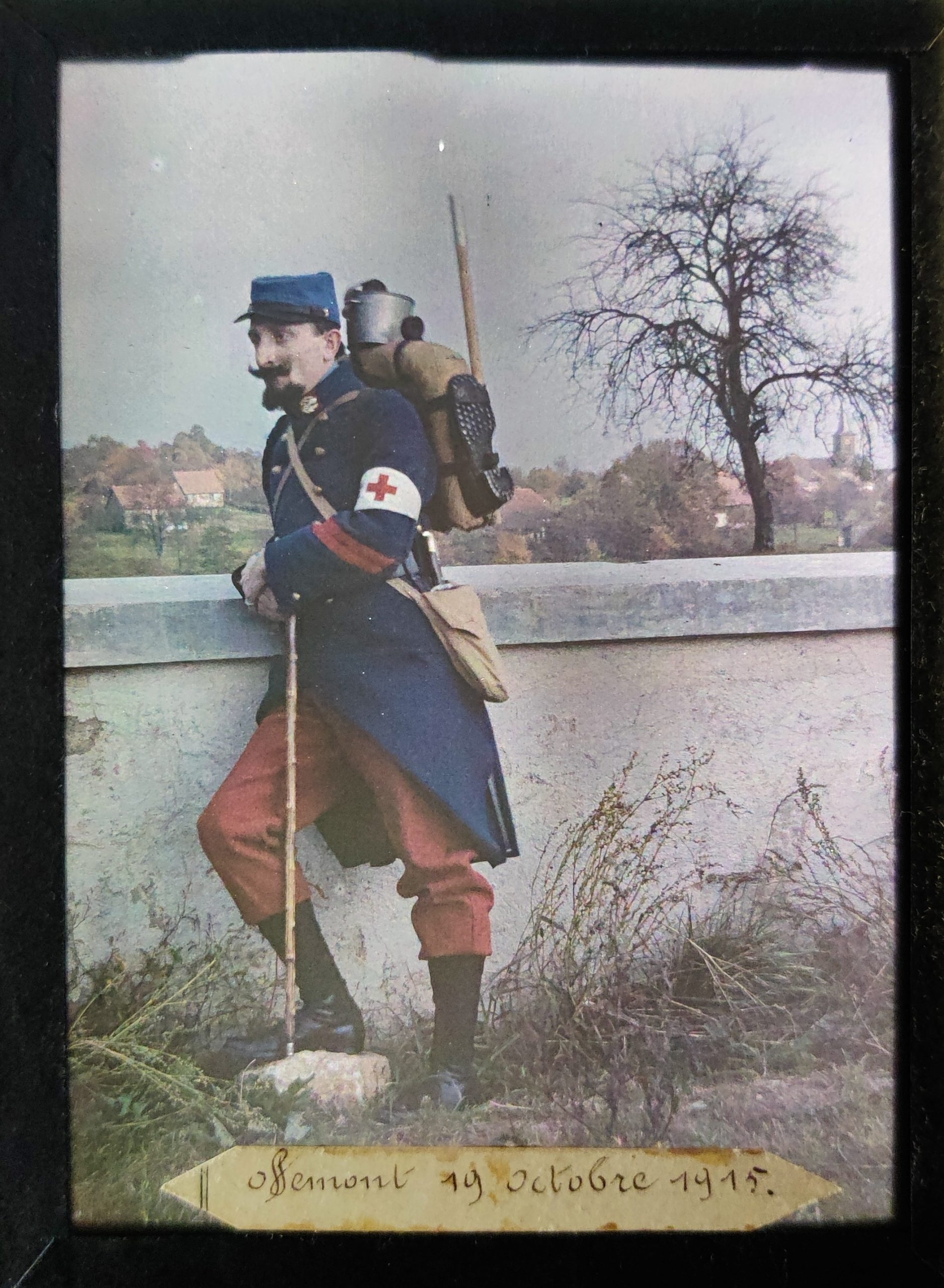
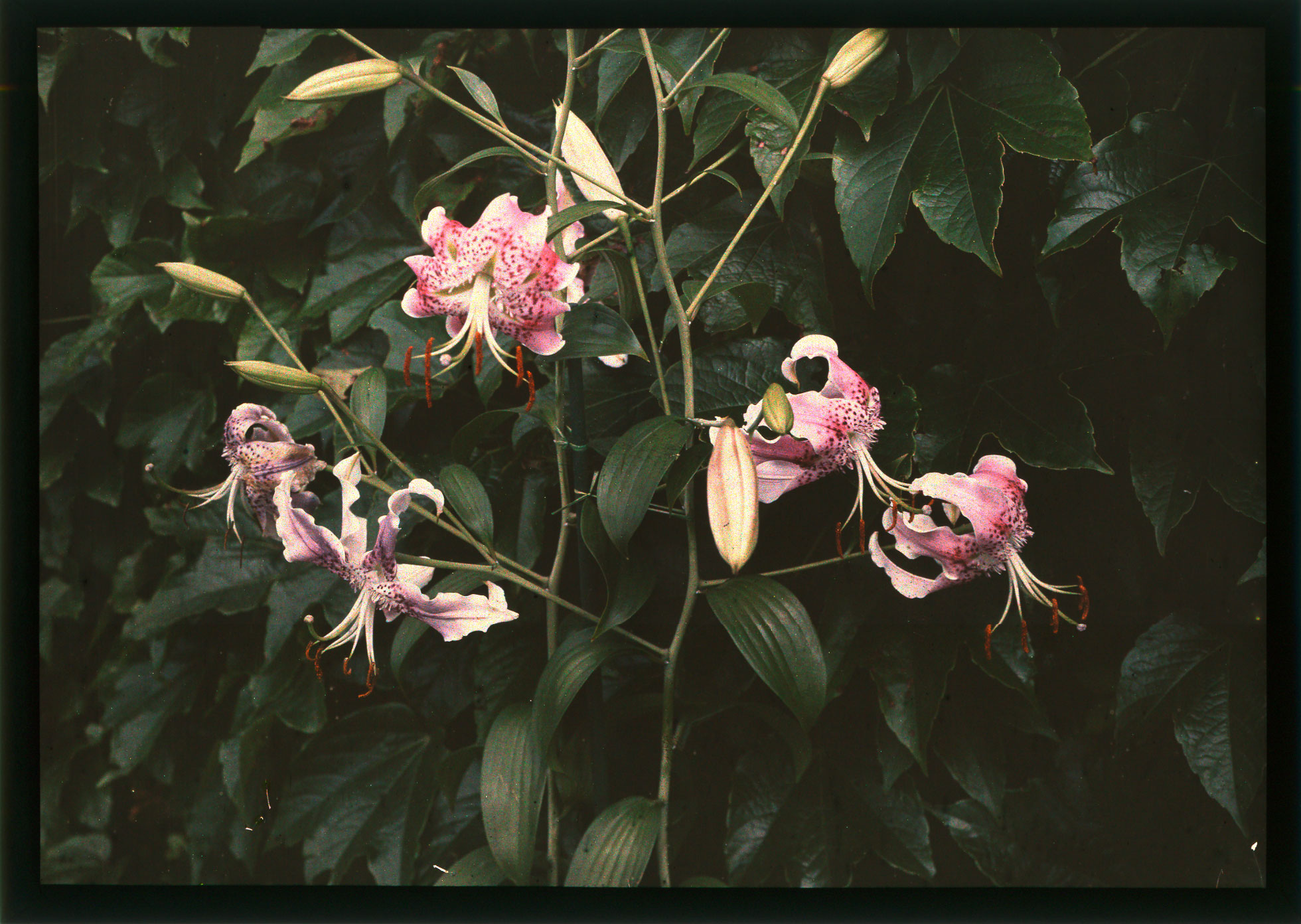
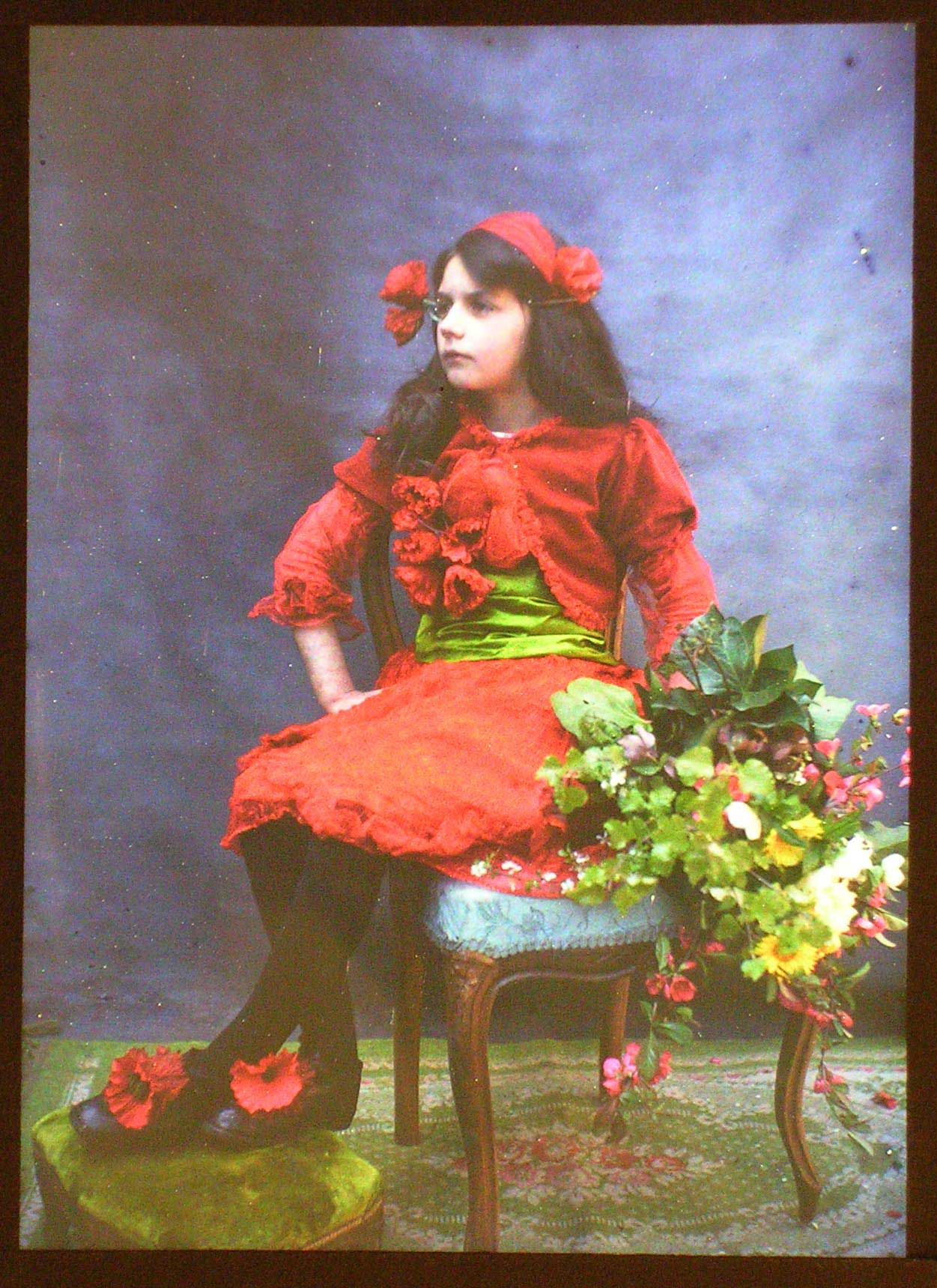
All photographs are available for purchase. Prices upon request. For further information please send an email to: contact@danielblau.com
All offers are noncommital. We cannot guarantee the items are still available on request.
Other Diversions
Pleasantville (movie trailer) 10 movies by The Lumière Brothers Kodachrome (movie trailer) Documentary: National Geographic - The Last Roll of Kodachrome
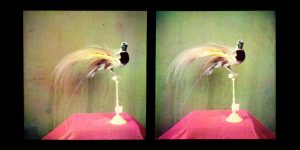
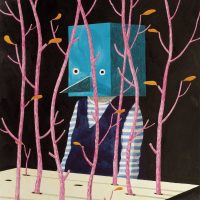
‘Demon’ comes from the Greek δαίμων or δαιμόνιον.
Of Demons, Spirits and Other Creatures
Schon raschelt eine hier und wird sogleich mich hören.
Der Herr der Ratten und der Mäuse,
Der Fliegen, Frösche, Wanzen, Läuse
Befiehlt dir, dich hervor zu wagen
Und diese Schwelle zu benagen,
So wie er sie mit Öl betupft-
Da kommst du schon hervorgehupft!”
To conjure up a lengthier spell,
One’s rustling here that will do well.
The Lord of Rats and Mice,
Of Flies, Frogs, Bugs and Lice,
Summons you to venture here,
And gnaw the threshold where
He stains it with a little oil –
You’ve hopped, already, to your toil!
“[…] Proposuimus et magica theoremata, in quibus duplicem esse magiam significavimus, quarum altera demonum tota opere et auctoritate constat, res medius fidius execranda et portentosa. Altera nihil est aliud, cum bene exploratur, quam naturalis philosophiae absoluta consumatio. Utriusque cum meminerint Greci, illam magiae nullo modo nomine dignantes [goeteian] nuncupant, hanc propria peculiarique appellatione [mageian], quasi perfectam summamque sapientiam vocant. Idem enim, ut ait Porphyrius, Persarum lingua magus sonat quod apud nos divinorum interpres et cultor. […] illa irrita et vana, haec firma fidelis et solida. […] Meminit et Plotinus, ubi naturae ministrum esse et non artificiem magum demonstrat […] Illa denique nec artis nec scientiae sibi potest nomen vendicare; haec altissimis plena misteriis, profundissimam rerum secretissimarum contemplationem, et demum totius naturae cognitionem complectitur. Haec, inter sparsas Dei beneficio et inter seminatas mundo virtutes, quasi de latebris evocans in lucem, non tam facit miranda quam facienti naturae sedula famulatur. Haec universi consensum, quem significantius Graeci [sumpatheian] dicunt, introrsum perscrutatius rimata et mutuam naturarum cognitionem habens perspectatam, nativas adibens unicuique rei et suas illecebras, quae magorum [iunges] nominantur, in mundi recessibus, in naturae gremio, in promptuariis arcanisque Dei latitantia miracula, quasi ipsa sit artifex, promit in publicum, et sicut agricola ulmos vitibus, ita magus terram caelo, idest inferiora superiorum dotibus virtutibusque maritat. […]”
excerpt from: Giovanni Pico della Mirandola,
“Oration on the Dignity of Men”, 1486
Sources:
Bible Server
RDK Labor “Dämonen”
Johann Wolfgang von Goethe “Faust 1”
Giovanni Pico della Mirandola (1463-94) “Oration on the Dignity of Man (1486)
The Latin Library
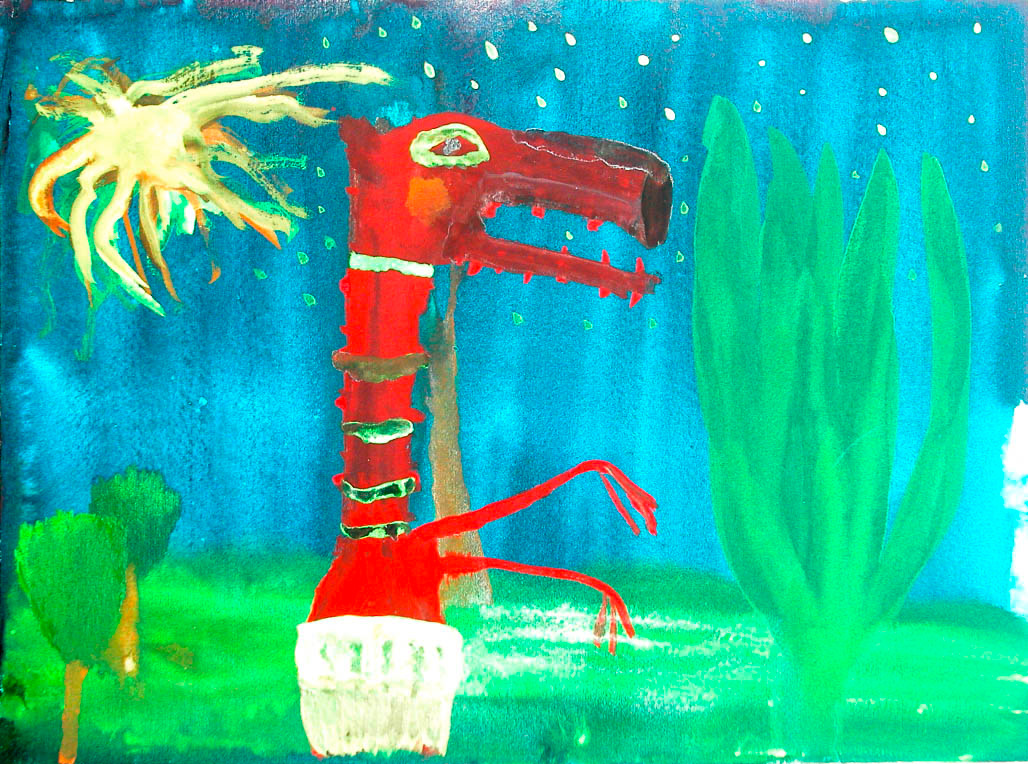
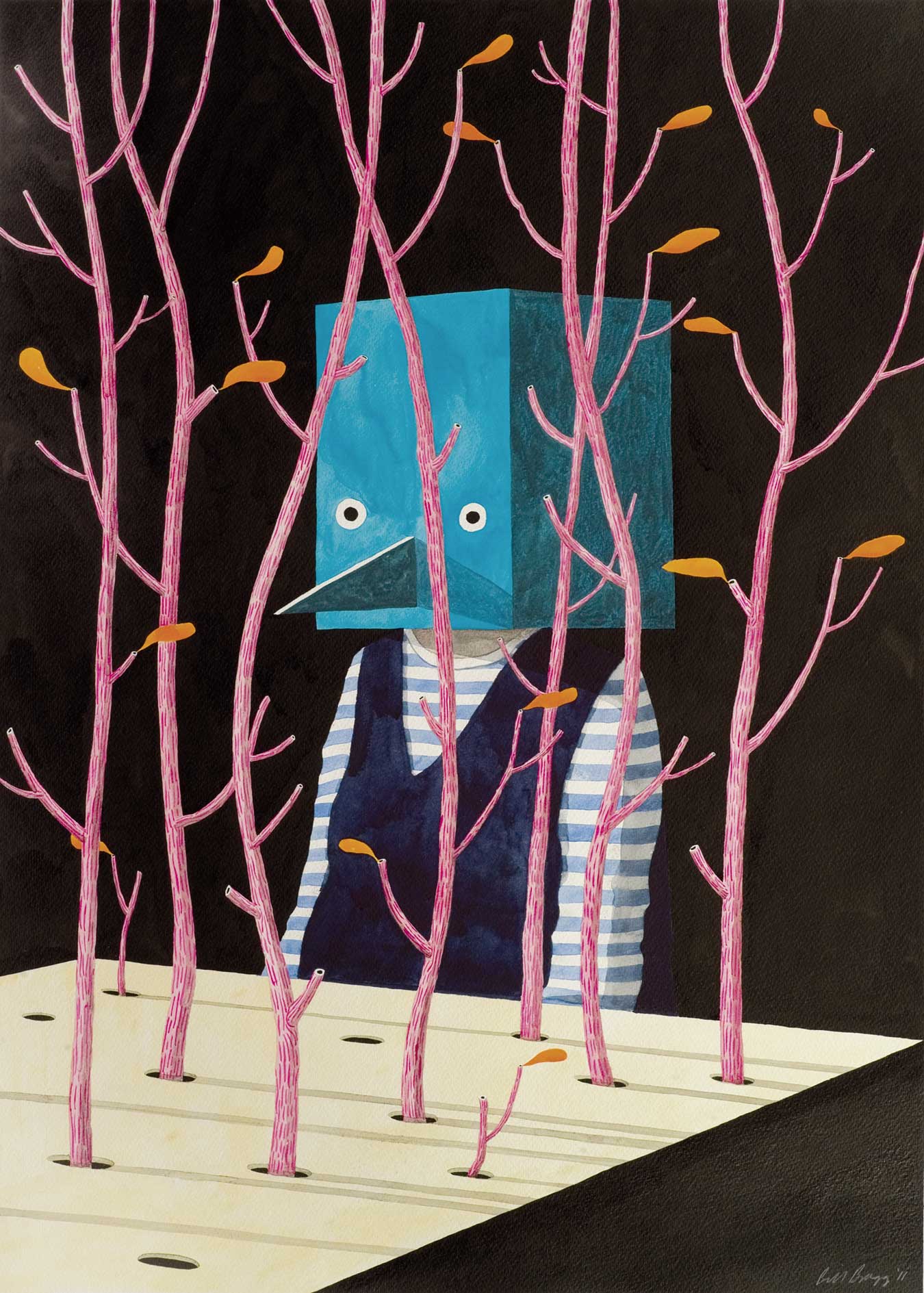





All artworks are available for purchase. Prices upon request. For further information please send an email to: contact@danielblau.com
All offers are noncommital. We cannot guarantee the items are still available on request.
Other Diversions
Giovanni Pico della Mirandola, 'Oration on the Dignity of Men', 1486 (full text English) Giovanni Pico della Mirandola, 'Oration on the Dignity of Men', 1486 (full text Latin) Oration on the Dignity of Men - Audiobook Monsters in Art Hieronymus Bosch - The Garden of Earthly Delights Of Monsters and Men - Dirty Paws Kawanable Kyōsai’s Night Parade of One Hundred Demons (1890) The Spider Monster Creating Monsters in the Mansion of Minamoto no Yorimitsu Milena Sidorova - The Spider Dance
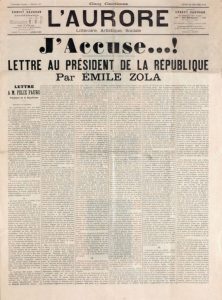
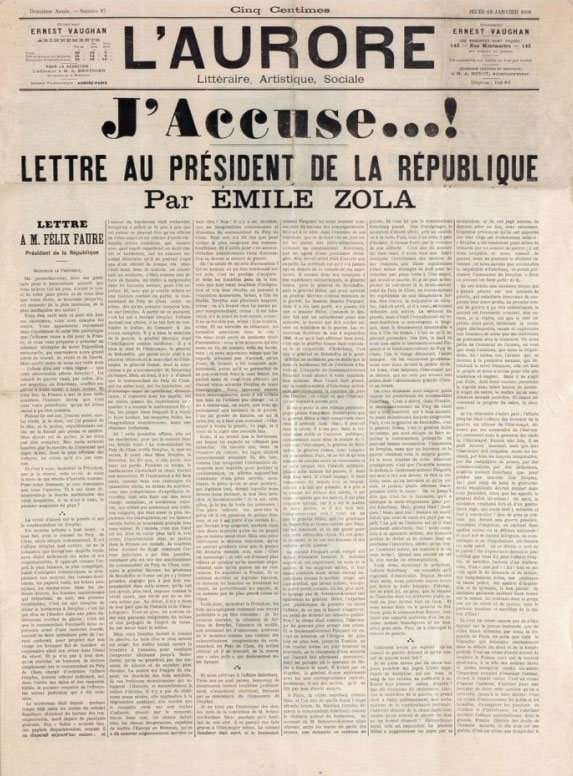
“It remains an indisputable historical law that history will not allow contemporaries to recognize the first stirrings of the great movements which define their era.”
“As for the people I am accusing, I do not know them, I have never seen them, and I bear them neither resentment nor hatred. To me they are mere entities, spirits of social evil. And the act I am accomplishing here is no more than a revolutionary way to hasten the explosion of truth and justice.”
Émile Zola, “Letter to Mr. Félix Faure. President of the Republic” in: L’Aurore, January 13, 1898
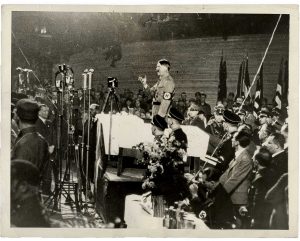
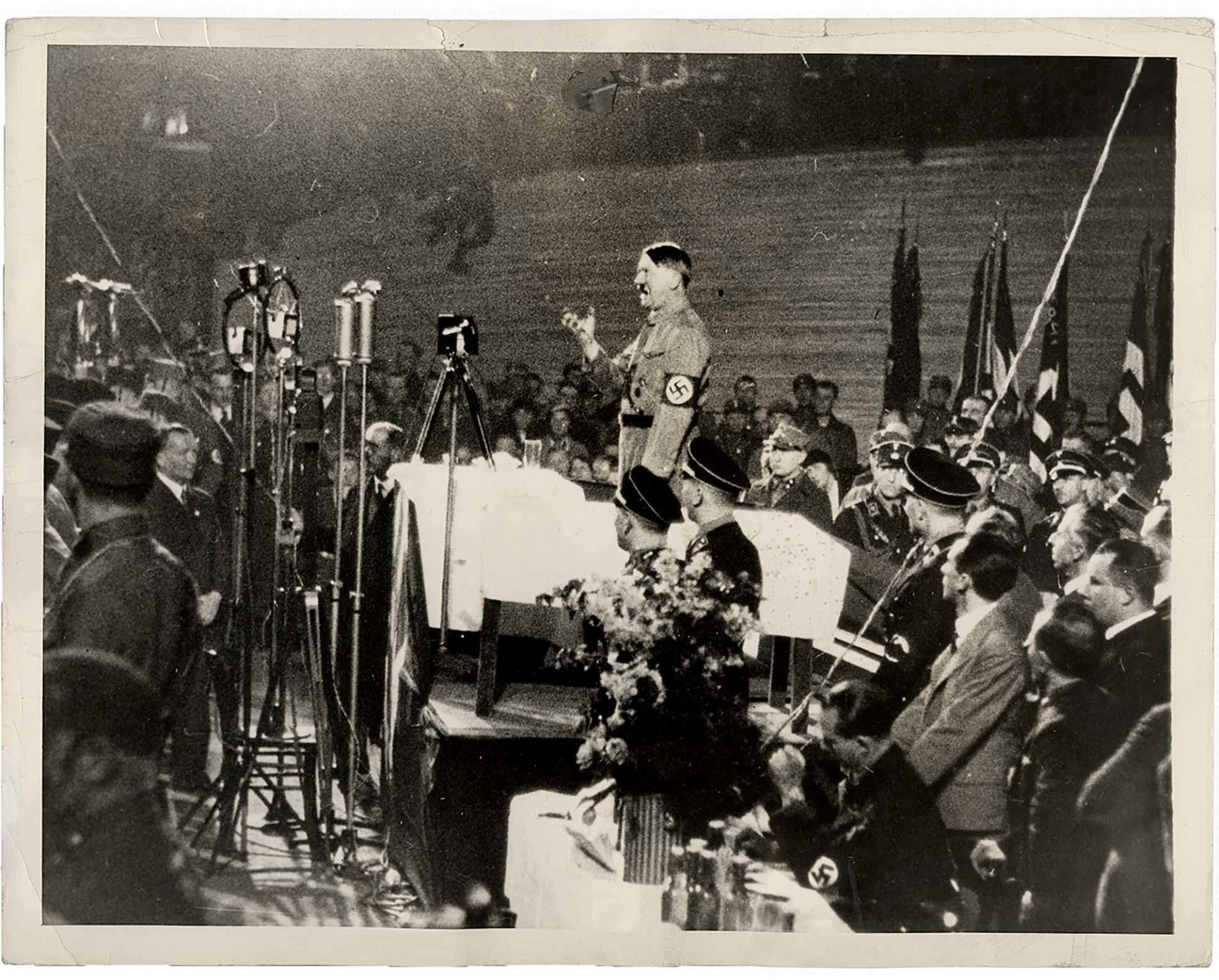
Hitler Starts Drive to Capture Reichstag Majority.
Before a frantically cheering crowd which packed the huge sportspalast in Berlin, Feb. 10, chancellor Adolf Hitler, firing the opening gun in his drive to capture a Reichstag majority in the election March 5, blamed socialist governments for all of Germany’s ills. He is shown here delivering his fiery speech in the Sportspalast.
“The high unemployment, the spiritual Depression following from the economic, the addict’s urge to numb oneself, the activity of unscrupulous parties, all of these were the signs of the coming storm. And neither was the eerie silence before the storm missing – the languor of a heart, crippled as if by epidemic. It drove some to set themselves against the storm and its stillness. They were pushed aside. People would rather listen to the hollering carnival barkers and drummers hawk their panaceas and snake oil. They ran after them, out into the abyss, in which we now, more dead than alive, have arrived.”
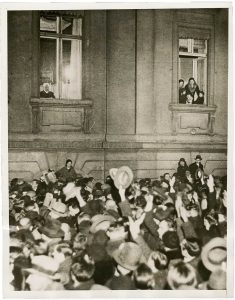
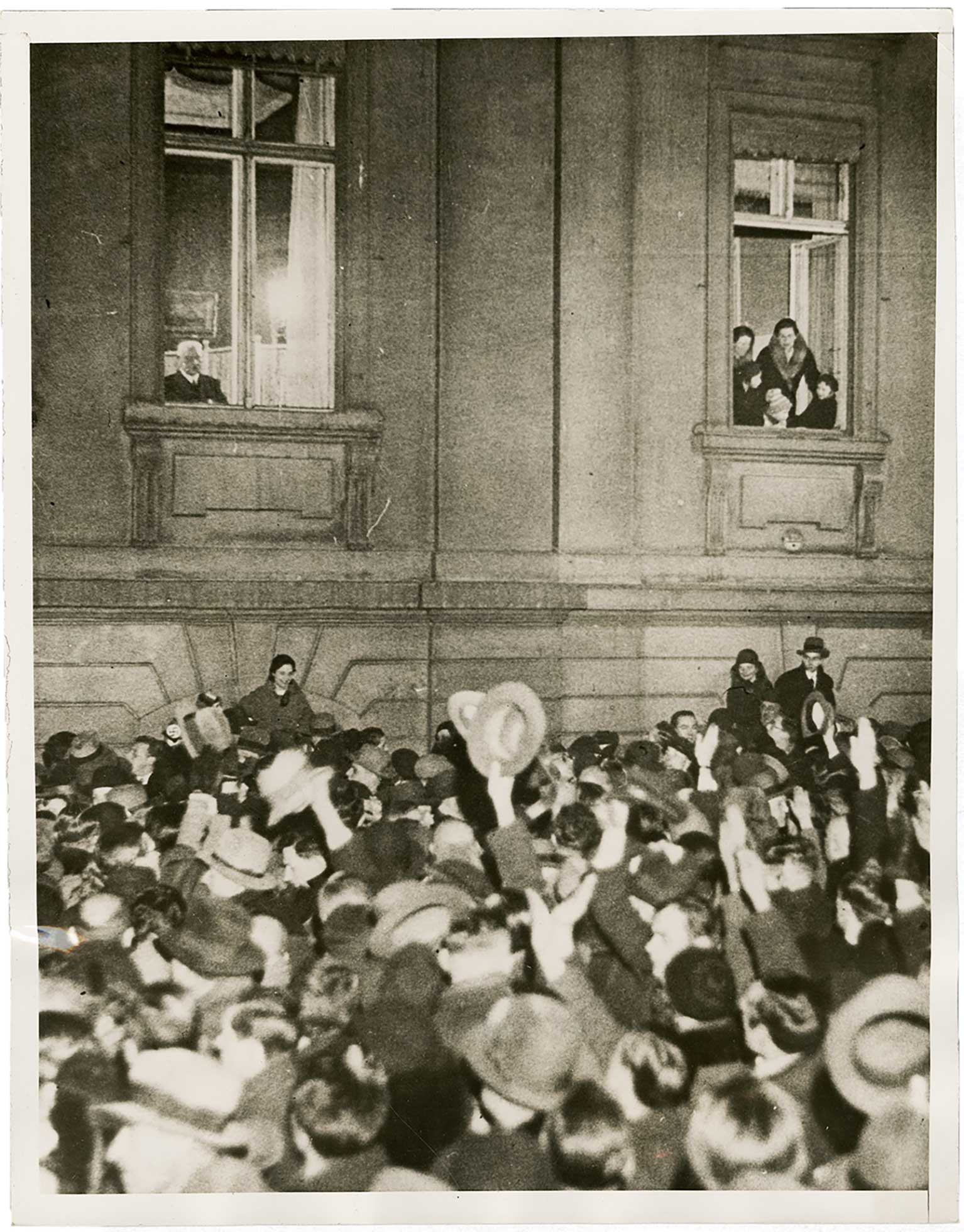
When Hitler Became Chancellor
Standing in the window at upper left, President Paul von Hindenburg silently acknowledges the cheers of thousands who journeyed to the palace to acclaim him after his appointment of Adolf Hitler as chancellor of Germany, in Berlin.
“So they carefully practiced their method: always only one dose at a time, and after that dose a short break. Always only one single pill at a time, and then a moment to wait and see if that hadn’t been too strong, if the world’s conscience could still tolerate the dosage. And as the European conscience – to the detriment and disgrace of our civilization – stressed zealously its indifference, since after all these acts of violence were happening ‘that side of the border,’ the doses grew ever stronger, until finally all of Europe perished from them.”
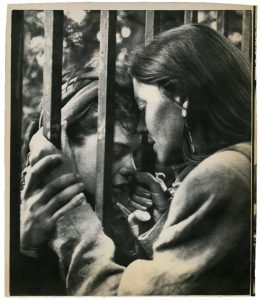
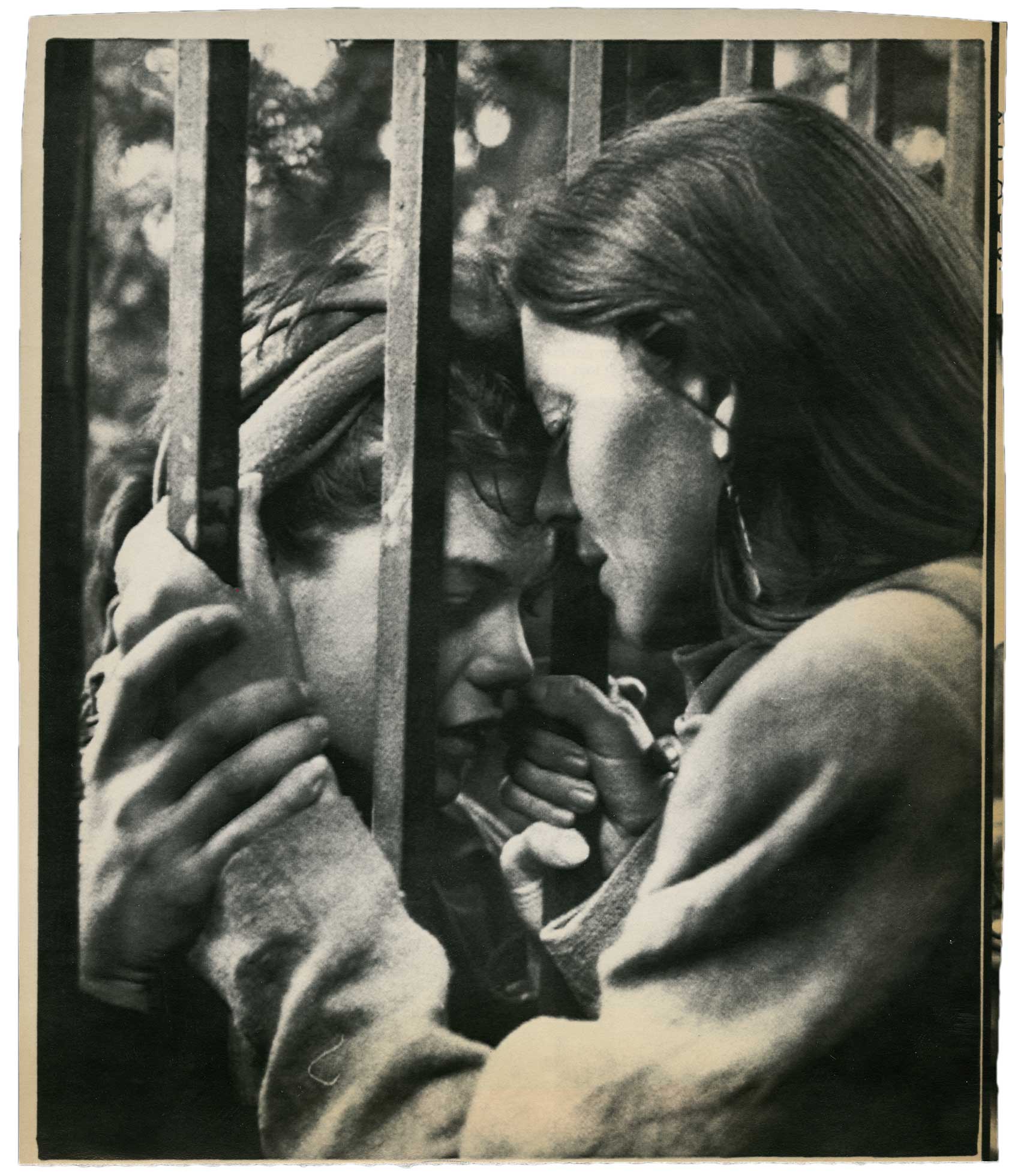
An East German mother cries while saying goodbye to her daughter outside the West German Embassy in Prague, Czechoslovakia. The mother returned to East Germany Saturday, and the daughter stayed with more than 3,000 refugees who left for the West Sunday
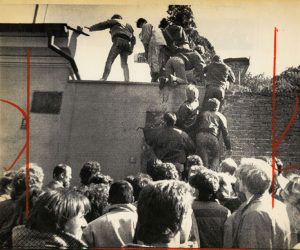
East German citizens, using ladders built from boards, scale the walls of the West German Embassy in Prague, Czechosslovakia, in a desperate attempt to reach the first step in their bid for freedom.
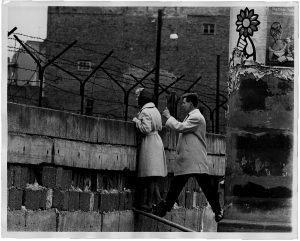
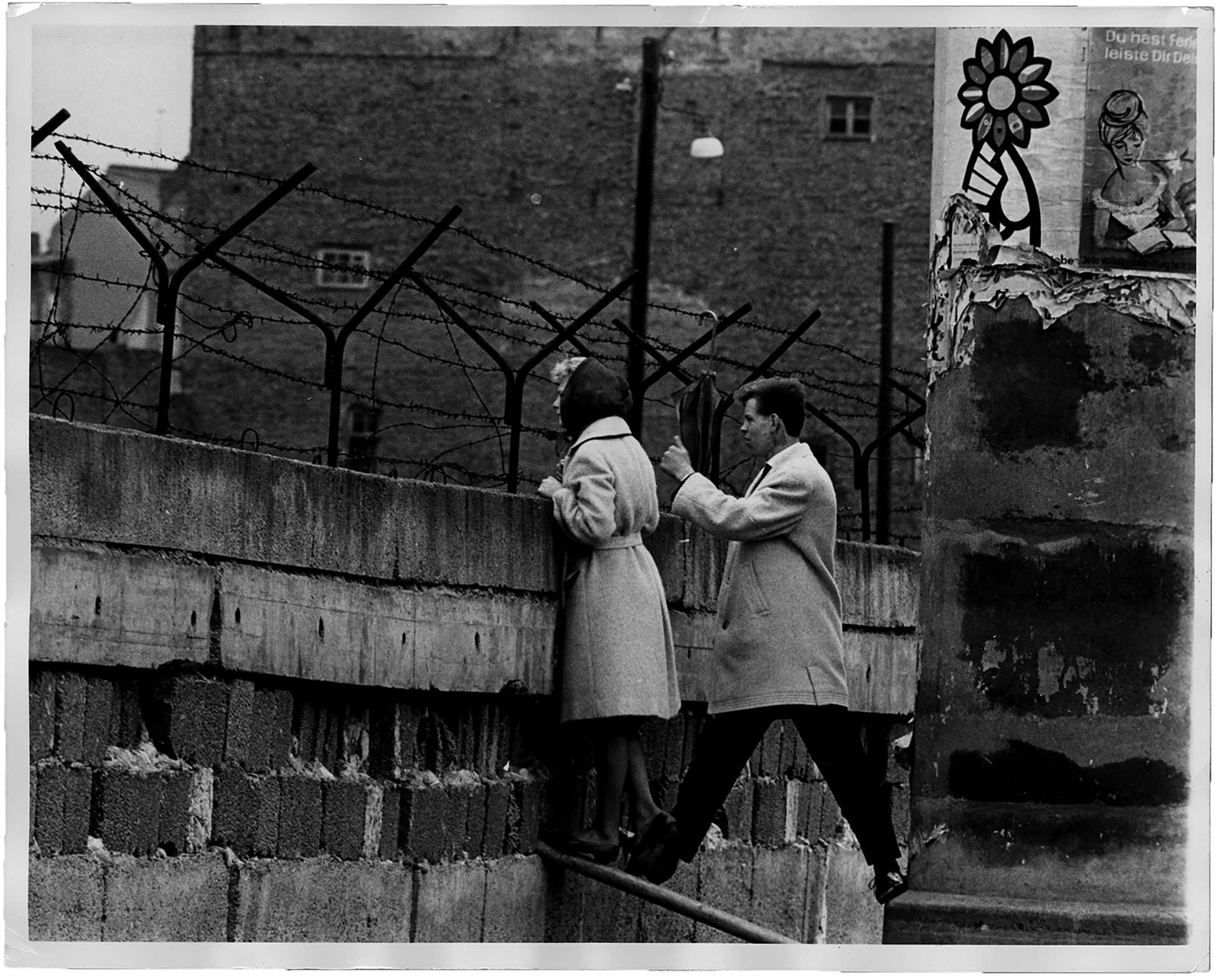
Accompanied by her boy friend, this blonde West Berlin girl stands on a precarious perch near the top of the wall to talk with her mother on the East Berlin side. While it’s just an exciting tourist attraction for many, it’s a heart-breaking “visiting room” for the enormous prison that East Berlin has become for some.
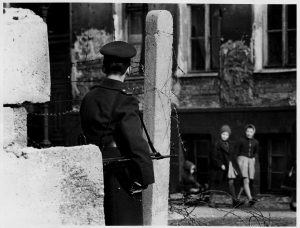
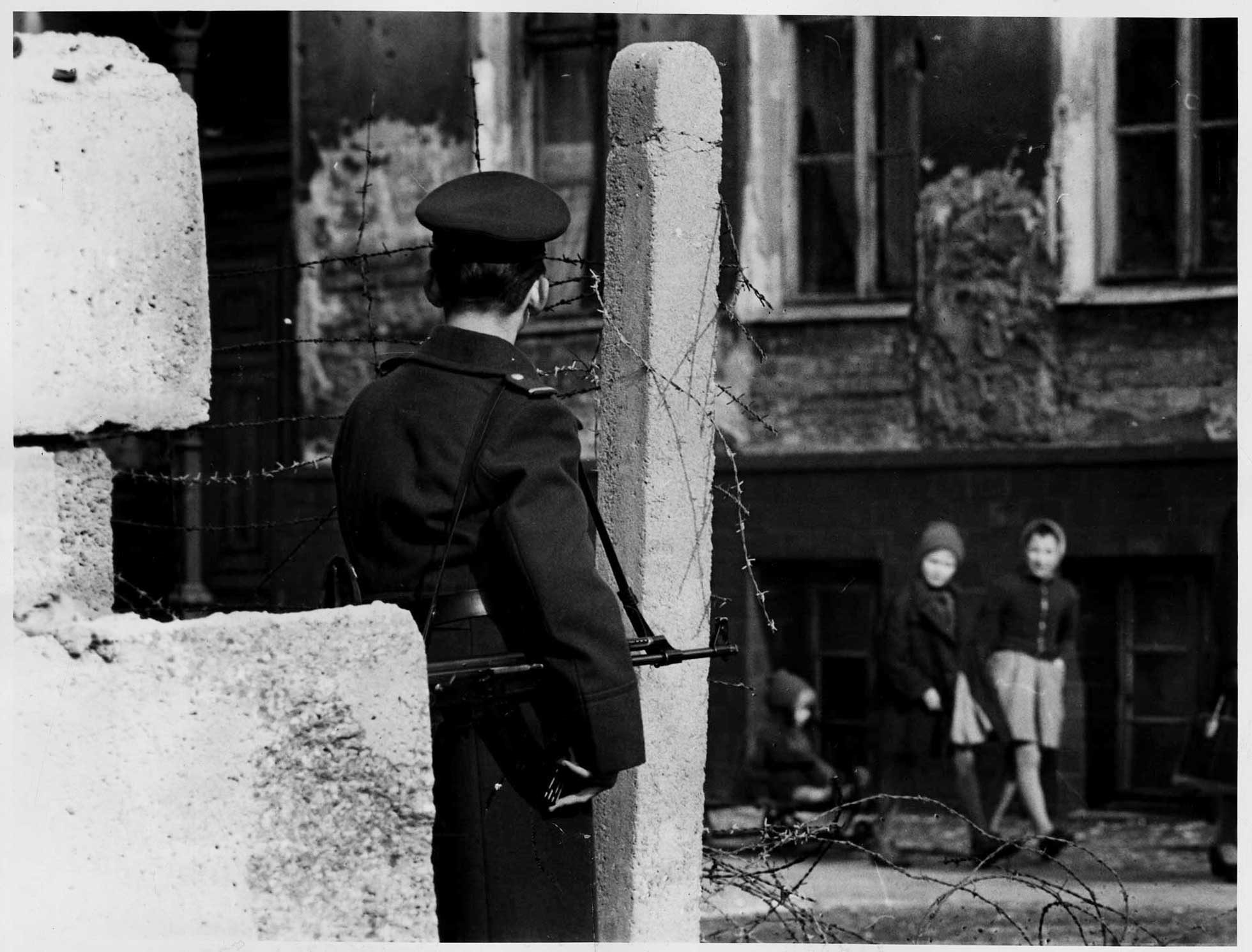
Break in the Barrier East Berlin: An East German border guard stands on duty at the hole in the Berlin dividing wall, which was caused by a truck attempting to break through to freedom in West Berlin. Two men in the truck which rammed the wall had to flee under a hail of bullets after the vehicle was stopped by the wall. Reports said the two men escaped on foot as the East German guards fired on them.
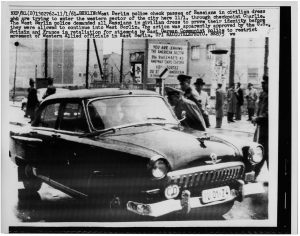
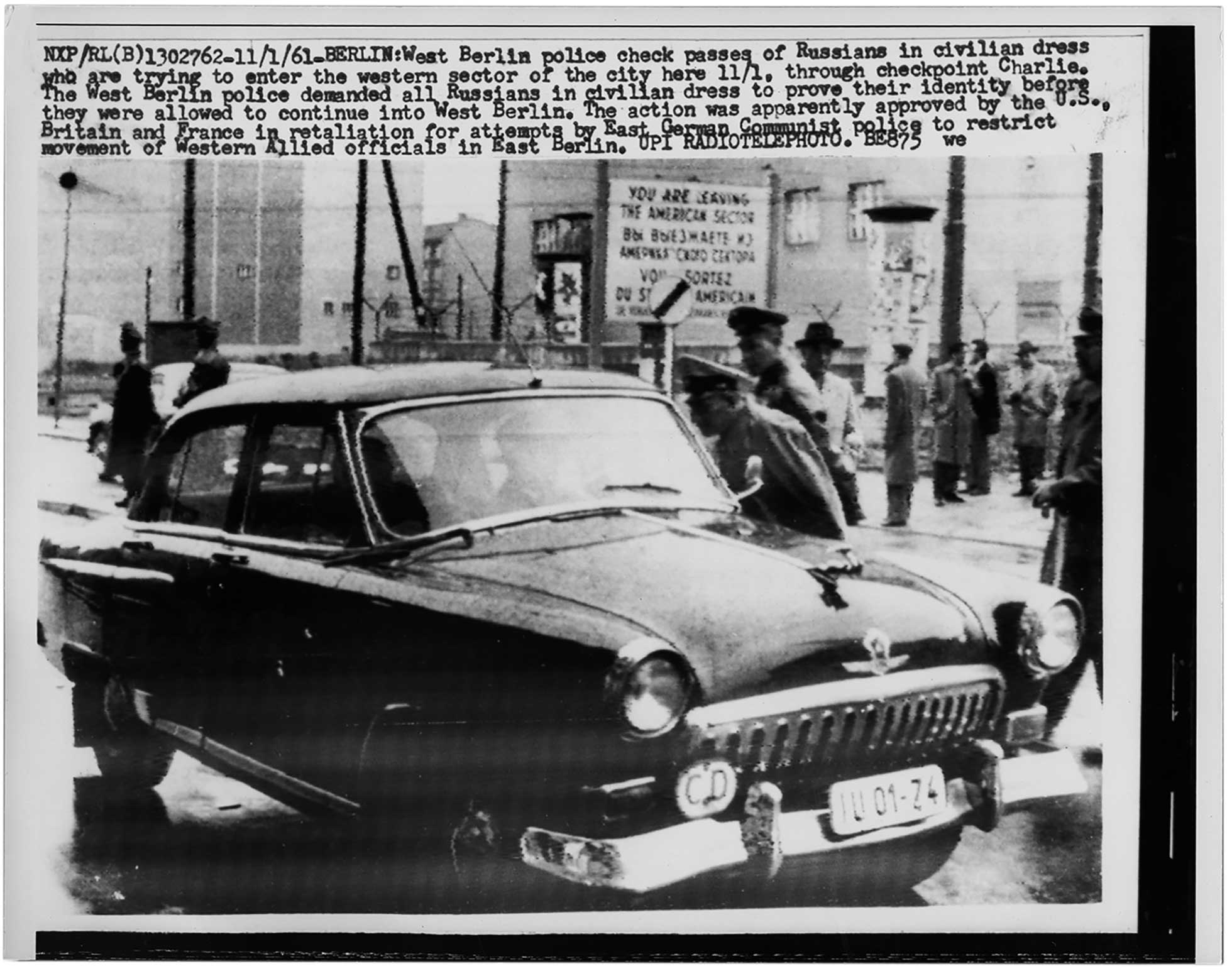
Berlin: West Berlin police check passes of Russians in civilian dress who are trying to enter the western sector of the city here 11/1, through checkpoint Charlie. The West Berlin police demanded all Russians in civilian dress to prove their identity before they were allowed to continue into West Berlin. The action was apparently approved by the U.S., Britain and France in retaliation for attempts by East German Communist police to restrict movement of Western Allied officials in East Berlin.
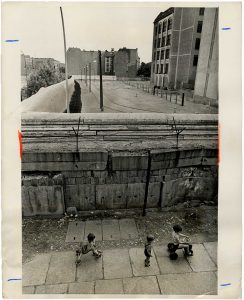
Berlin: Young children play near the Berlin Wall, on the western side. It is a wall that has brought sorrow to many, and freedom to few. Improved security procedures employed by the Communists have cut down the number of attempted and successful escapes. In the background are apartment buildings that are under construction.
All photographs are available for purchase. Prices upon request. For further information please send an email to: contact@danielblau.com
All offers are noncommital. We cannot guarantee the items are still available on request.



Other Diversions
The US Constitution Basic Law for the Federal Republic of Germany Constitution française du 4 octobre 1958 Costituzione della Repubblica Italiana (Principi fondamentali) Paper on Conflict and Fragility Fact Sheet EU Conflict Early Warning System

Demons, Spirits and other Creatures
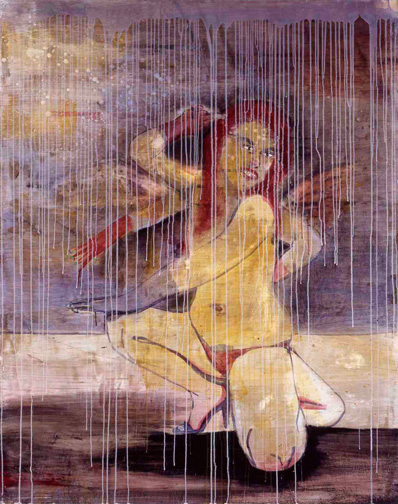
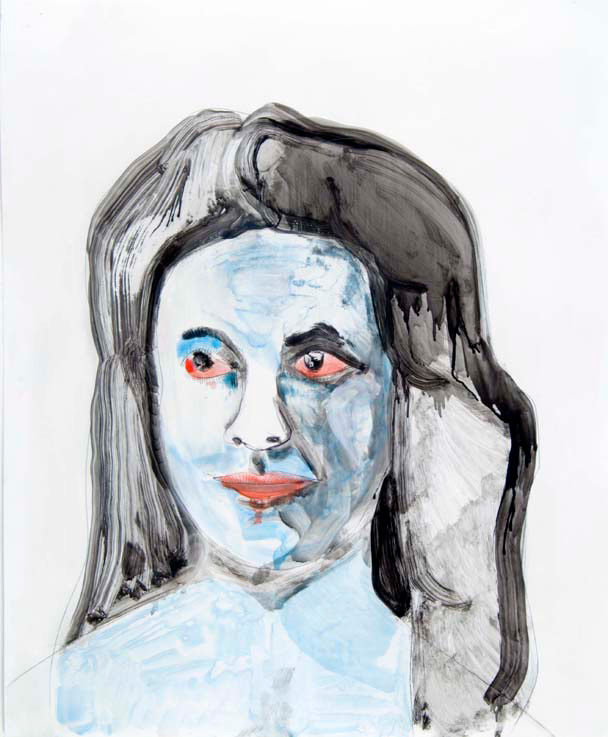
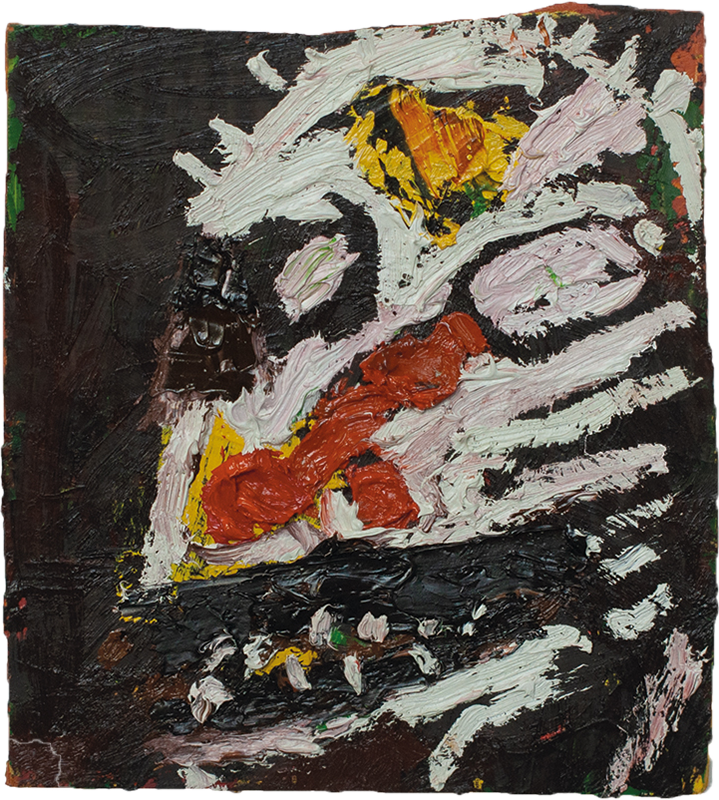
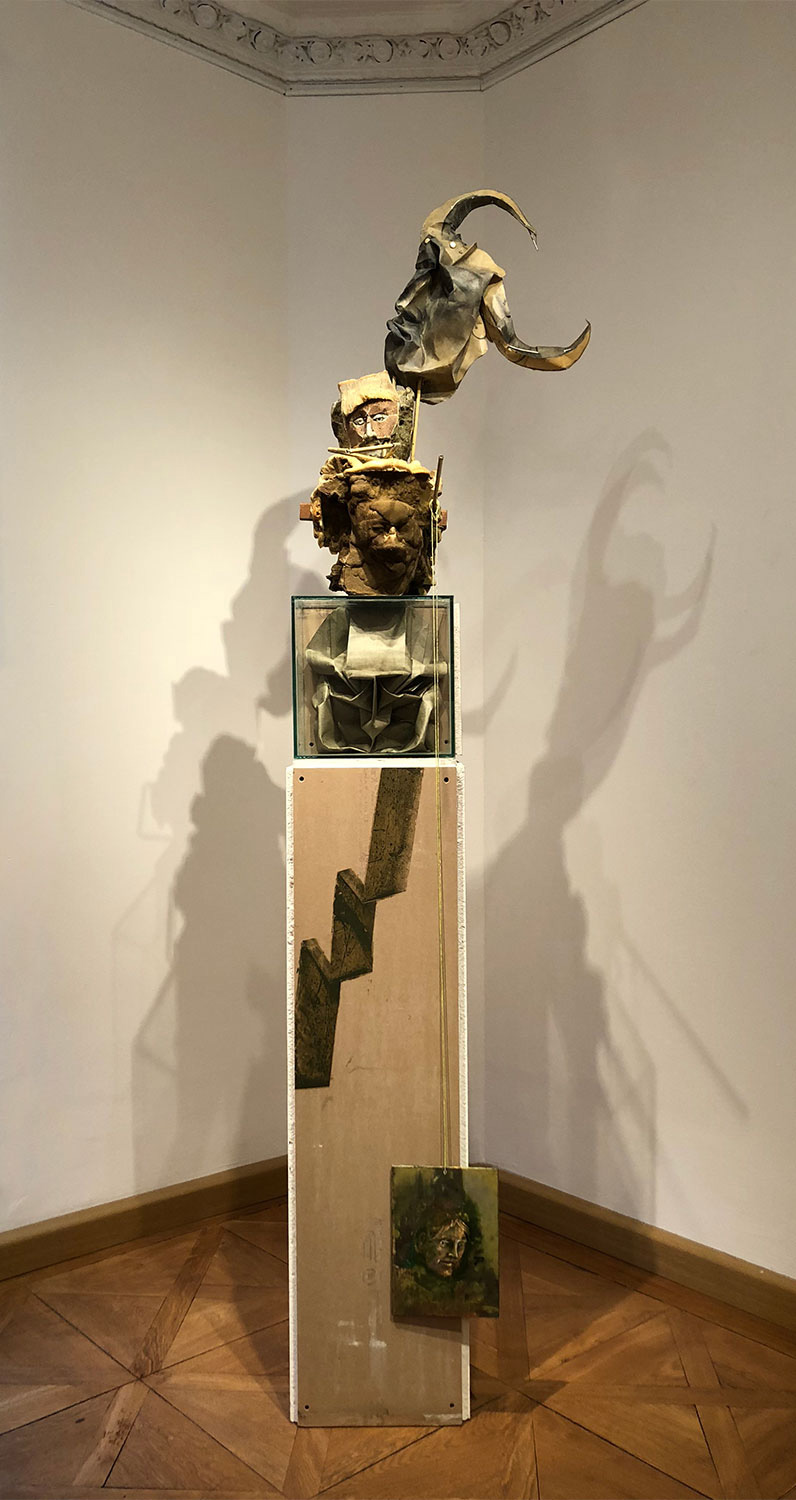
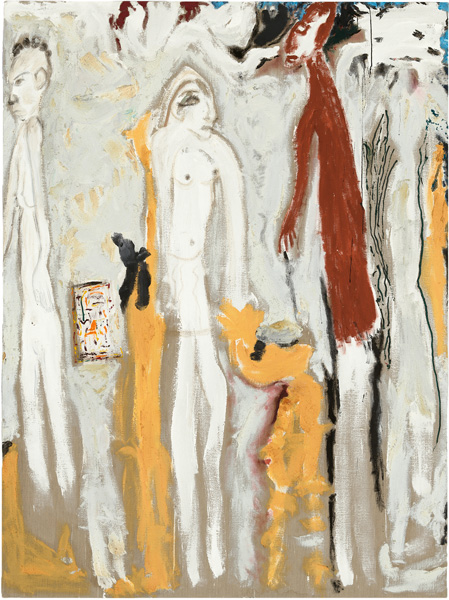
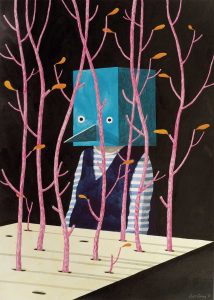
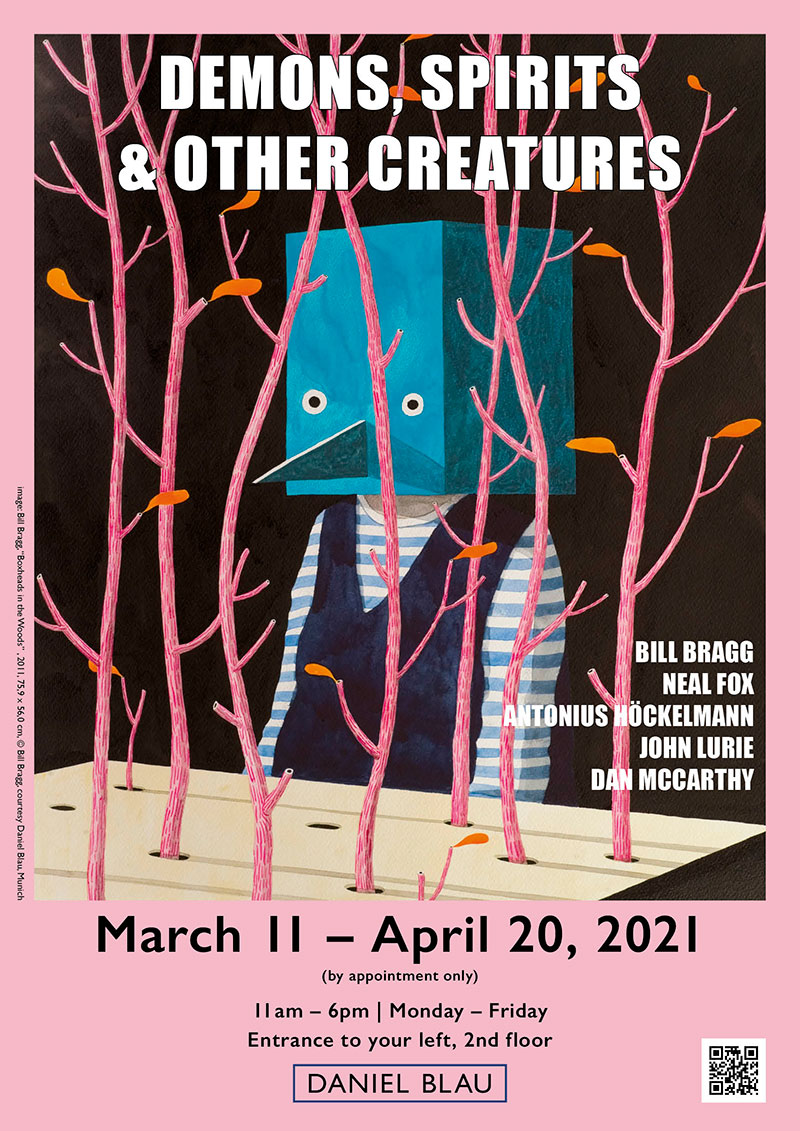
DANIEL BLAU is pleased to present a new exhibition of strange and uncanny creatures and characters, from this world or another. Featuring works by Bill Bragg, Dan McCarthy, Antonius Höckelmann, John Lurie, and Neal Fox.
Exhibition:
March 11 – April 20, 2021
For your visit, please make an appointment in advance by contacting us via phone or email
11am – 6pm | mon – fri
Maximilianstraße 26, 80539 München
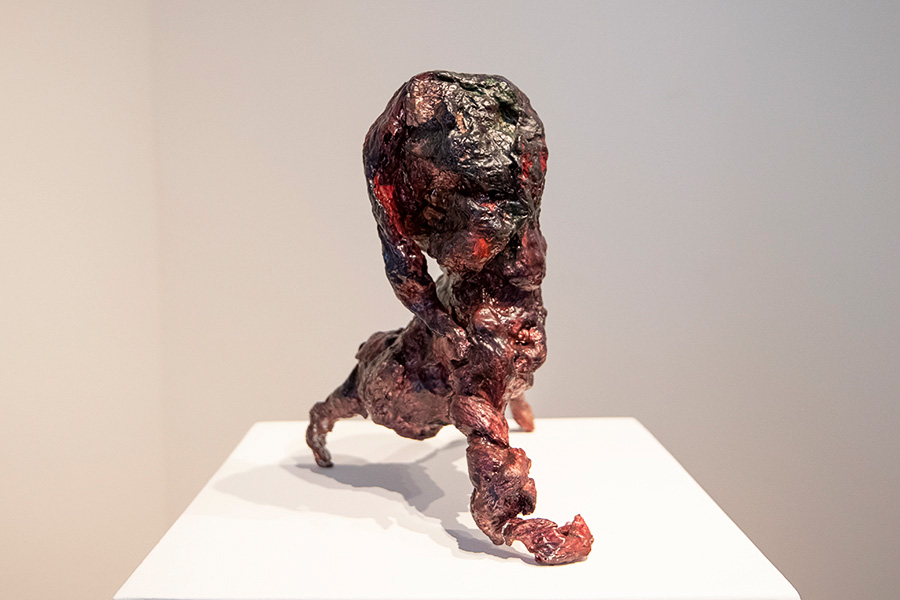
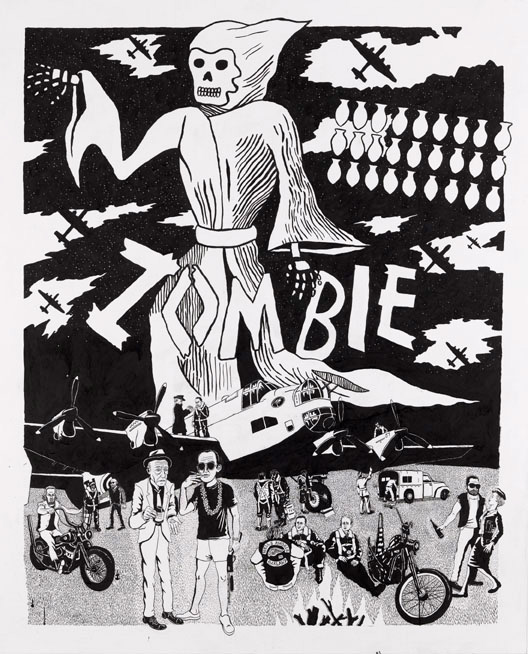

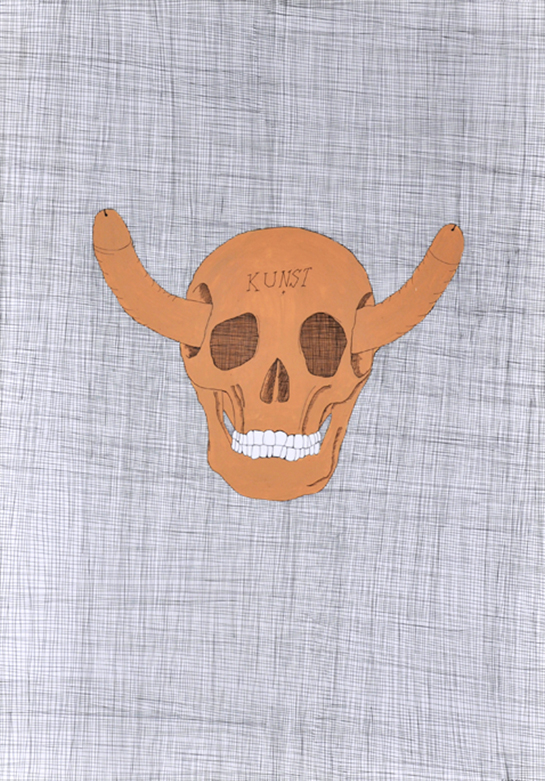
All artworks are available for purchase. Prices upon request. For further information please send an email to: contact@danielblau.com
Photography was first introduced to Japan at a time of great upheaval in the country.
Early Photography in Japan
Fundamental political, social, and economic convulsions were followed by rapid reform and modernization. In the midst of it all, early photographers, both western and Japanese, were able to capture the people, places, and events of a changing world on camera.
The story of photography’s spread throughout Japan begins on the southern island of Kyūshū. During the Edo period (1615-1868), Kyūshū’s dominant clans obtained information regarding the outside world from Nagasaki, via the small Dutch trading outpost on the artificial island of Dejima. It was through Dejima that photography was first introduced to Japan. Since literature regarding early photography – and teachers, necessarily foreign, of the new craft – were scarce, early enthusiasts had to rely on personal encounters with foreign professionals to acquire photographic skills and knowledge of their own.
It was around 1846 when the daguerreotype camera, using silver plates, was first brought to Japan. One such apparatus was brought from Dejima to the Takeo clan by a merchant named Ueno Shunnojō, whose son, Hikoma, would go on to become an accomplished photographer in his own right. The Takeo clan returned the daguerreotype to the Dutch, however, unable to understand how to use it. It was only after that that some of Dejima’s own residents, notably doctors like Van den Broek and his successor Pompe, along with their Japanese medical students, attempted to learn the art themselves, aided by little more than Dutch books and manuals. At the same time, the Satsuma and Fukuoka clans also began tackling the secrets of the photographic process. Each clan had achieved partial success with silver plates by the latter half of the 1850s; for this reason, those few years can be seen as the true dawn of photography in Japan.
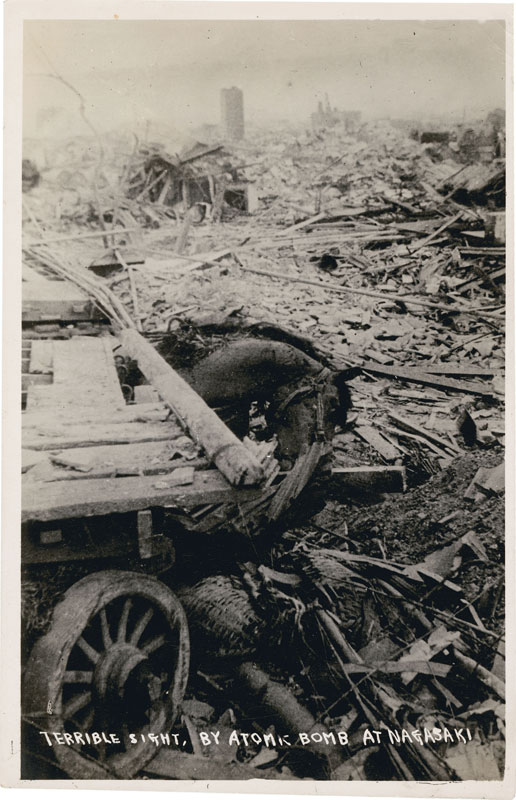
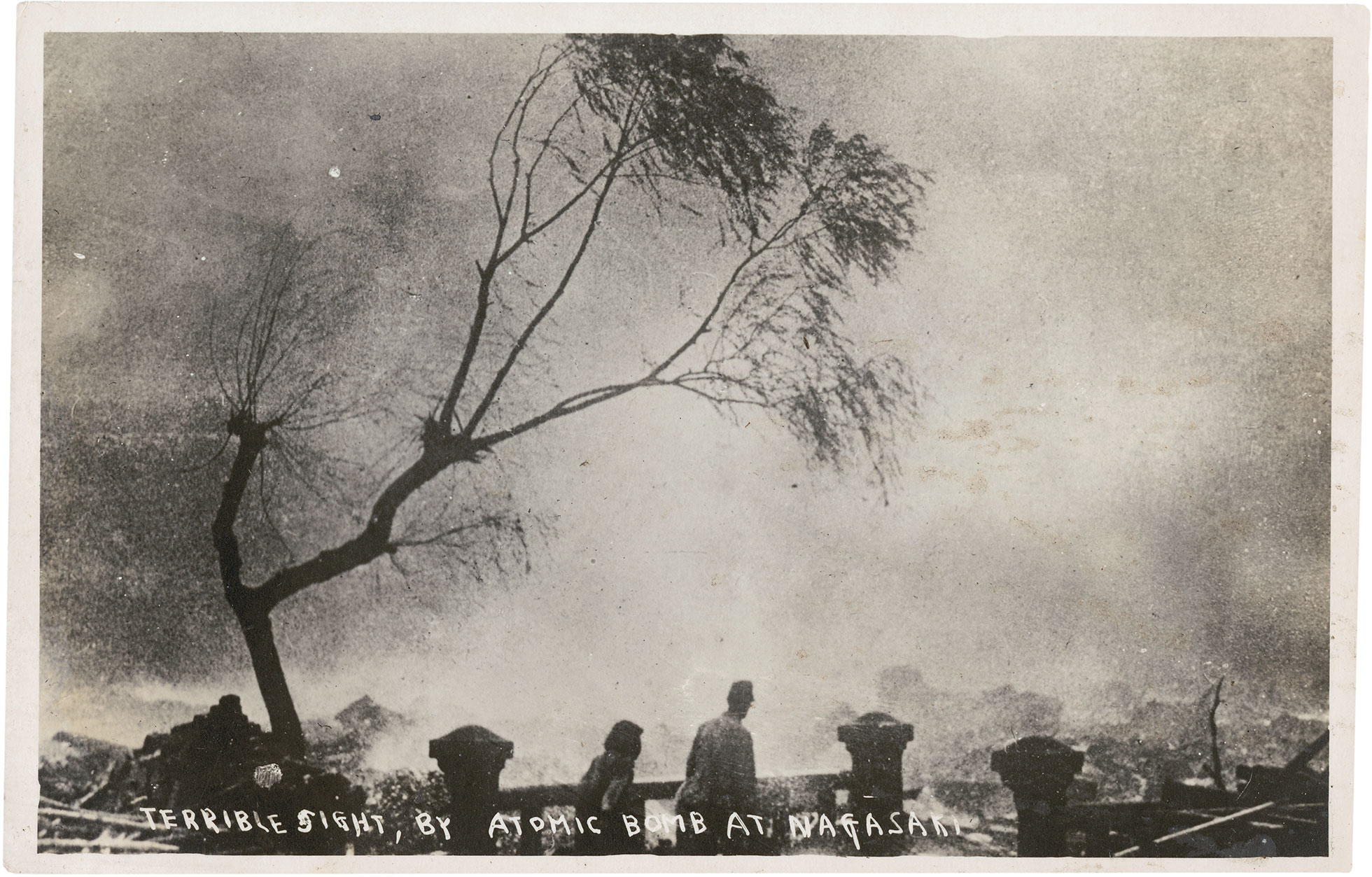
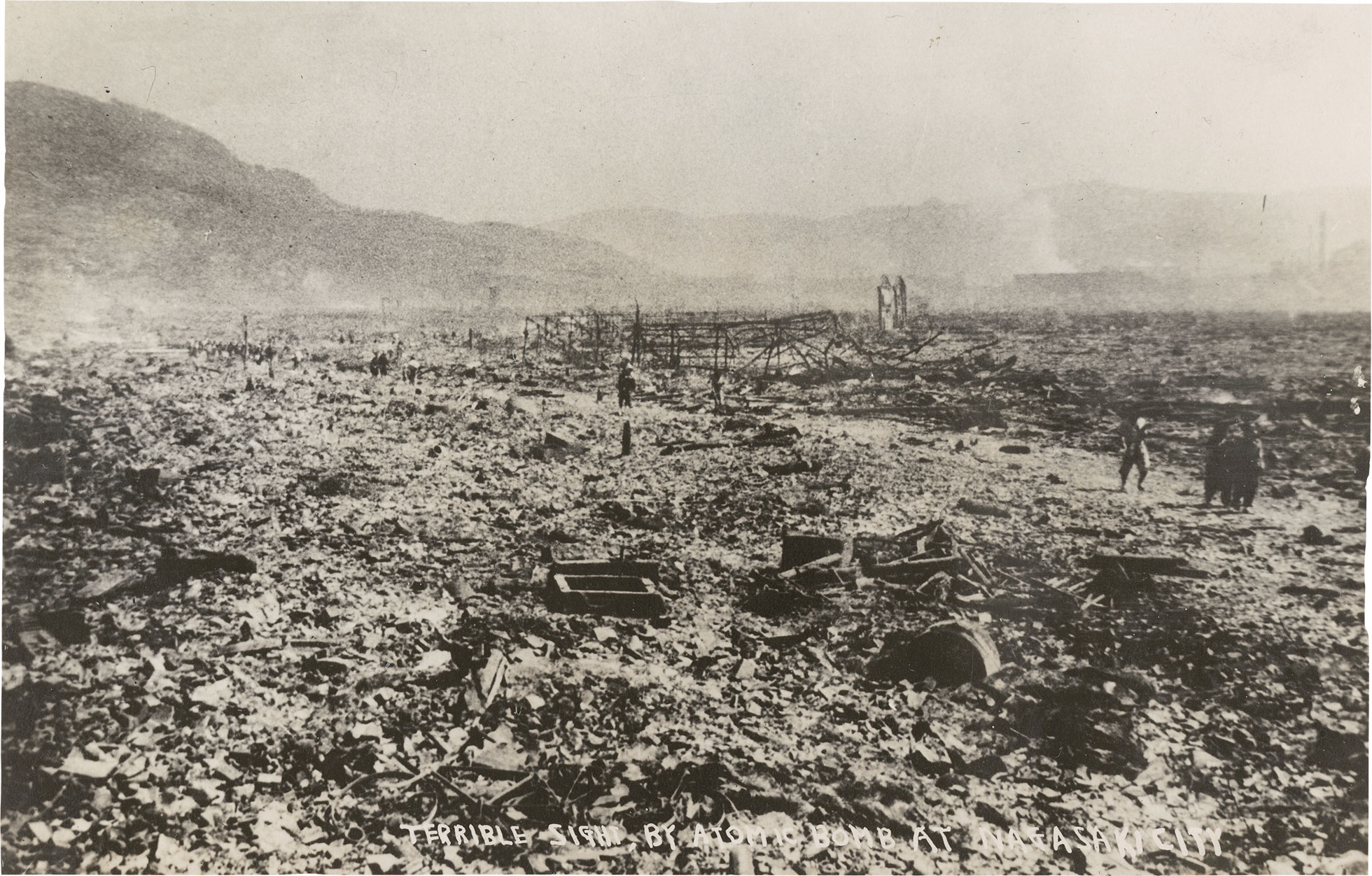
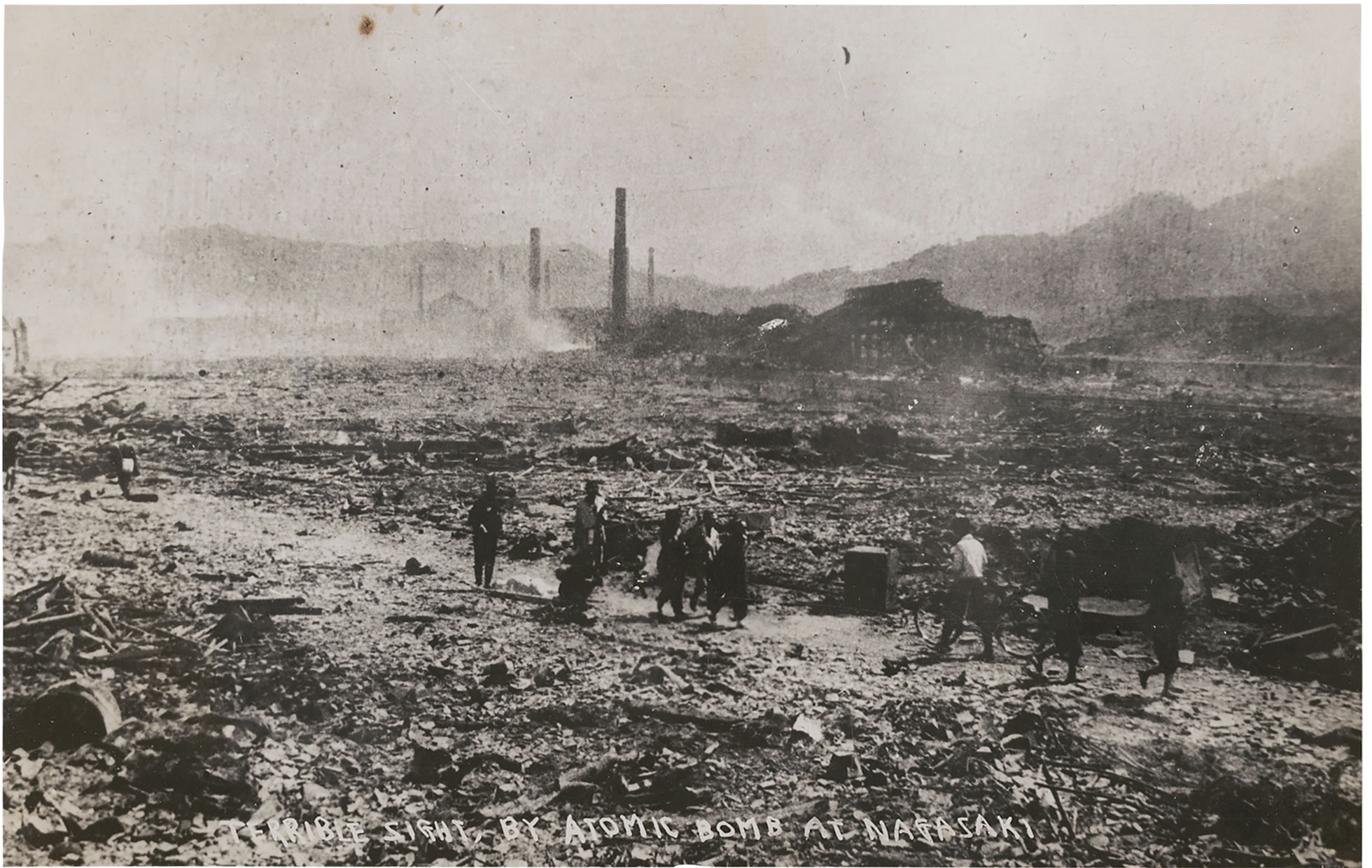
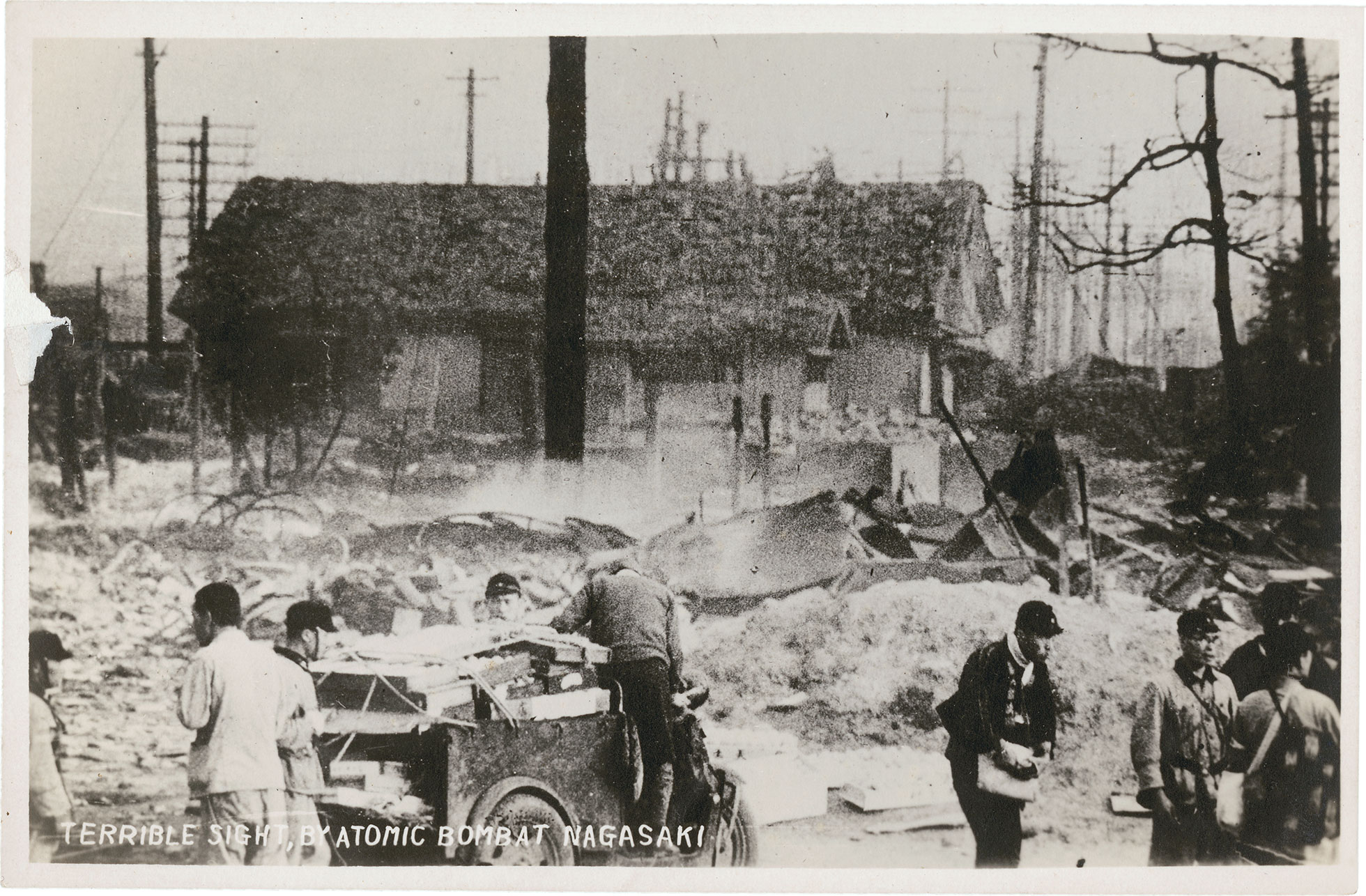
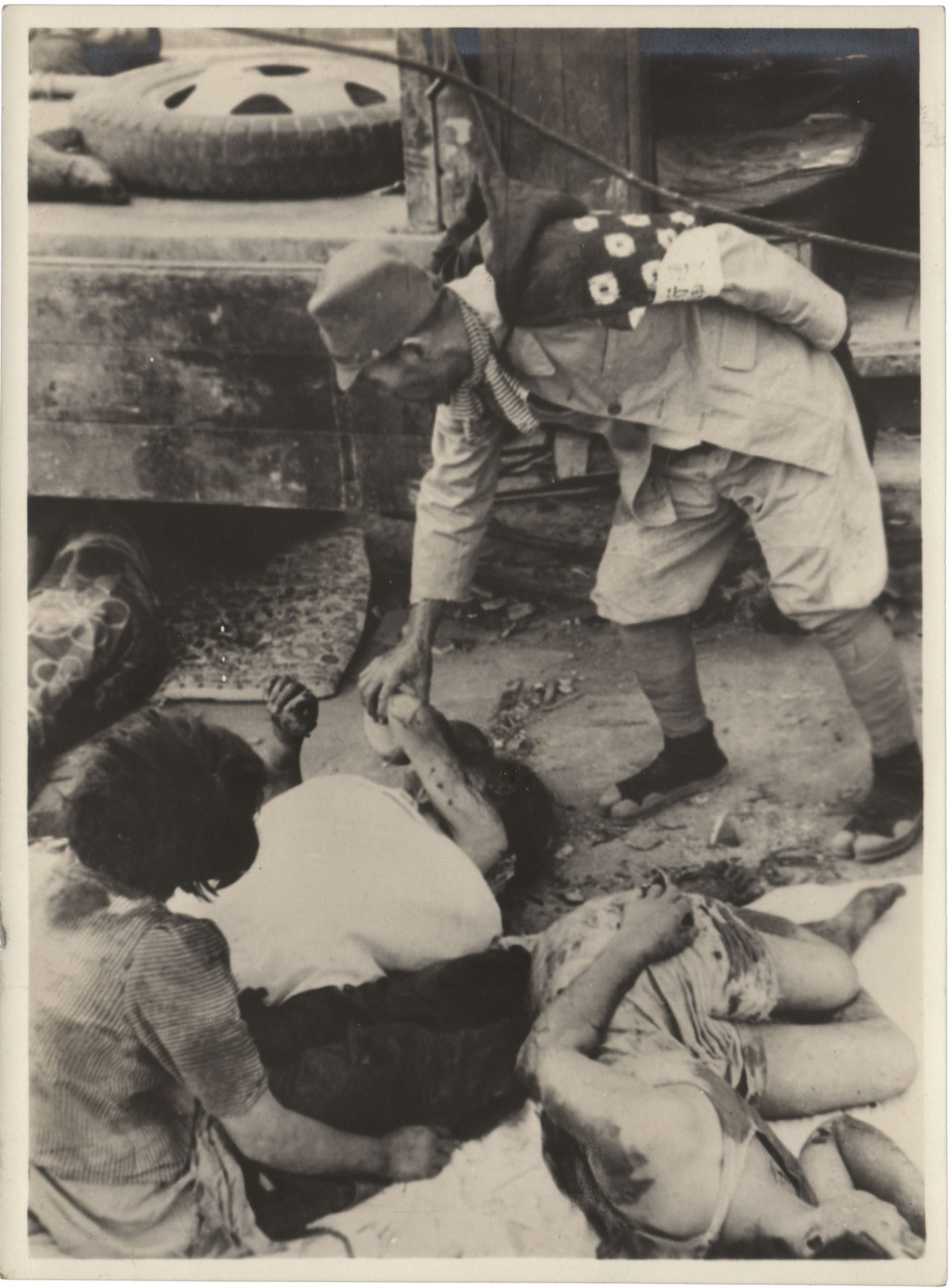
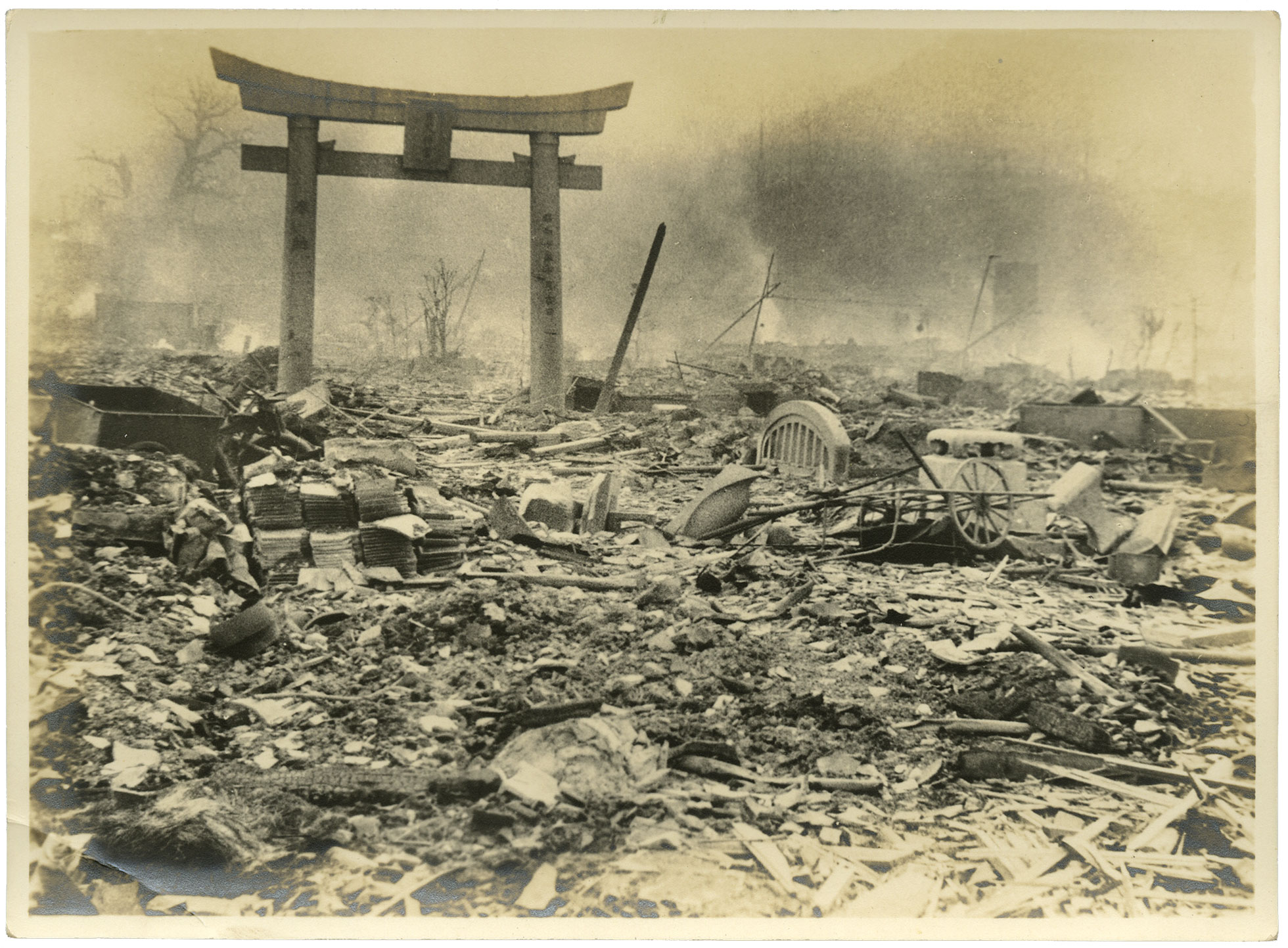
Today, 75 years later, the photographs taken in Nagasaki on August 10, 1945, are considered the most extensive eyewitness account of the bombing, and the “ground zero” of Atomic Photography.
The encounters between the French photographer P. Rossier and early Japanese pioneers of photography, such as Furukawa Shunpei, Maeda Genzō, and Ueno Hikoma, brought about further developments, in leaps and bounds, in Japanese photography. Rossier came to Nagasaki as a correspondent, and subsequently became the first photographer to sell landscape photographs of Japan in Europe.
When Felice Beato (1834 – c. 1900) established a photographic studio in Yokohama in 1863, he was at the height of his creativity. At this point Beato had already built up an impressive track record as a commercial photographer, having chronicled the Crimean War, the Indian Mutiny and the Second Opium War in China. Beato was therefore unique among his western contemporaries in Japan for his photographic experience. During the remainder of the 1860s, and well into the following decade, Beato enjoyed a reputation as the country’s premier photographer, until he sold his studio to Baron von Stillfried in 1877. Beato’s work remains the first significant body of photographs taken by a western photographer living and working in Japan, one with which both Japanese and westerners were familiar. The history of photography – not only in Japan, but also as a worldwide whole – is richer as a result of his life, his work, and the artistic encounter it engendered.
Hand-Colored Photographs
Throughout the nineteenth century, photography was entirely black and white. While differences in shading might be discernable from one print to another, depending on the exact process used to produce them, the data captured by cameras themselves was monochromatic. This was because silver halides – the family of salts that are light-sensitive enough for use in cameras – only respond to light at the blue end of the visual spectrum, which made recording colors in other parts of the spectrum difficult. There already existed a long history of hand-coloring etchings and engravings, though, and this practice was easily transferred to the new medium of the photograph.
The daguerreotype in its earliest form had a dull, gray appearance, which was often relieved by applying pale red highlights to the subject’s cheeks or spots of gold to the buttons on a jacket.
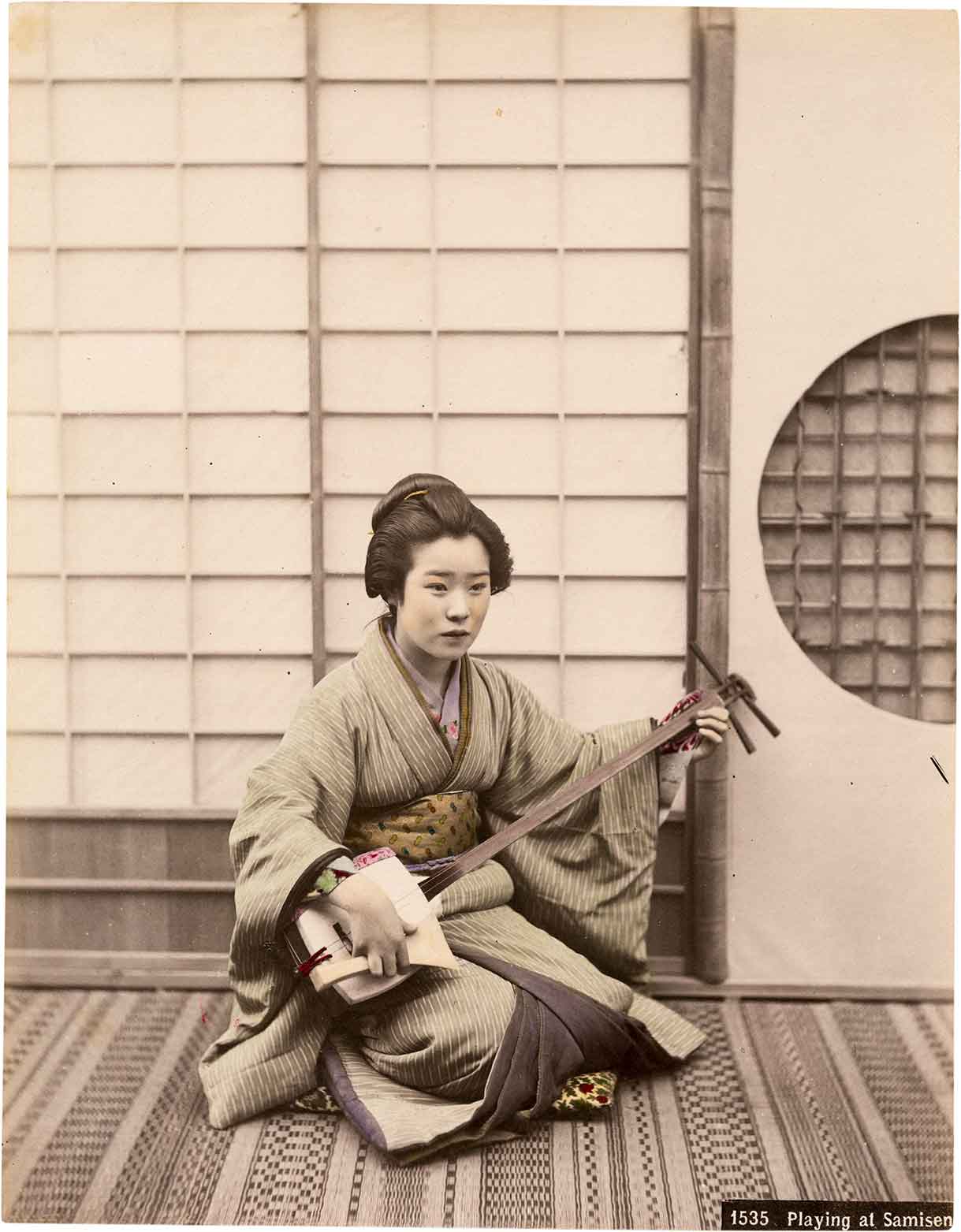
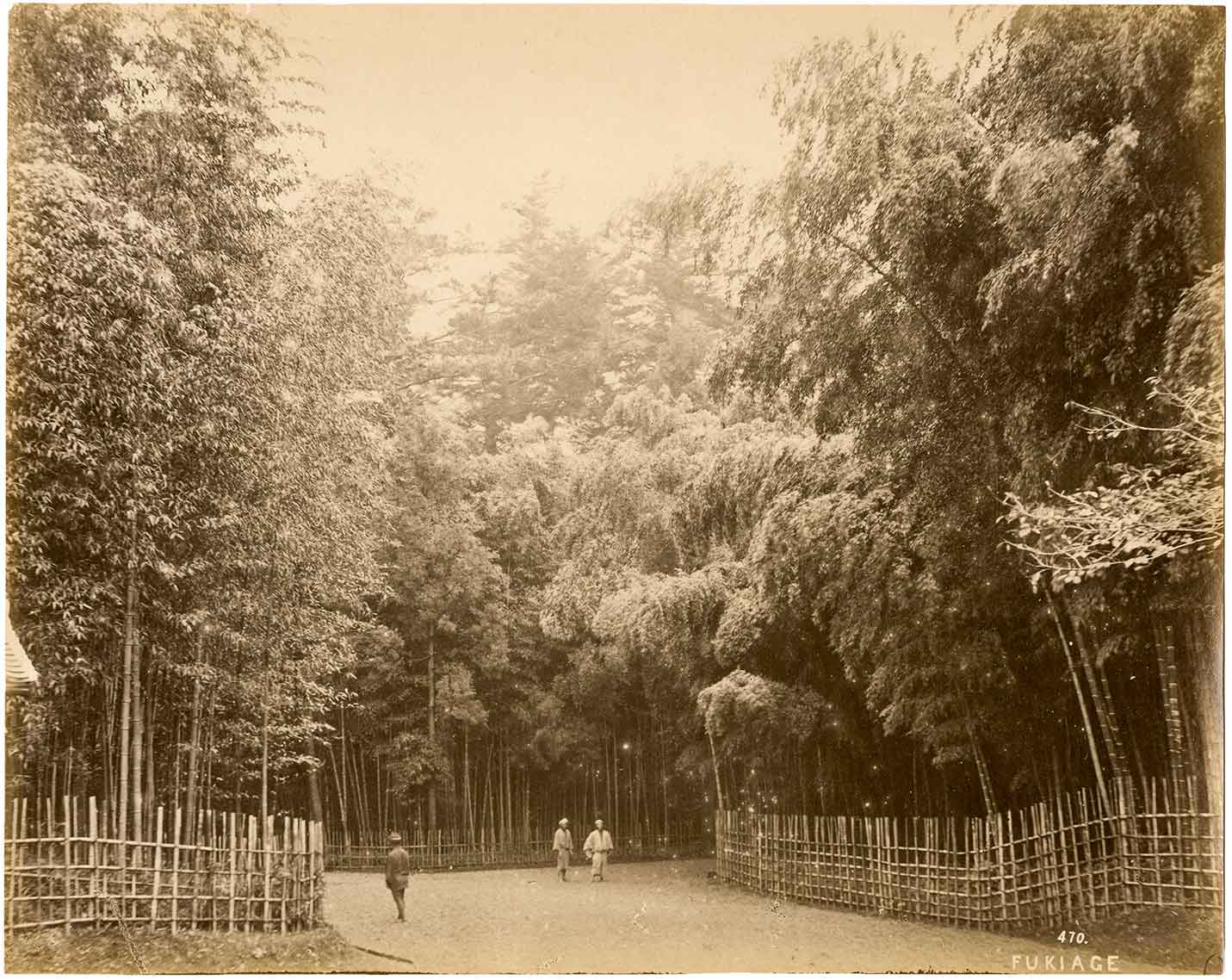
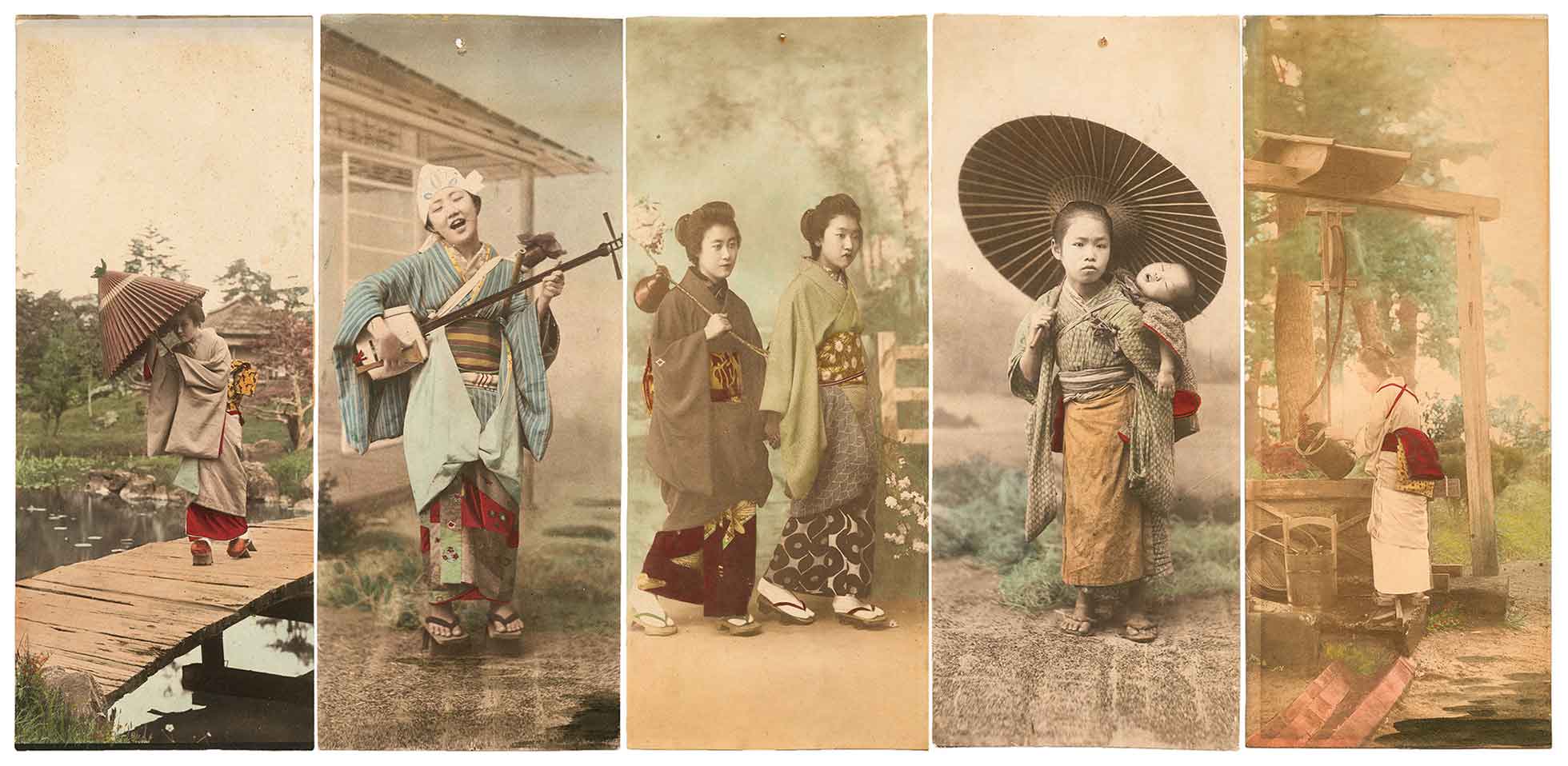
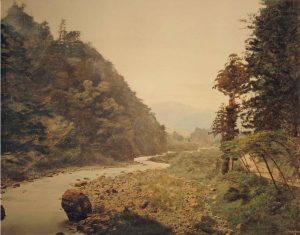
In Japan, albumen prints (produced for the tourist trade) were often treated with wild applications of color – cherry blossoms became pink, hanging wisteria blue. These modifications were made with diluted oil paints prepared for the purpose. Even long after the invention of color photography these oil colors were still sold in kits, so that the favorite family portrait could be customized and made more lifelike.
Sources:
Terry Bennett, “Photography in Japan. 1853-1912”, Singapore 2006.
Nicole Coolidge Rousmaniere, Mikiko Hirayama, “Reflecting Truth. Japanese Photography in the Nineteenth Century”, Amsterdam 2004.
Richard Benson, “The Printed Picture”, published by the Museum of Modern Art, New York 2008, p. 186.


All photographs are available for purchase. Prices upon request. For further information please send an email to: contact@danielblau.com
All offers are noncommital. We cannot guarantee the items are still available on request.
Other Diversions
How Colorized Photos Helped Introduce Japan to the World Tourism and Science in Early Japanese Photographs Sites of 'Disconnectedness': The Port City of Yokohama, Souvenir Photography, and its Audience Digital Photo Colorization The Paper Time Machine Cees Nooteboom Explores the Ancient Japanese Temple Kozan-ji Sam Francis in Japan by Richard Speer
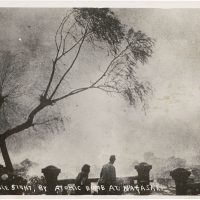
Eyewitnesses of the final bombings of Hiroshima and Nagasaki
Yoshito Matsushige
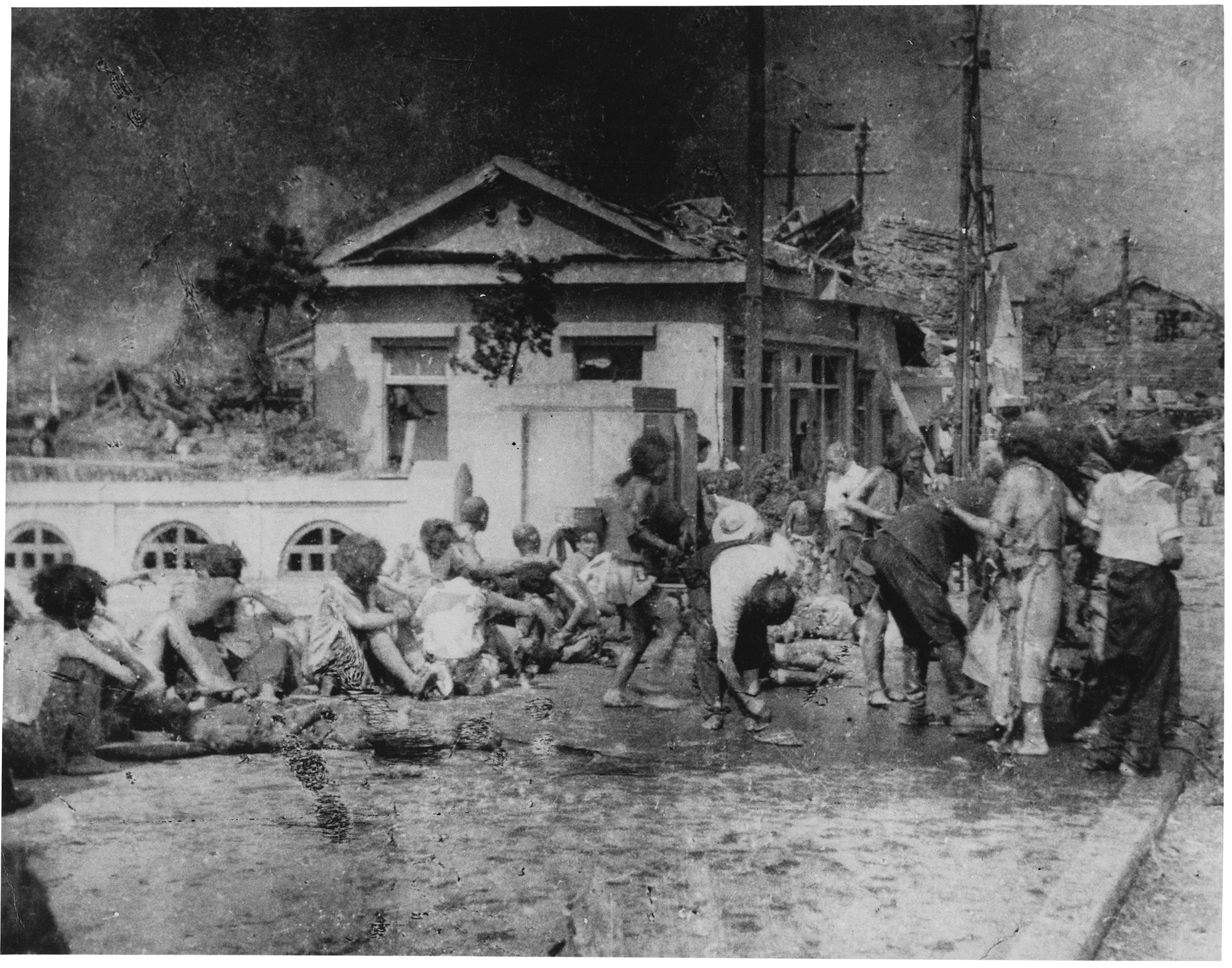
Yoshito Matsushige (1913-2005) was born in Kure, Hiroshima. As a photojournalist, he took five photographs on August 6, 1945, the day of the atomic bombing of Hiroshima. At the time of the explosion, Matsushige was at home, 2.7 km south of the hypocentre. He is the only person to have captured an immediate, first-hand photographic account of the bombing. Matsushige dedicated most of the rest of his life to organizing and preserving the photographic history of the atomic bombing of his hometown.
“I had finished breakfast and was getting ready to go to the newspaper when it happened. There was a flash from the indoor wires as if lightening had struck. I didn’t hear any sound, how shall I say, the world around me turned bright white. And I was momentarily blinded as if a magnesium light had lit up in front of my eyes. Immediately after that, the blast came. I was bare from the waist up, and the blast was so intense, it felt like hundreds of needles were stabling me all at once. The blast grew large holes in the walls of the first and second floor. I could barely see the room because of all the dirt. I pulled my camera and the clothes issued by the military headquarters out from under the mound of the debris, and I got dressed. I thought I would go to either the newspaper or to the headquarters. That was about 40 minutes after the blast. Near the Miyuki Bridge, there was a police box. Most of the victims who had gathered there were junior high school girls from the Hiroshima Girls Business School and the Hiroshima Junior High School No.1. They had been mobilized to evacuate buildings and were outside when the bomb fell. Having been directly exposed to the heat rays, they were covered with blisters, the size of balls, on their backs, their faces, their shoulders and their arms. The blisters were starting to burst open and their skin hung down like rugs. Some of the children even have burns on the soles of their feet. They’d lost their shoes and run barefoot through the burning fire. When I saw this, I thought I would take a picture and I picked up my camera. But I couldn’t push the shutter because the sight was so pathetic. Even though I too was a victim of the same bomb, I only had minor injuries from glass fragments, whereas these people were dying. It was such a cruel sight that I couldn’t bring myself to press the shutter. Perhaps I hesitated there for about 20 minutes, but I finally summoned up the courage to take one picture. Then, I moved 4 or 5 meters forward to take the second picture. Even today, I clearly remember how the view finder was clouded over with my tears. I felt that everyone was looking at me and thinking angrily, “He’s taking our picture and will bring us no help at all.” Still, I had to press the shutter, so I harden my heart and finally I took the second shot. Those people must have thought me duly cold-hearted. Then, I saw a burnt streetcar which had just turned the corner at Kamiya-cho. There were passengers still in the car. I put my foot onto the steps of the car and I looked inside. There were perhaps 15 or 16 people in front of the car. They laid dead one on top of another. Kamiya-cho was very close to the hypocenter, about 200 meters away. The passengers had stripped them of all their clothes. They say that when you are terrified, you tremble and your hair stands on end. And I felt just this tremble when I saw this scene. I stepped down to take a picture and I put my hand on my camera. But I felt so sorry for these dead and naked people whose photo would be left to posterity that I couldn’t take the shot. Also, in those days we weren’t allowed to publish the photographs of corpses in the newspapers. After that, I walked around, I walked through the section of town which had been hit hardest. I walked for close to three hours. But I couldn’t take even one picture of that central area. There were other cameramen in the army shipping group and also at the newspaper as well. But the fact that not a single one of them was able to take pictures seems to indicate just how brutal the bombing actually was. I don’t pride myself on it, but it’s a small consolation that I was able to take at least five pictures. During the war, air-raids took place practically every night. And after the war began, there were many foods shortages. Those of us who experienced all these hardships, we hope that such suffering will never be experienced again by our children and our grandchildren. Not only our children and grandchildren, but all future generations should not have to go through this tragedy. That is why I want young people to listen to our testimonies and to choose the right path, the path which leads to peace.”
Yosuke Yamahata
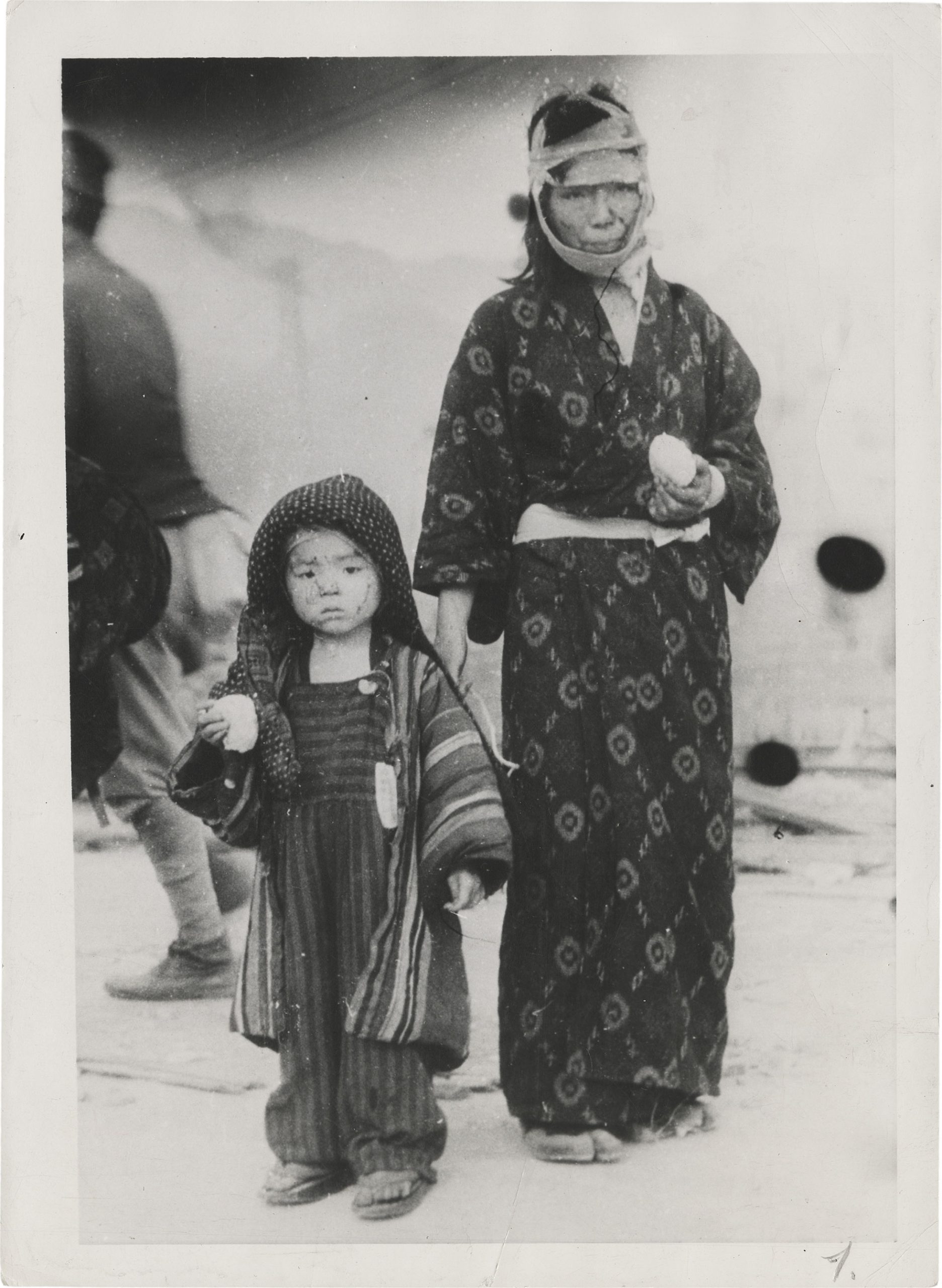
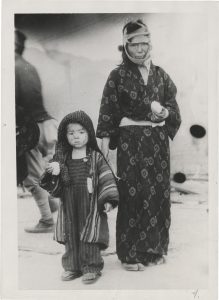
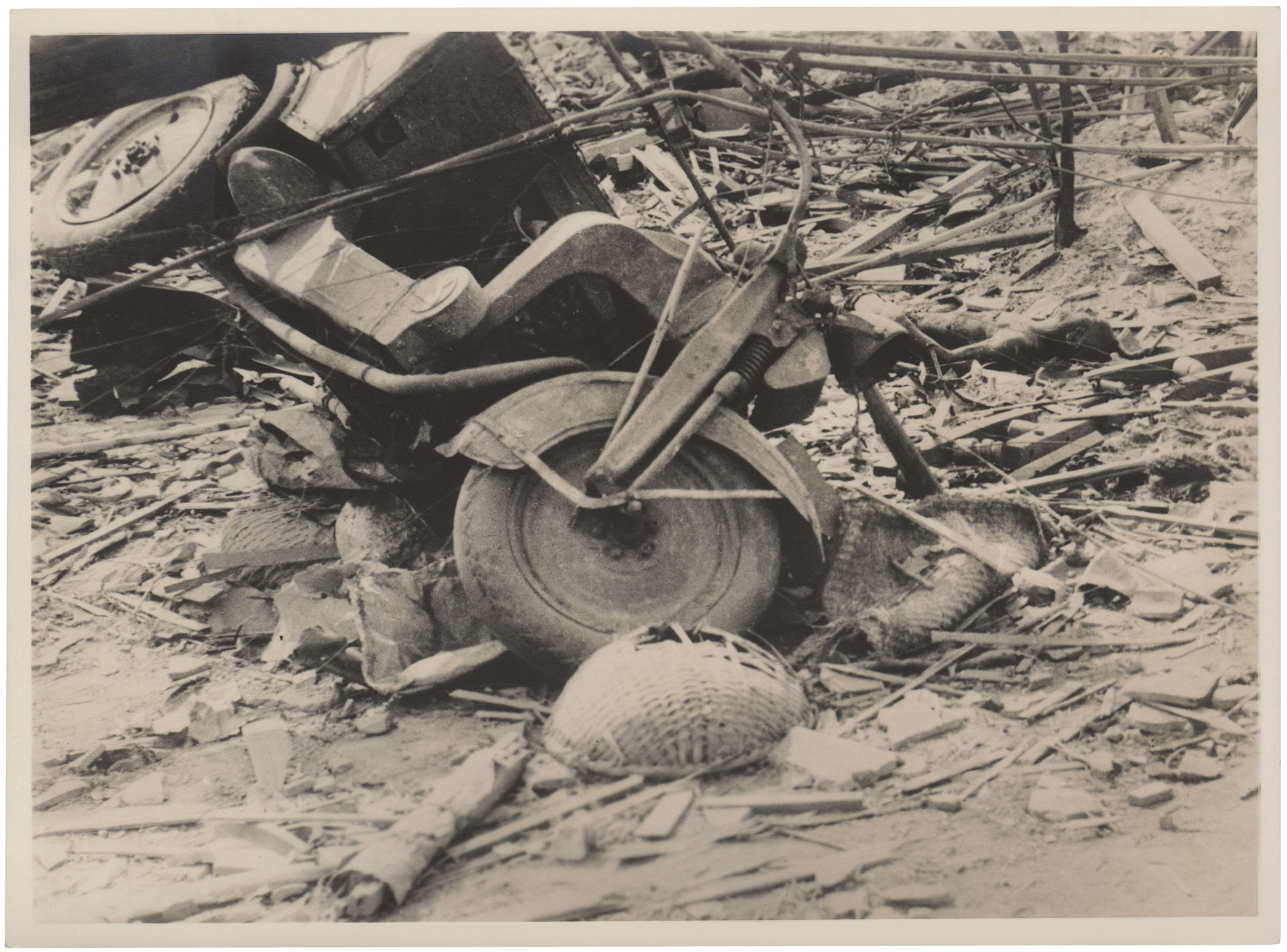
At the time of the final bombings of Hiroshima and Nagasaki, in August 1945, Yōsuke Yamahata (1917-1966) was a propaganda photographer for the Japanese News and Navy Divisions of the Information Bureau. Yamahata spent most of the 1940s in Southeast Asia, where he photographed the deployment of the Japanese military. When the atomic bomb was dropped on Hiroshima he was 28, and just transferred back to Tokyo. He had driven through Hiroshima the previous day, on his way to the military base In Hakata. Three days later Nagasaki was bombed. An investigative team left Hakata for Nagasaki, or what remained of it, that same evening. It consisted of Yamahata, the writer Jun Higashi, the painter Eiji Yamada, and two military escorts. It was night the next day when they returned, and when Yamahata, gone immediately to develop his film alone in his darkroom, made the decision to keep it, not to turn it over to the News and Information Bureau. It wasn’t until the end of the month – after Japan had surrendered, and with encouragement from his father – that Yamahata published the first of his pictures, in daily newspapers distributed nationwide. Soon afterwards the new press censorship orders from General MacArthur, now Supreme Commander of the Allied Powers, took effect, and banned any publication in connection with nuclear warfare for the next seven years. It was 1952 before censorship was lifted again and Yamahata’s photographs were made available to the public, in a monograph entitled Atomized Nagasaki. For the photographer, the following years were characterized by the push and pull of his pictures’ use, or misuse, as military propaganda, and their place in the struggle for nuclear disarmament and world peace.
Today, 75 years later, the photographs taken in Nagasaki on August 10, 1945, are considered the most extensive eyewitness account of the bombing, and the “ground zero” of Atomic Photography.
Publication “X-Ray Japan -1945” Get Your Copy Here
All photographs are available for purchase. Prices upon request. For further information please send an email to: contact@danielblau.com
All offers are noncommital. We cannot guarantee the items are still available on request.
Other Diversions
Yoshito Matsushige's video testimony by Hiroshima Peace Memorial Museum Documentary 'Tale of Two Cities' Document by U.S. Army Signal Corpse Pictorial Division 'The Atom Strikes!'
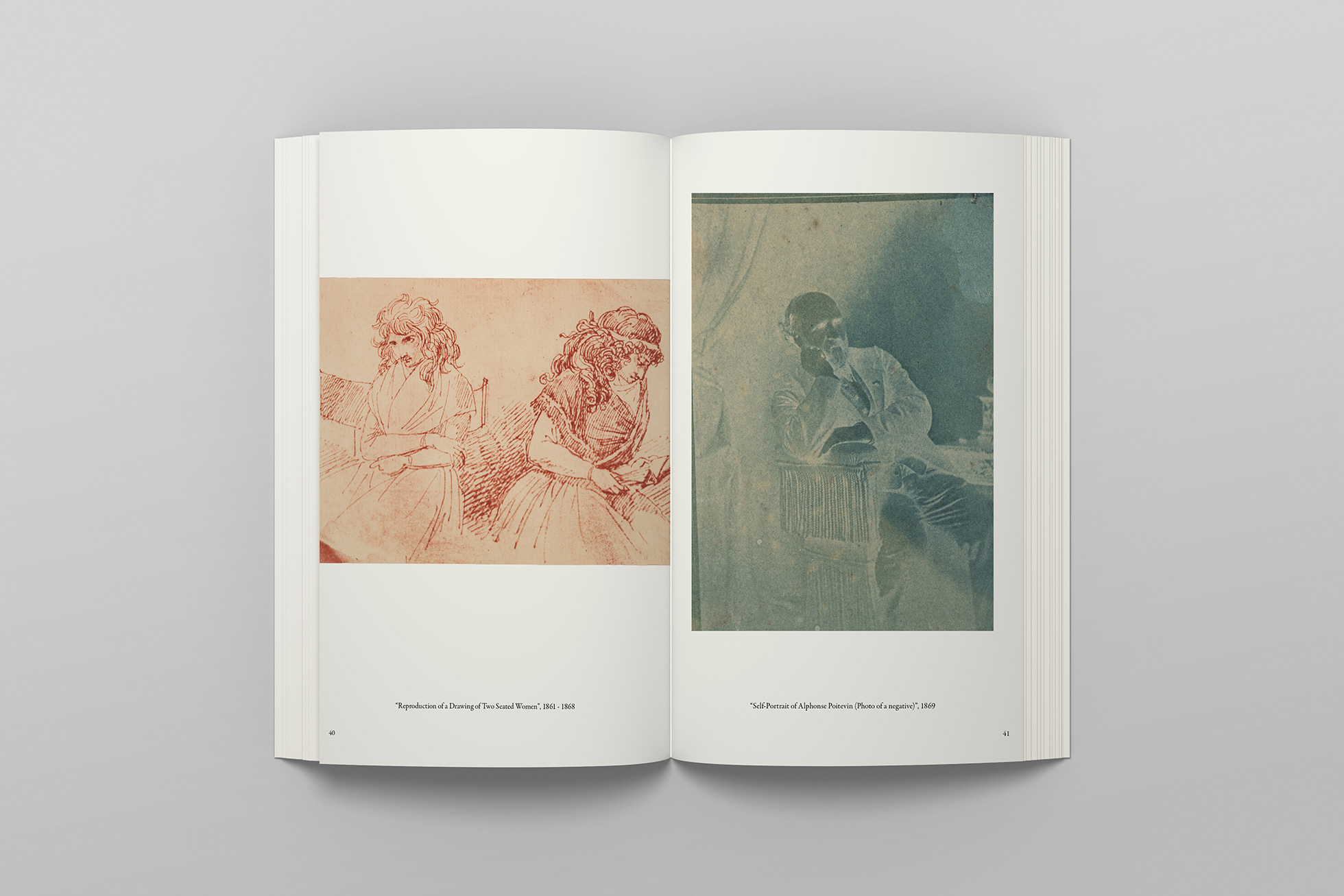
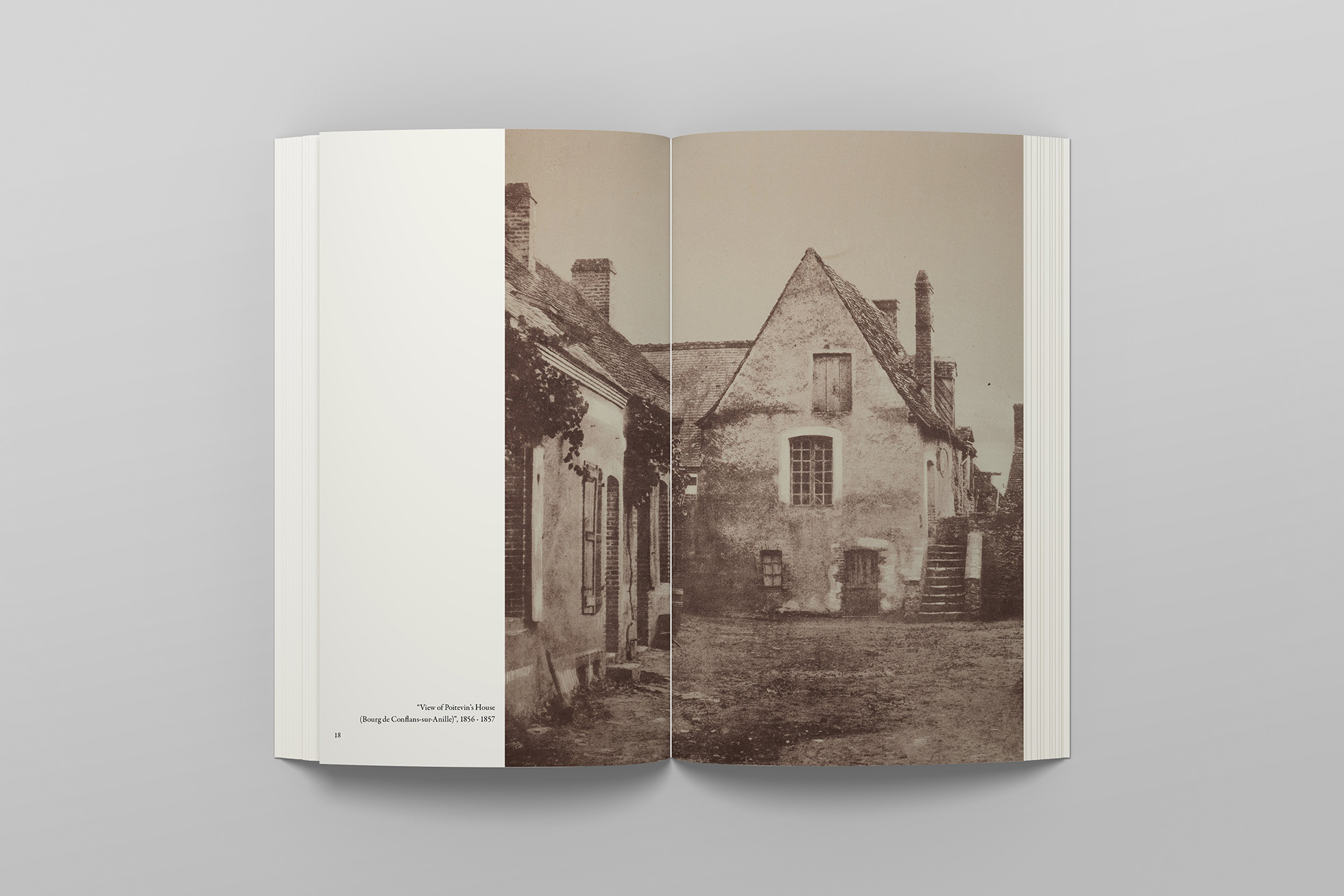
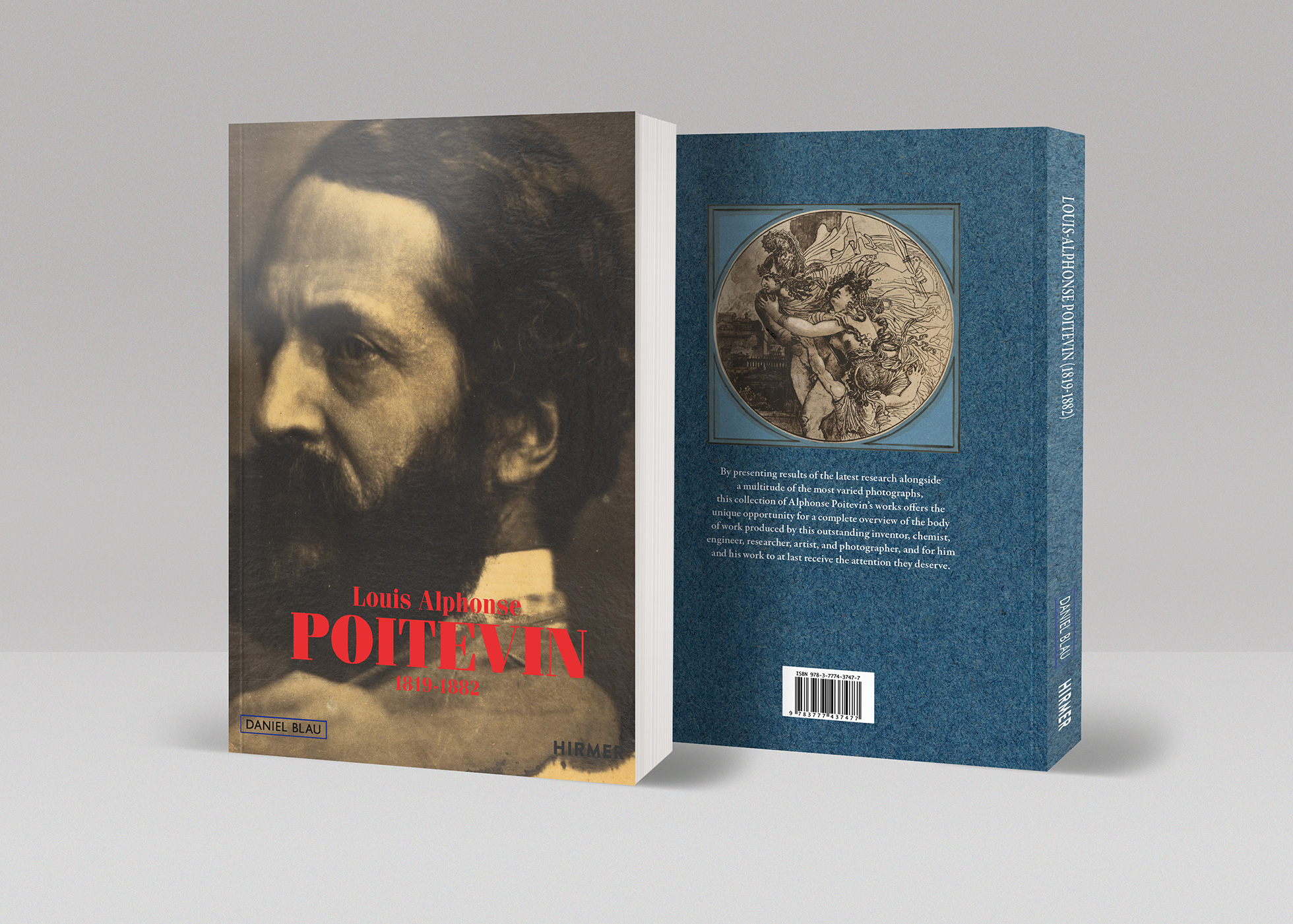
This collection brings together 47 of Alphonse Poitevin’s vintage prints, offering a unique and exclusive insight into his life’s work, and hoping thereby to spur new interest and further research into his extraordinary alchemist.
84 pages, 97 illustrations, with essays by Martin Jürgens and Katharina Rohmeder
18,5 × 25,5 cm, softcover,
published by:
Hirmer Publishers, 2021
Printed and bound by:
Pelo-Druck Lohner OHG
paper content: Tauro 120g/m
paper cober: Gardamatt Art 350g/m
Edition: 750
€ 20 plus shipping
ISBN: 978-3-7774-3747-7
Order your copy exclusivly here: contact@danielblau.com
Purchase your copy here
X-Ray Japan 1945
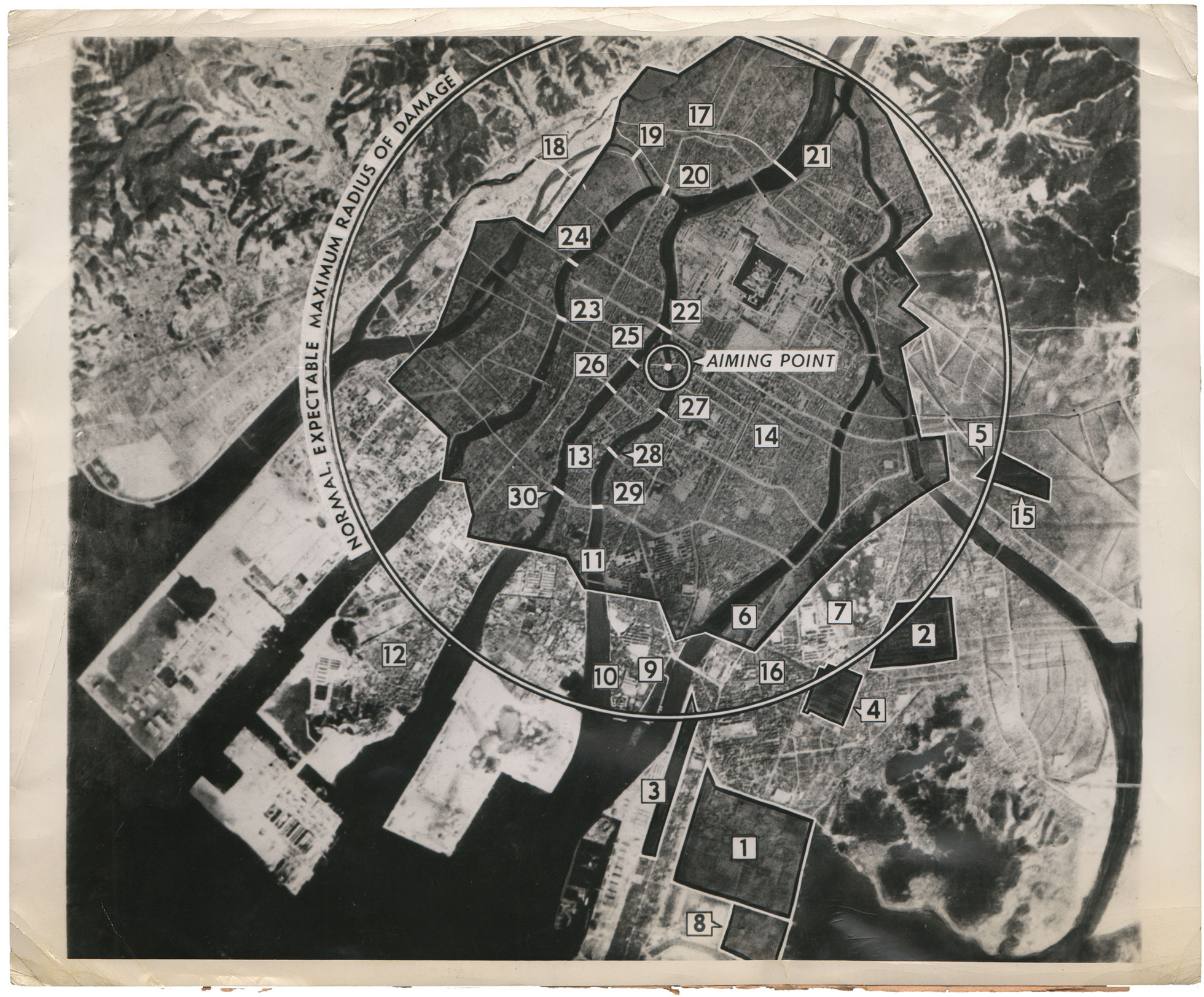
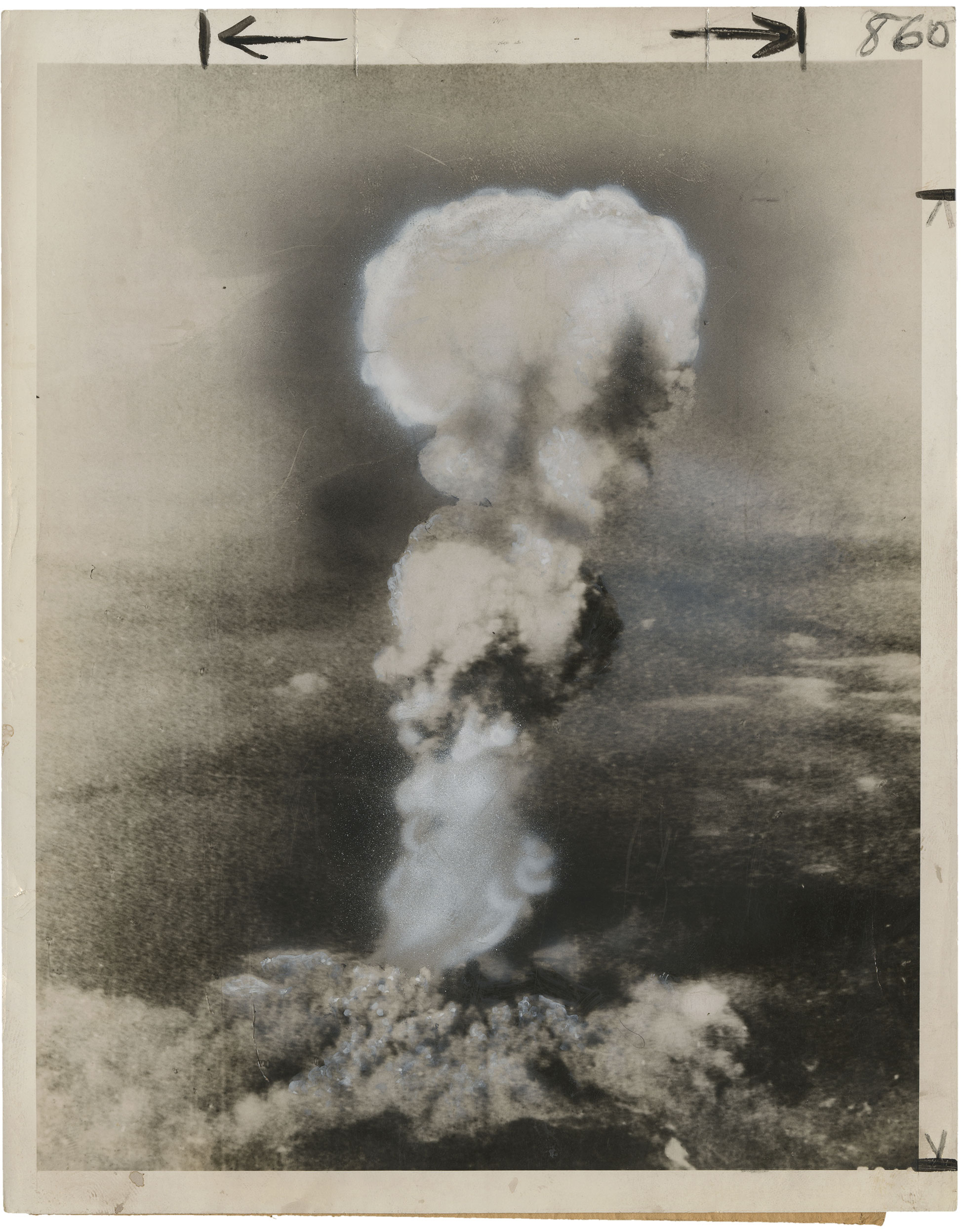
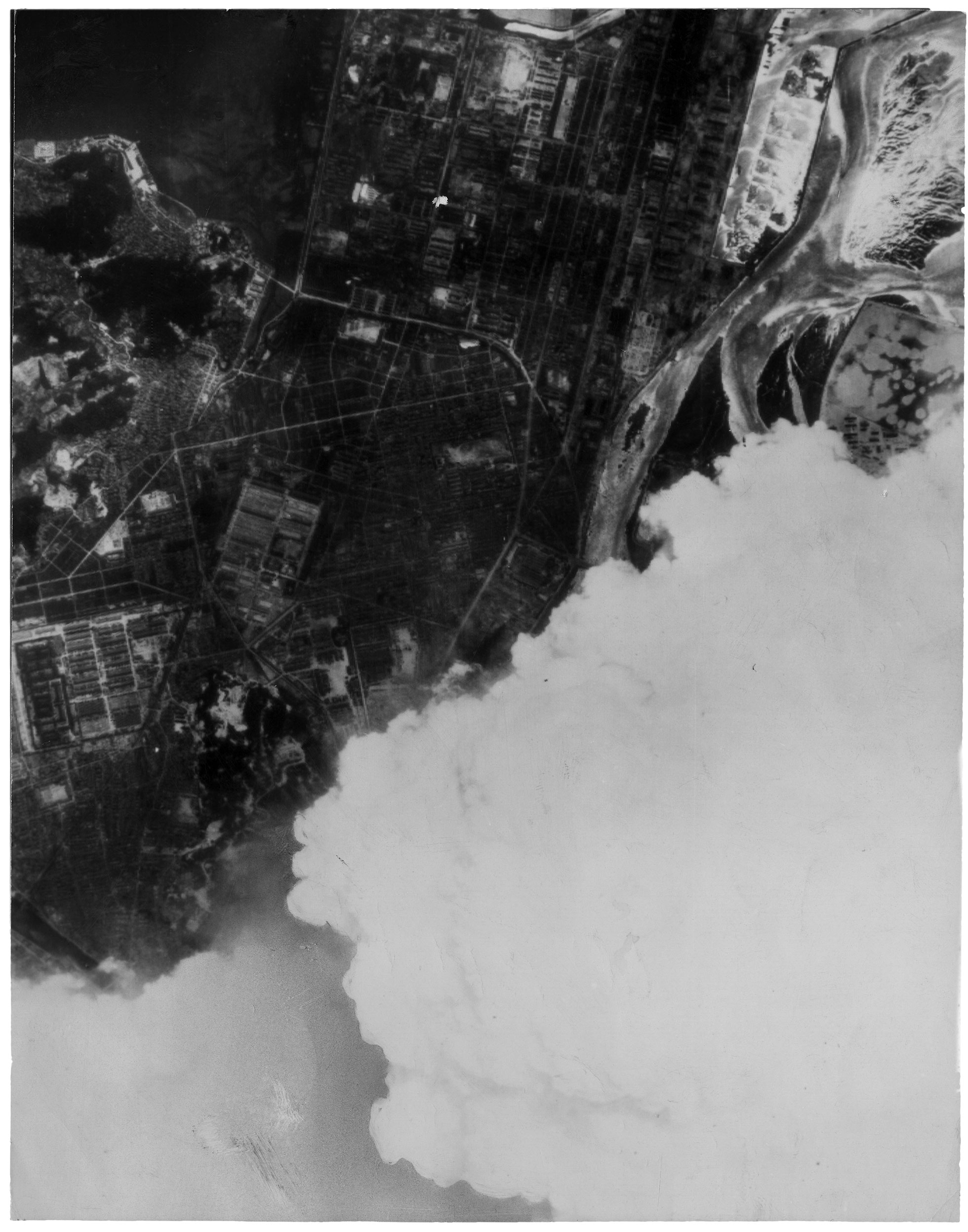
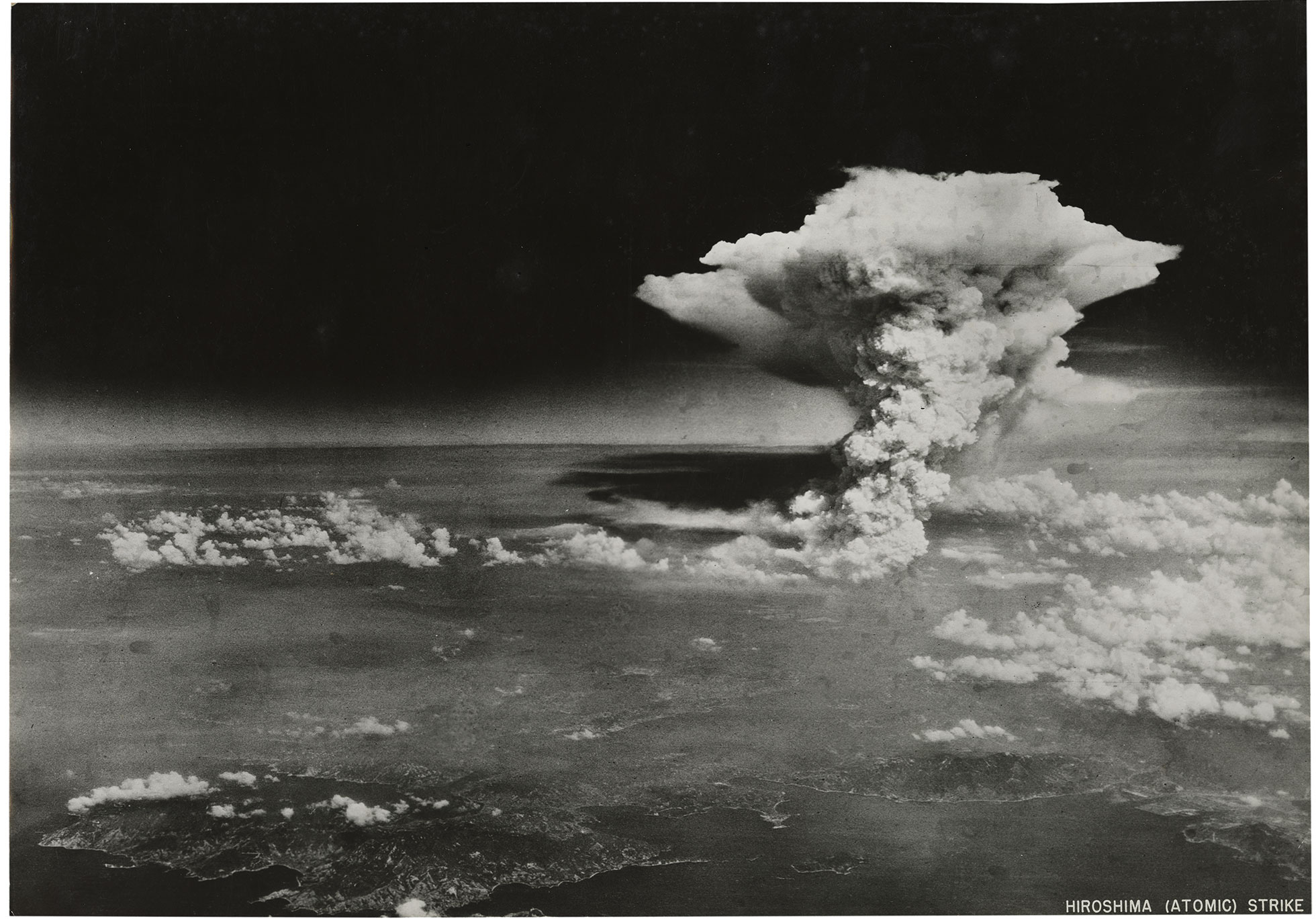
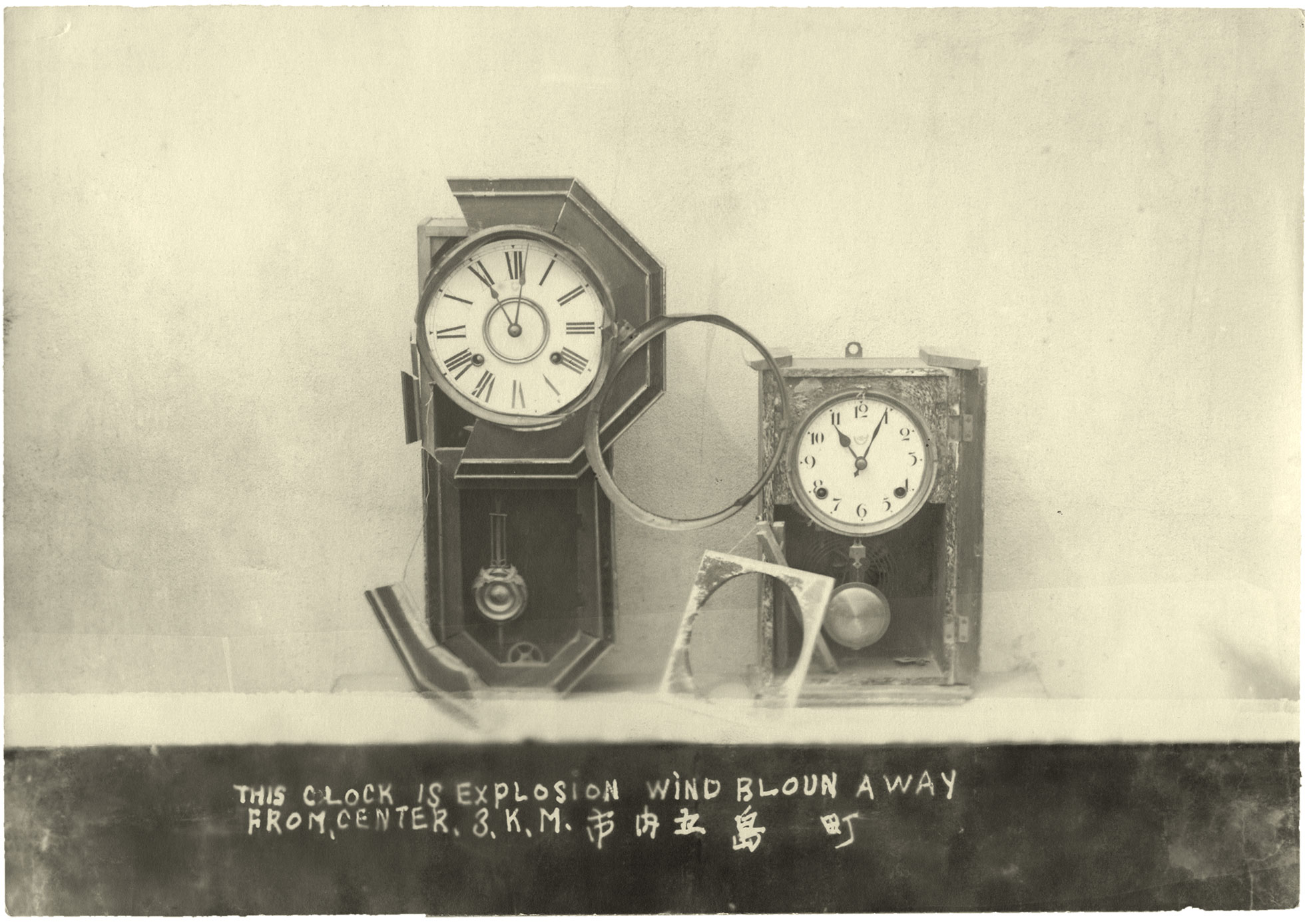
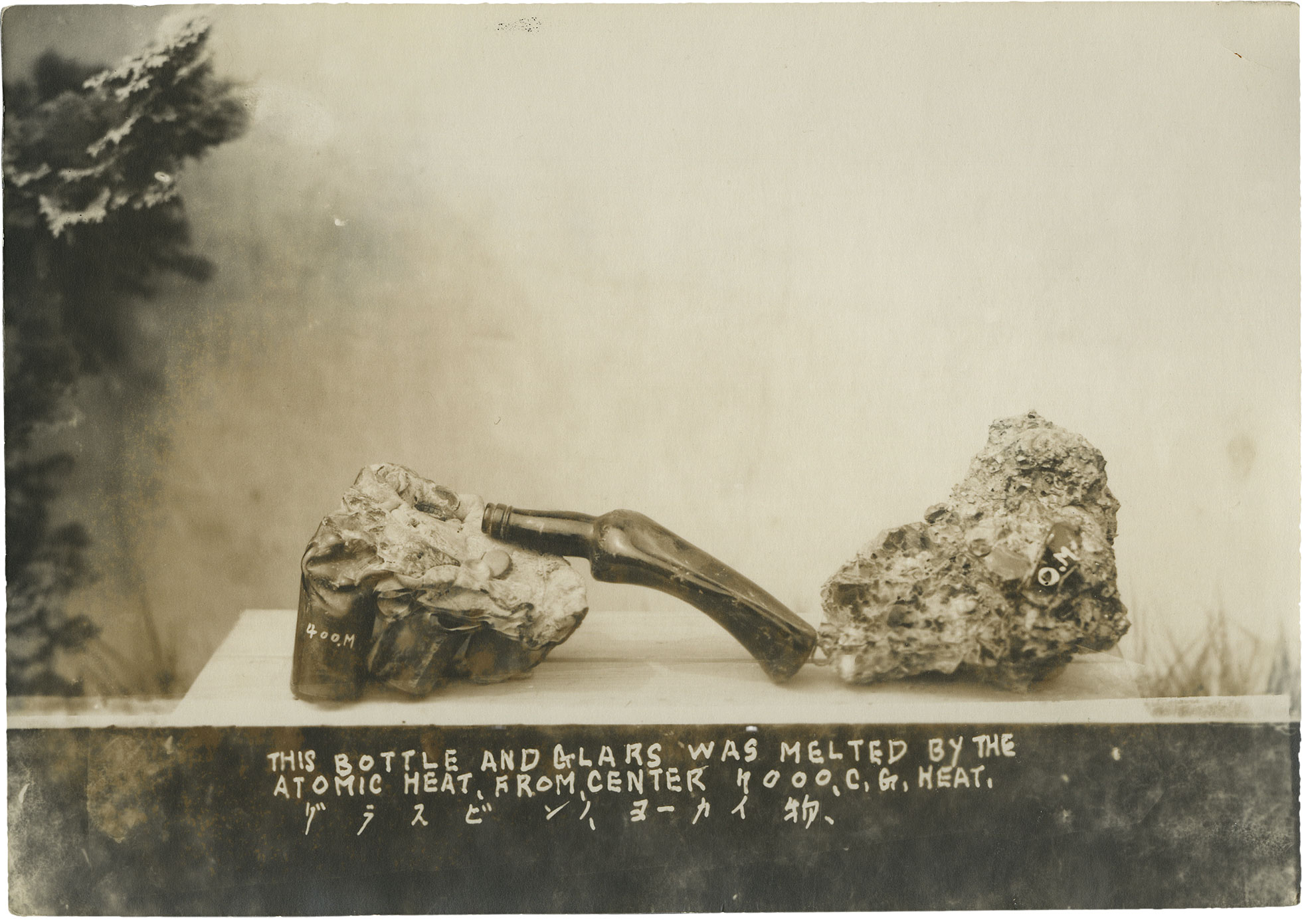
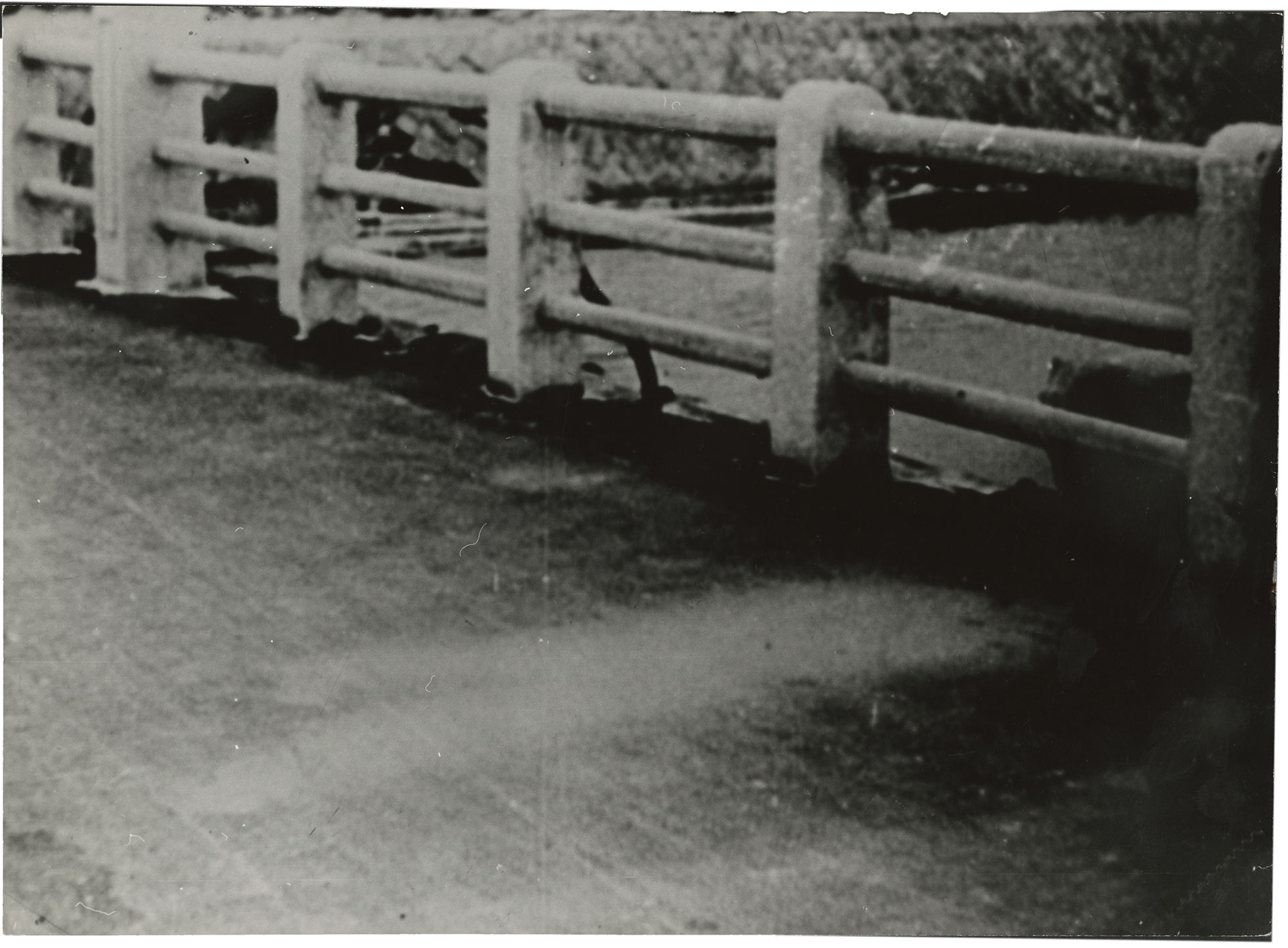
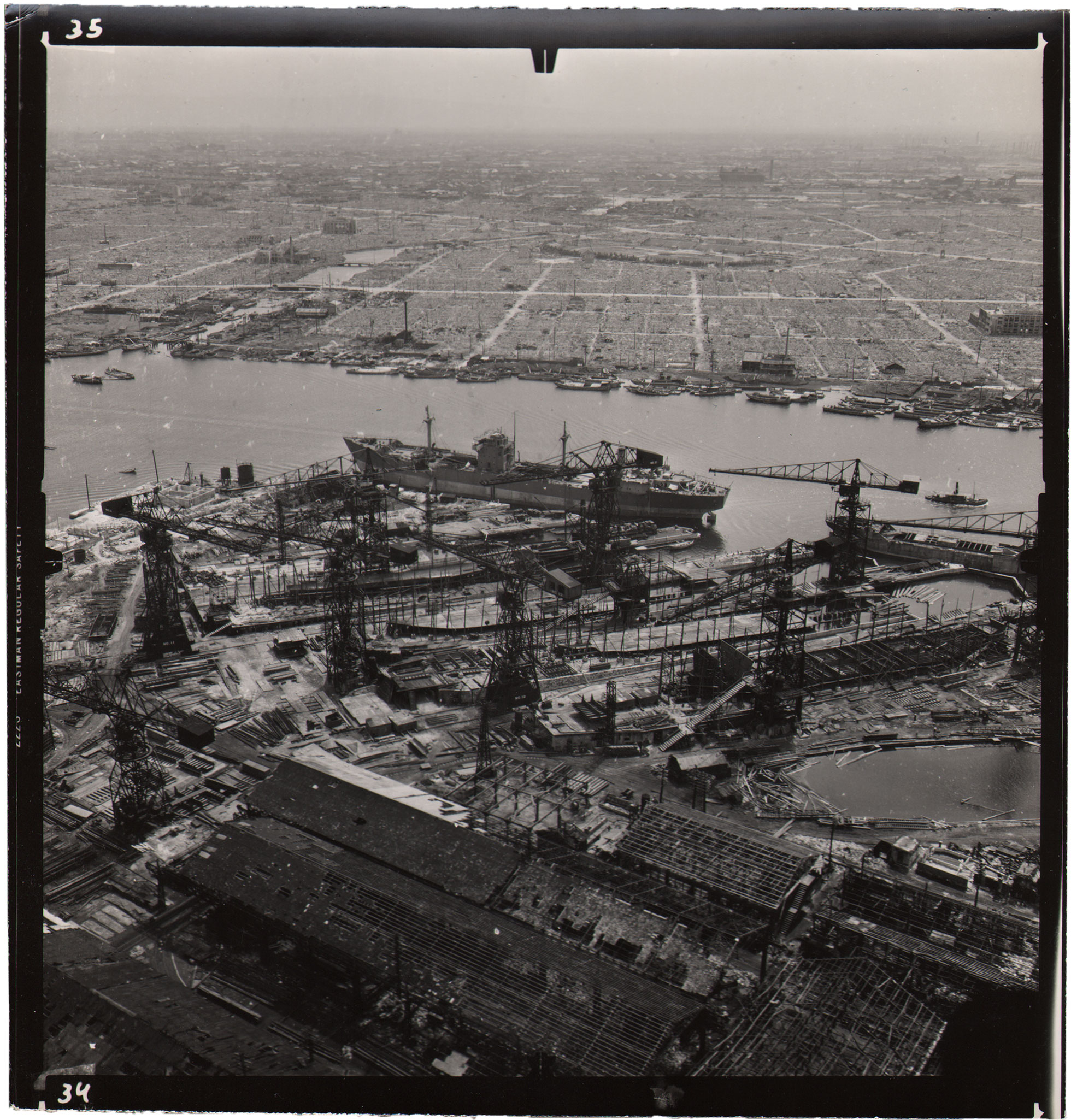
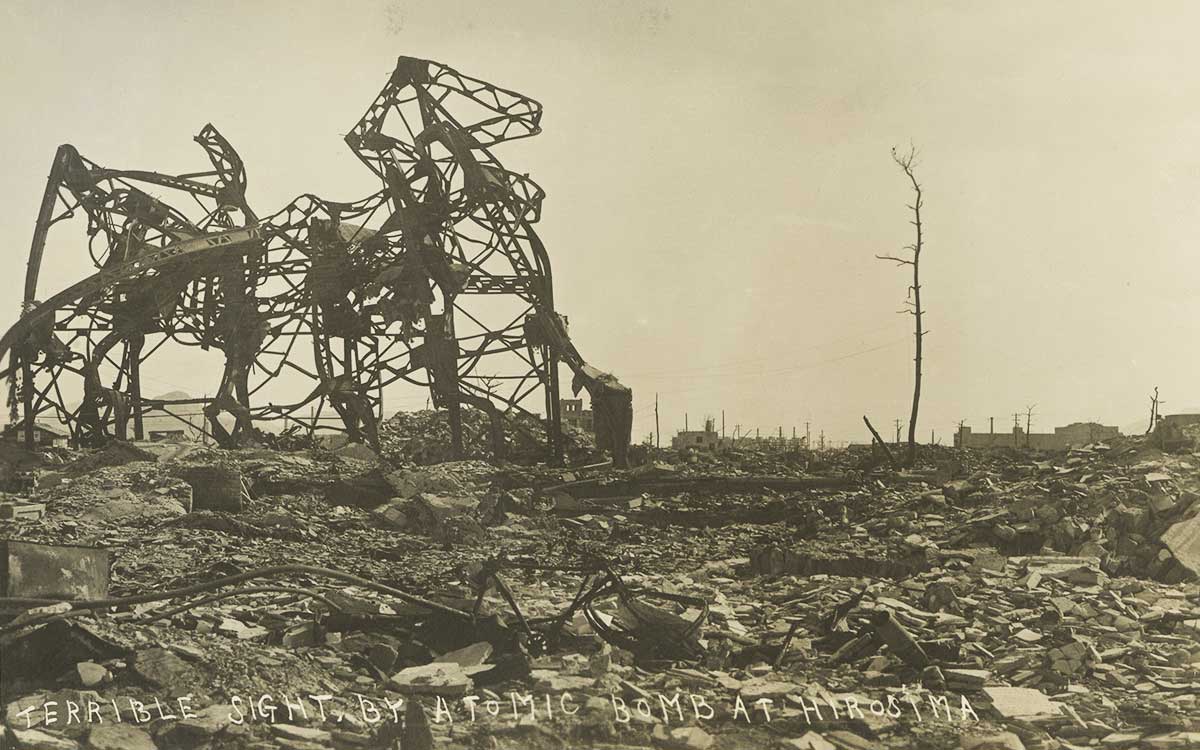
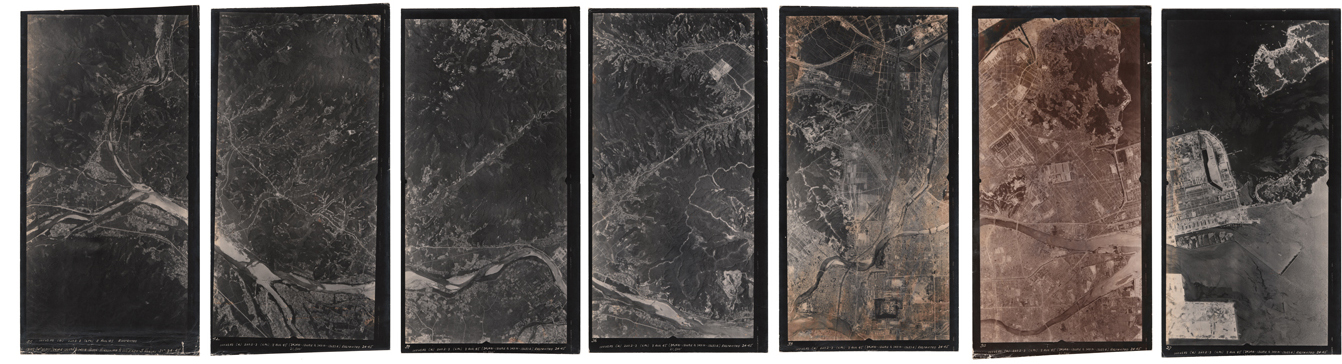
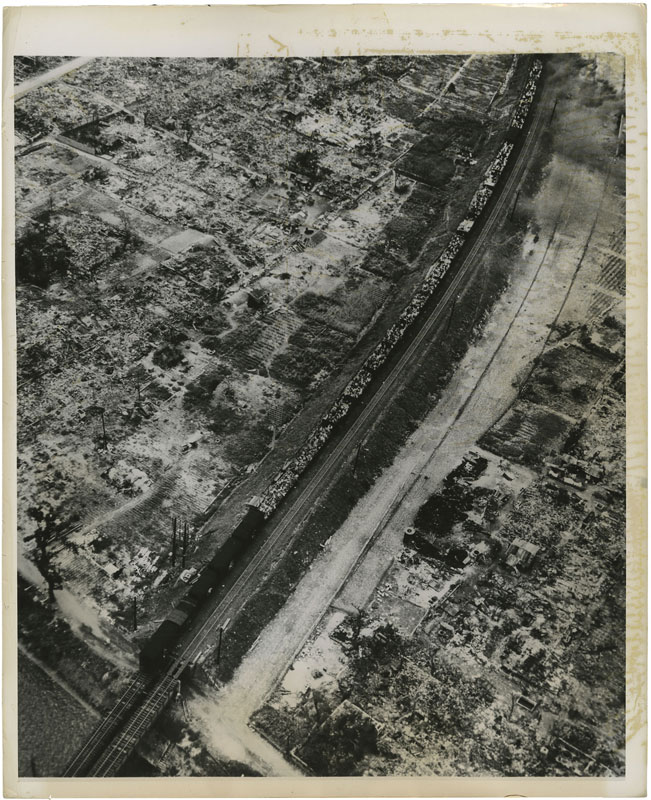
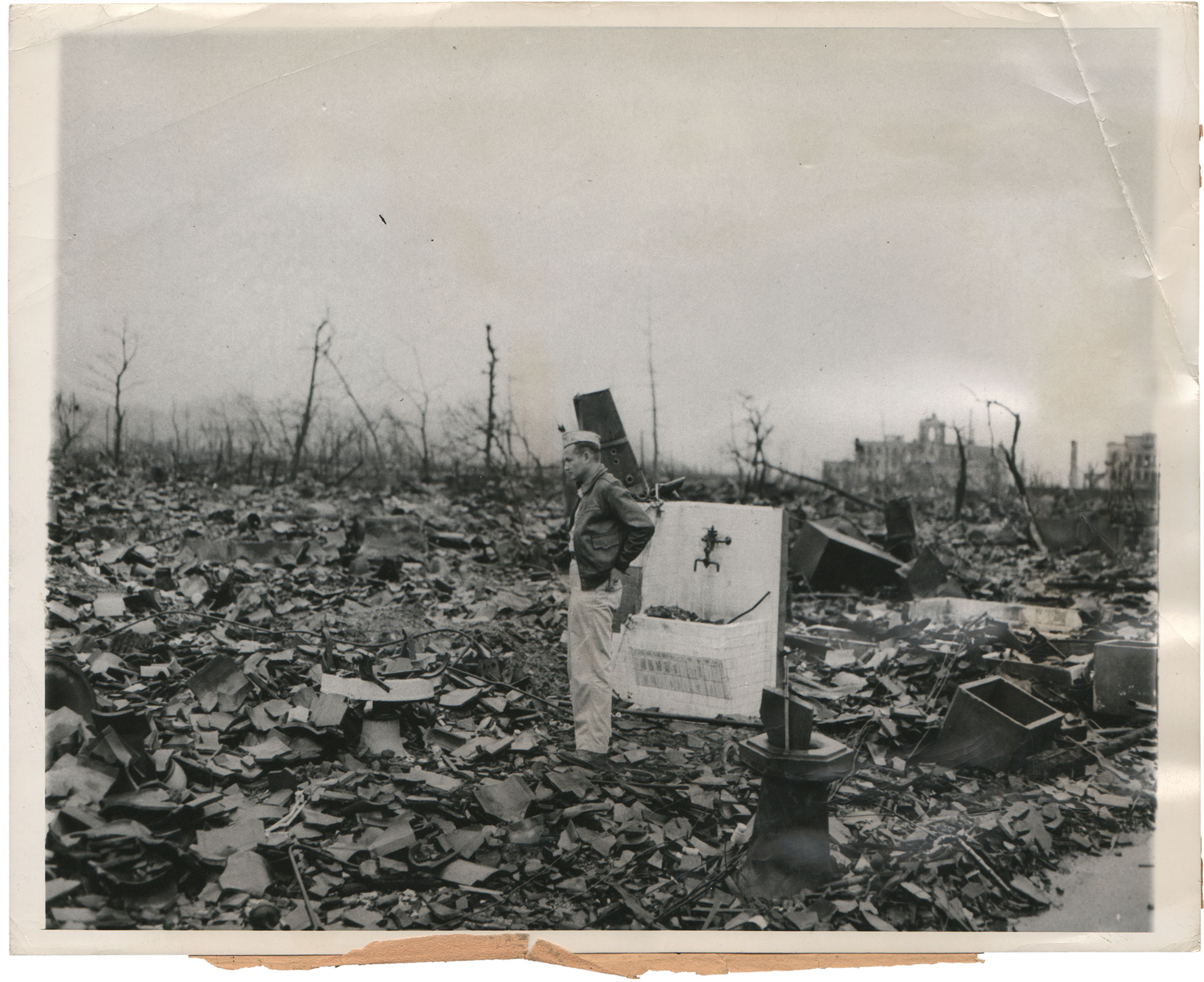
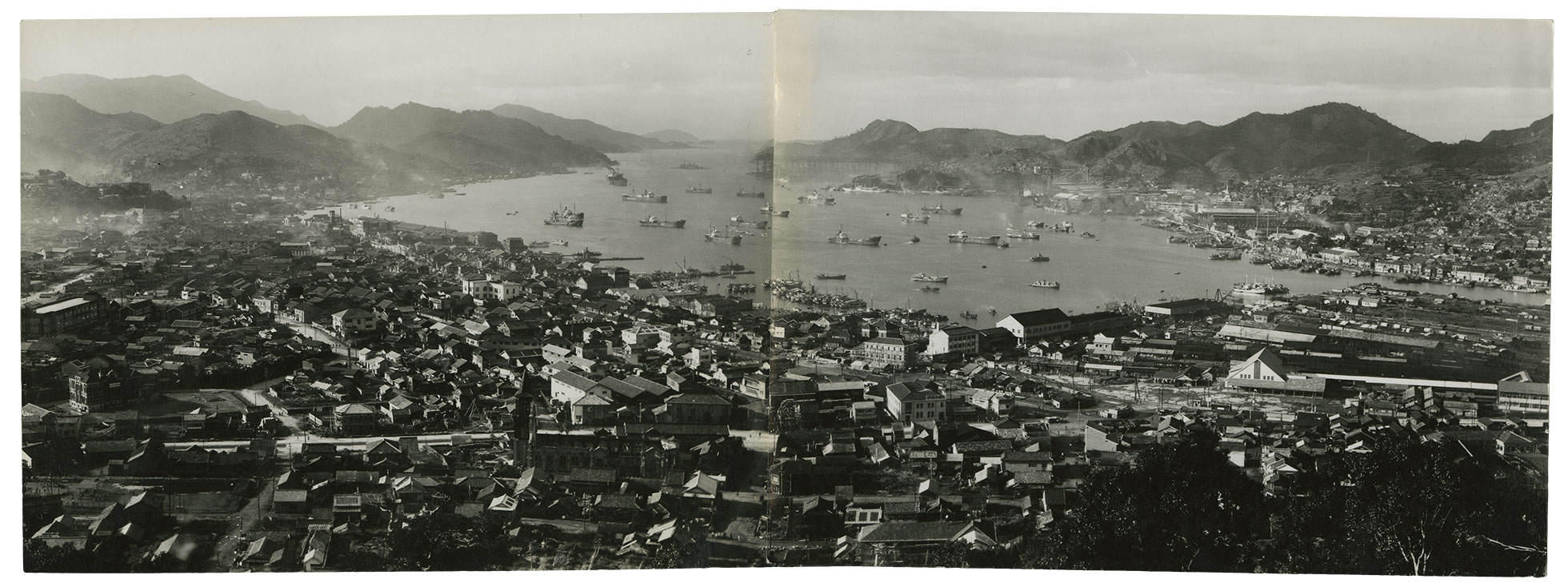
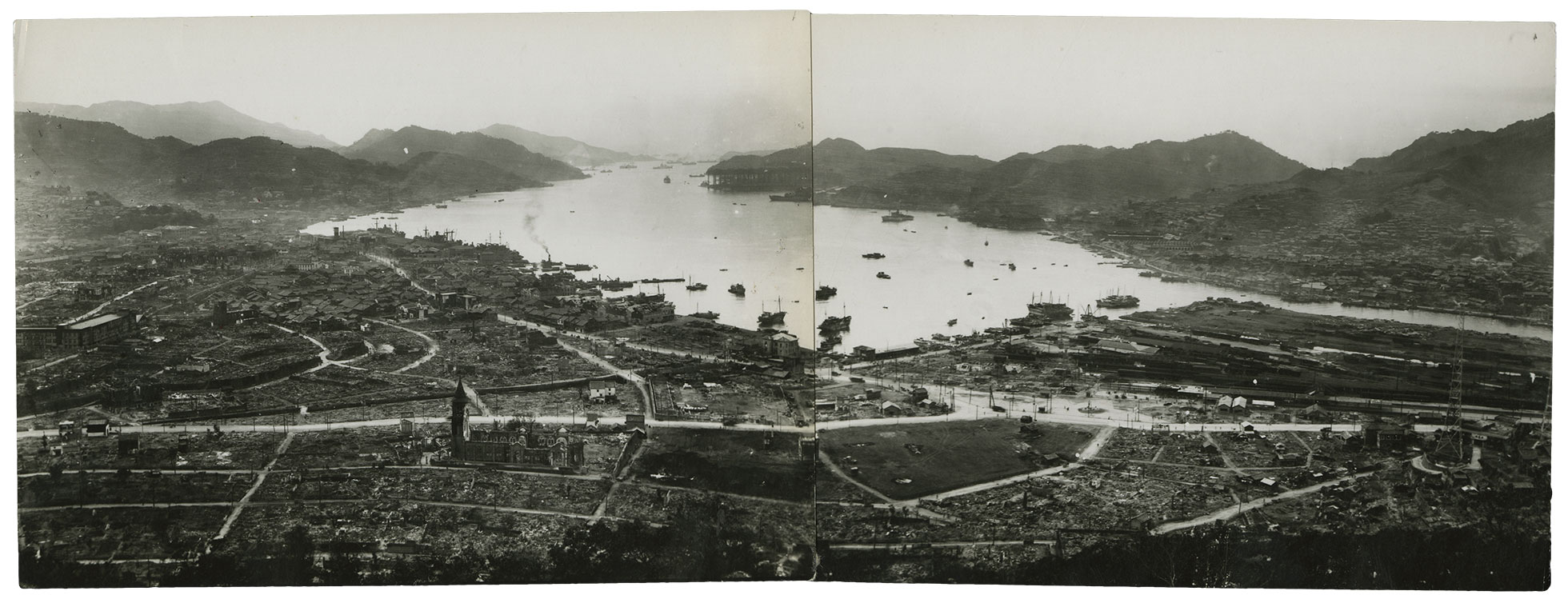
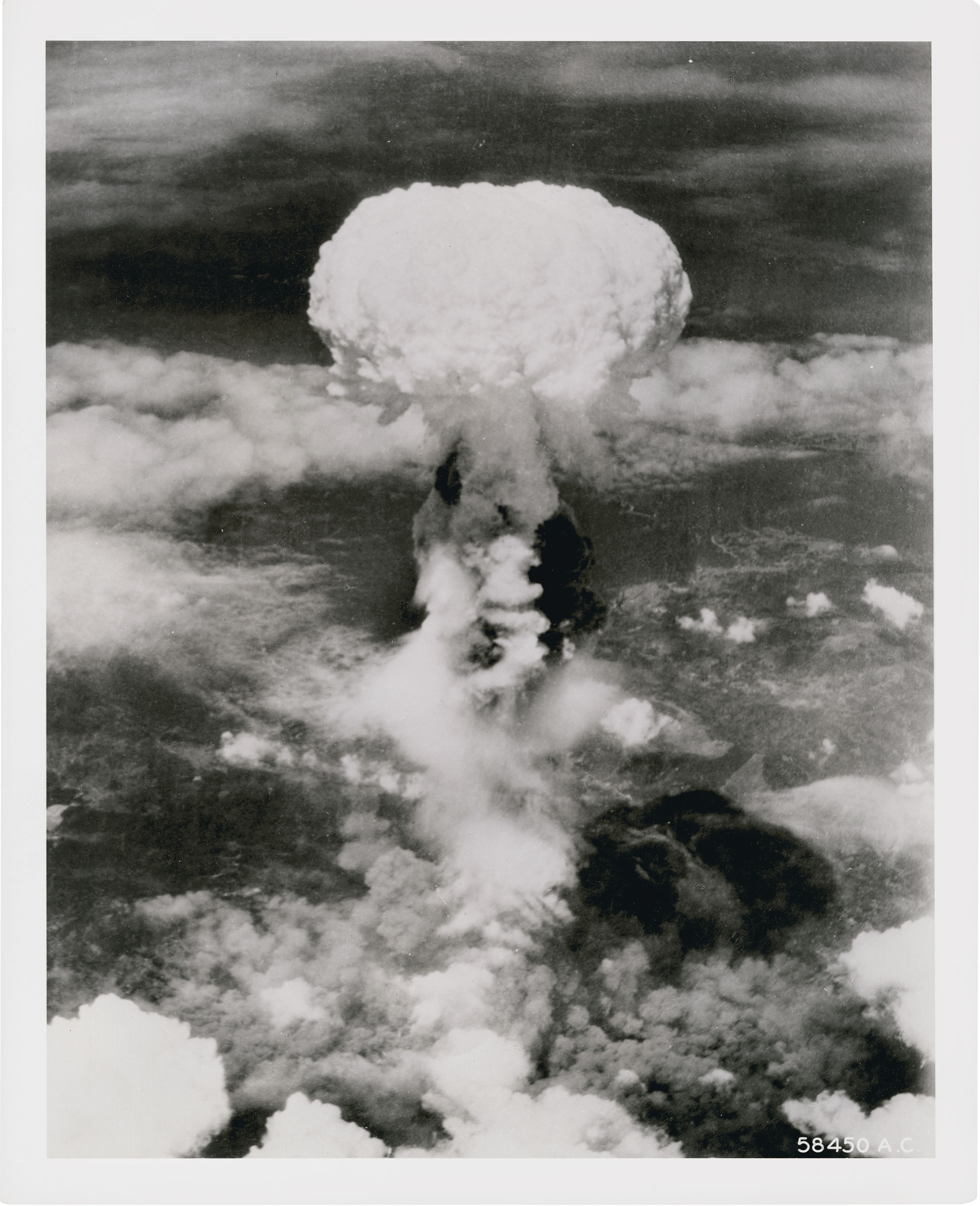
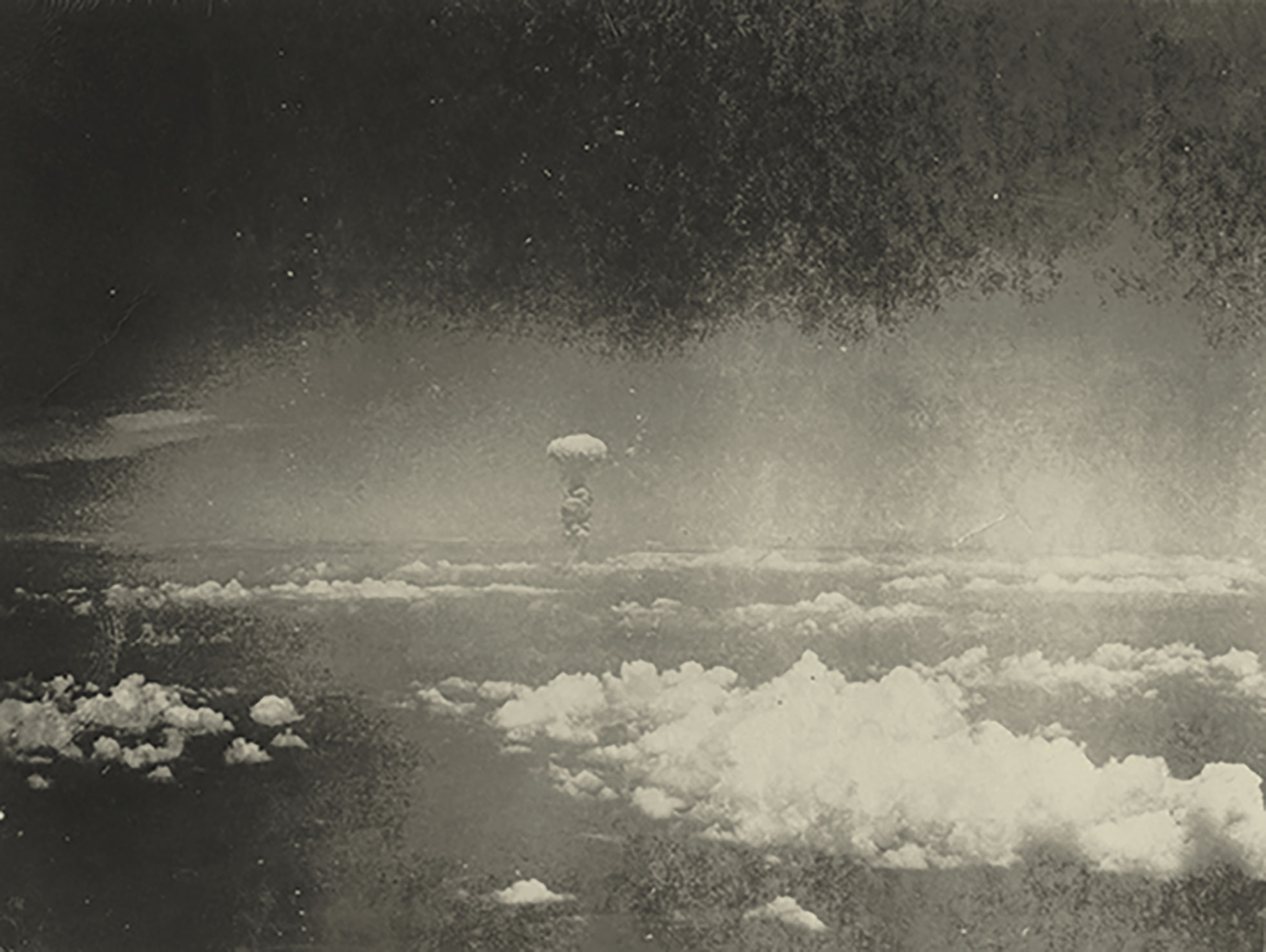
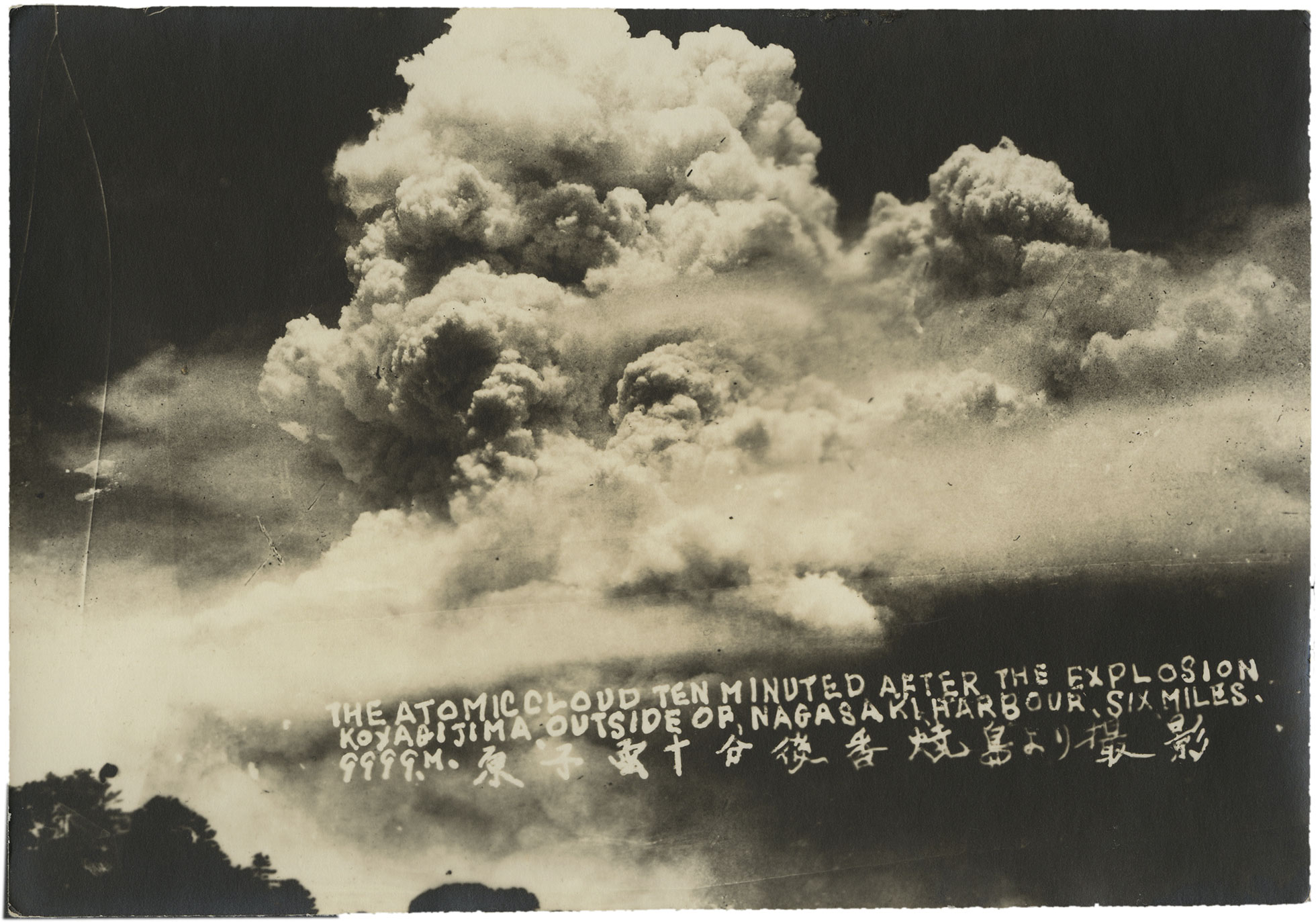
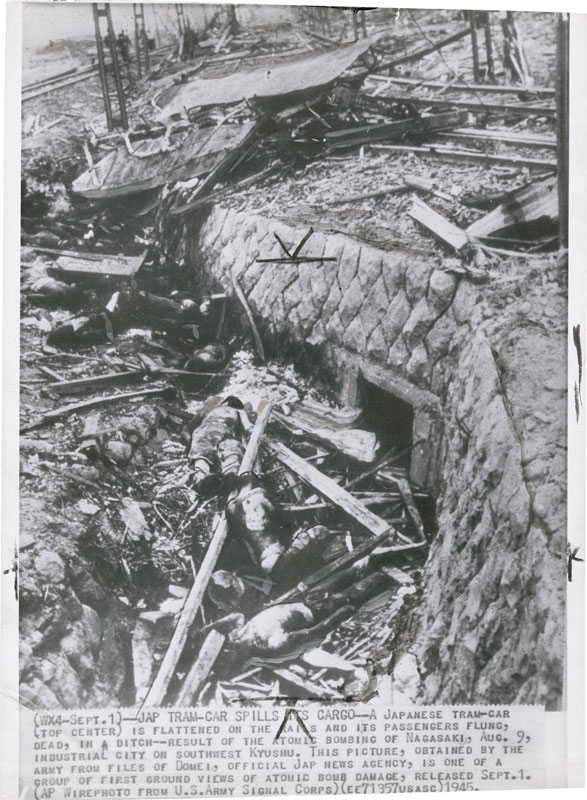
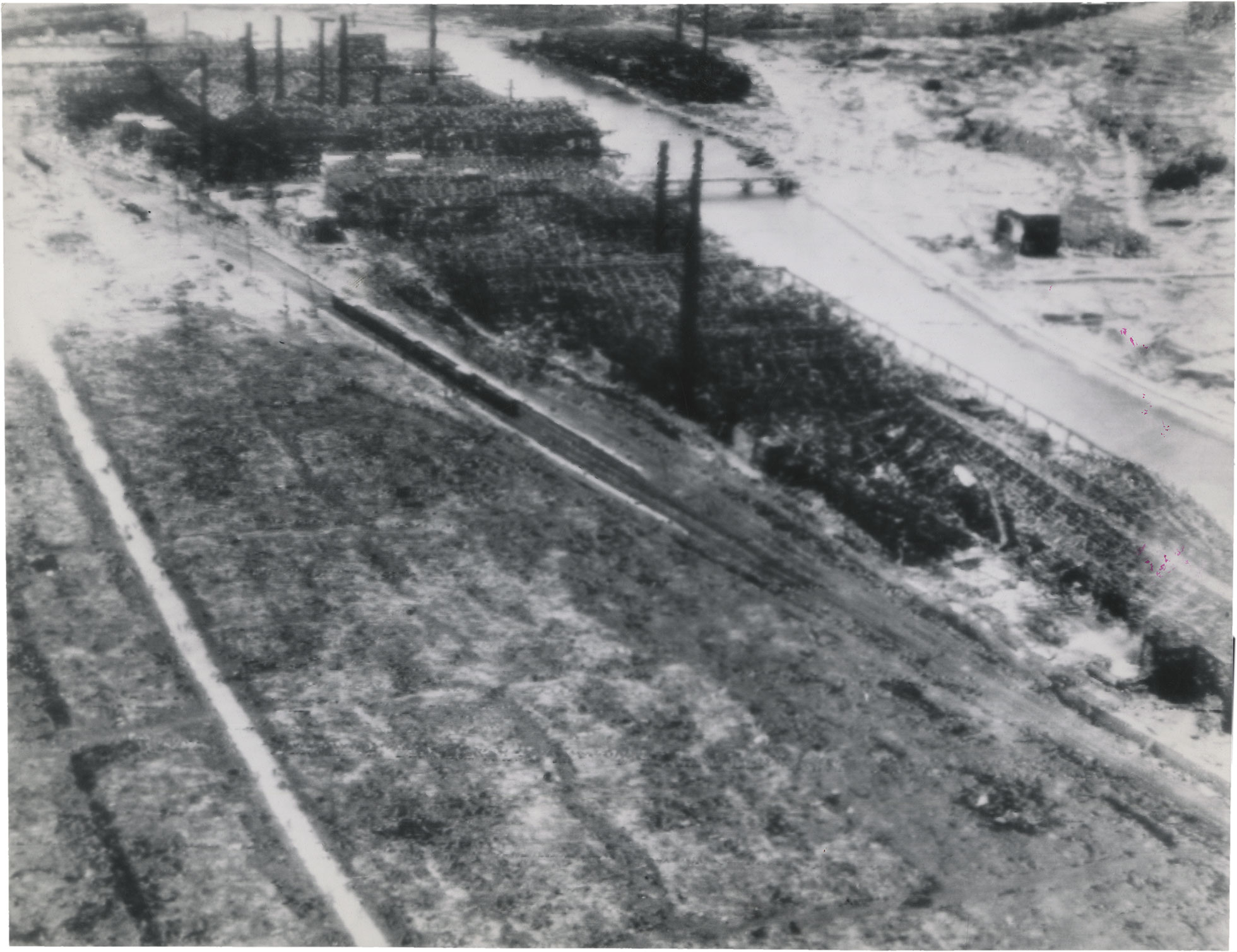
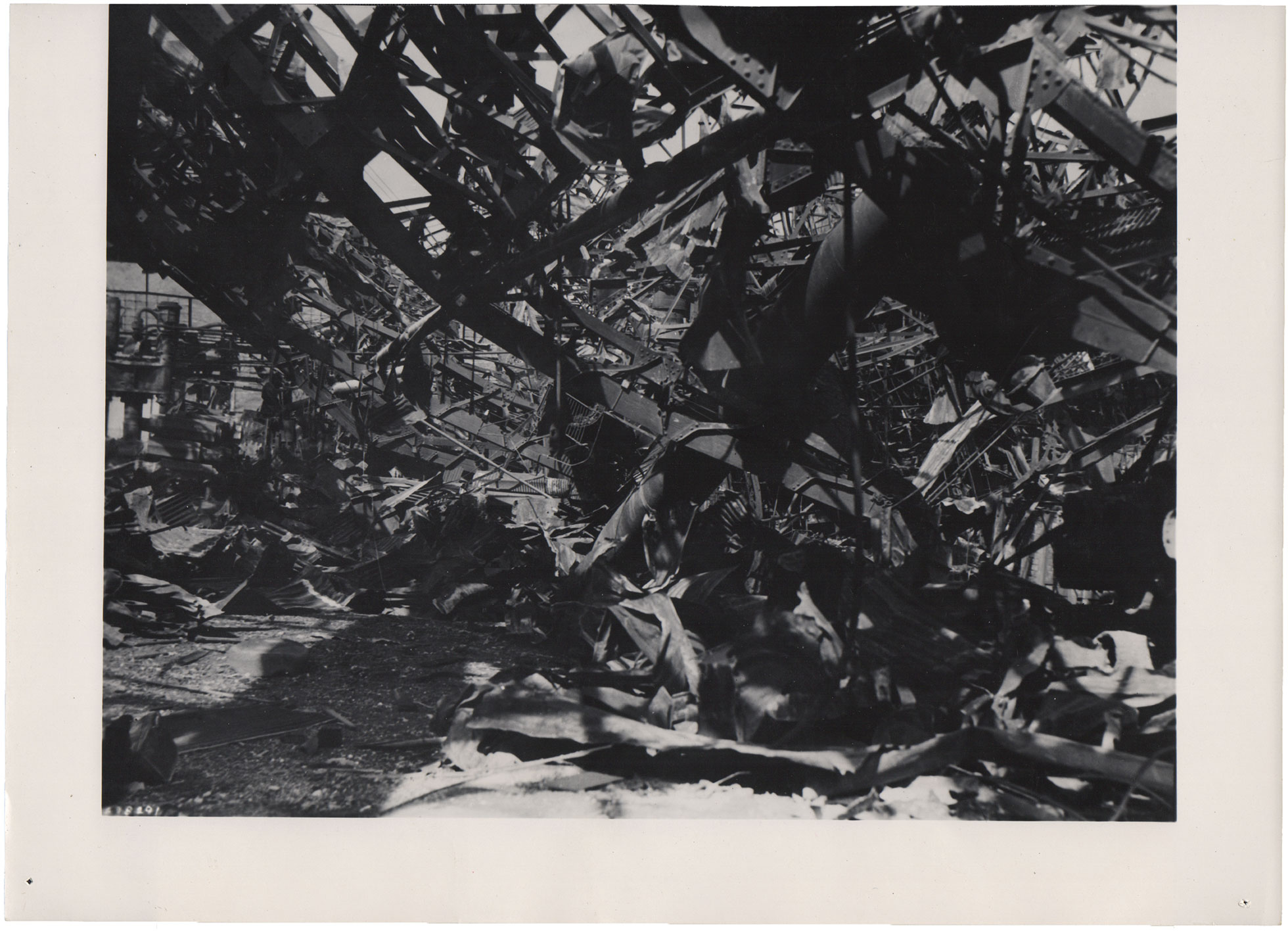
DANIEL BLAU is pleased to present an exhibition of documenting photographs capturing the final bombings of Hiroshima and Nagasaki in 1945. The photographs represent the work of both American and Japanese artists and documentarians, including among others Hiromichi Matsuda, Torahiko Ogawa, Yoshito Matsushige, Yōsuke Yamahata, and photographers from the U.S. Army Air Force.
The exhibition is accompanied by a publication with 33 photographs, printed as negatives, leading viewers along a path of more complex and contemplative observation, one that goes far beyond the matter of simply illustrating and reassessing historical events.
“Publication X-Ray Japan 1945”
Get your copy here.
Exhibition:
January 28 – March 9, 2021
11am – 6pm | mon – fri
Maximilianstraße 26, 80539 München
All photographs are available for purchase. Prices upon request. For further information please send an email to: contact@danielblau.com



“How full of the creative genius is the air in which these are generated!
I should hardly admire more if real stars fell and lodged on my coat.”
Henry David Thoreau
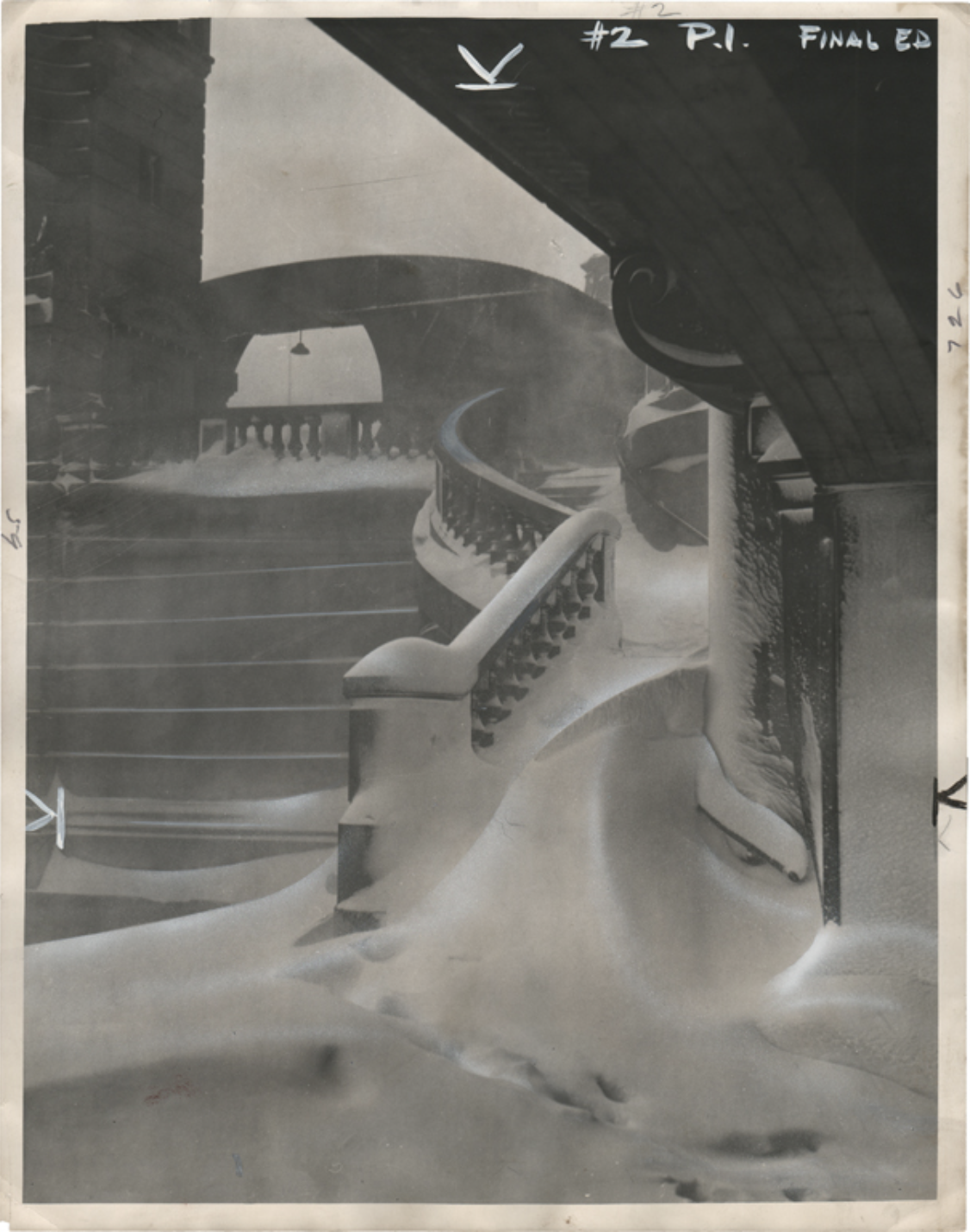
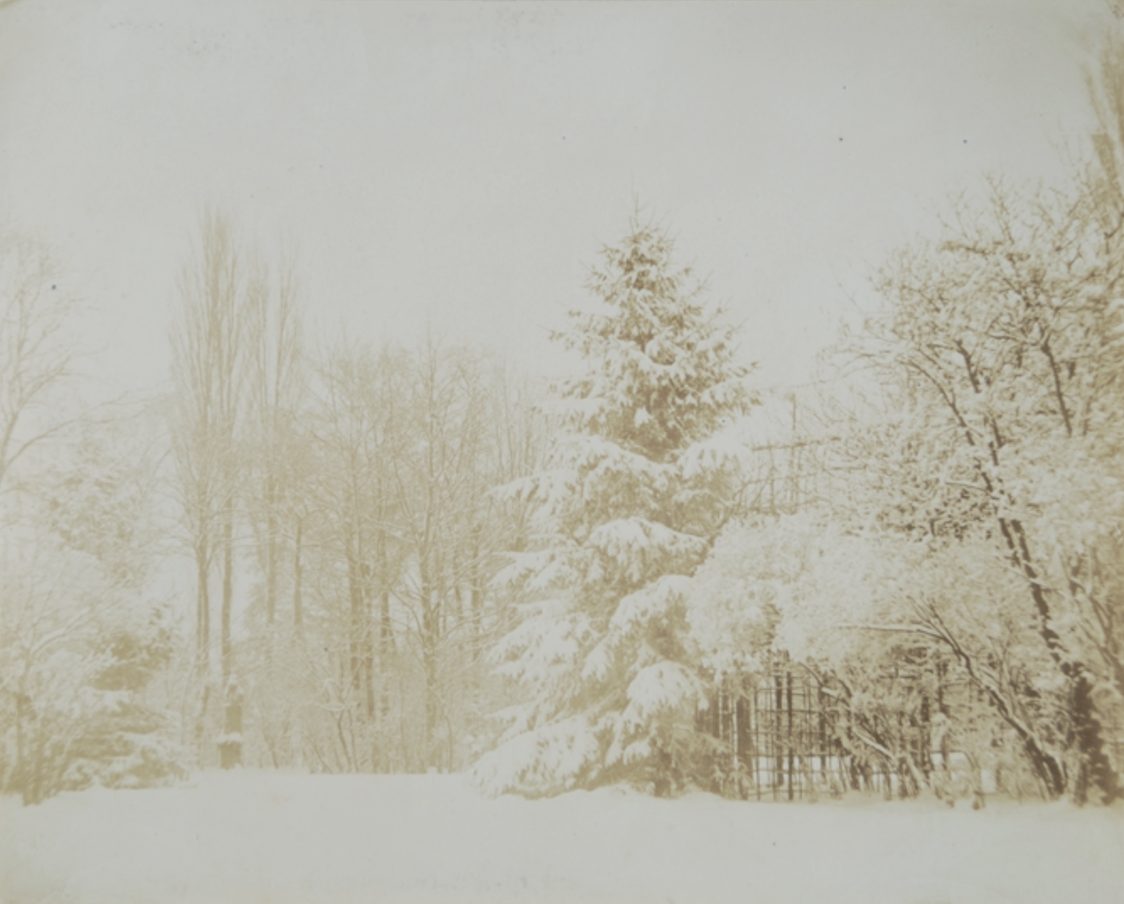
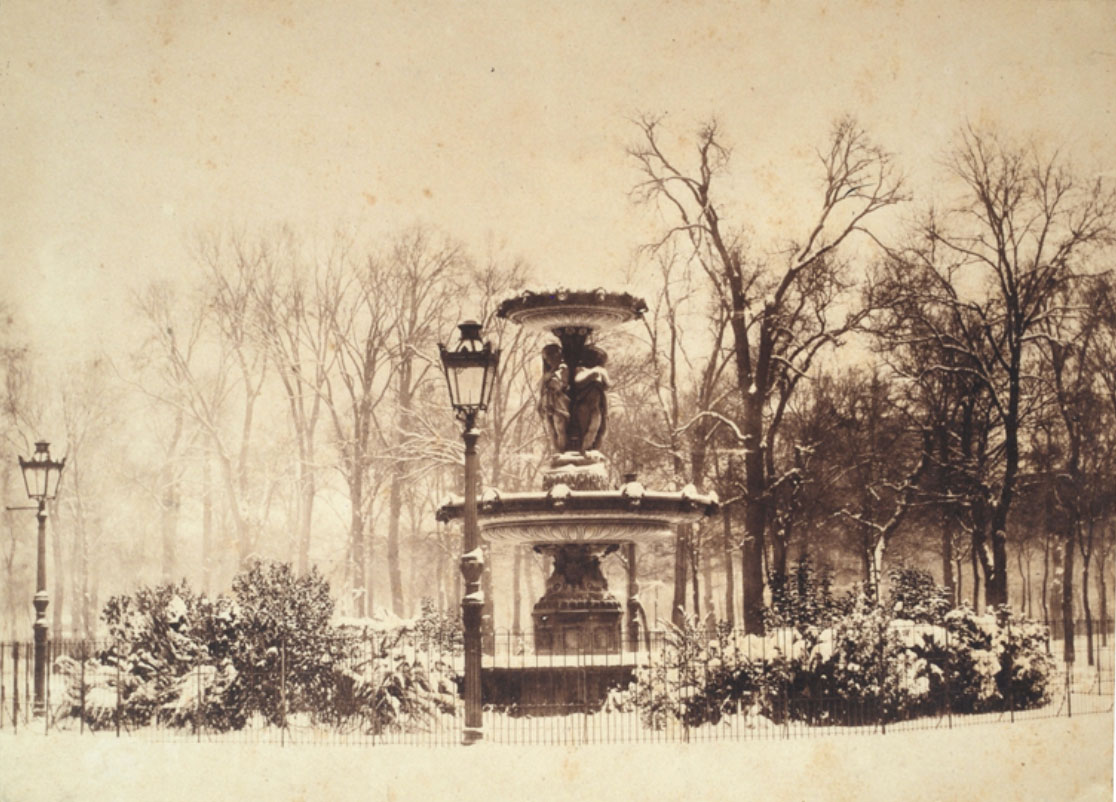
Snow Studies
Snowflakes are fascinating objects, only revealing their full beauty underneath a microscope. Wilson Alwyn Bentley (1865-1931), from Vermont, first became fascinated by these tiny crystals as a child, spending cold winter days marveling at the secrets they revealed beneath his parents’ microscope. But snow melts all too quickly, and those crystals soon were nothing more than drops of water. Bentley’s urge to capture that fleeting instant of frozen beauty transformed him into one of pioneers of snow photography. He succeeded in attaching a microscope to his camera in 1885, and soon thereafter was able to create the earliest confirmed photograph of a snowflake. Some researchers, though, ascribe that honor instead to the German natural scientist Johann Heinrich Flögel (1834-1918), who, it is claimed, took the first snow crystal photograph in 1879.
How To ?
Bentley knew that he needed a dark background for his work, in order to see the snowflakes as clearly as possible, and that he had to get his subjects beneath the lens as quickly as possible. What presented itself to him as the optimal solution was to cover a tray in black velvet and ferry the snowflakes directly to the camera on that. Sitting outside with the tray, he would watch the black surface through a magnifying glass until a perfectly symmetrical crystal appeared upon the velvet. He used a sliver of wood to move the snowflake onto a slide and brought that into the shed where he’d set up the microscope camera. He brought the microscopic image into focus using a string contraption he’d designed for use by gloved hands. A final challenge was posed by air itself; every careless breath could melt the crystal. Everything had to be accomplished with the greatest speed. Once preparations were all in place, he could expose the glass slide and the crystal upon it; the exposure time could last anywhere from between eight to a hundred seconds.
Earliest Depictions of Winter Landscapes in Art
An illustrated copy of the Tacuinum Sanitatis – an originally Arab text revolving around matters of health and well-being – happened to be owned by the same Bishop of Trento who, early in the fifteenth century, commissioned Master Wenceslas of Bohemia to execute a series of frescoes for the episcopal palace’s so-called Eagle Tower. The subject was the cycle of months, and although that theme could already be found in books and illustrated manuscripts, the Eagle Tower frescoes have been described as the first monumental depiction of the year in its calendar divisions. The fresco for the month of January, depicting a snowball fight, is also possibly the first large-scale painting showing a true winter scene.
Around the same time as the Trento frescoes, the Limbourg Brothers began to work on the Très Riches Heures, a book of hours commissioned by the Duc de Berry. The month of February in the lavishly illustrated calendar features a small farm in a frozen, snowy landscape, under a grey sky. Whereas the snow of Trento’s fresco vaguely resembles dirty cotton or wool strewn about the ground, the snow in the Limbourg’s February looks like it has fallen from the sky. Moreover, the snow is integrated into the actual composition of the work.
Sources:
Philip McCouat, “The Emergence of the Winter Landscape. Bruegel and his predecessors”, in: Journal of Art in Society, www.artinsociety.com, 2013/2014.
Kenneth G. Libbrecht, “The Formation of Snow Crystals. Subtle Molecualr Processes Govern the Growth of a Remarkable Variety of Elaborate Ice Structures”, in: American Scientist, Vol. 95, 2007, www.americanscientist.org
Kurt Tutschek, “Der Mann, der als Erster eine Schneeflocke fotografierte”, in: Der Standard, 2018, www.derstandard.de
All photographs are available for purchase. Prices upon request. For further information please send an email to: contact@danielblau.com
All offers are noncommital. We cannot guarantee the items are still available on request.
Other Diversions
How To: proper snow photography Nanook of the North (1922) The Formation of Snow Crystals Smilla's Sense of Snow Frances Chickering's Snow Flake Album (1864) How To Recognize a Fake Part I How To Recognize a Fake Part II
3 under 30
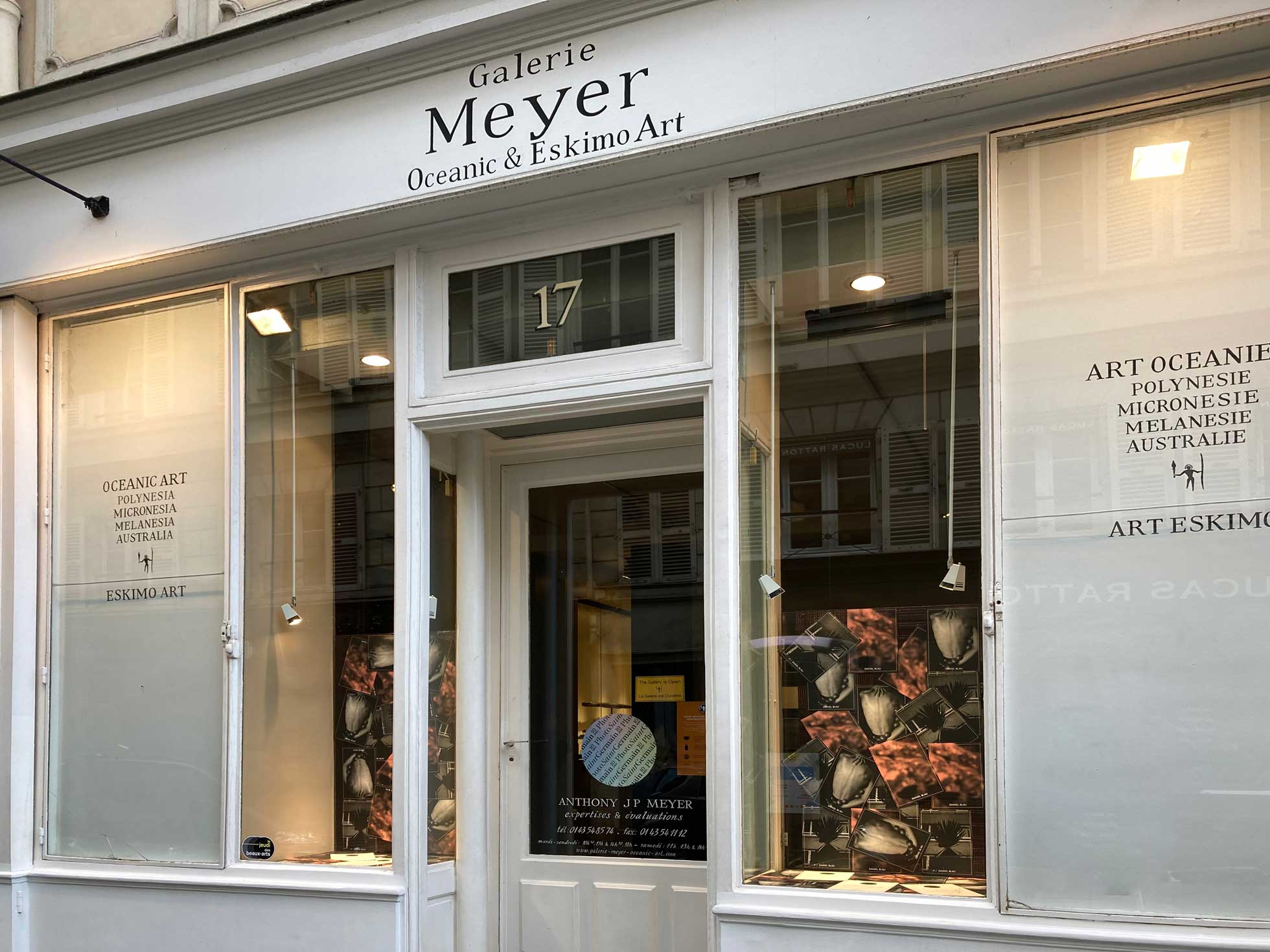
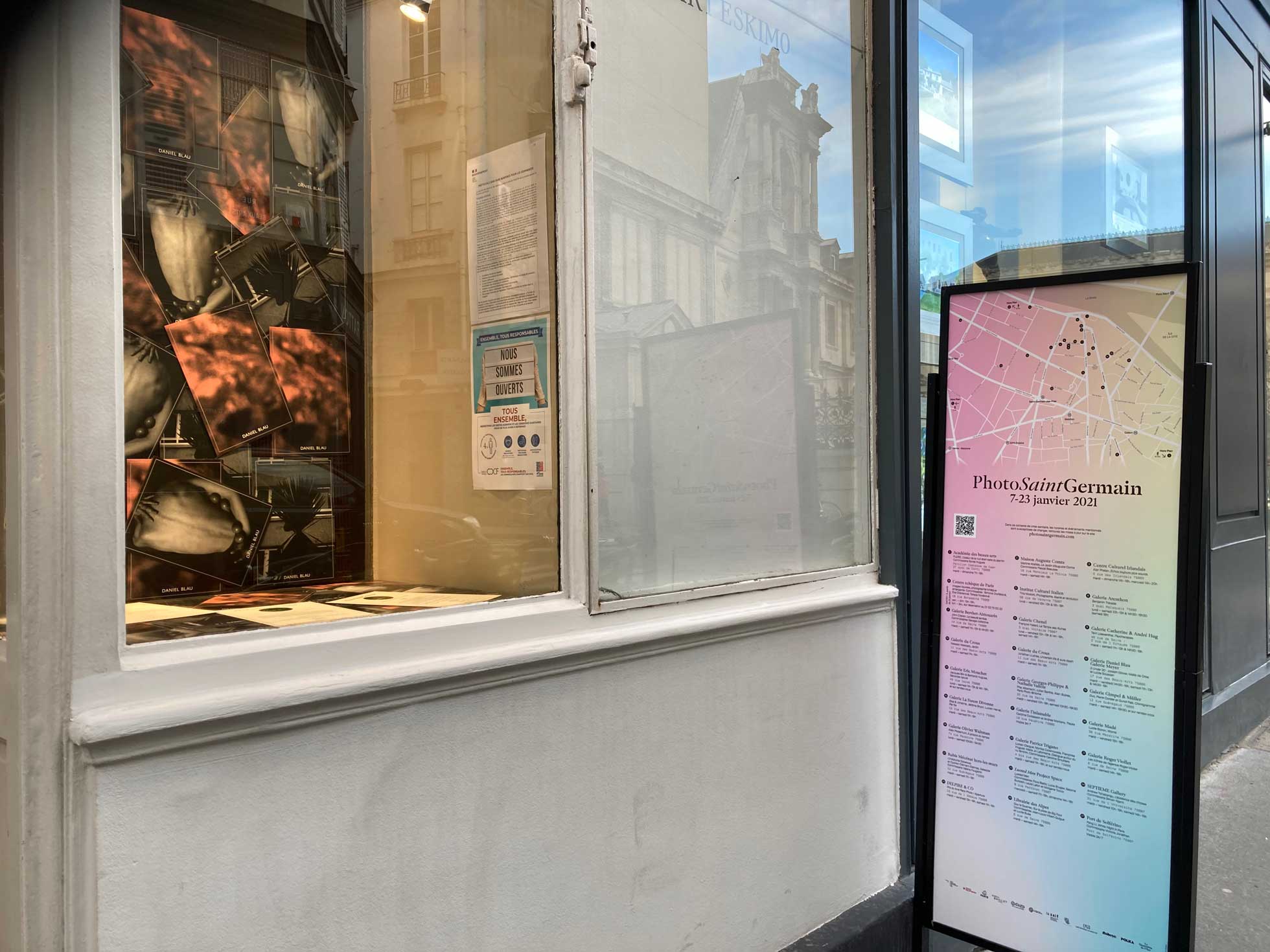
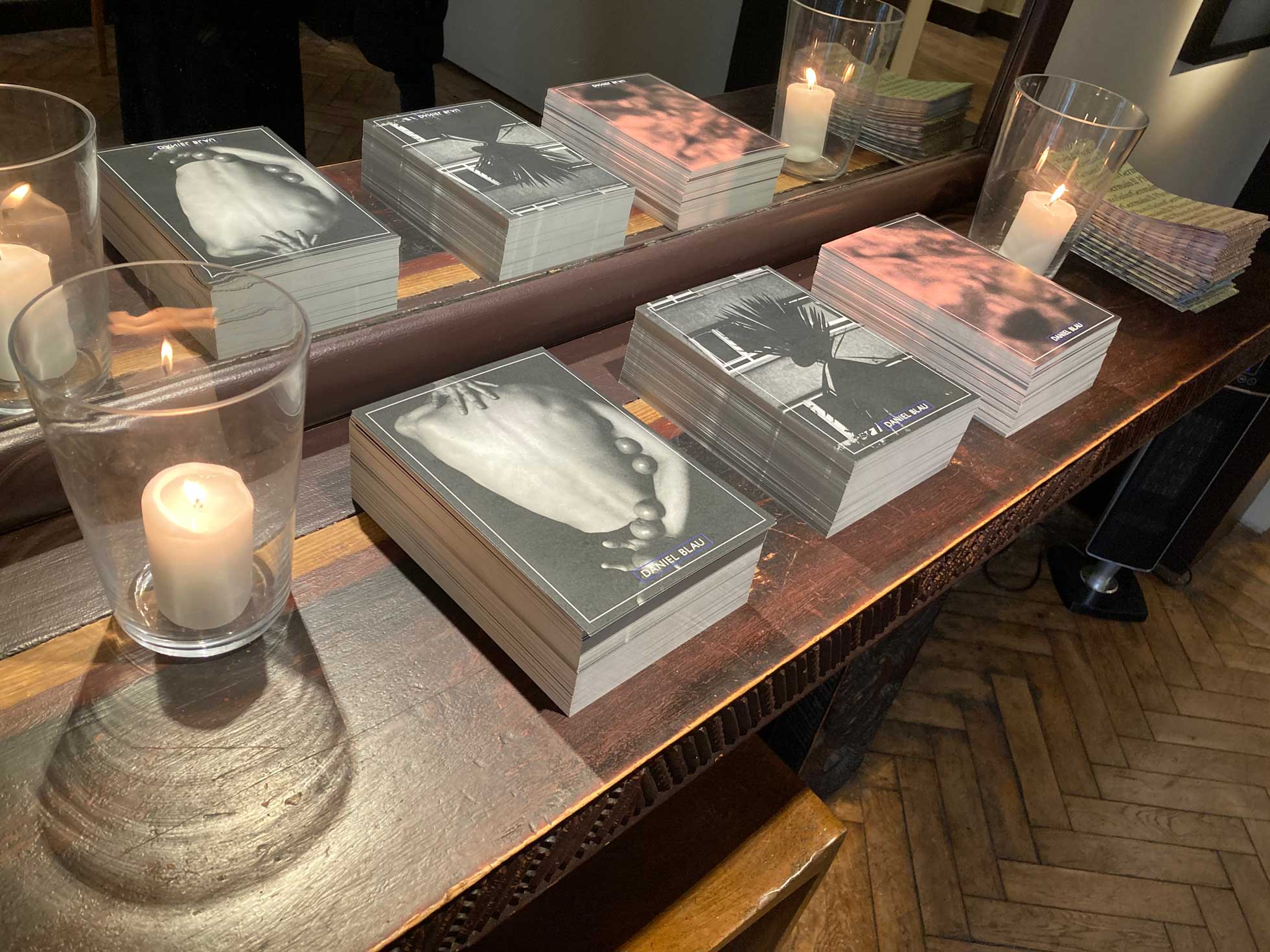
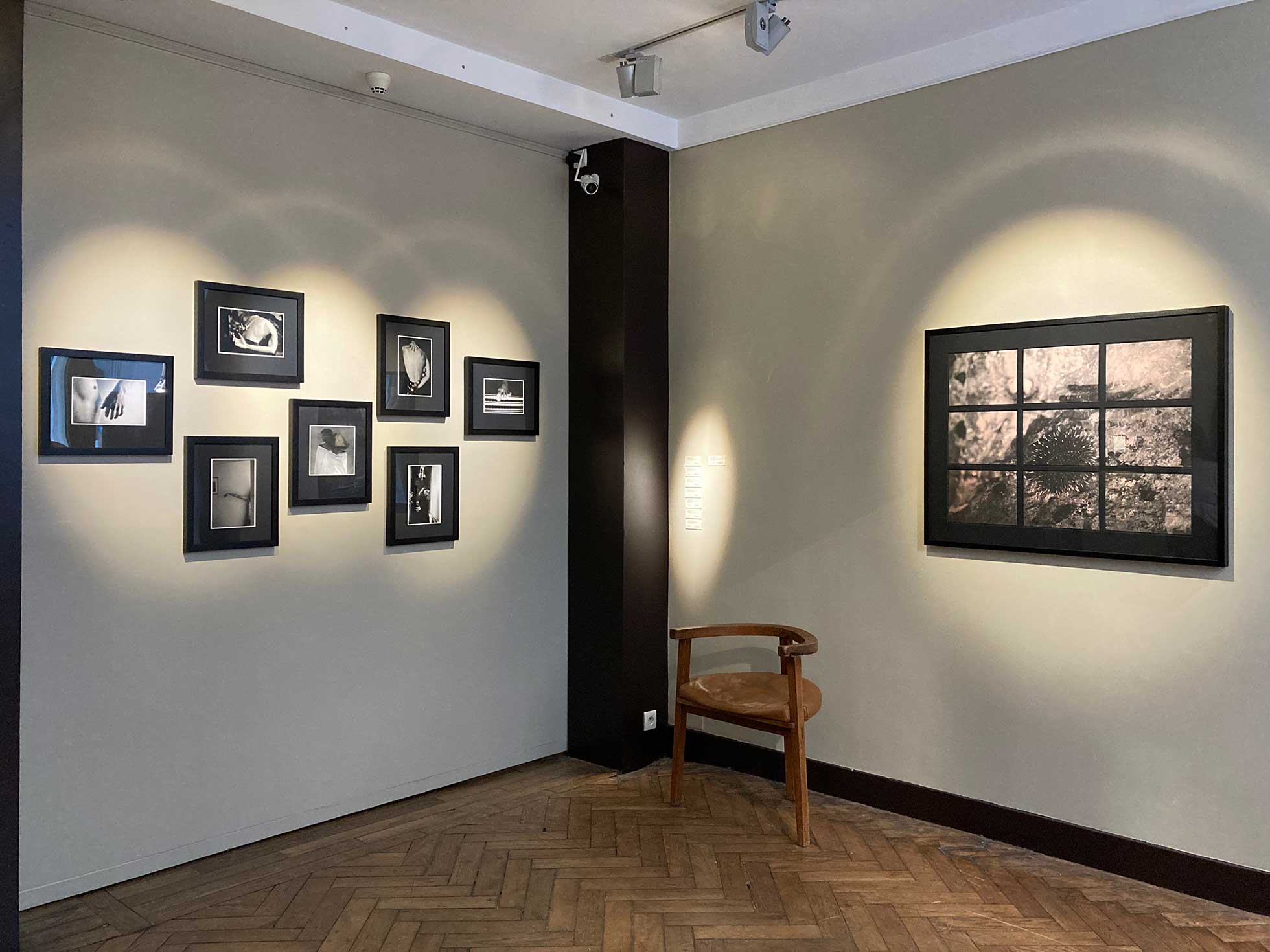
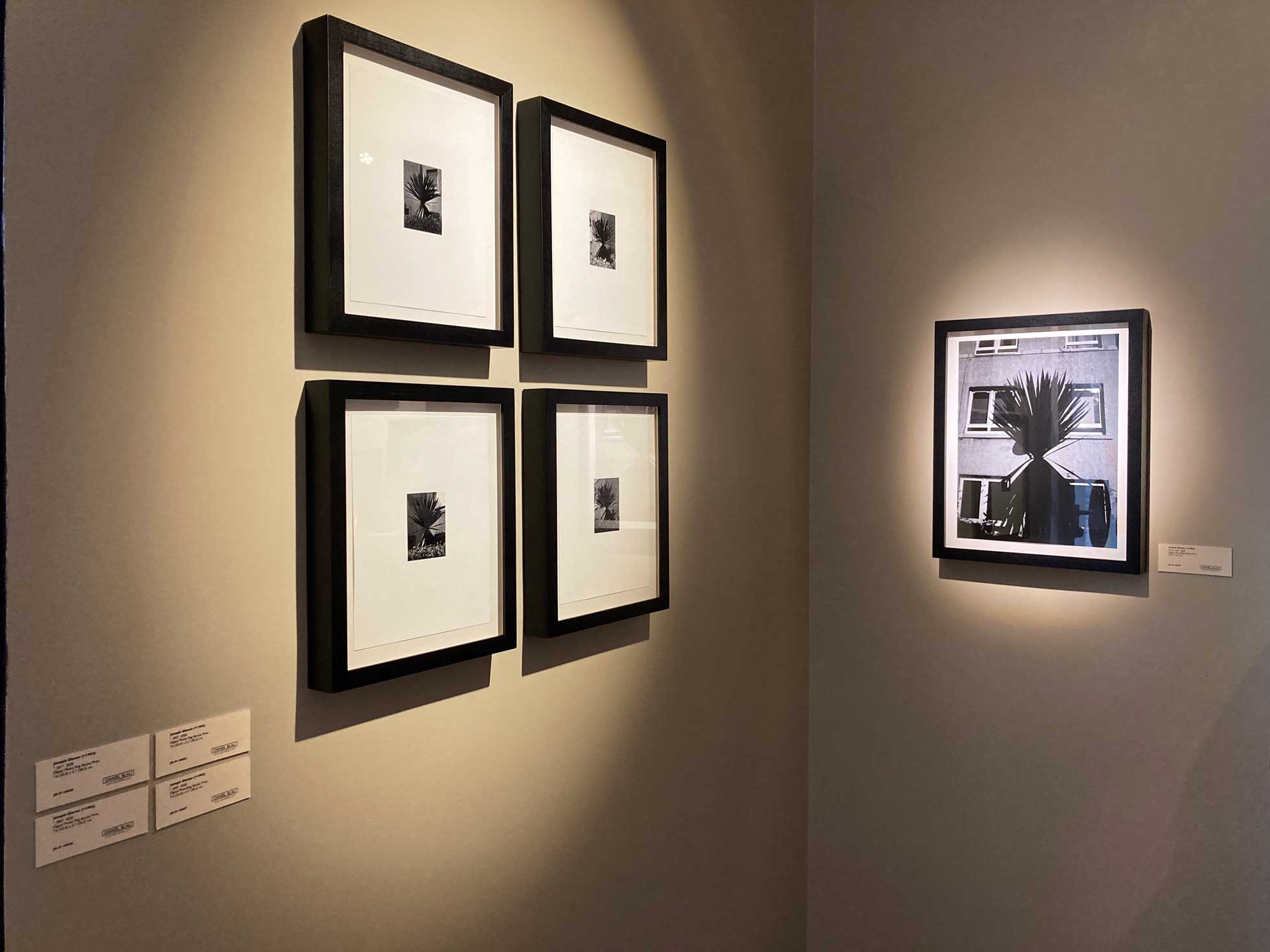
Daniel Blau is pleased to show the three winners of 3 Under 30, the gallery’s competition for young photographers, at Galerie Meyer in Paris.
Galerie Meyer
17, rue des Beaux Arts
75006 Paris
VIP Opening:
Thursday, January 7, 2021
11 am – 7pm
Public Exhibition:
January 7 – 23, 2021 !! extended until January 30th, 2021 !!
Opening Hours:
Tuesday to Friday
2.30 pm – 6 pm
Saturday
11 am – 1 pm,
2.30 pm – 7 pm
Please Respect the Health Precautions and Social Distancing
Galerie Meyer reserves the right to limit the occupancy in accordance with Government Health Regulations

 +49 89 29 73 42