



Author: Christiane Wunsch

Miracle Village is a provocative exploration into the secluded lives of the socially excluded in a purpose-built community located on the outskirts of a rural town in an impoverished area of Palm Beach County,Florida.
Miracle Village houses sex offenders, who, due to the stringent legislation, are unable to find housing, since the laws ensure them to reside at least 1,000 feet from any place where children congregate.
Thanks to Valiente, these outcasts, whose lives are forcibly connected by their offences and shared stigma, have for the first time been given a voice and identity. The undeniable artistic merits of the Miracle Village project lie not only in the exquisite photographic compositions, but in their candid portrayal of the feared and ostracised.
“Muck City Road. A six-mile stretch of neglected pavement. There’s a certain smell to the air.
Like cotton candy and smoke. Sugarcane fields cover the landscape in every direction as far as the
eye can see. Three miles down the road and right beside a private village, there are train tracks.
Locomotives ride the rails at the midnight hours. Their turbines sound echoes through this village.
The people who live there don’t mind the early morning call of the sugarcane express.
To them it sounds like progress. And they love that sound. Its name is Miracle Village.
Over 100 sex offenders live here.”
– Joseph Steinberg
(from the introduction to Miracle Village)


Sofia Valiente – Miracle Village
Exhibition: February 21 – April 9, 2020
11am – 6pm | mon – fri
Maximilianstraße 26, 80539 München
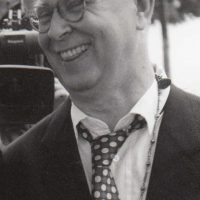
Sigmar Polke was an influential German artist known for his distinctive paintings and photographs. He often worked with non-traditional artistic materials and experimented with a wide variety of styles and subjects. He was born in Poland during World War II. After the war, his family was expelled to East Germany where the artist spent his early years until his move to West Germany in 1953.
Polke studied at the Kunstakademie Düsseldorf where he co-founded the movement now known as Capitalist Realism with fellow artists Gerhard Richter and Konrad Lueg. The artists depicted and critiqued the growing consumerism of West Germany, drawing on Pop Art and media influences. The group organised the notable 1963 art exhibition Demonstration for Capitalist Realism.
By the end of the 1960s, Polke had solo exhibitions at numerous galleries including Galerie René Block, Berlin; Galerie Schmela, Düsseldorf; Galerie Heiner Friedrich, Munich; and Galerie Rudolf Zwirner, Cologne.
He participated in numerous international biennales and exhibitions including Documenta, the Bienal de São Paulo, and the Venice Biennale, and received a number of awards, including the Golden Lion for his solo presentation at the West German Pavilion in 1986 at the Venice Biennale.
Polke worked predominantly with photography in the 1970s and returned to working with paint in the 1980s, making abstract works that drew on chance reactions between materials. In the last two decades of his life, he produced paintings focused on historical events. He died on June 10, 2010 in Cologne, Germany at the age of 69.
His works are held in the permanent collections of major international museums including the Art Institute of Chicago; The Broad, Los Angeles; Centre Georges Pompidou – Musée National d‘Art Moderne, Paris; Guggenheim Museum Bilbao; Hirshhorn Museum and Sculpture Garden, Smithsonian Institution, Washington, DC; The J. Paul Getty Museum, Los Angeles; The Metropolitan Museum of Art, New York; Museum für Moderne Kunst, Frankfurt; The Museum of Modern Art, New York; National Gallery of Art, Washington, DC; National Museum of Art, Osaka, Japan; Stedelijk Museum Amsterdam; and Tate Modern, London, among others.
Selected Exhibitions
2022
Sigmar Polke. Dualismen, March 5, 2022 – June 12, 2022, Städtische Galerie Karlsruhe, Karlsruhe, Germany
2021
Sigmar Polke – Produktive Bildstörung, Nov 13, 2021 – March 6, 2022, Kunsthalle Düsseldorf, Düsseldorf, Germany
2017
Sigmar Polke – Alchemie und Arabeske, Feb 11 – May 21, Museum Frieder Burda, Baden-Baden
2016
Sigmar Polke. Early Prints, Mar 20 – May 22, Städel Museum, Frankfurt am Main, Germany
2015
Alibis: Sigmar Polke, 1963–2010, Oct 09, 2014 – Feb 08, 2015, Tate Modern, London, UK
2014
Alibis: Sigmar Polke, 1963–2010, Apr 19 – Aug 03, The Museum of Modern Art, New York, USA
2014
Sigmar Polke. La démultiplication de l’humour. Les éditions dans la collection Axel Ciesielski, les Abattoirs, Jan 31–May 04, Museum of Modern and Contemporary Art – FRAC Midi Pyrénées, Toulouse, France
2008
Sigmar Polke. Photographische Arbeiten aus der Sammlung Garnatz, May 15 – Aug 31, Die Photographische Sammlung/SK Stiftung Kultur, Cologne, Germany
2007
Sigmar Polke. Eine Retrospektive 1963–2005. Die Sammlungen: Frieder Burda, Josef Froehlich, Reiner Speck, Jun 22 – Oct 07, Museum Moderner Kunst Stiftung Ludwig Wien, Vienna, Austria
2005
Sigmar Polke. Alice in Wonderland, Oct 1- Oct 30, Ueno Royal Museum, Tokio, Japan
2003
Sigmar Polke. Recent Paintings and Drawings, 1998–2002, Nov 15, 2002 – Apr 06, 2003,
Dallas Museum of Art, Dallas, USA
2001
Sigmar Polke et la Révolution Française, June 29 – Sept 24, Musée de la Révolution Française, Vizille, France
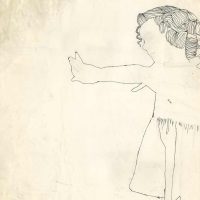
Andy Warhol – Photography Inspired
Exhibition:
January 9 – February 19, 2020
11am – 6pm | mon – fri
Maximilianstraße 26, 80539 München
illustration: © 2019 The Andy Warhol Foundation for the Visual Arts, Inc. / Licensed by Artists Rights Society (ARS), New York

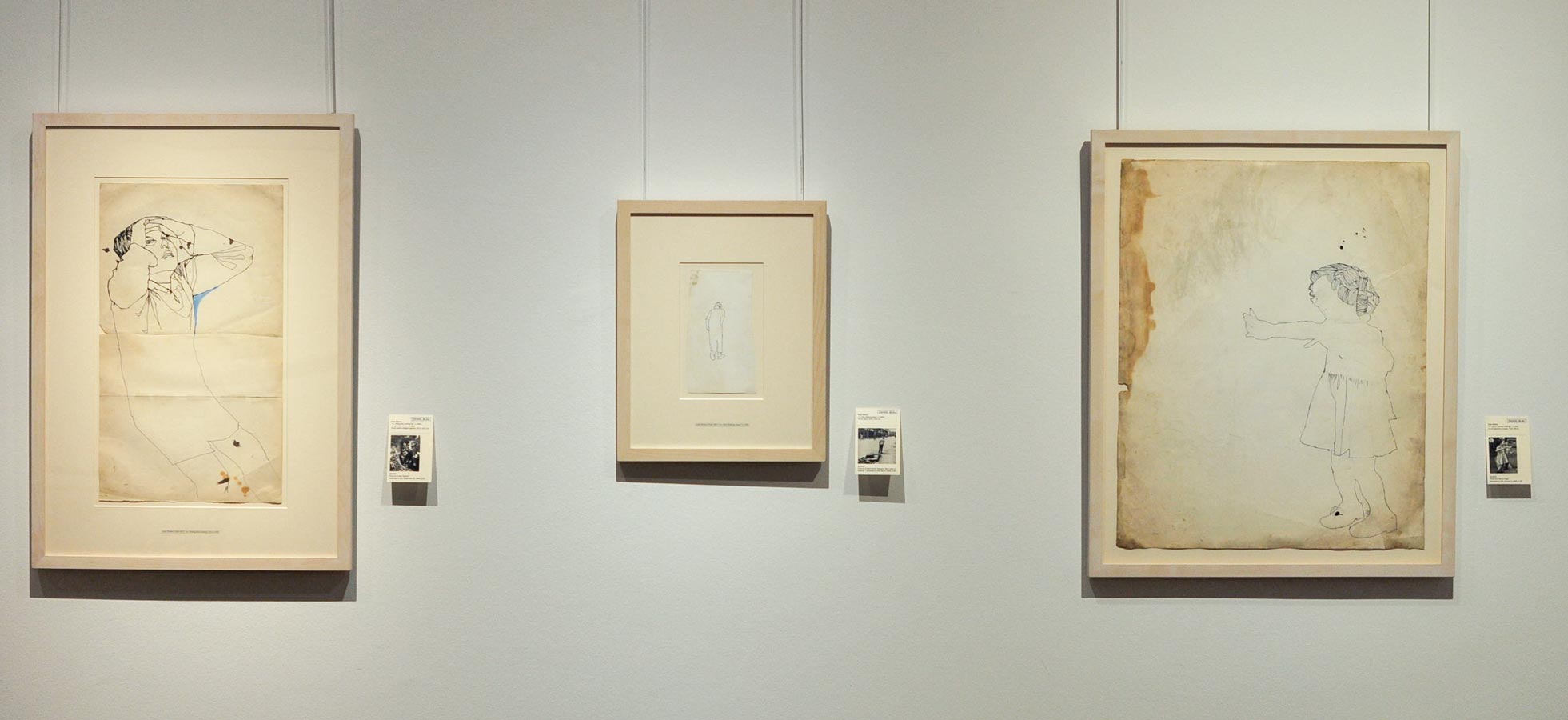
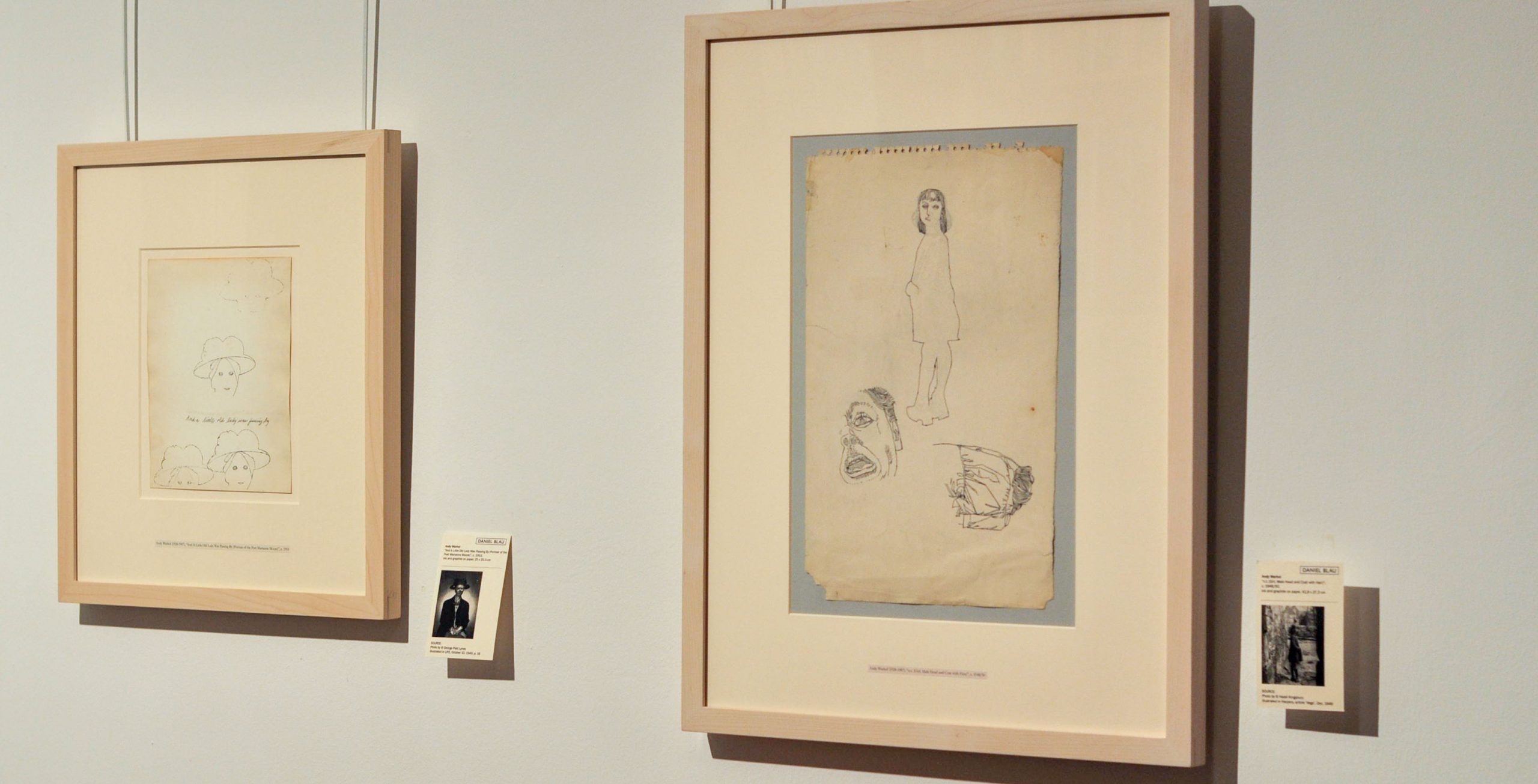
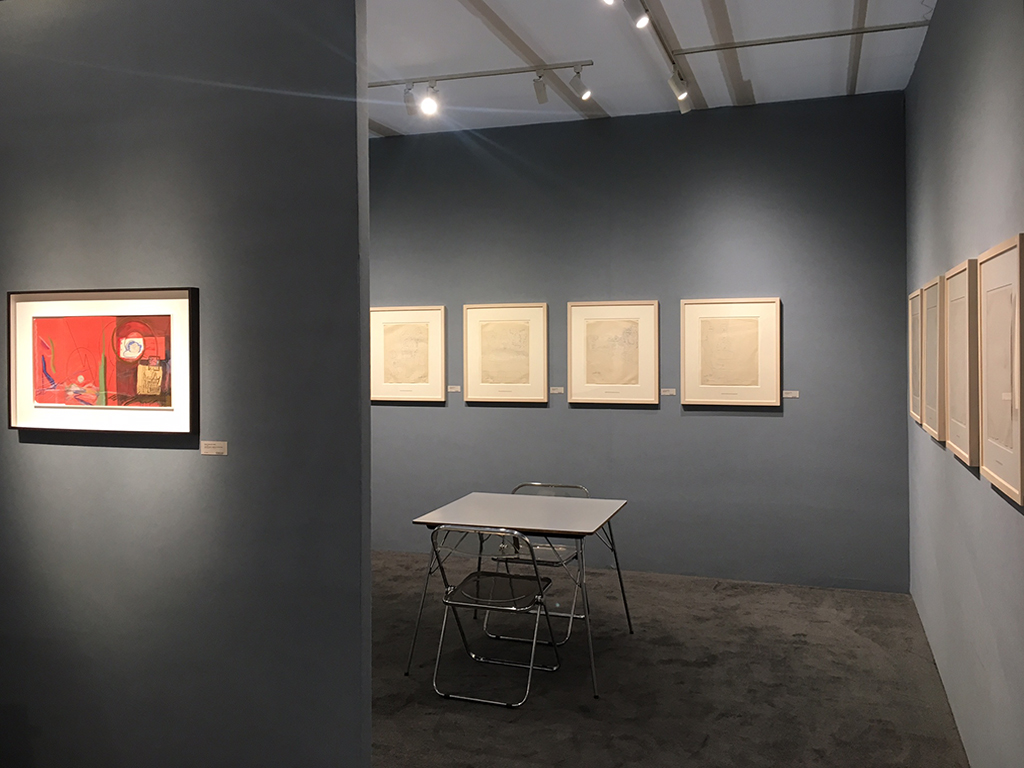
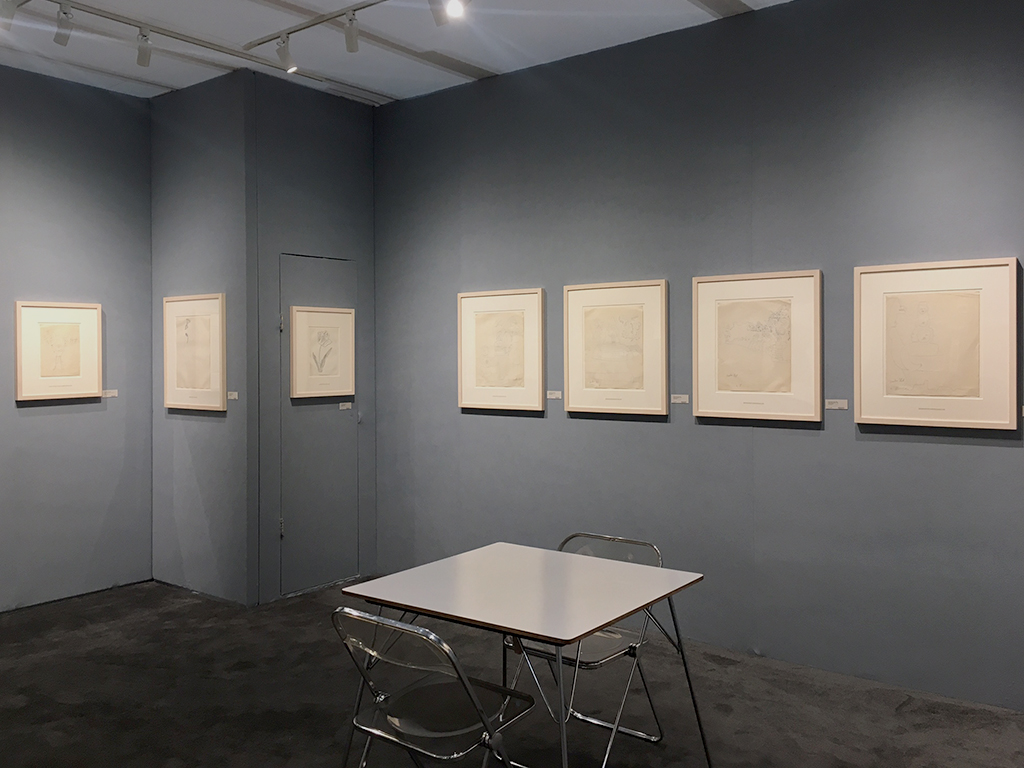
Andy Warhol – 1950s works on paper
January 24 – February 2, 2020
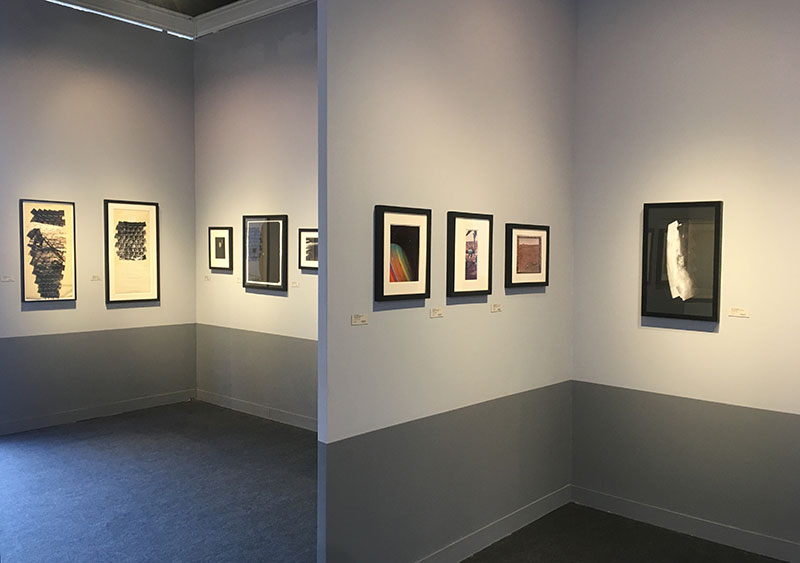
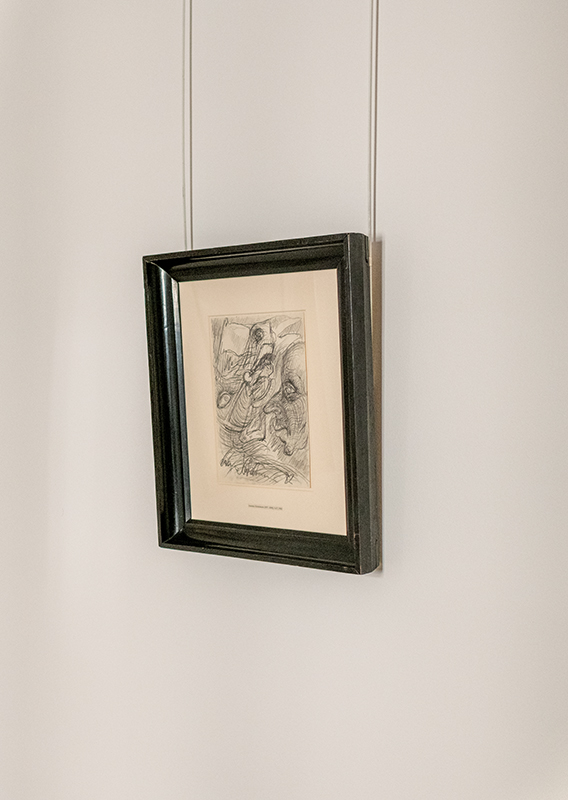
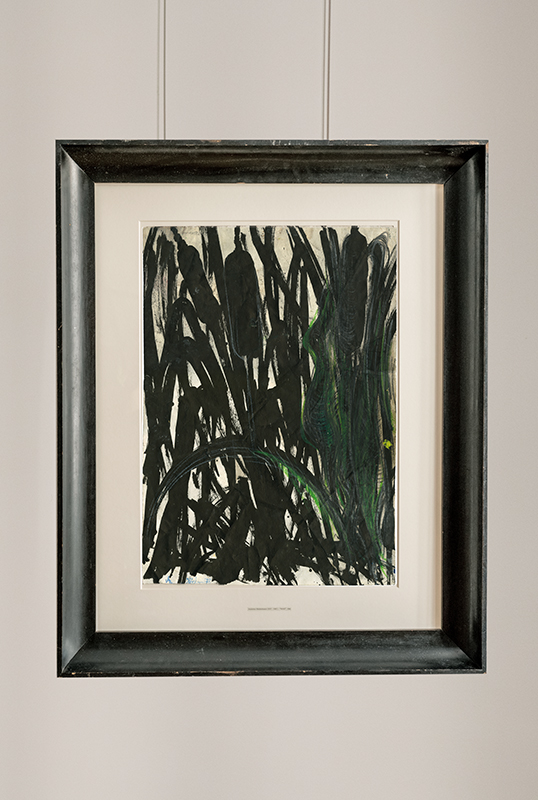
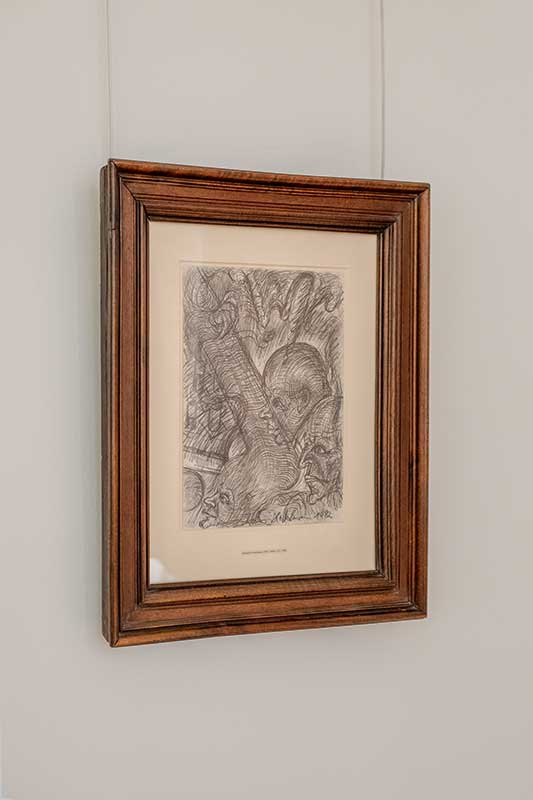
Daniel Blau is pleased to present a group exhibition of works on paper by renowned modern and contemporary artists Georg Baselitz (*1938), Anselm Kiefer (*1945), Sigmar Polke (1941-2010) and Andy Warhol (1928-1987).
Open Daily 12 – 8 pm
Sundays & Thursday 12 – 6 pm
Tuesday 12 – 4:30 pm
Booth D7
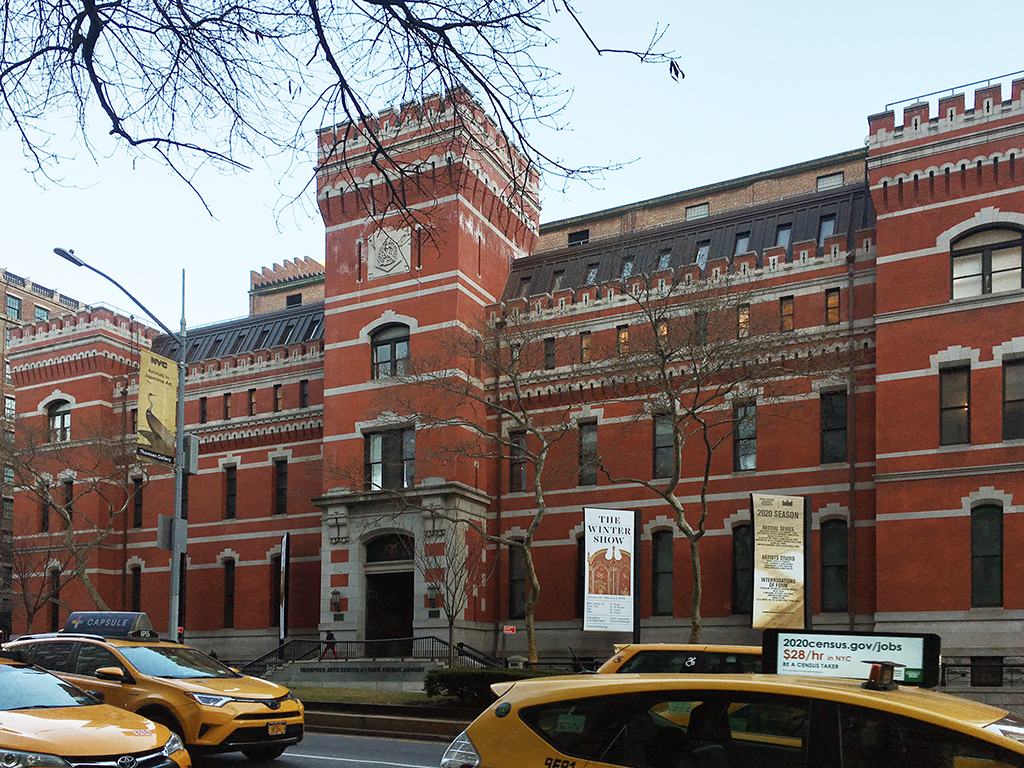
Park Avenue Armory
Park Avenue at 67th Street
New York City
OPENING NIGHT PARTY
Thursday, January 23, 2020, 5 – 9 pm
YOUNG COLLECTORS NIGHT
Thursday, January 30, 2020, 6 – 9 pm
CONNOISSEURS NIGHT
Friday, January 31, 2020, 5:30 – 8 pm
Visit Website: The Winter Show
The Winter Show is the leading art, antiques, and design fair in America, featuring 72 of the world’s top experts in the fine and decorative arts.
Held at the historic Park Avenue Armory in New York City, the fair highlights a dynamic mix of works dating from ancient times through the present day and maintains the highest standards of quality in the art market. Each object at the fair is vetted for authenticity, date, and condition by a committee of 150 experts from the United States and Europe.
illustration: © 2019 The Andy Warhol Foundation for the Visual Arts, Inc. / Licensed by Artists Rights Society (ARS), New York


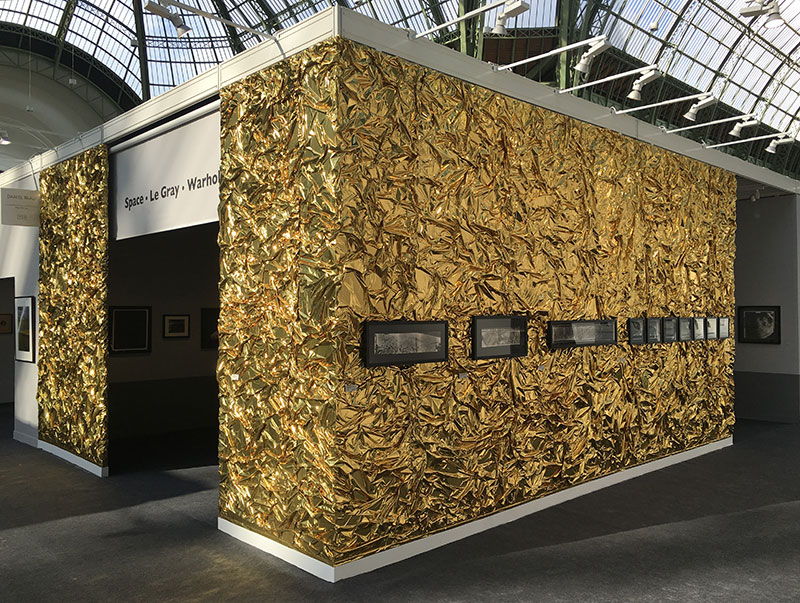
Wellenreiter ▪ Le Gray ▪ Andy Warhol
Wellenreiter
A photograph is the result of an interplay between physical and chemical processes and the subject in front of the camera. The technical challenges posed by space photography are
particularly obvious in these early astronomical pictures.
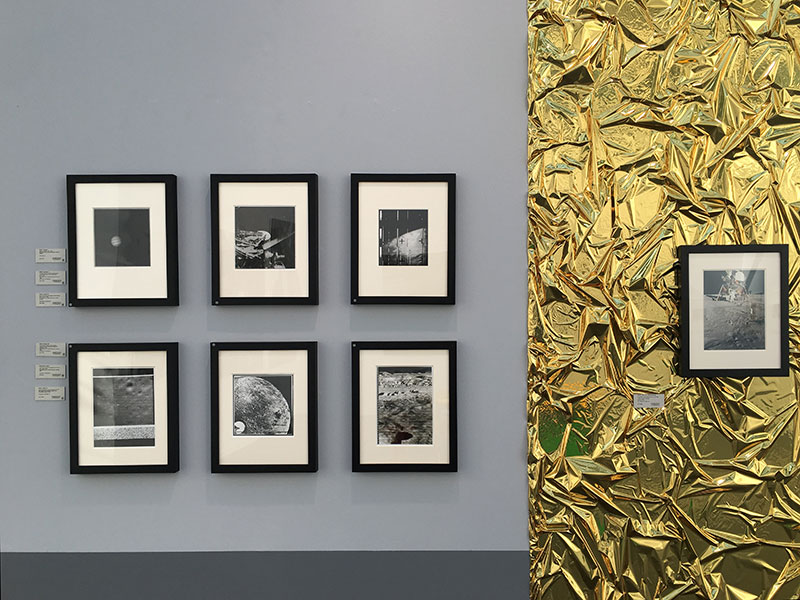
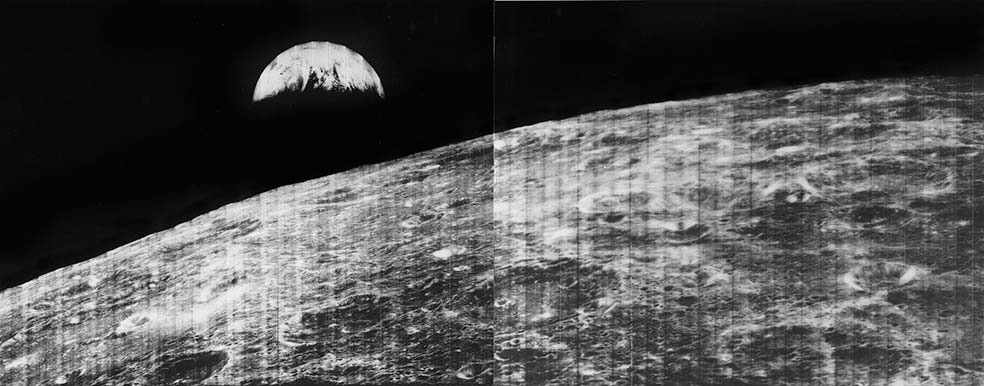
Some of the most magical and esoteric photographs have been created as by-products of 20th Century scientific space missions. At Paris Photo 2019 we are pleased to present a selection of these pictures, many of which are the visual manifestation of historic events.
Rapid technological advances in the 1920s paved the way for electronic transmission of images by cable and radio. In 1946 an adapted German V2 rocket took off from White Sands, New Mexico, taking photographs of Earth at a record-breaking altitude of 65 miles above the ground. These were the first images of our planet to be taken from space. A 48 page catalogue with 35 images is published on this occasion.
Gustave Le Gray
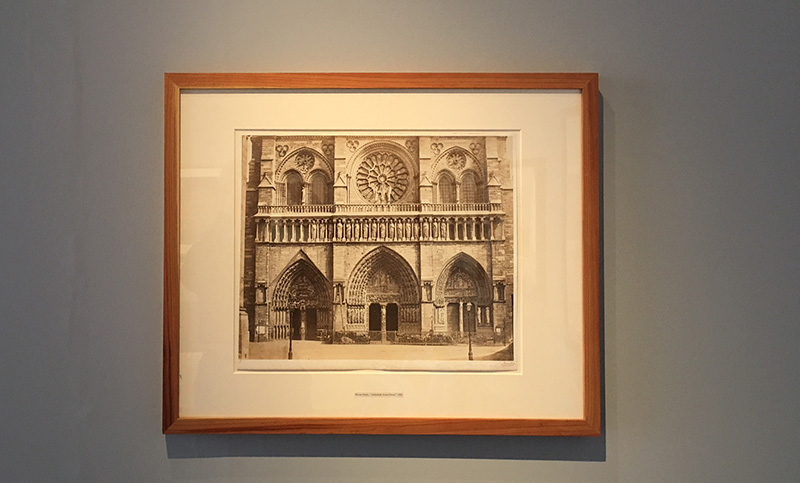
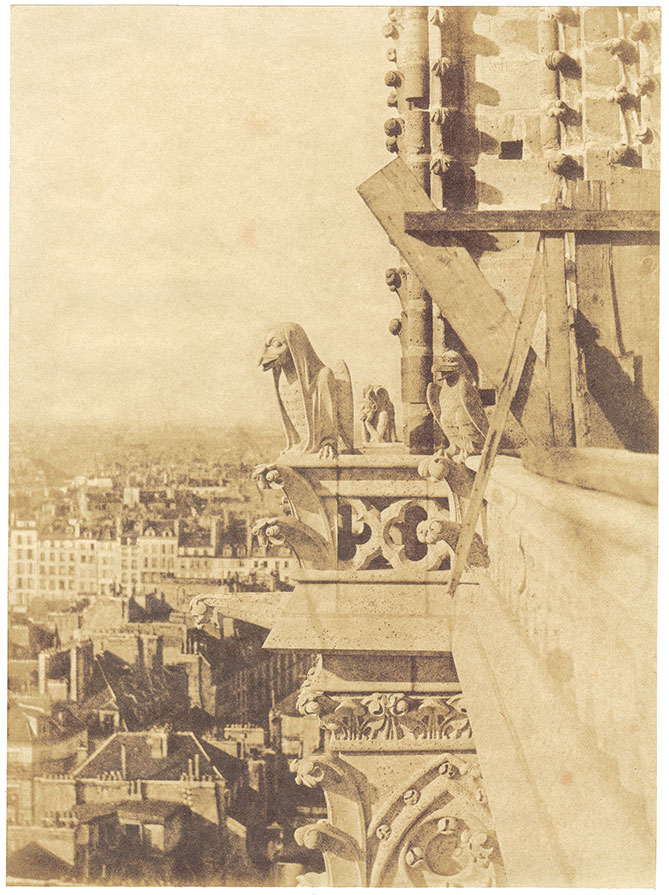
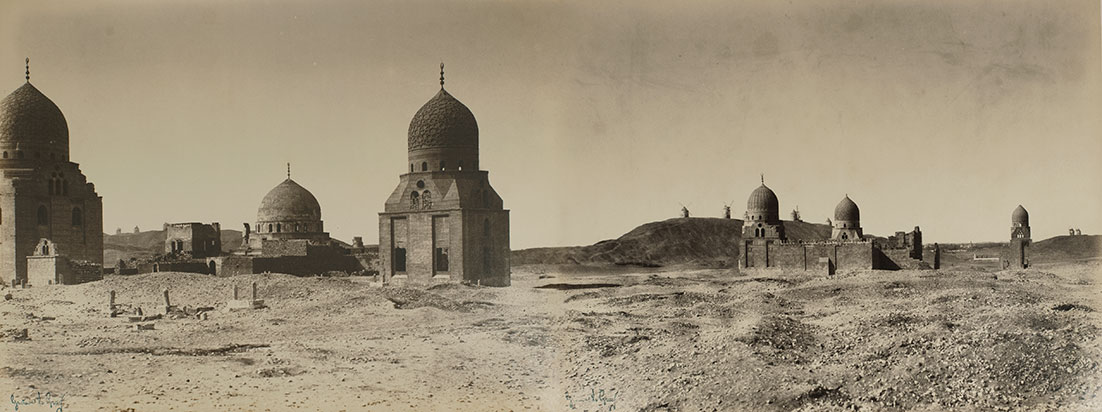
We will also show works by Gustave Le Gray (August 30, 1820 – July 30, 1884) – the most important French photographer of the nineteenth century. Le Gray promoted and helped to establish photography as a means of artistic expression, thus differentiating it from the scientific approach and placing it next to painting.
Le Gray is also known for his role as the teacher of other noted photographers such as Maxie Du Camp and Olympe Aguado, and for the extraordinary imagination he brought to picture making.
Our show includes a newly discovered panorama taken in Egypt and some of Le Gray’s early photographs dating from 1849 to 1952 with scenes of nature at Fontainebleau Forest. The exhibition will also present a selection of his most renowned photographs taken while he was hired for the Missions Héliographiques to document French monuments and buildings. Le Gray’s photographs are not just technical masterpieces but also visionary works of art.
Andy Warhol
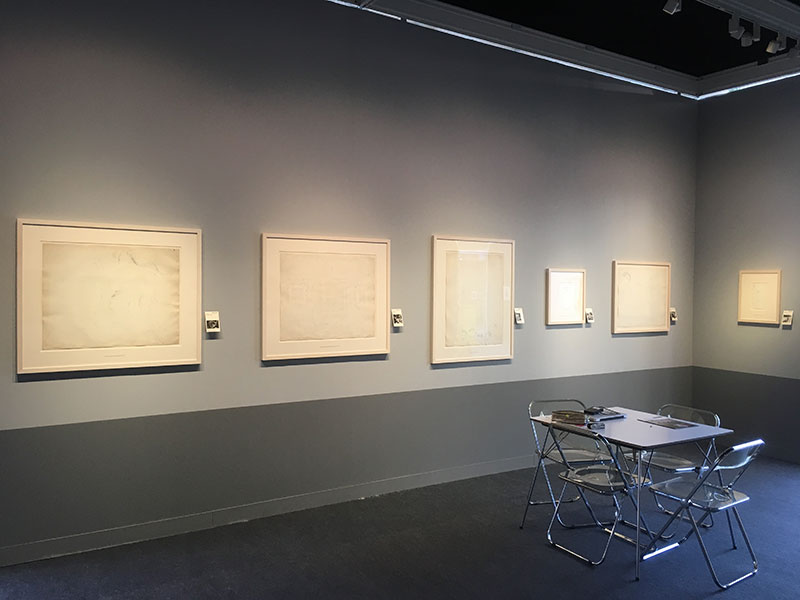
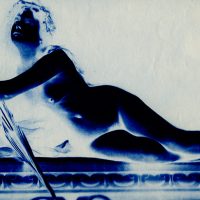
In addition to our displays of space pictures and works by Le Gray, we present an exhibition of Andy Warhol’s evocative line drawings, focusing on works inspired by photographs he found in LIFE magazine.
These distinctive drawings, many of which are studies of the human form, are executed in ink and pencil on paper. They reference the evolving magazine industry that fascinated Warhol and are situated firmly within the cultural era of the moment. Daniel Blau’s discovery of the original source materials used by Warhol gives insight into the early career of one of the 20th century’s most influential artists.



Marconi 1850-1870
Exhibition:
November 4 – December 17, 2019
11am – 6pm | mon – fri
Maximilianstraße 26, 80539 München
Download Press Release


Wellenreiter
The First Early Years of Radio Transmitted Pictures
Rapid technological advances in the 1920s paved the way for electronic transmission of images by cable and radio.
In 1946 an adapted German V2 rocket equipped with scientific instruments and an automatic 35mm motion picture camera (instead of the usual explosives) took off from White Sands, New Mexico, taking photographs of Earth at a record‑breaking altitude of 65 miles above the ground. These were the first images of our planet to be taken from space. This venture was a significant step towards bringing humans into space and back again.
In April 1961 Yuri Gagarin became the first person to orbit the Earth. Later that year, automatic cameras travelling on-board the Mercury‑Atlas 5 along with chimpanzee Enos captured the Earth in color.
In March 1965, Soviet cosmonaut Alexei Leonov conducted the first spacewalk in history, filmed by a camera he attached to the outside of the ship. Back on Earth, black and white film stills were printed and broadcast around the globe. These technically raw pictures continue to have a visual impact. They are comparable to Capa’s D-Day photos printed from injured negatives in that the materiality of these historic pictures link them indelibly to the time and place of their making. In comparison, the technically brilliant color pictures of Ed White’s spacewalk the same year are almost too picturesque to be truly exciting. All of the above photographs were printed from negative film brought back to Earth.
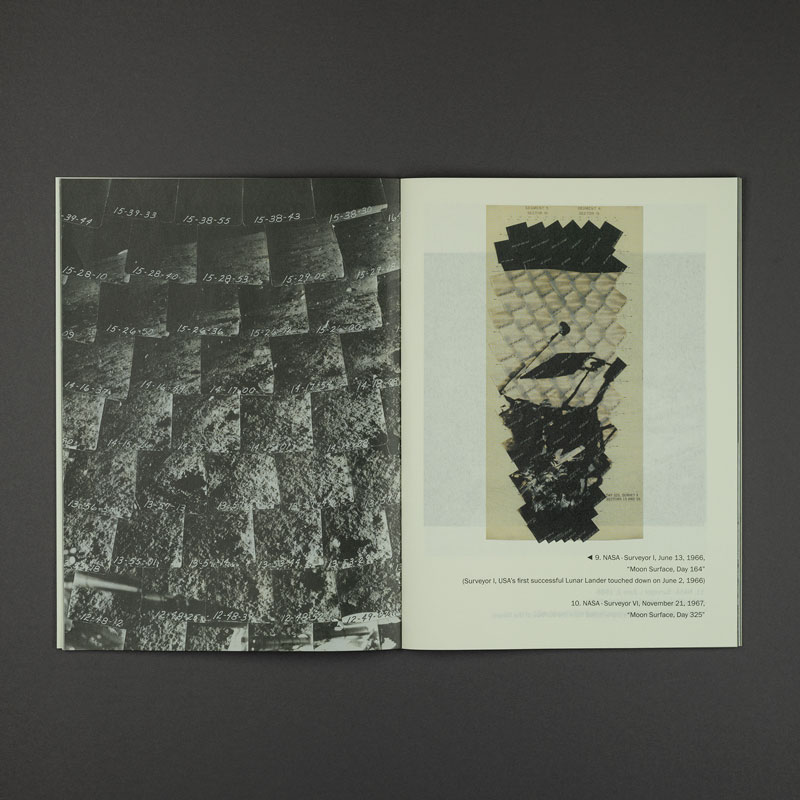
On October 7, 1955 the Russian probe Luna 3 had already radioed back to Earth the first ever glimpse of the Moon’s far side in the form of mysterious black and white grainy images. Luna 9 (1966) transmitted not only the first ever photo taken on the surface of the Moon but also the first panoramic picture and, incidentally, the first self-portrait in space.
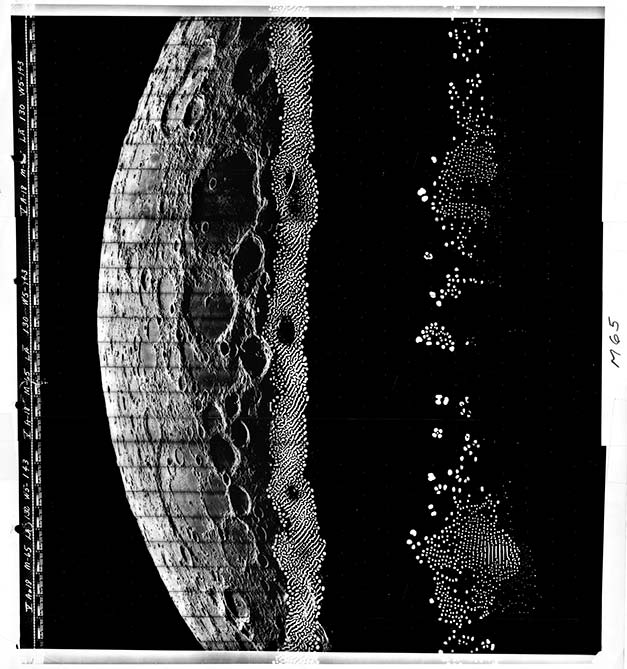
Some of these photographs are impossible to decipher without additional information. The few photos Luna 3 managed to take of the Moon‘s far side and send back to Earth are of very high contrast and low quality. They look more like 1950’s Abstract Expressionist paintings than photos of the Moon. These graphic images were our first glimpse of the other side of our friend in space, whom until this moment we had only seen from one perspective.
Mission Ranger gave us photographic evidence of the first artificial intelligence suicide in space, when one after the other the spacecrafts crashed on the moon, while radioing back picture after picture until impact. Maybe NASA scientists had the famous Méliès image of a rocket sticking in the Moon’s squinting eye in mind when they conceived the Ranger missions.
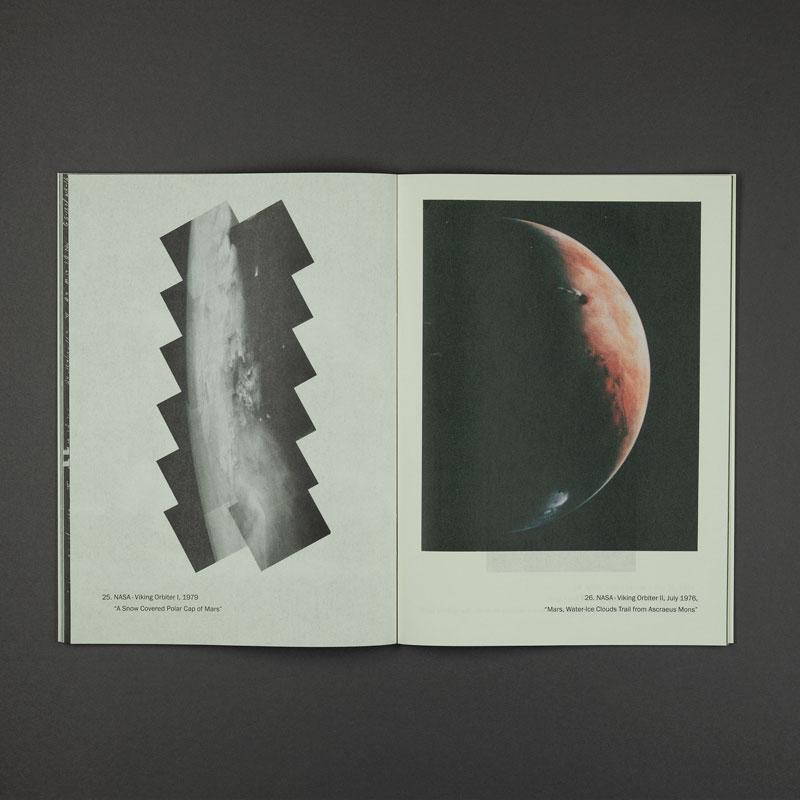
On July 14, 1965, four years before man set foot on the moon, Mariner IV radioed the first close-up images of Mars back to Earth. The area shown is fittingly named Elysium.
In August 1966 Lunar Orbiter I started to systematically photograph the Moon‘s surface. All four Lunar Orbiter missions were to cover almost the entire surface in incredible detail. The onboard camera system functioned almost like a passport photo machine. The exposed negative film was developed in a heated chamber, scanned and radioed back to earth.
Some of the most magical and esoteric photographic pictures have been created as by-products of 20th Century scientific space missions. Many of these pictures are the visual manifestation of historic events. Airbrush, crop marks or writing on front and back sometimes add to the Zeitgeist of these objects. Early on, these particular pictures had already been recognised as significant fragments of our post-WWII history.
This booklet is published on the occasion of the 50th anniversary of man’s first step on another heavenly body.
Link to preview of this publication
Printed and bound by Pelo-Druck Lohner oHG
Paper content: Dünndruck 50g/m2
Paper cover: Olin, Rough, cream, 200g/m2
60 pages, 35 images
15×21 cm, softcover
Editor: Daniel Blau

ÉMILE ZOLA – L’ EXIL
Weybridge 1898
An exclusive exhibition of previously unseen vintage prints from 1898
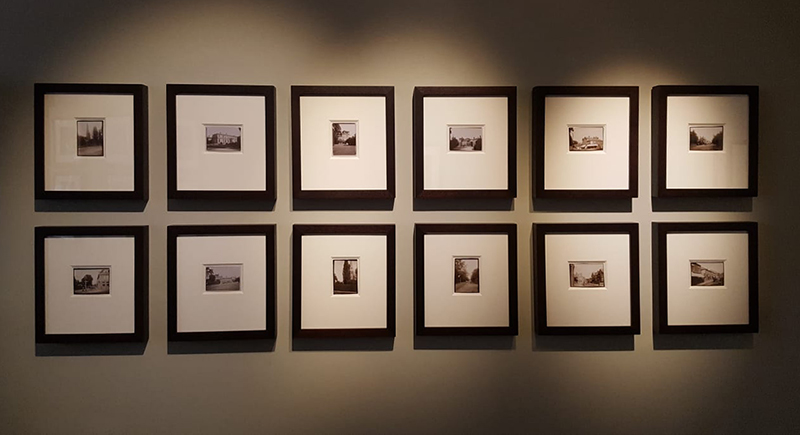
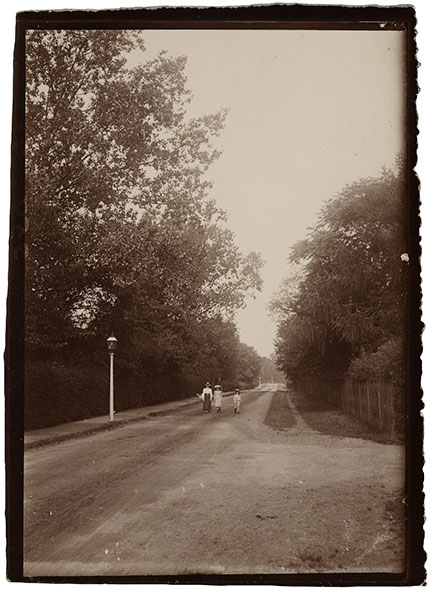
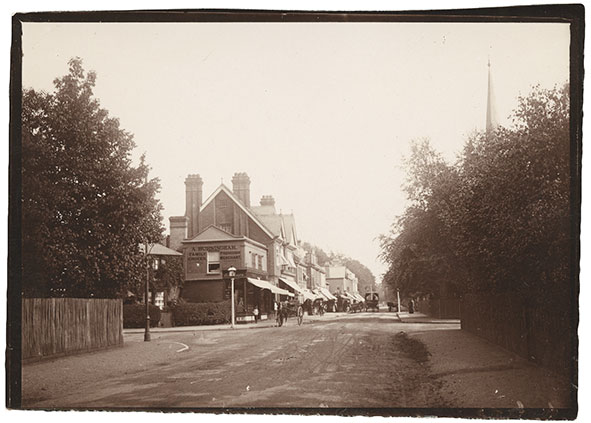
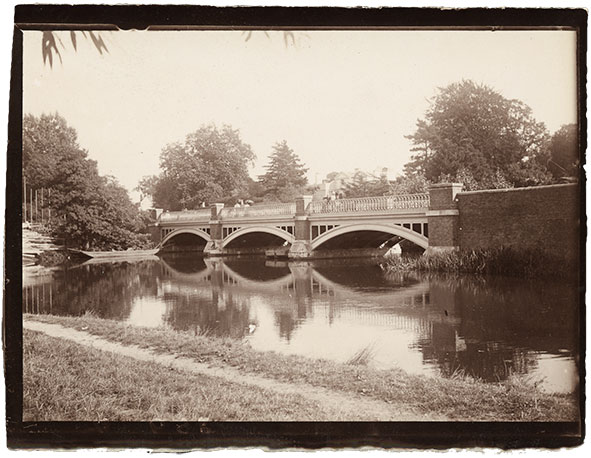
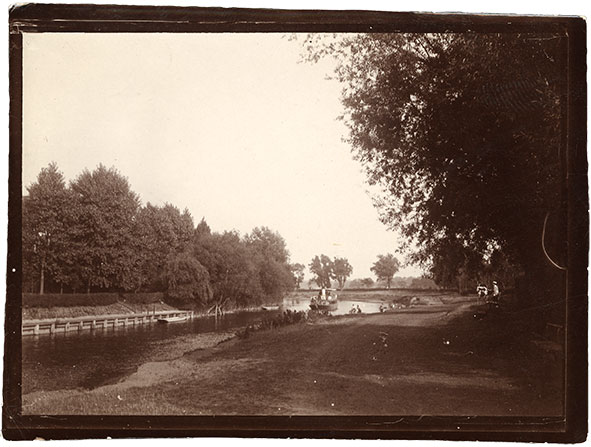
Daniel Blau is pleased to present an exhibition of 19 photographs taken by Émile Zola during his period of exile in England, coming from his family and all inscribed by the master himself on verso.
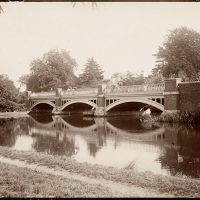
Rather than thinking of Zola as a novelist who took pictures, we may instead come to view him as an artist who both wrote and made photographs. As a result of Zola’s courageous intervention in the Dreyfus Affair he spent almost a year in hiding in England. During these months in 1898‑1899 he took copious photographs in the Surrey countryside that was to be his home for much of this time. His friend (and bodyguard throughout the affair) Fernand Desmoulin having brought him one of his cameras. The photographs from Surrey depict country lanes, ladies on bicycles and the Crystal Palace, in some cases in panorama format. In Zola’s photography we see an abiding interest in architecture, machinery, the modern. In the portraits of friends and family, photographs of street scenes and still lives we see the work of a skilled technician with a profoundly visual sense of the world. It was no easy feat to capture photographs of moving bicycles, with the long exposures of the time, without blurring.
Zola was an accomplished photographer whose pictures of family members, collaborators, landscapes and street scenes evidence the same attention to detail as his naturalistic writings. Amateur photographers proliferated at the turn of the century and there is no shortage of snapshots from this era. However, Zola’s pictures of the rural England are made significant by their context. These pictures coming from the great-grandson archive are on view to the public for the first time.
Galerie Meyer
17, rue des Beaux Arts
75006 Paris
Vernissage Photo Saint Germain:
November 5, 2019
4 pm – 9 pm
Public Exhibition:
November 6 – 23, 2019
Opening Hours:
Tuesday to Friday
2.30 pm – 6 pm
Saturday
11 am – 1 pm,
2.30 pm – 7 pm
Landschaft
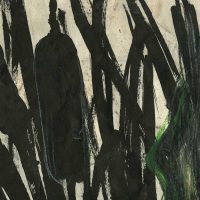
An exhibition with drawings and paintings by:
Baselitz
Hill
Höckelmann
Kiefer
Kirkeby
Lüpertz
Exhibition:
September 11 – October 28, 2019
11am – 6pm | mon – fri
Maximilianstraße 26, 80539 München

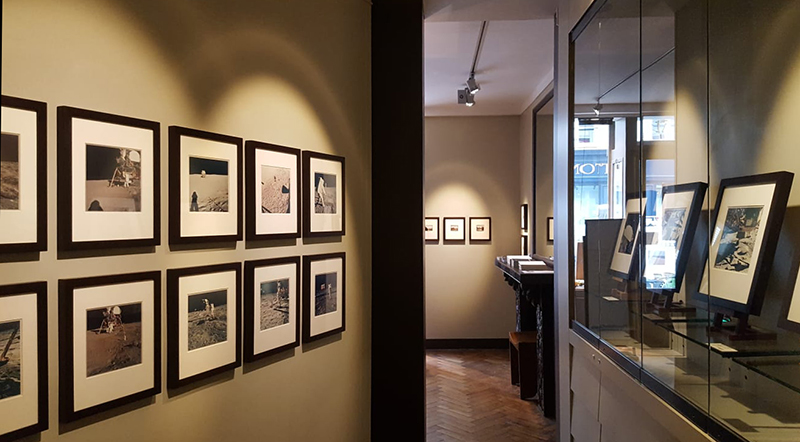
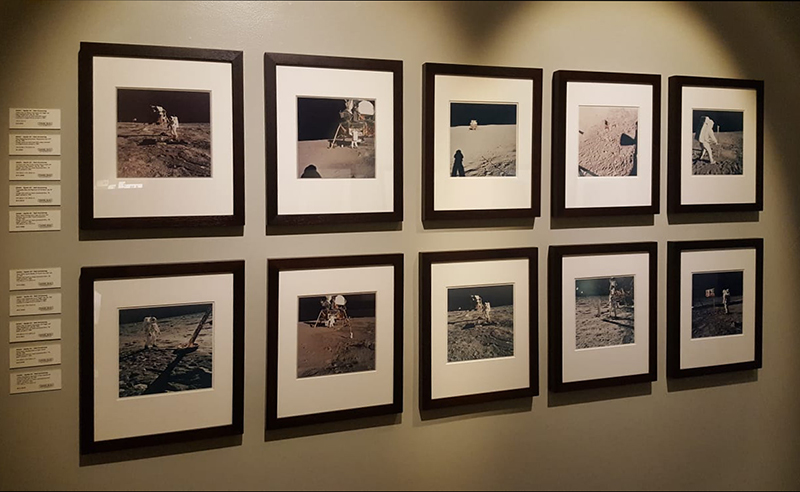
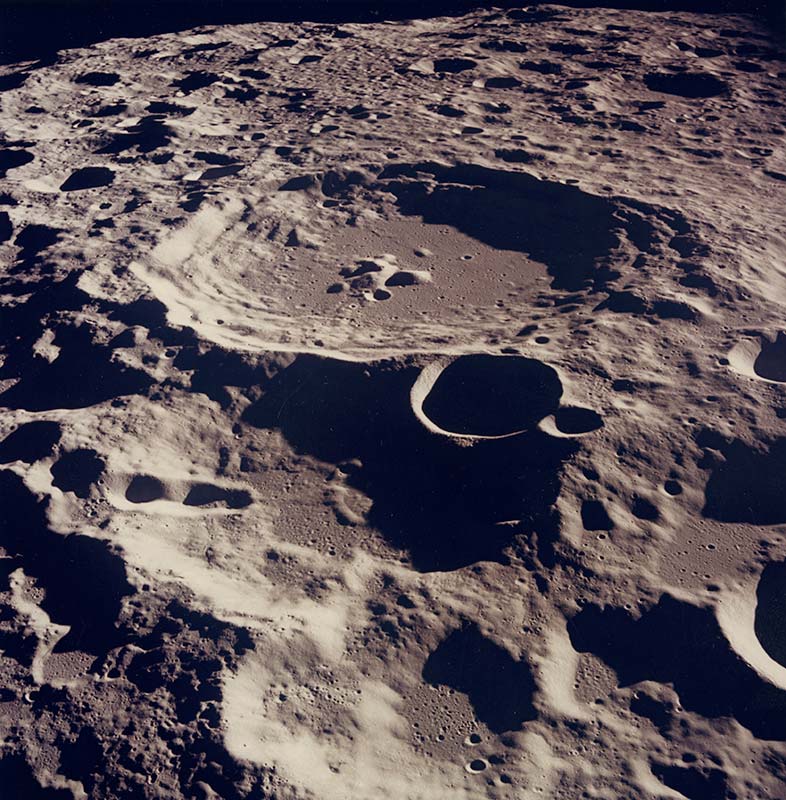
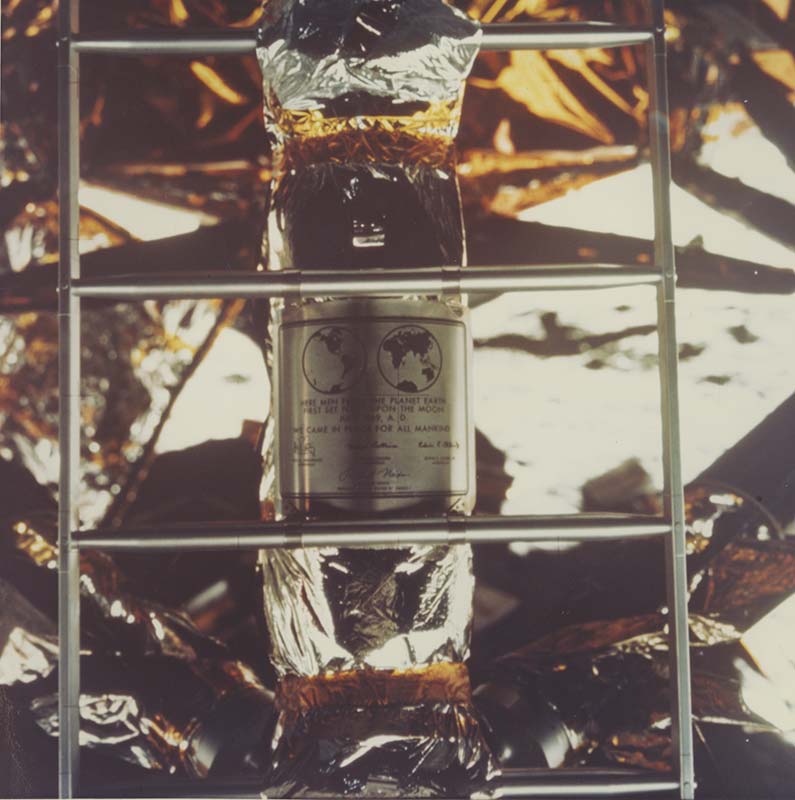
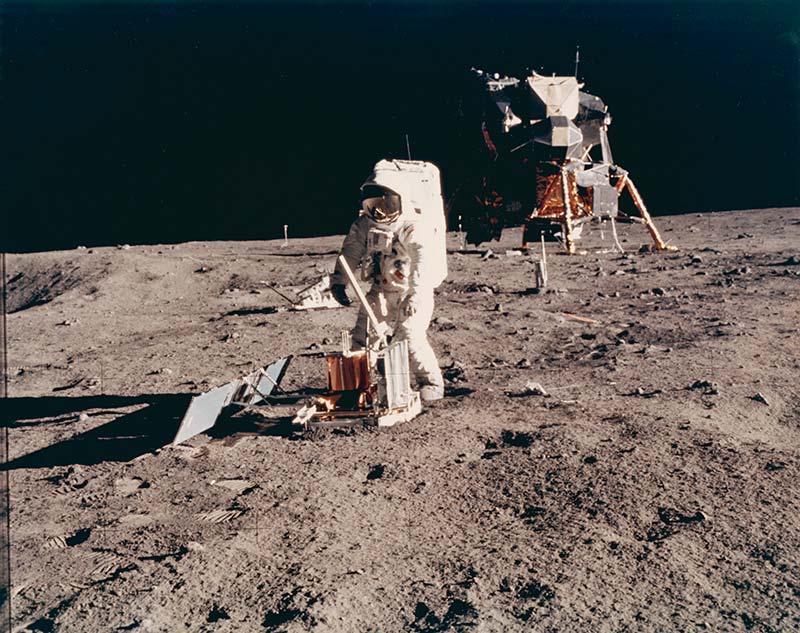
Apollo XI was the first manned lunar landing. The photographs of Neil Armstrong and Buzz Aldrin on the Moon are some of the defining images of the 20th century post-WWII, a time of rapid technology innovation and social change.
See here our recent publication “Apollo”


 +49 89 29 73 42