



Author: Christiane Wunsch
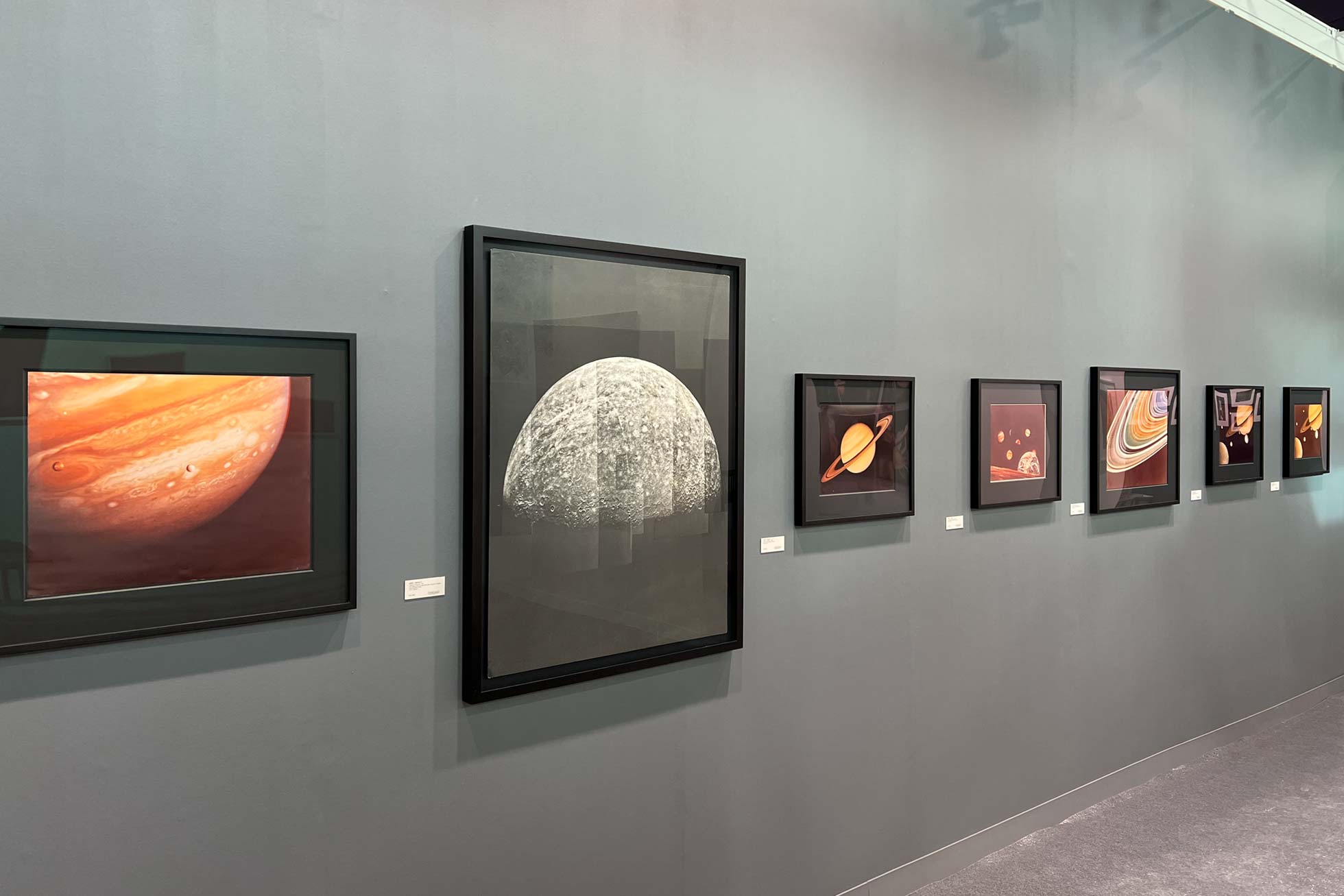
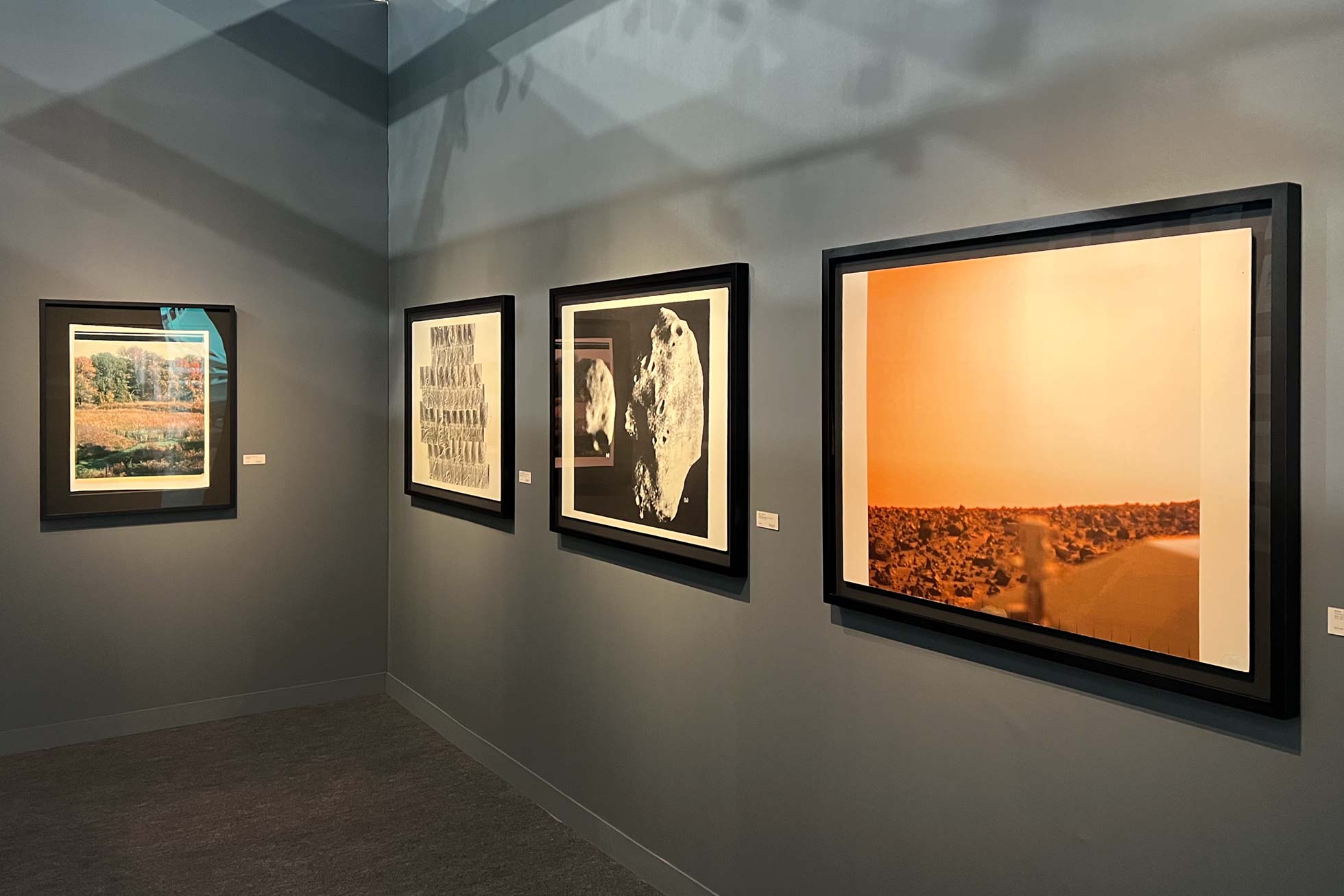
“Second Photo of Earth as Seen from Lunar Orbit”,
August 25, 1966, silver gelatin print on matte fibre paper,
printed in 1966, 45,6 x 56,3 cm
Price excl. VAT: € 80.000
“Gemini VI and VII, The First Rendezvous in Space”,
December 15, 1965, coated dye transfer print on matte fibre paper on original mount,
printed in 1965, 27,7 (40,6) x 35,0 (50,7) cm
Price excl. VAT: € 25.000
“Edward H. White, First American Spacewalk,
El Paso, Texas in Background”, June 3, 1965
vintage color print on glossy fibre Kodak paper, printed c. 1965
27,8 x 35,8 cm
Price excl. VAT: € 20.000
“Second Mars Photo”, 1965
silver gelatin print
19,4 (20,4) x 20,5 (25,9) cm
Price excl. VAT: € 3.000
“Atlantis on Mars”, July 14, 1965,
vintage silver gelatin print on glossy paper,
21,2 (25,9) x 19,4 (20,3) cm,
Price excl. VAT: € 3.000
Paris Photo 2022
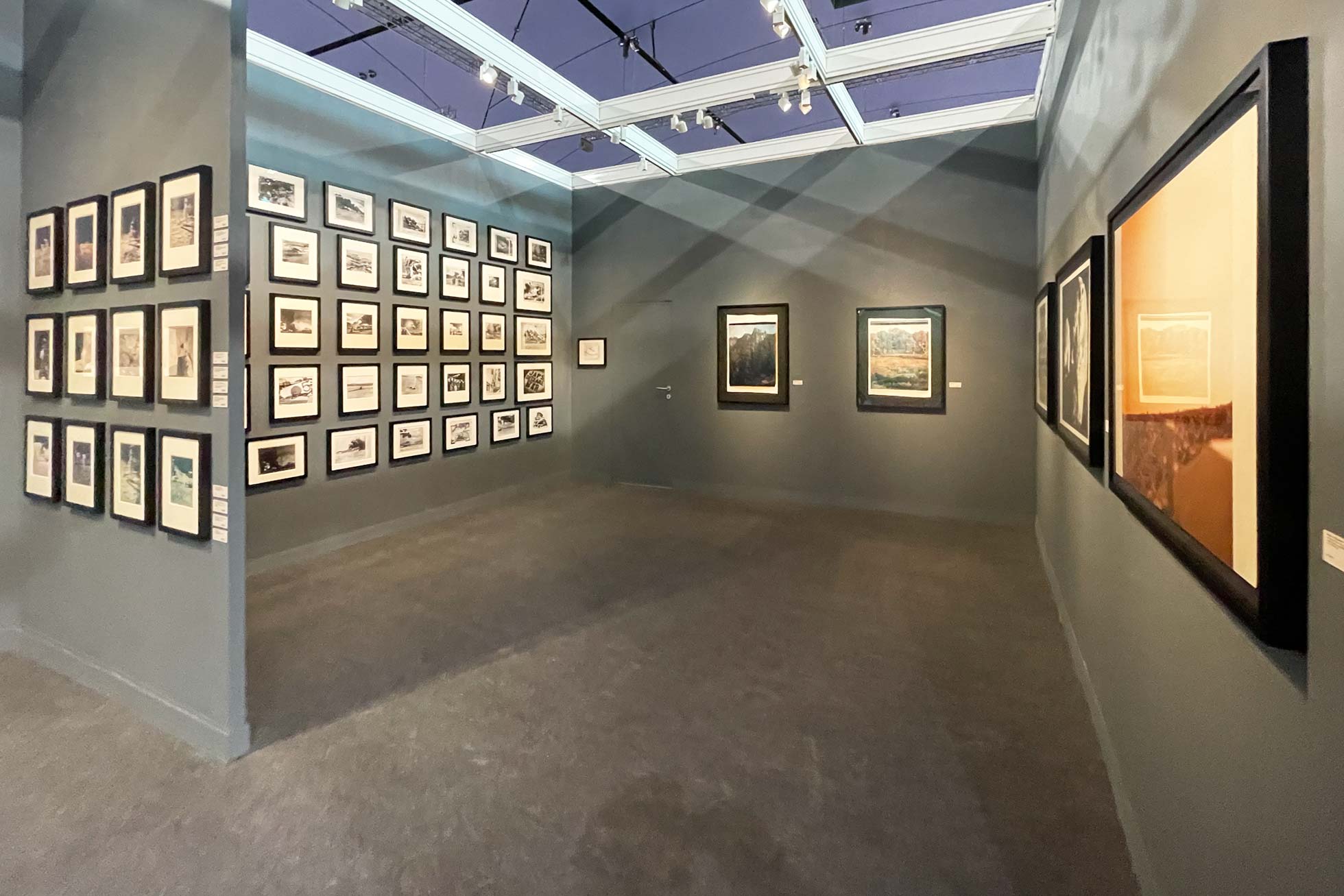
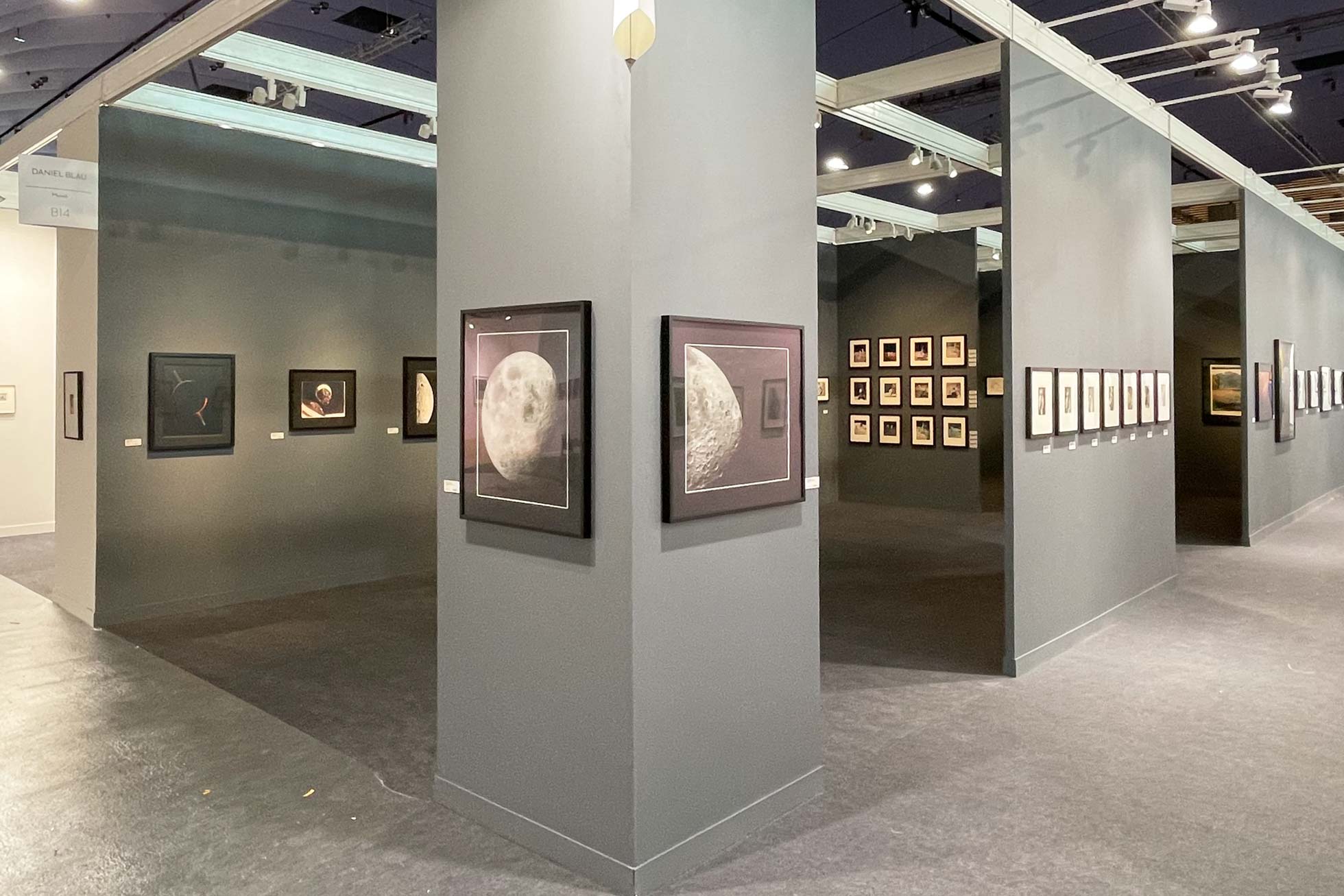
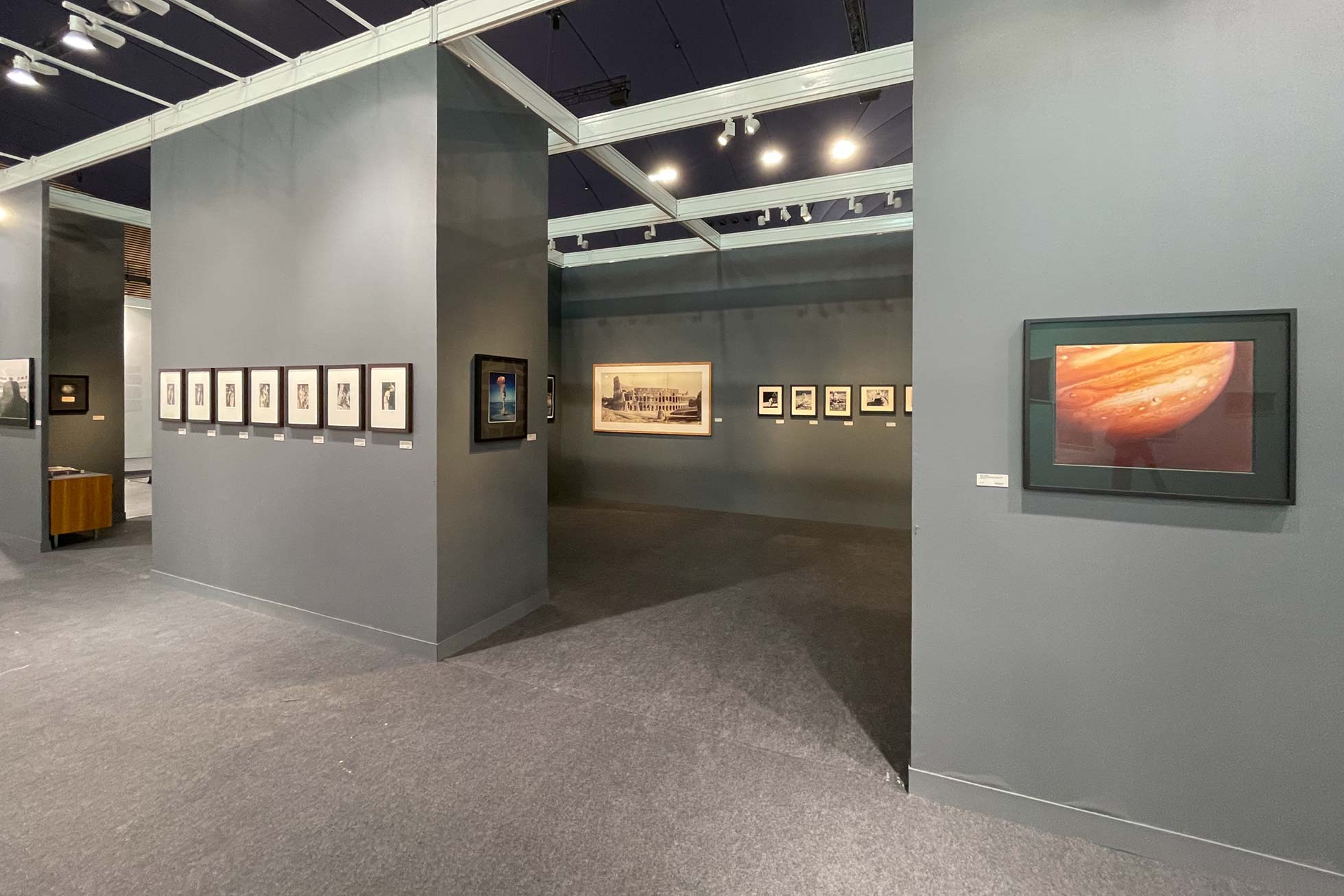
DANIEL BLAU is pleased to present a trio of outstanding exhibitions at this year’s PARIS PHOTO. The renowned Munich gallery has emphasized photography since its foundation, and takes pride in its international reach and reputation and the range of contacts it has earned. This year, its contribution to PARIS PHOTO encompasses nearly 80 photographs, a tripartite arch spanning from early, massive cityscapes of Rome to wartime photographs capturing the Japanese attack on Pearl Harbor to the first, fascinating examples of photography from space. This is mankind at its most grandiose and monumental – but also at its most dangerous, and ominous.
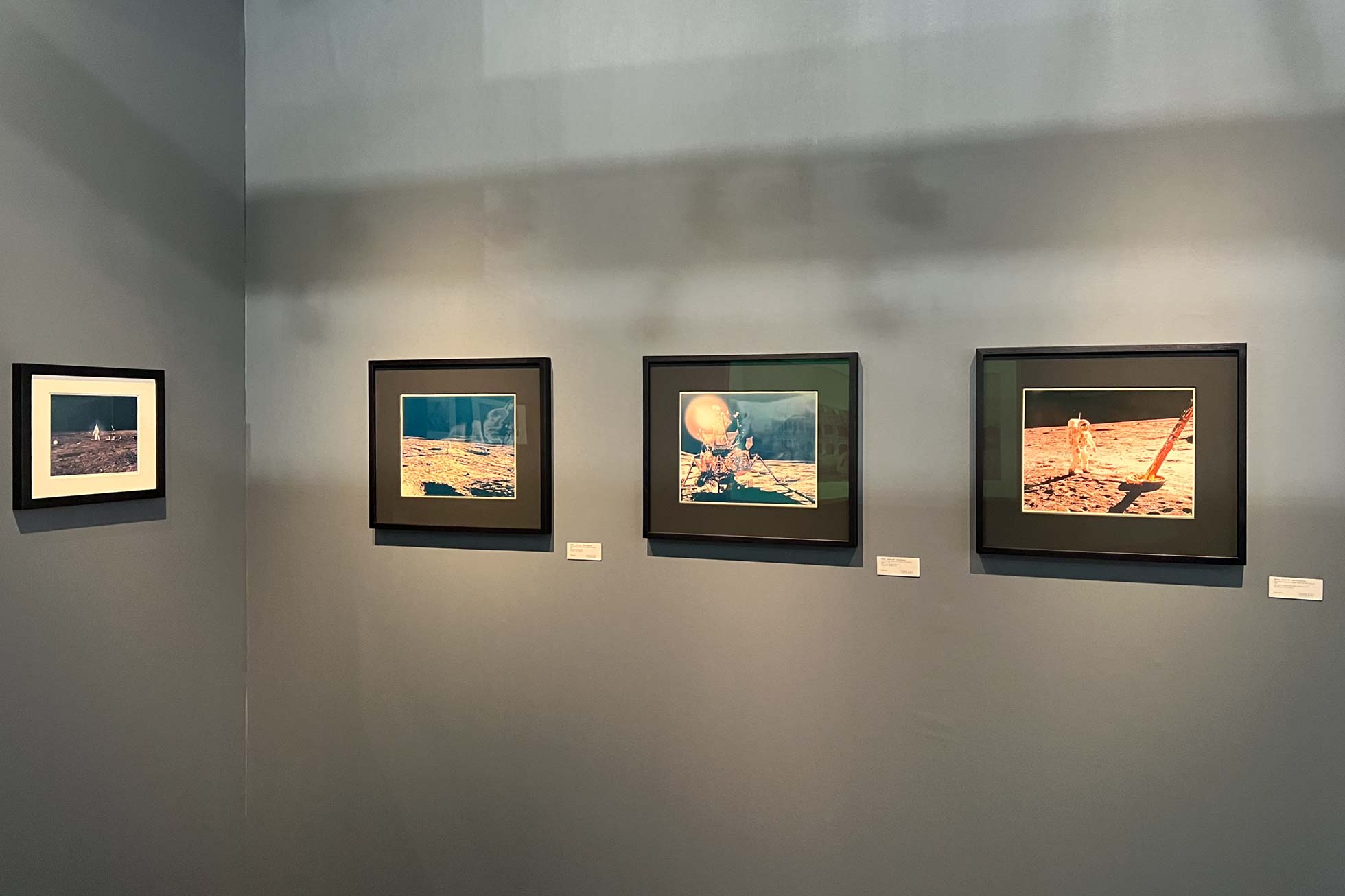
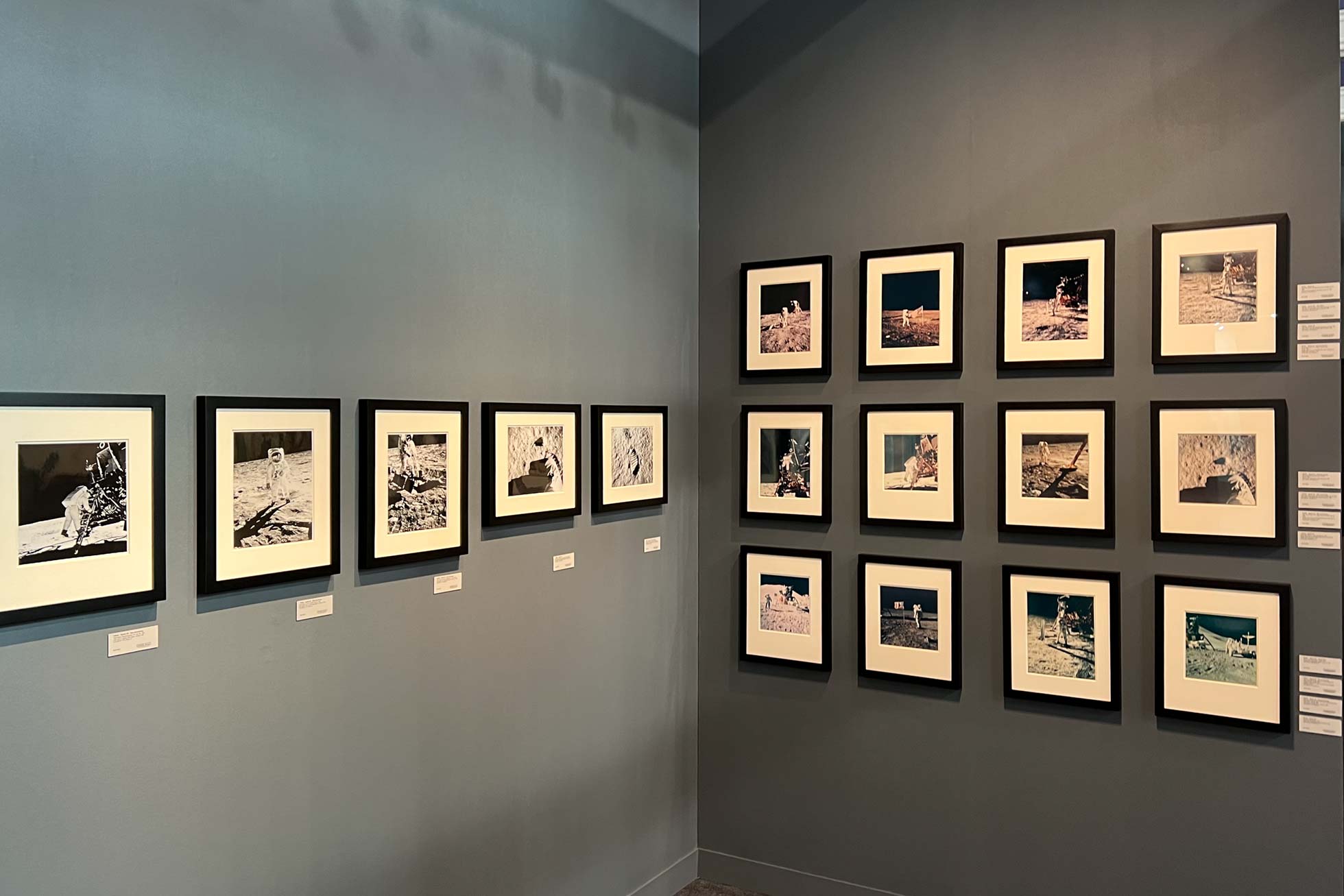
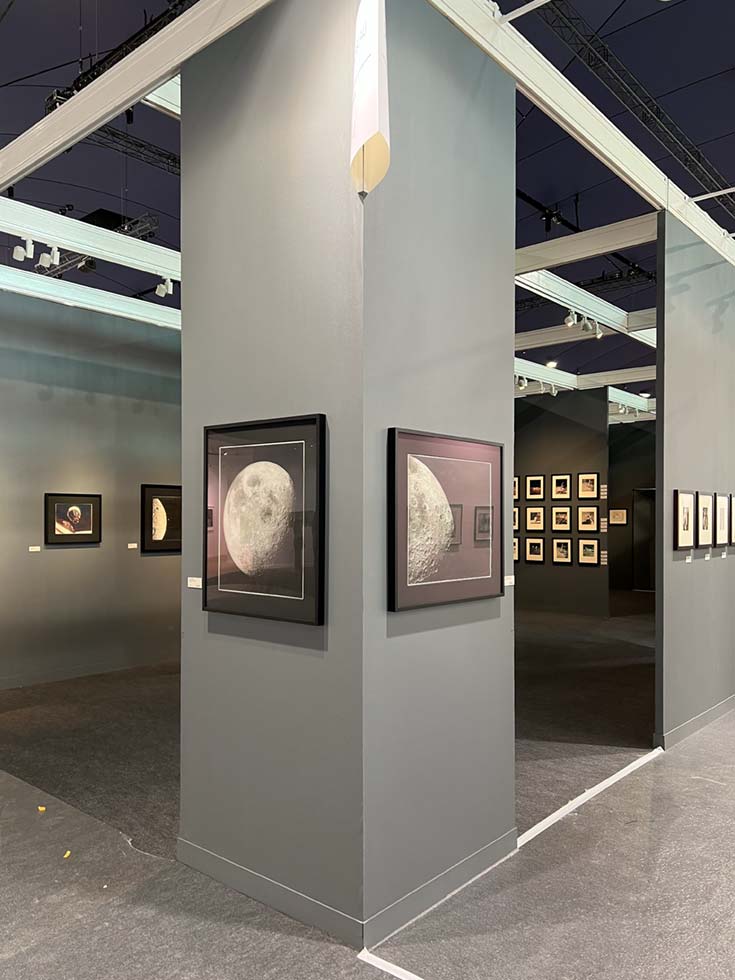
The unbelievable happened in 1969. A spacecraft crewed by humans touched down on the moon. Even now, the moon landing, and the missions into space that led up to and succeeded it, retain their fascination for us. A curation of high-quality images, both in color and in black-and-white, are presented here as kaleidoscopic insight into the NASA missions of the late 1960s and ‘70s they document. It could be that even the photo-enthusiast public sees little special, today, in space photography, overwhelmed as it is by countless satellites sending back high-resolution glimpses into the cosmos. If we cast our thoughts back some 60 years, though, NASA’s photographs appear again in new light: the surface of the moon recorded by man, the earth photographed for the first time from that lunar surface, heavily historic and phenomenal images. From a scientific perspective, of course, these missions, of an era already receding into memory, gained mankind a wealth of new information and ways of understanding the universe around us. The stillness, though, the endless quiet of these photographs, the play of light and shadow on another world and beyond our ken, the colors glistening off the horizons of other planets and into boundless space – these are artworks, pure, and fascinating moments in the history of photography.
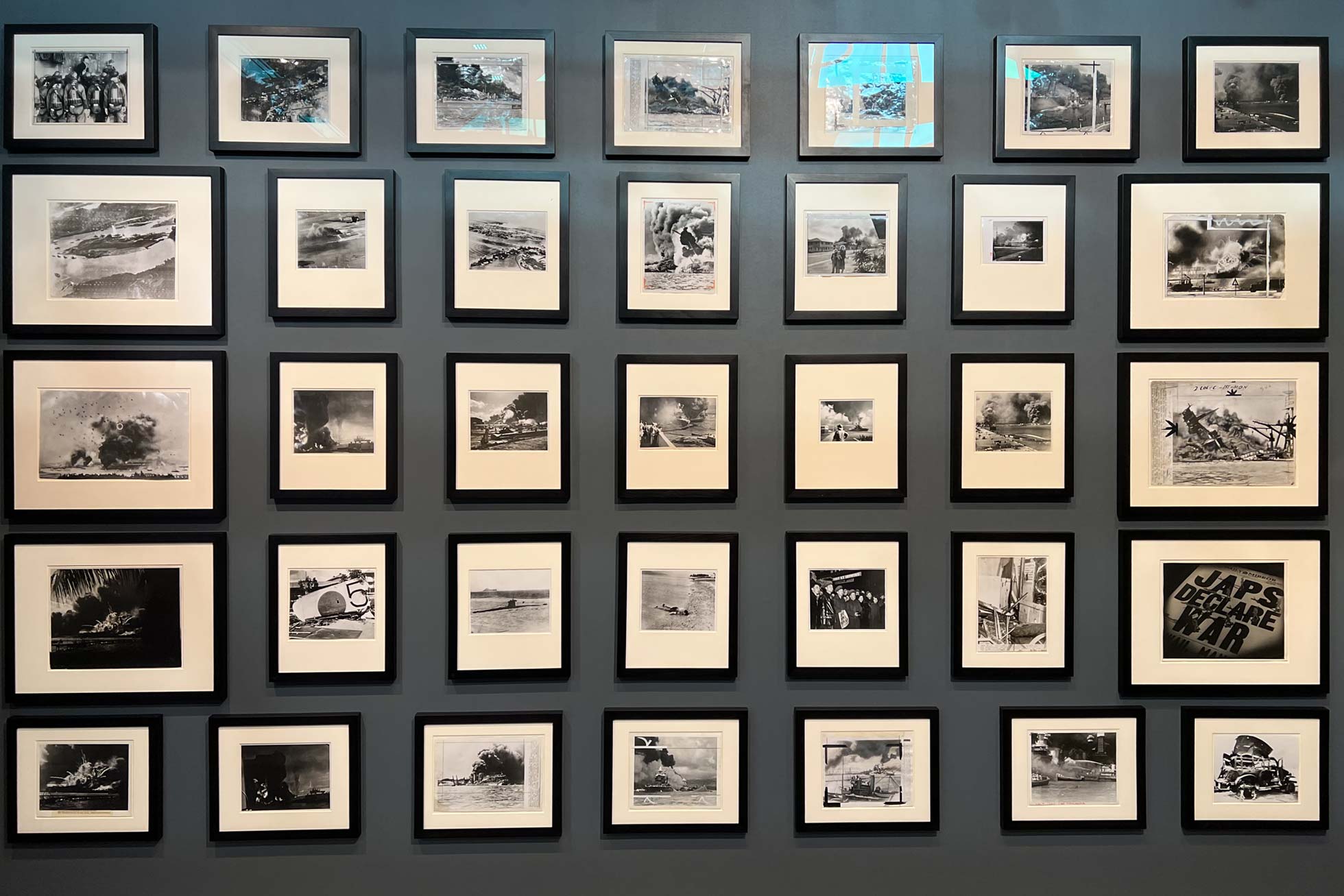
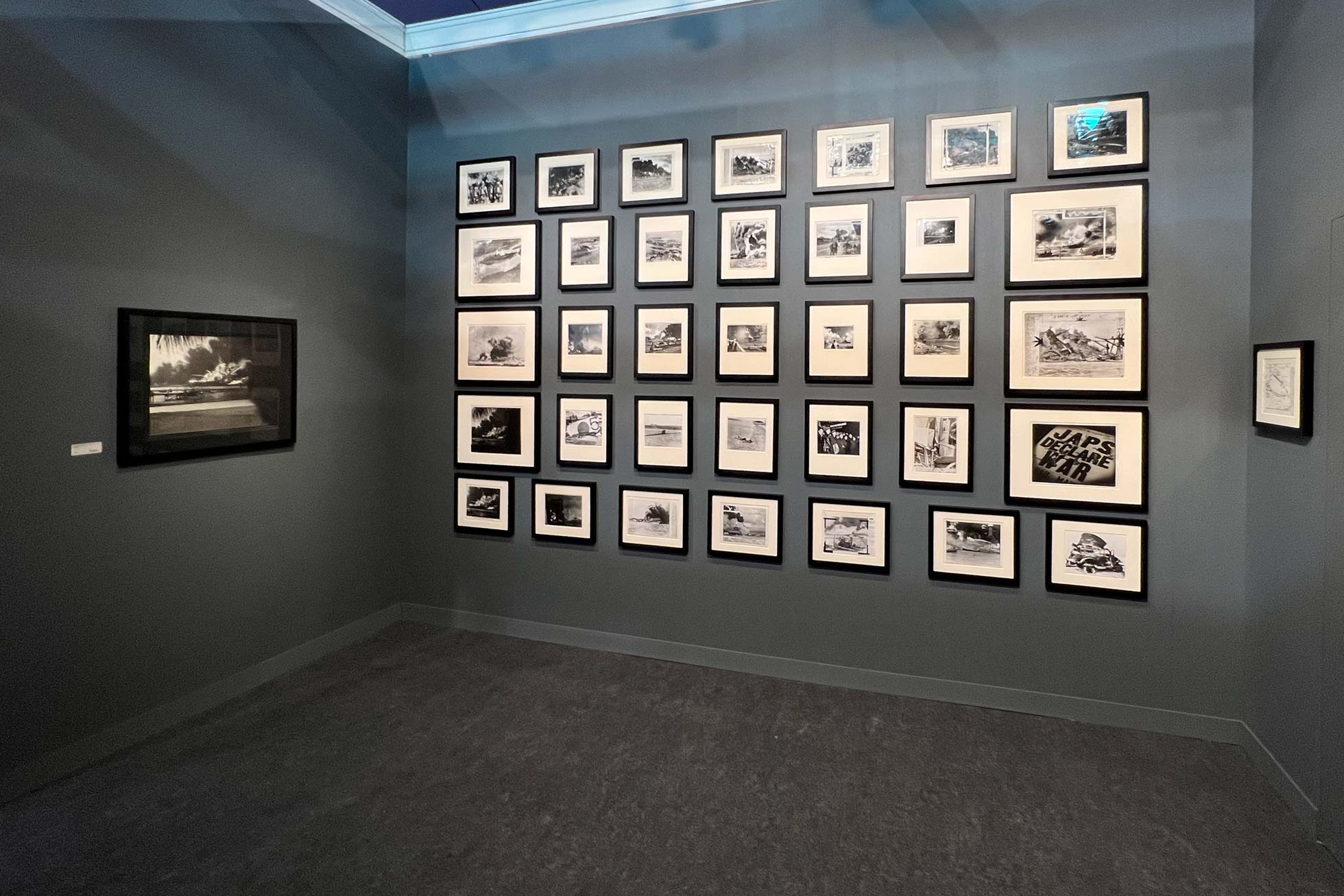
The exhibition “KRONOS” features photographs taken on December 7th, 1941, of the Japanese attack on Pearl Harbor. The photographic propaganda material that helped define perceptions of the surprise attack stemmed from unlikely sources, from snapshots and the corners of unintentionally well-timed holiday memories. An otherwise innocuous beach scene contains a massive explosion; a section of Pearl Harbor is found in a birds-eye overview. We see concentric waves making their way towards a row of ships – in only a moment the waves’ torpedo will strike one. Daniel Blau has assembled an important collection of photographs, from multiple origins and a wide variety of techniques, documenting the attack. U.S. Navy photographers and rarely represented Imperial Japanese Army photographers are displayed alongside one another for the first time. What results is a haunting window into one brief instant in time, the historic flash of an unanticipated, world-altering attack, into the very nature of war photography and propaganda, and into the artistry and philosophical perspectives at play between explosions and snapping shutters.
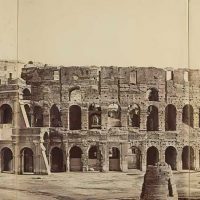
One more highlight of this year’s presentation brings us into the classical past and before a different sort of grandeur, a monumental modern image of an antique monument. The largest enclosed building of the ancient world, the Roman Colosseum, was captured in photography by the Roman urban photographers Tommaso Cuccioni (1790-1864) and Giuseppe Ninci (1823-1890). The building itself dates to AD 79; the print is the earliest dated work our gallery is showing at Paris Photo, and one of the earliest large-format architectural photographs of any kind. It is an unusual piece of art, an albumen print almost 1.5 meters wide and executed in three parts. Ninci learned the craft of photography in Cuccioni’s studio, opening his own around 1866 not far from the Spanish Steps. Both photographers were known for their oversized topographic images of the Eternal City, as spectacular in their own right as the ancient edifices themselves are.
PARIS PHOTO
Grand Palais Éphémère
Place Joffere
75007 Paris
Booth B14
Fair Dates:
Vernissage (by invitation only):
Opening Hours:
Wednesday,
November 9, 2022
3 pm – 9 pm
Public Opening:
November 10 – 12, 2022
Opening Hours:
1 pm – 8 pm
November 13, 2022
Opening Hours:
1 pm – 7 pm



Tondo
DANIEL BLAU is pleased to present “TONDO,” a truly unique exhibition of vintage pictures connected by their unusually well-rounded focus, for the PhotoSaintGermain Festival 2022.
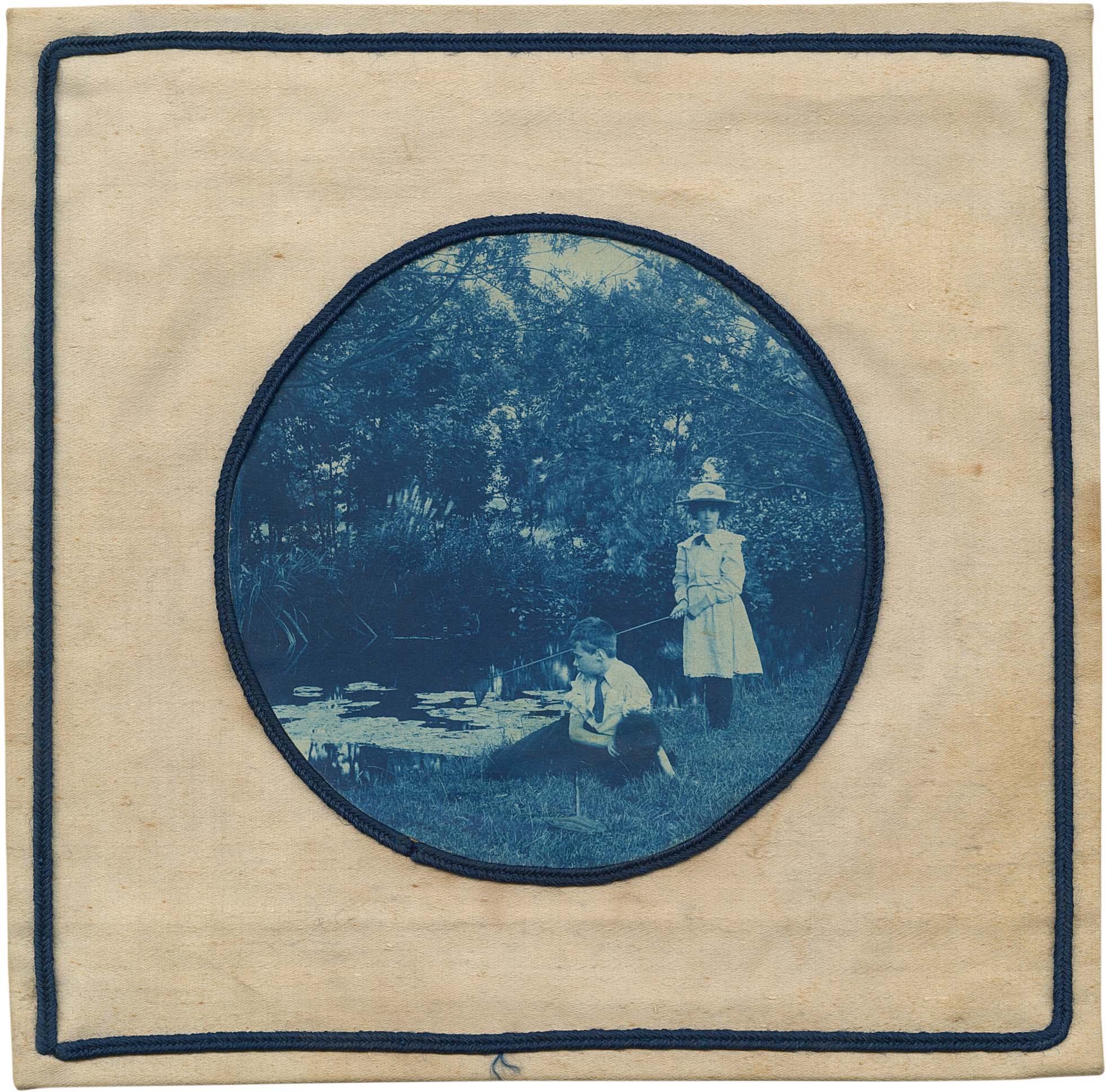
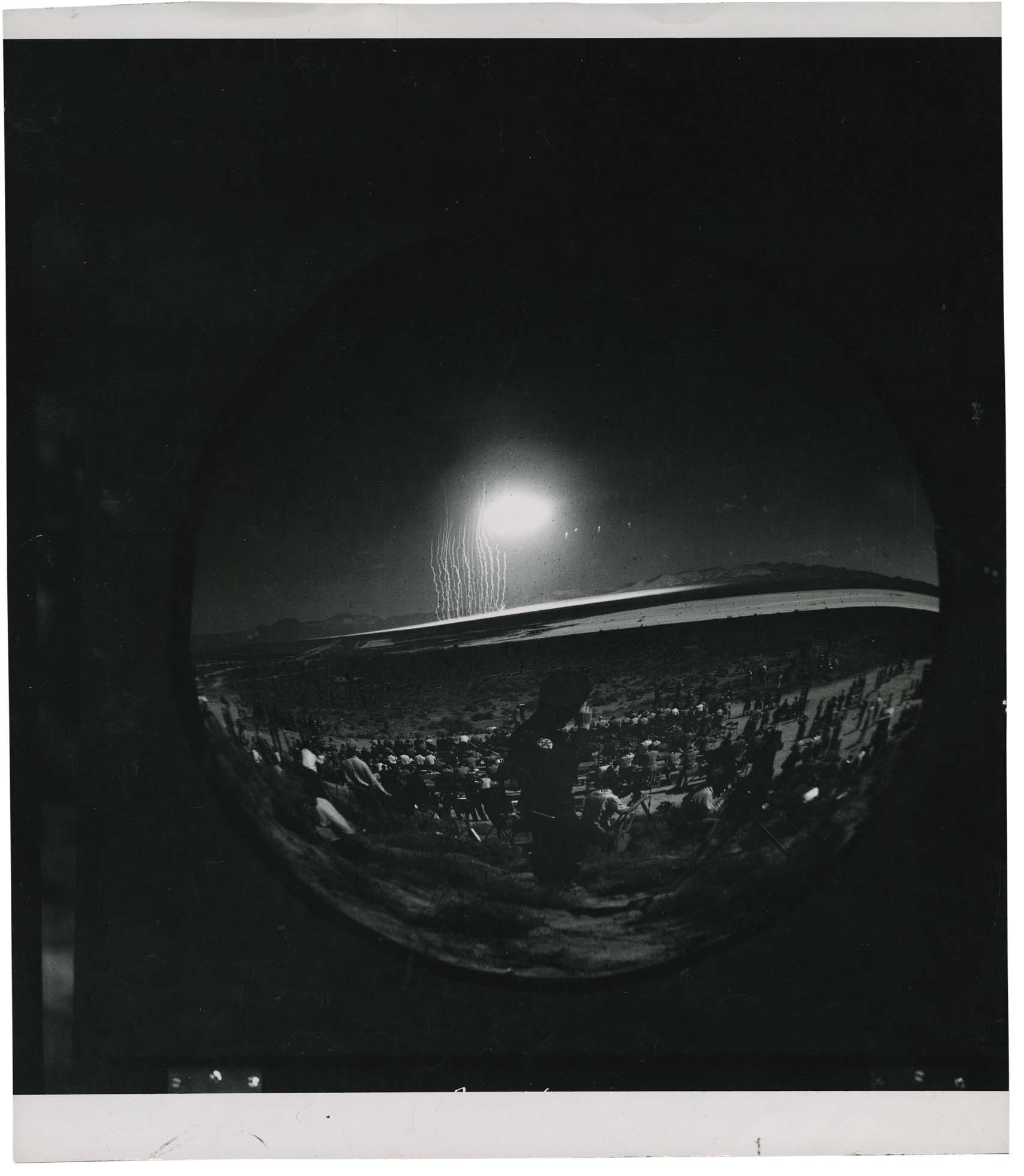
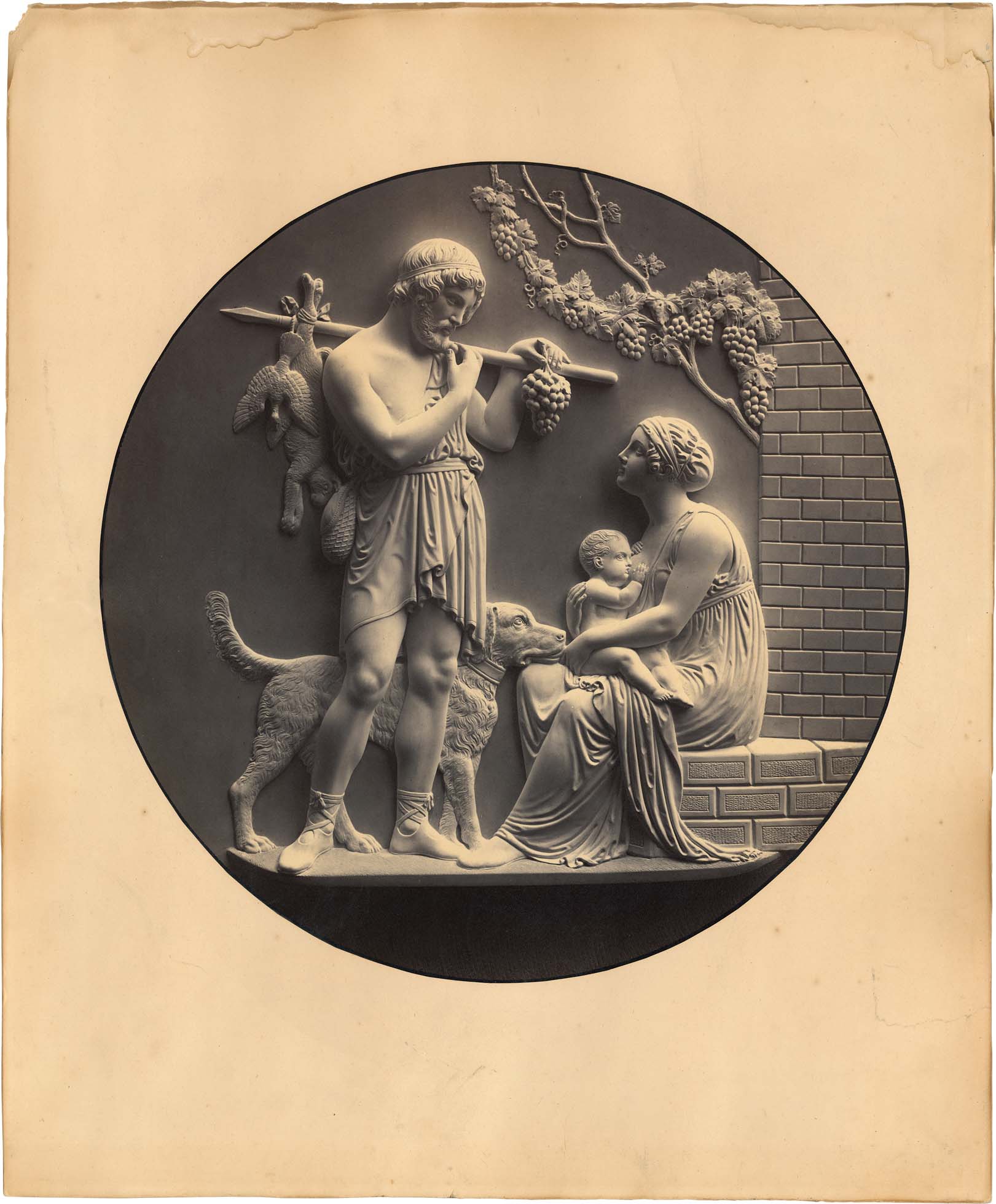
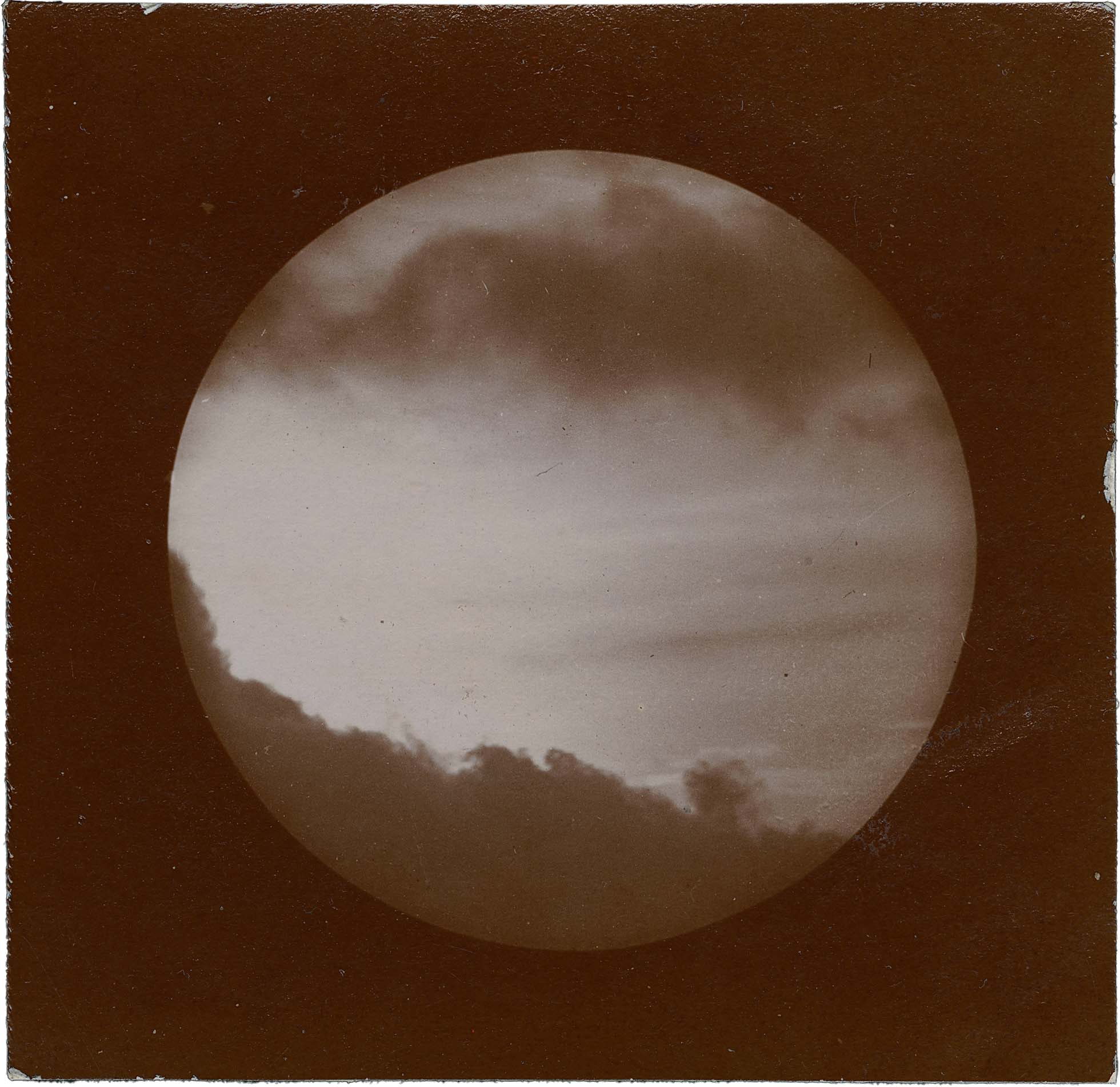
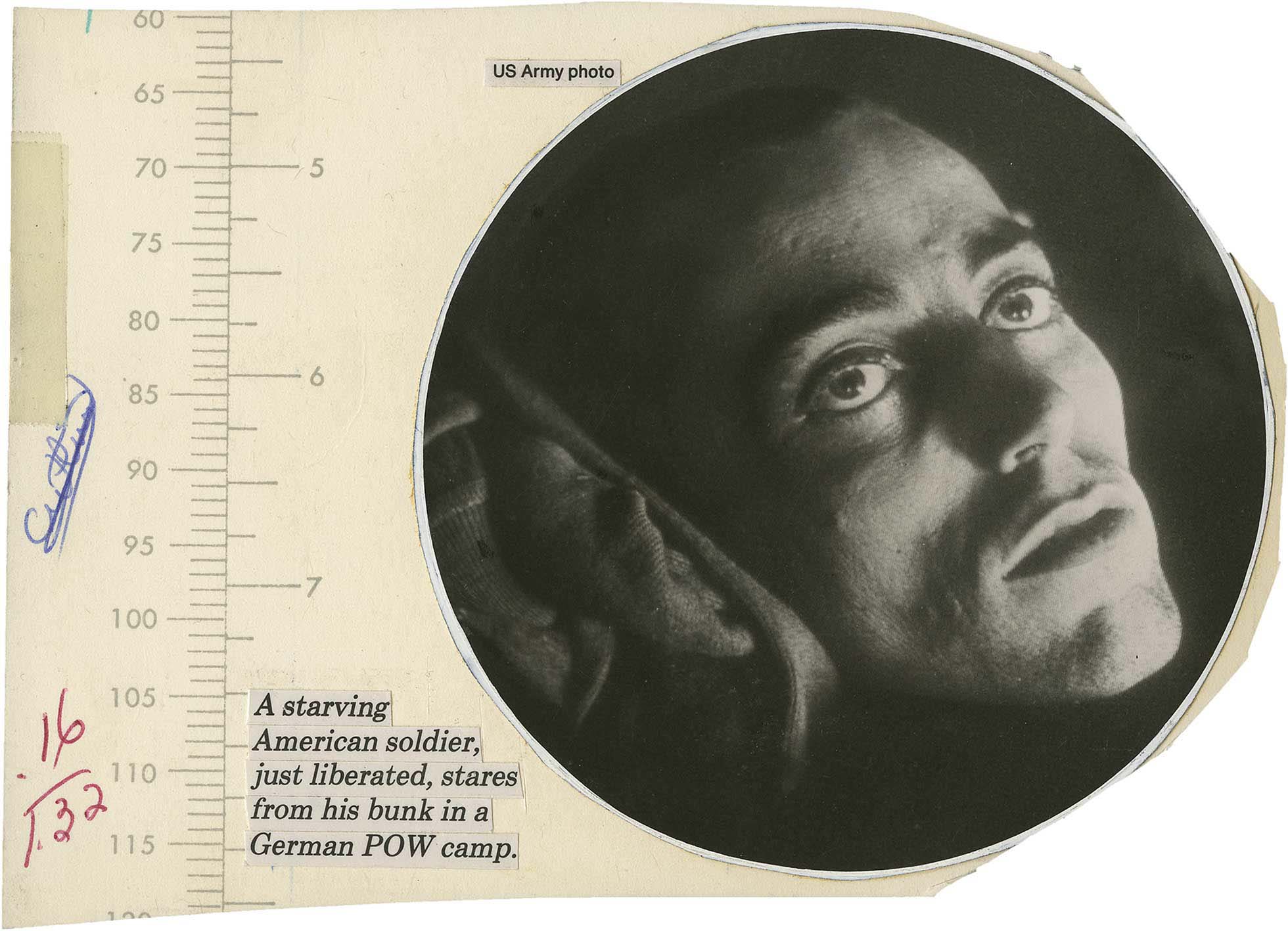
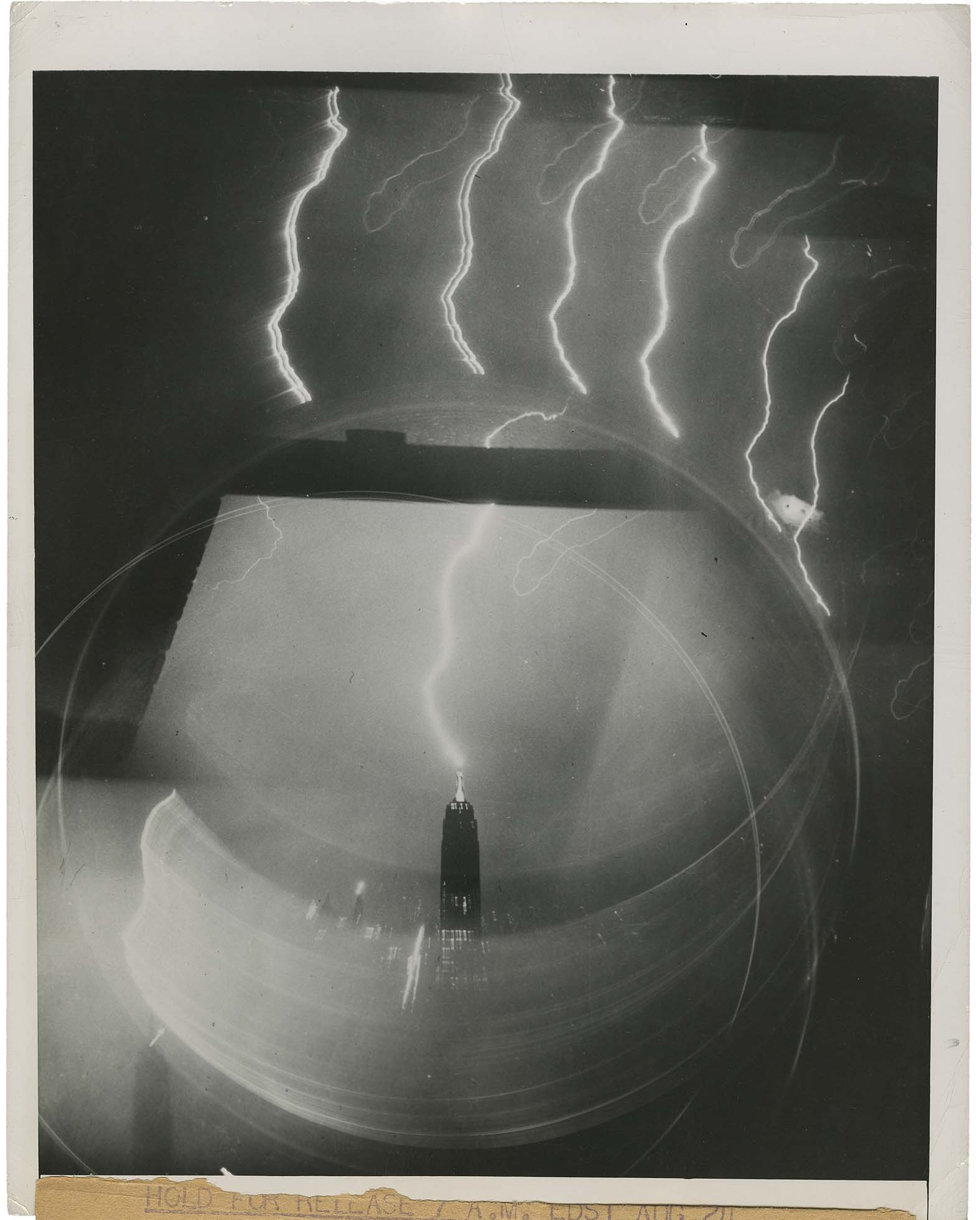
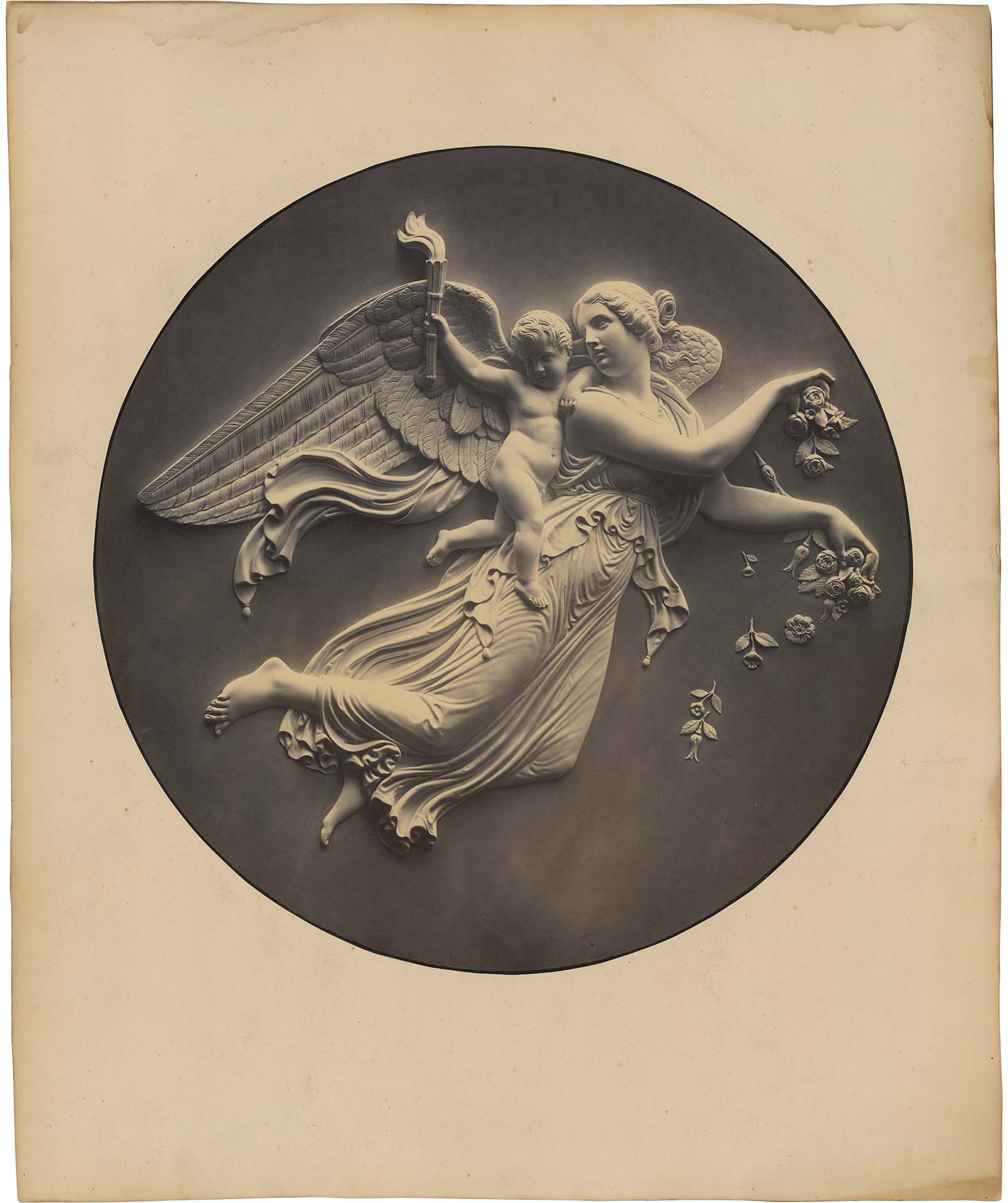
The 23 photographs featured in the Anthony Meyer rooms, stretching in origin all the way back to the earliest days of the artform in the early nineteenth century, range from cityscape to portraiture, from images of far-off lunar craters to the architectural gems around us. What unifies them all is, of course, roundness, whether in their subject matter, in the technology behind them, or in the framing of the very photograph itself.
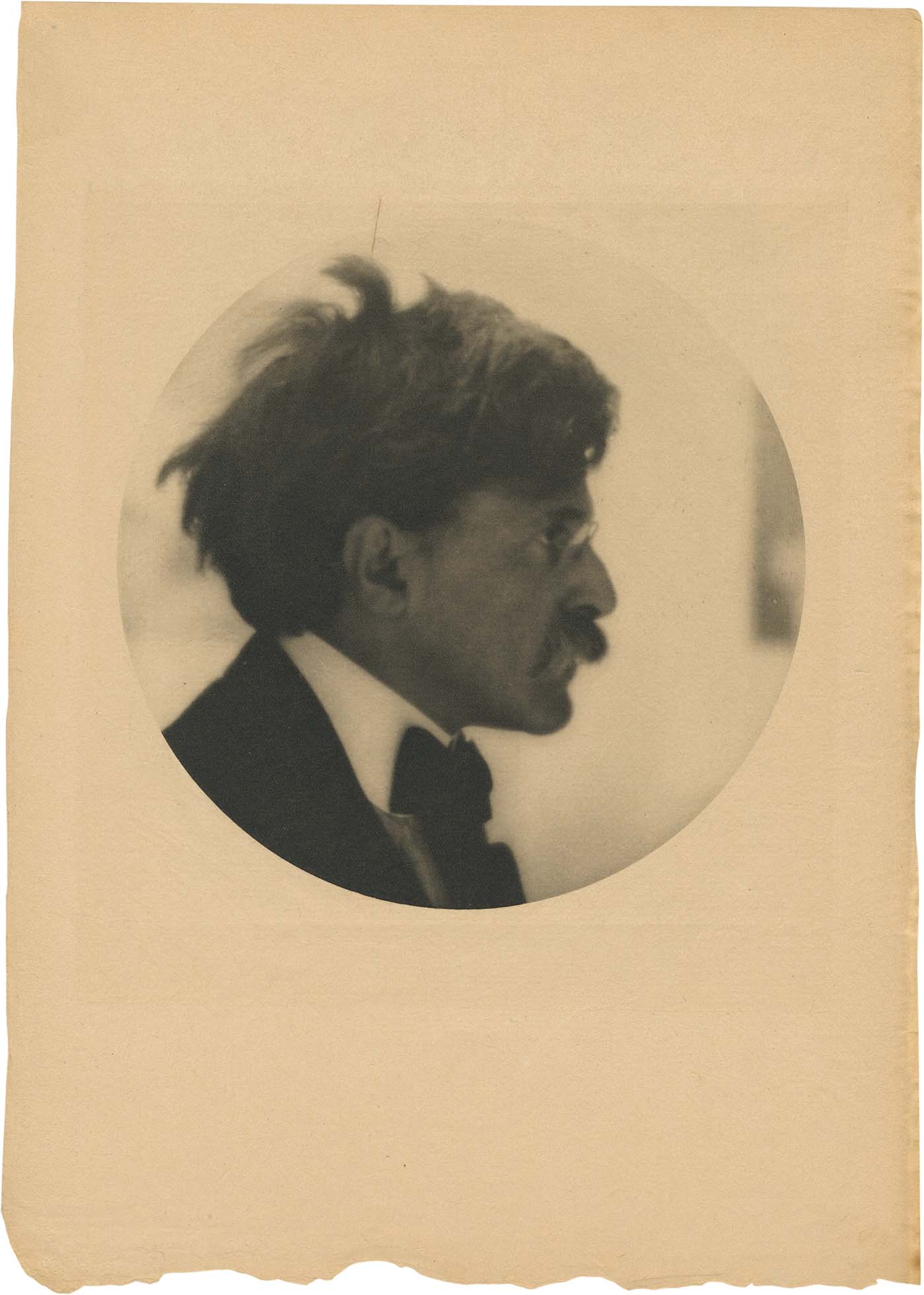
Tondi have an age-old place in art history, and with the advent of photography took a step into the modern world as well. Experimentation in roundness has been present from the first lens down through the innovation of the fisheye in the 1960s and ‘70s, reflecting the zeitgeist and aesthetic impulses of every generation from Voigtländer to Nikon. Here, DANIEL BLAU, together with SERGE PLANTUREUX, has brought together an extraordinary curation of roundness through the decades, outstanding work that encompasses historic milestones and natural timelessness, anonymous faces and monumental profiles. Lightning watchers at the Empire State are frozen in time by John Alger, beside Alvin Landon Coburn’s view of colleague Alfred Stieglitz.
“What is the aesthetic beauty of a circle? – or of a turning, curving movement,” DANIEL BLAU asks, in a recently published discussion between the two experts behind the exhibit. “Isn’t it something that is quite natural to us? Beginning with the iris being round, and the eye being round like a sphere, and the head being roundish, the sun and the moon being round… we are surrounded by all these spherical, and seemingly circular objects.” The reflection on and consideration of roundness is itself an endless one, always circling back upon itself, wherever we begin – the possibility, the potential, the resources, the subjects, the history, the technology, the very shape itself. Unusual as it can seem at first, the circle in photography is there at every turn.
The exhibition “TONDO” will be held in the Anthony Meyer Rooms at PhotoSaintGermain between November 3rd and 19th, 2022.
Exhibition Dates:
November 3rd – 19th, 2022
opening hours:
tuesday to friday
2:30 pm – 6:00 pm
and
saturdays
11:00 am – 1:00 pm
exhibition at Galerie Meyer:
17, rue des Beaux-Arts
75006 Paris – France


What is the aesthetic beauty of a circle, or of a turning, curving movement?
Tondo
Daniel Blau: Maybe we should start at the beginning. Do you remember when we first came up with the idea of putting round photos at the center of a show?
Serge Plantureux: The exact conversation? We were together, we were discussing several matters… you also had an interest in various subjects we discussed, like broken negatives. I think it was in the same conversation. We were looking for how to make a beautiful exhibition on a subject linked to a material aspect of photos.
DB: Yes, that was over 10 years ago!
SP: Oh yes, yes, more than 10 years!
DB: Yes… it was actually a fun time in Paris, lots of auctions.
SP: But I think it was even before Lehman Brothers.
DB: Yes, before Lehman Brothers. What is it that’s interesting about round photographs? Why did we decide on round pictures rather than damaged negatives? Which I still think is also a very good subject.
SP: Because of resources. It had to do with how many we hoped to find. How difficult it is, how rare the subject is. Damaged negatives… we started that as well, I think. But it didn’t develop into anything…
Roundness has a symbolic aspect to it. There are circular images made on purpose. There is something linked to the optical, something linked to the history of photography – for example, the Voigtländer camera in 1840. There is also the circular cutting-out of paper from a square original. So there are a lot of angles, and it is a very dynamic and creative subject.
DB: I agree. Roundness in art – as with the tondo – has been around a long time. Maybe the most famous tondi are in the Uffizi, the Medusa’s Head by Caravaggio or the Madonna del Magnificat by Botticelli. You have a lot of round pictures in art history.
But round is also complicated. It is complicated in regard to framing, it is complicated in regard to process. You naturally have a lot of waste when you produce a round canvas or a round photograph, because you cannot divide a piece of paper into circles without loss. Therefore, the tondo is not very common in art, in photography. Even now it is not very common. But we found quite a few round photographs. Why do you think that’s the case?
SP: We found a few because we were kind of active, and efficient. We had access to many different collections and we had no time frame.
DB: Yes, no deadline…
SP: We could cover all periods. It would be more difficult to put a substantial show together if you wanted to find roundness in modernist photography only, or in calotype. But once we accepted every period, we found the tondo in every generation, and found that, in fact, tondi from one generation to another are very different. In earlier times, some roundness was linked with microscopic investigation, because the image done with the microscope is already round by essence.
DB: Yes!
SP: Also, you had a lot of interest yourself, and I only discovered this on that occasion, in sténopé images. Most of the sténopé are round because of the pinhole. So, pinhole camera images are round with black margins… so they can be printed on square paper, but the image is centered in the middle of the print.
DB: What is the aesthetic beauty of a circle, or of a turning, curving movement? Isn’t it something that is quite natural to us? Beginning with the iris being round, and the eye being round like a sphere, and the head being roundish, the sun and the moon being round. We are surrounded by all these spherical and seemingly circular objects.
And don’t you think it’s surprising that, from the beginning of photography, the photo camera’s lens, which is naturally round, never square – and even a rectangular lens would create circular images – produces an image which is also round, a tondo, circular, yet results in rectangular prints? Wouldn’t you think that the carrier of the image, subsequently, should also be round? Sure, there are examples of circularity. Among the very earliest photography in France, you find daguerreotypes that are round. You mentioned the Voigtländer camera. But the history of the photography turned firmly to the square and the rectangular. Why, in photo history, is there not a continuation of circular photographs, based on the shape of the lens?
SP: Because it’s more expensive to produce Daguerrean round plates. Logistically it’s more difficult. It’s more difficult to store them. Except for eggs, most food is cubically stored, stacked.
DB: And they’ve even tried to make eggs cubical! So it’s an economic reason.
SP: I think so!
DB: That is probably correct! But photography is an art form. And wouldn’t an artist try to break out of economic boundaries to produce something that is artistically beautiful, or ugly, whatever his intention may be – but unrestricted by the common norm?
SP: It is a very interesting discussion, and it could make a beautiful exhibition. A real artist trying to break economic boundaries.
DB: Yes! The question is, again, why do photographers, as artists, stick to the boundaries of square or rectangular paper?
SP: Because every paper is produced square or rectangular.
DB: Didn’t artists in the early days make their own paper?
SP: Yes, but you still needed to buy the sheet of paper – they made an emulsion, not the paper itself.
DB: Yes, of course!
SP: Only in Daguerre’s time was there really an opportunity of choice, between the Voigtländer camera and the square Daguerre camera. But in other periods, every negative produced was either square or rectangular.
DB: There is the Kodak I and II, and they produce round images…
SP: … on square paper…
DB: Strangely enough, on square paper… exactly. But at least aesthetically they stay with the tondo, with the circular. I mean, round is just more pleasant to look at than rectangular. The anthroposoph knows that better than anybody else.
SP: Because of anthroposophy I’m thinking… Did we find round autochromes or not? I don’t think so…
DB: I don’t recall round autochromes. I mean, there are autochromes that are circular or oval in square or rectangular glass sheets. But I haven’t seen a round autochrome.
And you have the additional problem with the autochrome that you would have to cut the glass into a circle, which is not so easy.
SP: Oh yes, I’m also thinking of color. We found some round positive photograph images from Japan. The Japanese were interested in the idea of round images for glass positives.
DB: I can see that, with beautiful wooden frames, yes, I can see that! So even with Braun or Bisson, who did carbon prints on glass, you know – these stained-glass photographs of glaciers and alpine scenes that they produced – even with them I never saw stained-glass in the round.
SP: No, I agree…
DB: Back to the round photographs that we managed to find. It was easier to find images in the round after the fish-eye lens became popular, at the beginning of the 1930s. The extreme wide angle gives a gravitating effect on the paper. If you cropped it square, you lose that. So, a lot of those first fish-eye lens images are actually circular on rectangular paper. For earlier periods it was not easy to find really good examples. Why do you think that is?
SP: Why? Because of the mimetic desire of photographers. You say some artists like to break the rules but most want to do the same thing… I don’t remember if we found what the first big success was, but I think there was a huge success with the fish-eye lens, and many people became interested in following up on that example. In the ‘60s and ‘70s it also connected with the spirit of the time.
DB: It’s a very simple and very impressive effect.
SP: Maybe the tondo was considered bourgeois by the avant-garde of the early twentieth century. That’s possible also!
DB: And there is also another effect. A lot of photography was made for use in newspapers. Do you remember that, in the late nineteenth and early twentieth centuries, photographs which newspapers and magazines inserted into their texts were sometimes, even frequently, cropped round?
SP: Yes!
DB: In newspapers and magazines you’ll have a picture that is cropped circular because that somehow fits the design and the layout of the text, but I don’t recall finding any prints in newspaper archives that were cropped circular. So even if the original was square, the person doing the final layout would decide when to use it as a round image, and when not to…
DB: Again – economic reasons?
SP: If you consider an apartment, and you have a perfect wall, you can mix drawings, photographs, and paintings, but it’s not so easy to insert a round image on that wall… a round image or round frame can easily break the harmony.
DB: It could. Especially if it’s a little darker it looks like a hole. I mean, when you poke through something, the resulting hole is usually roundish. In painting, some modern and contemporary artists did round paintings. Damien Hirst did huge splatter paintings that are tondos – there’s also Baselitz, or Mondrian or Lichtenstein. But I know from experience no part of that is easy to do, beginning with the cutting and stretching of the canvas and up to the framing of the painting itself. And none of the framing studios are really equipped for roundness. It is extremely uncommon, extremely uncommon in art to find tondos these days. Some do it, but not many.
SP: If you consider social media, where you have billions of people playing around for likes on Instagram, it’s not so easy to insert round images into a river of images which are all of another format.
DB: That reminds me of a concert I heard yesterday. It was a piece by [Alfred] Schnittke, a rather modern composer. There was a break, to be followed by a piece by [Anton] Bruckner. And during the break, the people in front of us were talking to another couple. She was complaining that in Schnittke she heard no harmony, nothing musical that would be pleasing to her ears. She said: “Why do we have music if it isn’t harmonious to us?” And I’m thinking, the music that we hear today, just like the pictures that we’re looking at today, they are the result of a common understanding and usage. So, in the same way that we’re used to rectangles for economic reasons. The German word for this is Sehgewohnheiten. The way that we look and perceive is accustomed to the rectangular, and not to the circular. But let’s imagine everything had started out differently, if we weren’t used to ‘our’ kind of music but to what is produced in the Amazonian jungle, or somewhere else. Our Hör- and Sehgewohnheiten – our listening and viewing habits – would be quite different. Therefore, if [our world] wasn’t all industrialized the way it is, leading to square and rectangular everywhere in photography, maybe everything would be rounded, and if we saw a square photograph it would be surprising and irritating to us. I think it has a lot to do with habit and lobbies.
SP: Maybe yes, but can we go back to the personal house, the personal family flat? The round image is somehow very powerful in the way that it looks like a center. It looks like a direction – if you have one image isolated on the wall, for example, all by itself. Or you can have small ones, which are like punctuation. Round images are like the punctuation of a grammatical aesthetic phrase. A cultural aesthetic decoration of the room.
DB: Think of the Guggenheim, when the Guggenheim was built. Roundness is the main concept of the building. It is not easy to use. It is not easy to play with for exhibitions. It is possible. But the perception that you have, as a visitor, of the art in such a building, one that isn’t rectangular or square, is fundamentally different from when you walk into a square building, like the Guggenheim’s own Thannhauser annex. And there are cultures, there are people who are not used to angled-room buildings. I’m thinking of – you remember – the [Paul-Émile] Miot photographs that were done in Africa, in Senegal in 1870. In the background you see these clay houses that are like domes, so are not square. And can you imagine hanging square photographs in such a space. A round photograph would make much more sense.
SP: Yes.
DB: More related to the viewer.
SP: Ok, so I think the title can be “Most Photos are Squares Because Our Houses are Rectangles.”
DB: Yes, that’s exactly what I think. It is a decision that was made for economic reasons, most likely, that is embedded now in our visual understanding. Can you imagine if our telephones, our smart phones, instead of being square were round… ! If Apple decided to come out with a round telephone. Millions of people would buy that round telephone because it’s round and not square. That would change our visual understanding again, and I think the tondo would become more pleasant to us, and more common.
SP: Yes, perhaps, but I doubt it. For example „zooming“, I couldn’t have my telephone standing on the bar table here, if it was a disc or circle. It would roll right off!

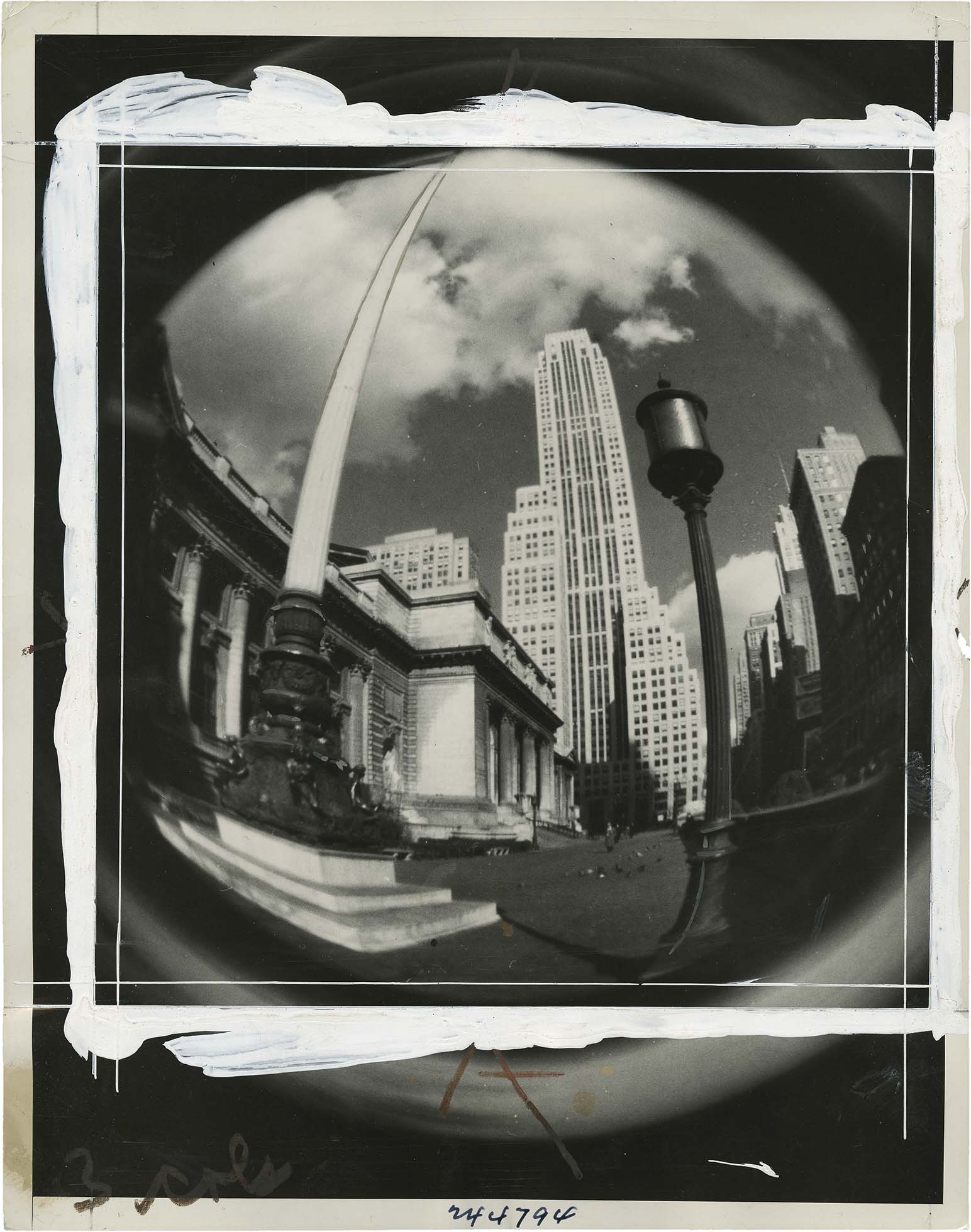
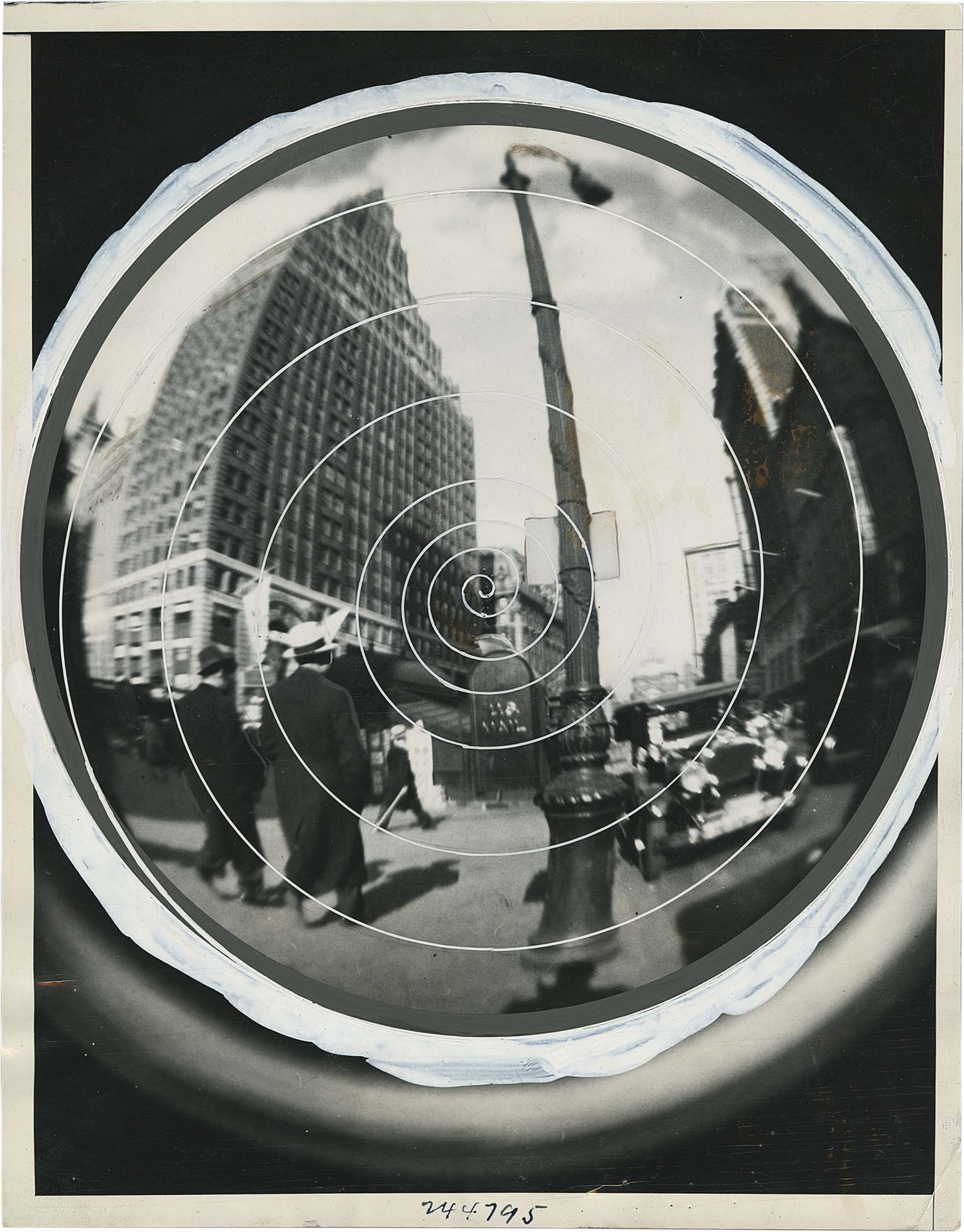
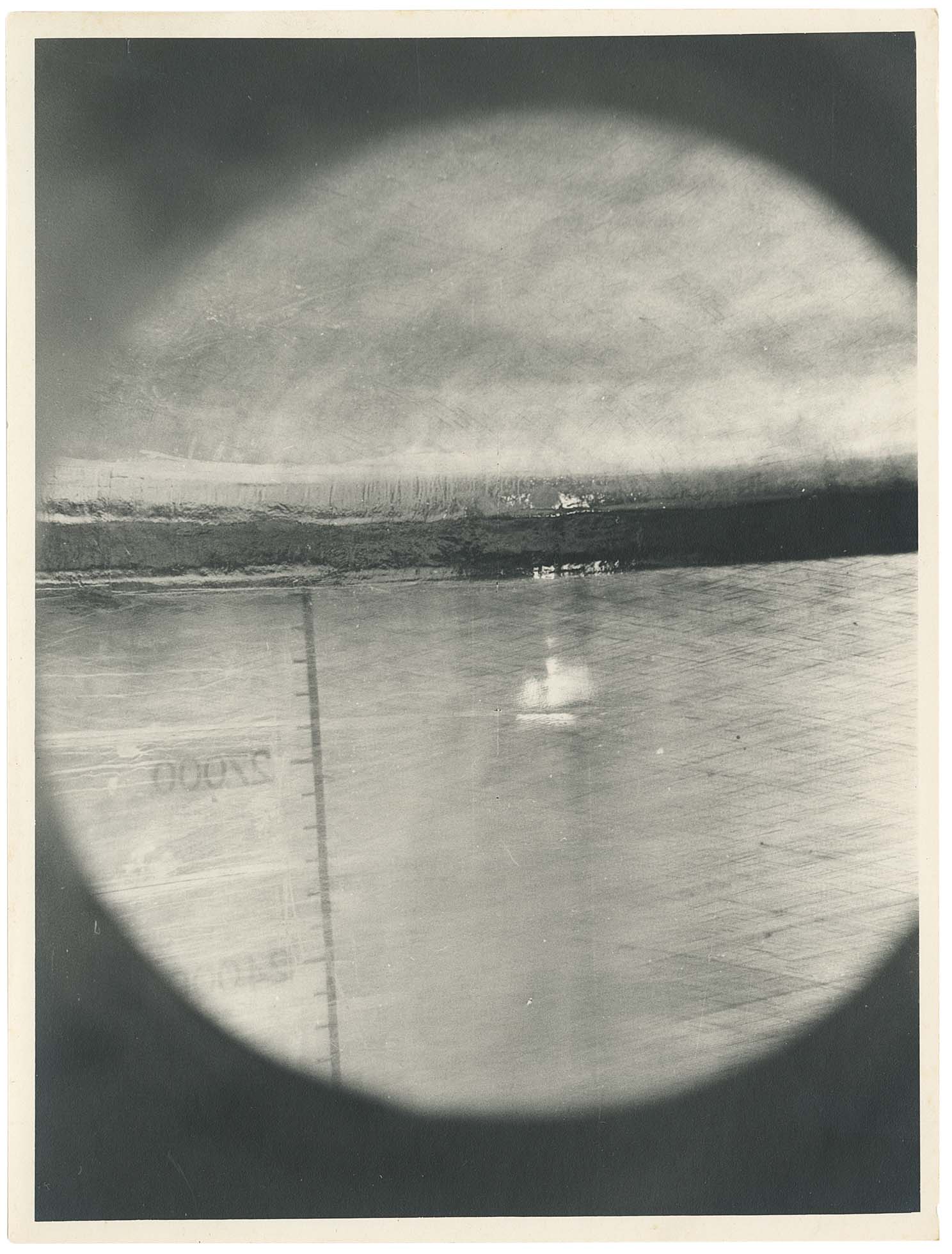
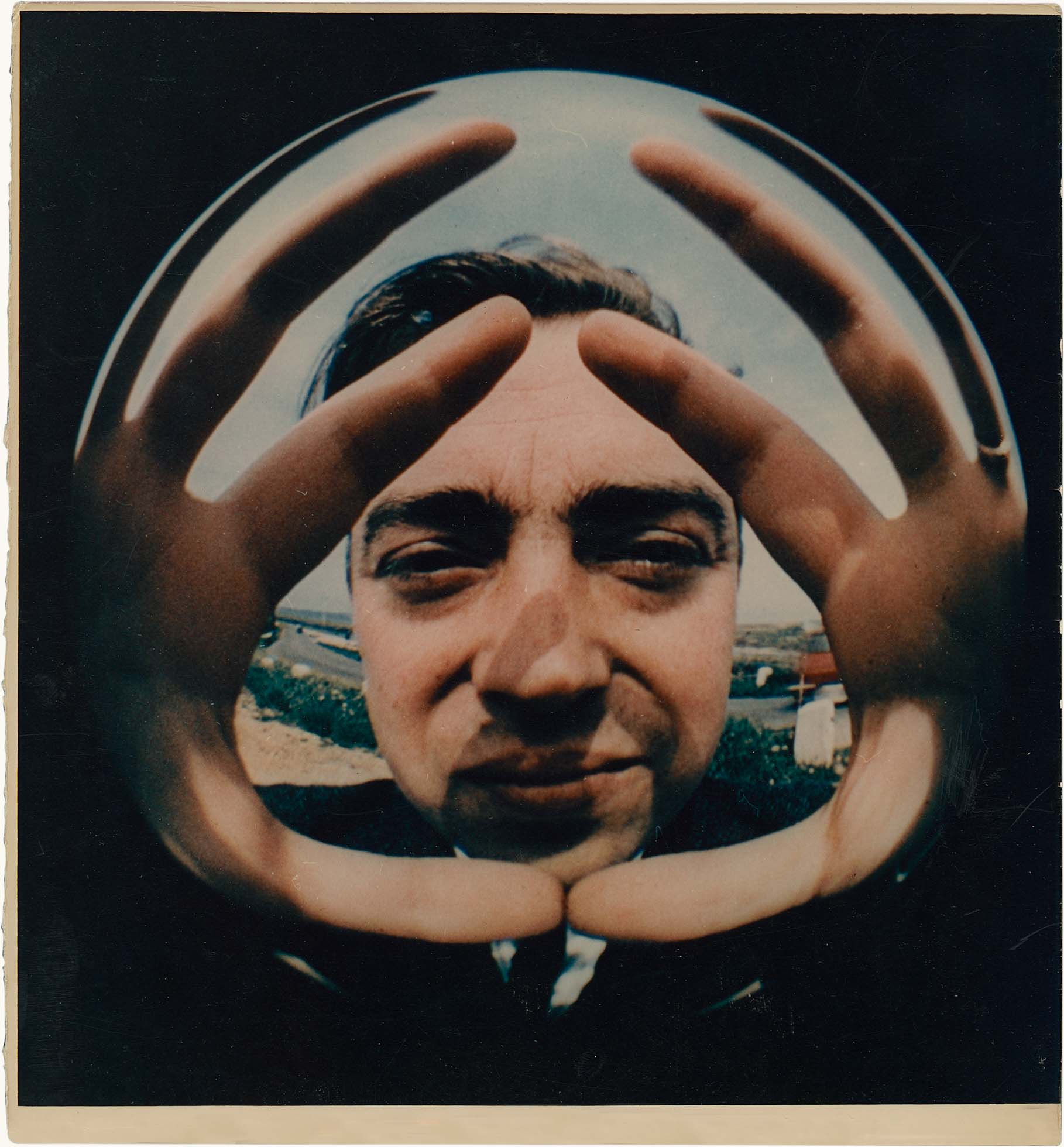
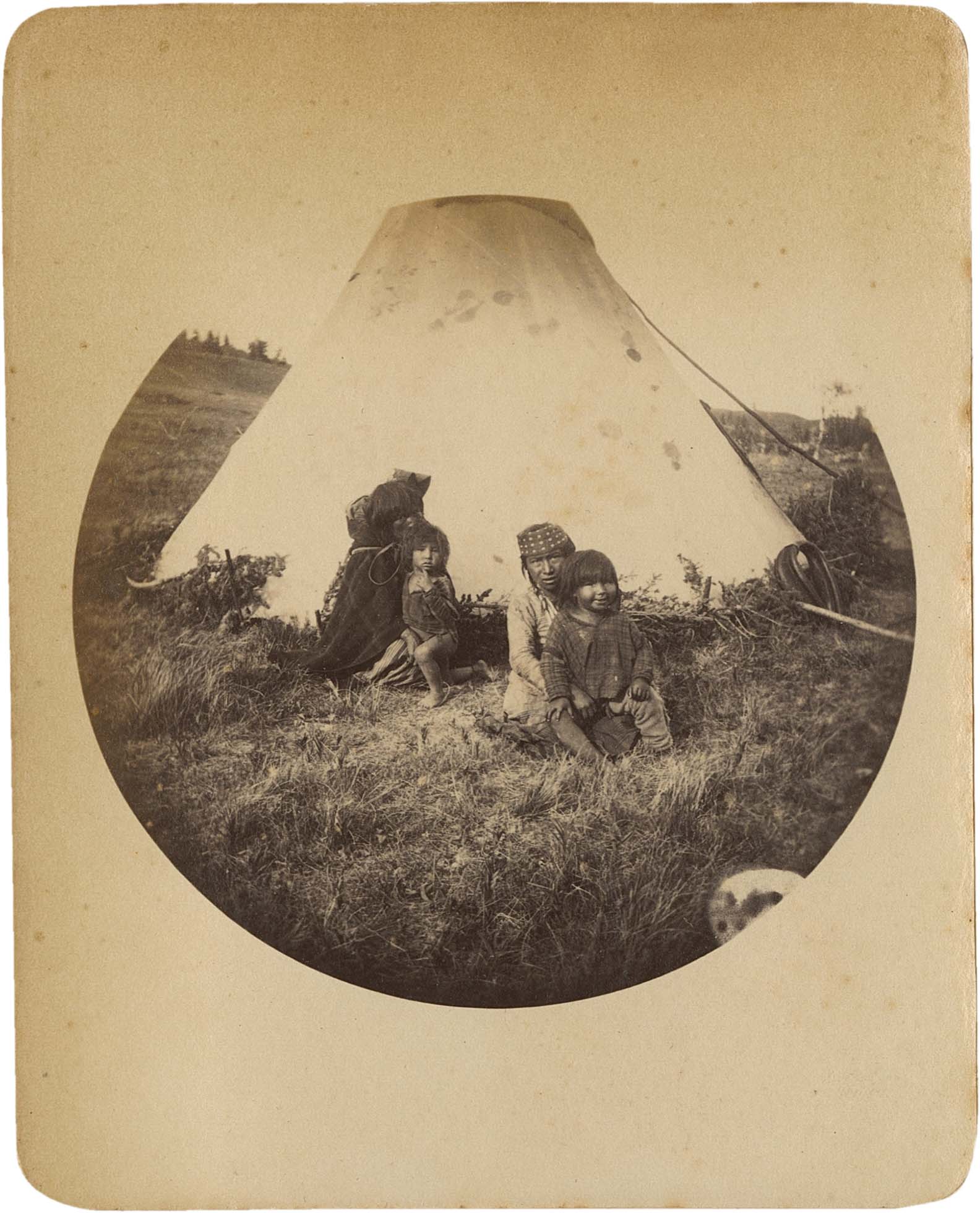




“Tondo” is available for purchase as a set. Price upon request. For further information please send an email to: contact@danielblau.com
This offer is noncommital. We cannot guarantee the set is still available on request.
Other Diversions
The Globe Shakespeare Leonardo Da Vinci - The Vitruvian Man Albrecht Dürer - The Virgin and Child Crowned by Two Angels above a Landscape The Rotating Discs of Marcel Duchamp Vasily Kandinsky: Around the Circle Video: Vasily Kandinsky “Around the Circle” Movie Trailer “Vertigo” by Alfred Hitchcock Jules Verne - Around the World in Eighty Day 19th Century Street Photography With a Spy Camera The Guardian - In the round: centuries of circular design – in pictures The Met Museum - Kodak and the Rise of Amateur Photography Tate - Damien Hirst “Round” Uffizi Museum - Holy Family, known as the “Doni Tondo”
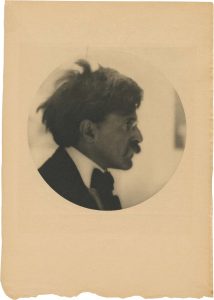
“Alfred Stieglitz”, 1908,
photogravure, printed in 1908,
15,9 (30,0) x 15,9 (21,0) cm, © Daniel Blau, Munich

Birds have been revered in many cultures throughout history
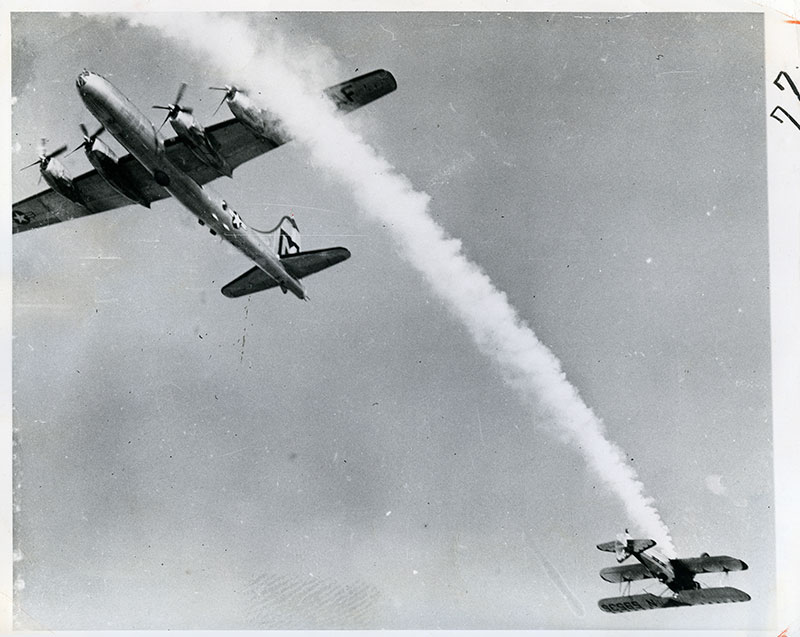
Birds or “Der Traum vom Fliegen”
Humans across the ages have dreamed of flight, inspired by the movements of birds and the passage of clouds. The history of aviation goes back more than two thousand years – to early kite flying in China that can be traced to several hundred years BC. The tradition of flying a kite spread around the globe and is considered to be the earliest form of human flight. Kites represent a meeting place of man and elements, similar to the way in which sailboats harness the power of the wind to propel their motion.
In the 15th century, Leonardo da Vinci’s fascination with flight accompanied him from his youth throughout his entire life. He was devoted to finding ways to allow man to fly, making numerous studies and observations of birds, analysing their flight technique and the structure of their wings.
He created countless sketches, drawings and models in the attempt to create a flying machine that could be propelled by a human, but he came to understand that a solitary person wouldn’t be capable of producing enough energy to move the wings, so another form of mechanical flight would be necessary.
The first hot air balloon flights took place in the 18th century, a time of rapid developments and discoveries that contributed to our understanding of aerodynamics. Balloons were also deployed for military purposes from the end of the 18th century. From the earliest days of aviation, flight has been associated with both adventure and war. The dream of flight led to modern aeronautics, with the Wright brothers’ first successful aeroplane flight in 1903.
This swiftly led to record-breaking moments in history and technological innovations that played a huge role in the conflicts and connections that have shaped our contemporary world.
Birds have been revered in many cultures throughout history
Around the world, birds have been revered and considered symbols of life, death and fate. They have appeared in folklore and popular culture, from prehistoric cave paintings to national flags. They’ve been the focus of superstition, myth and worship in many indigenous cultures and were regarded as expressions of God in early African and Egyptian cultures.
As a theme they have inspired many artists, manifesting as motifs and signs.
Birds have represented freedom, pride, the afterlife. They have been portrayed as mystical and mundane. They’ve made countless appearances in stories and films.
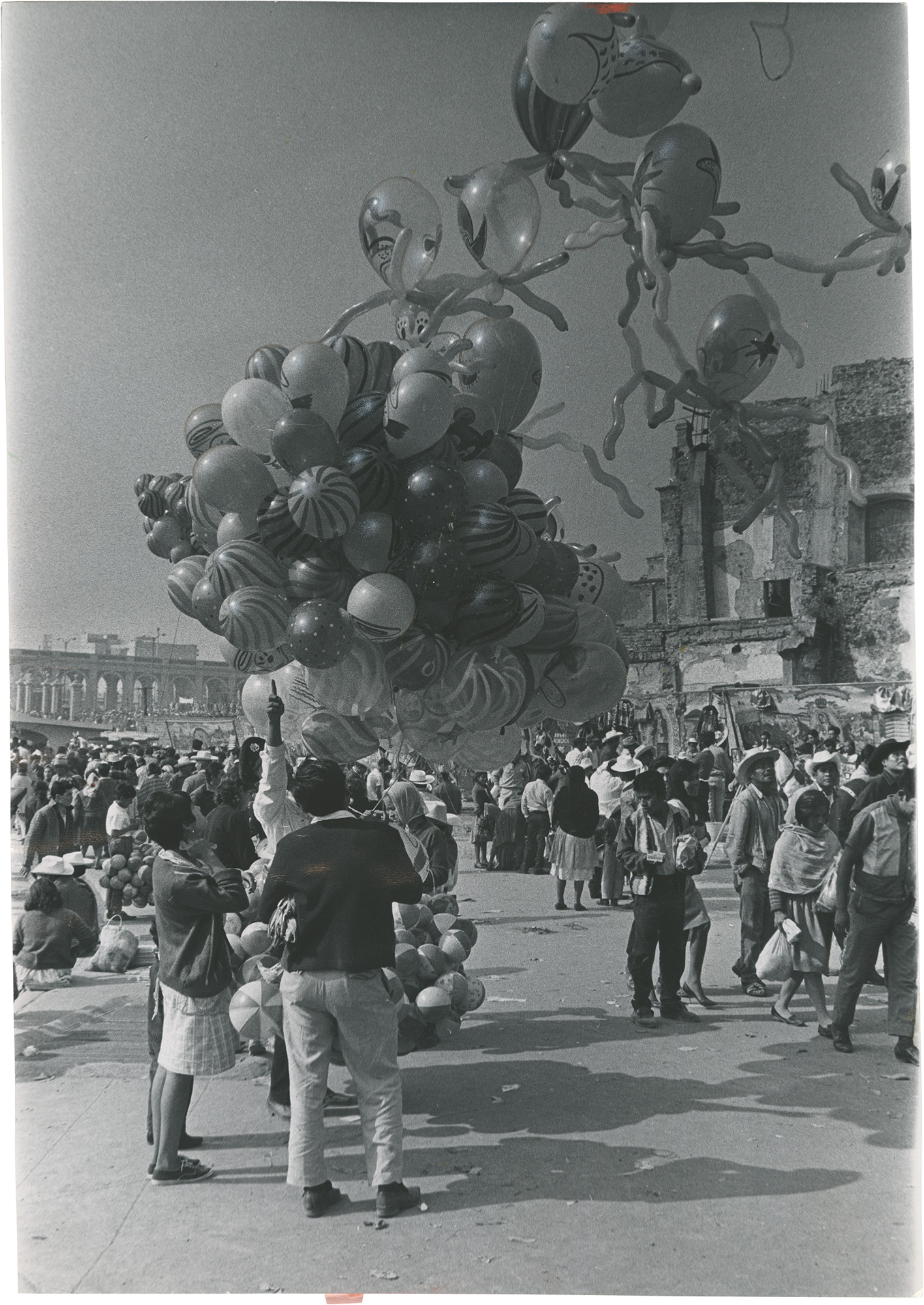
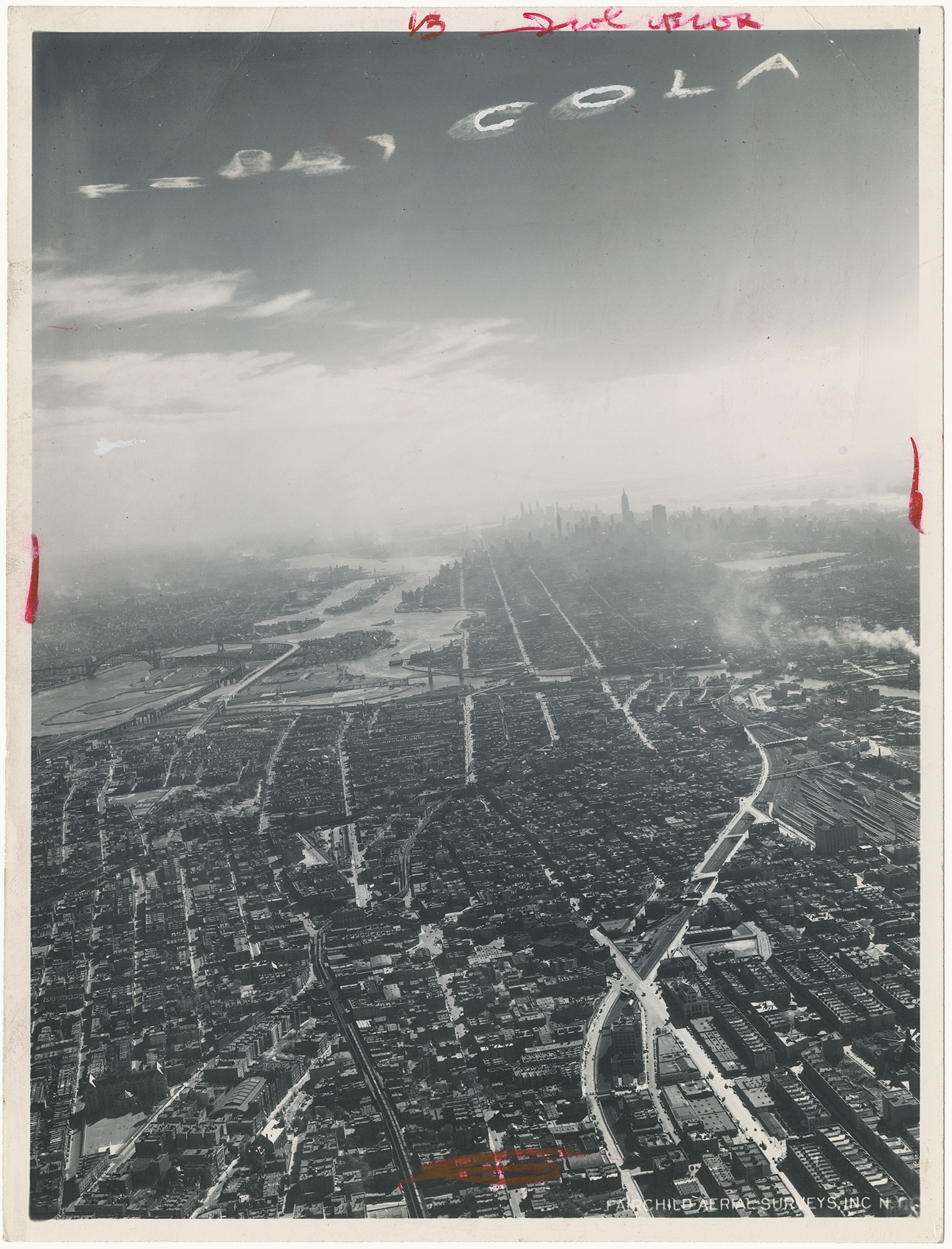
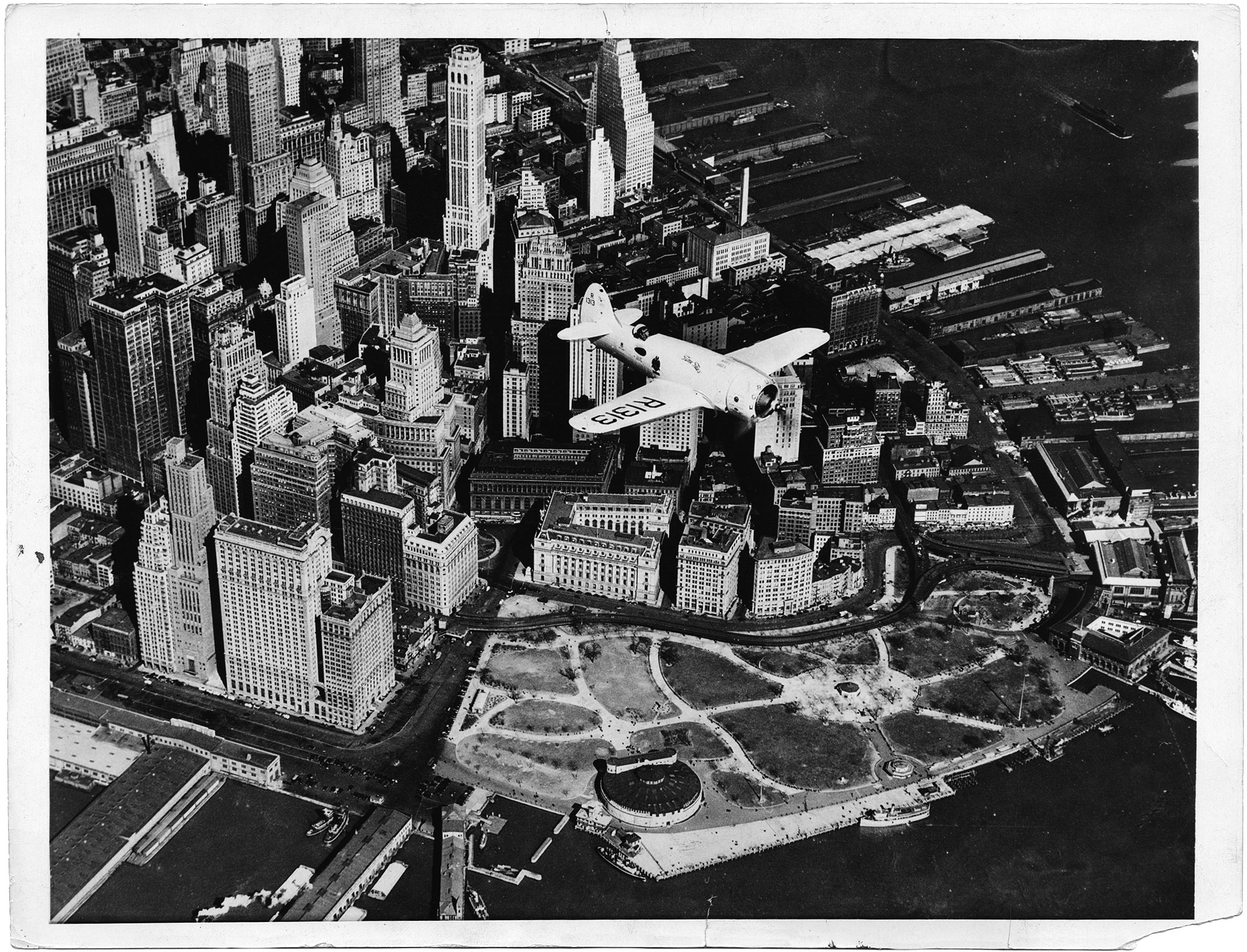
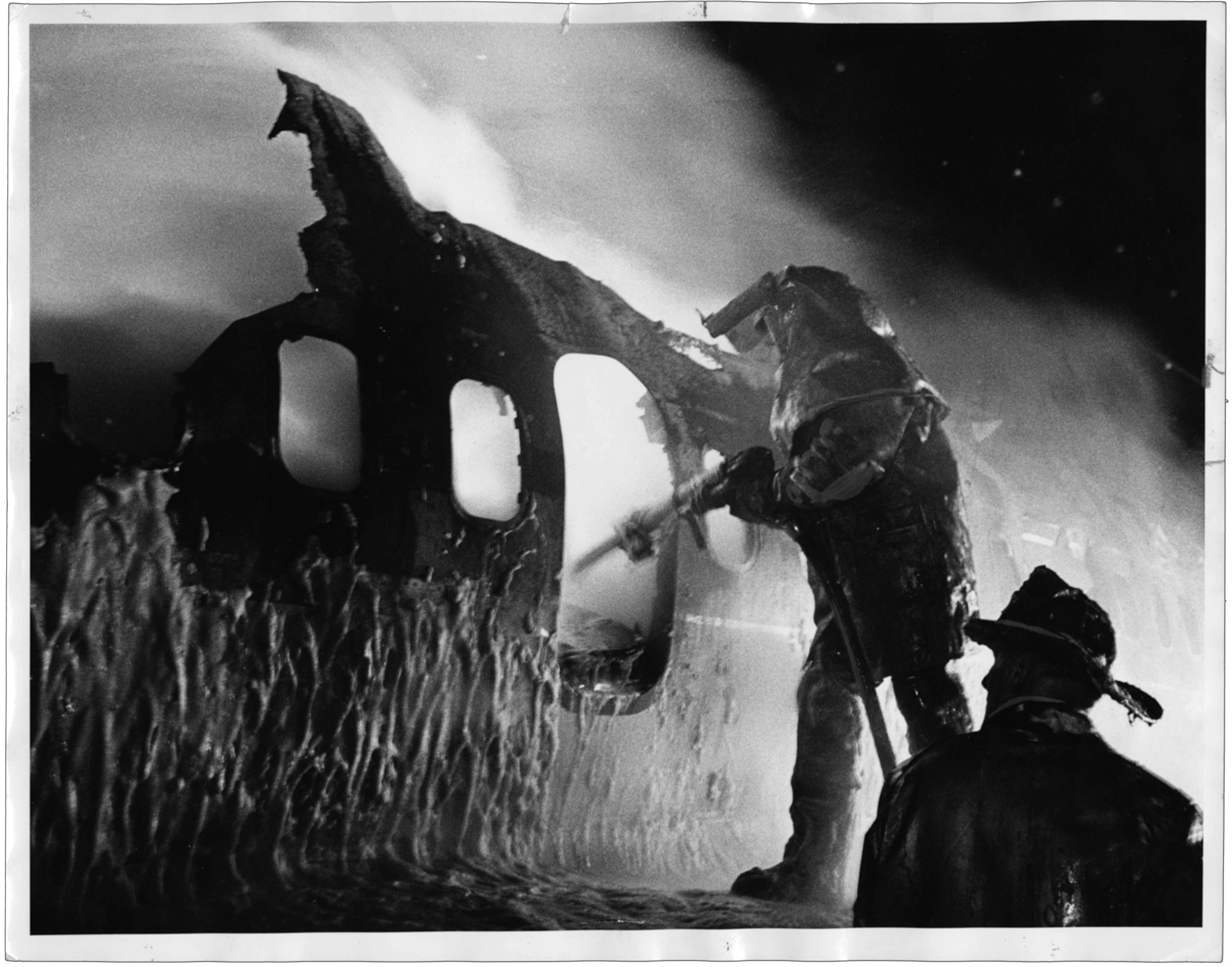

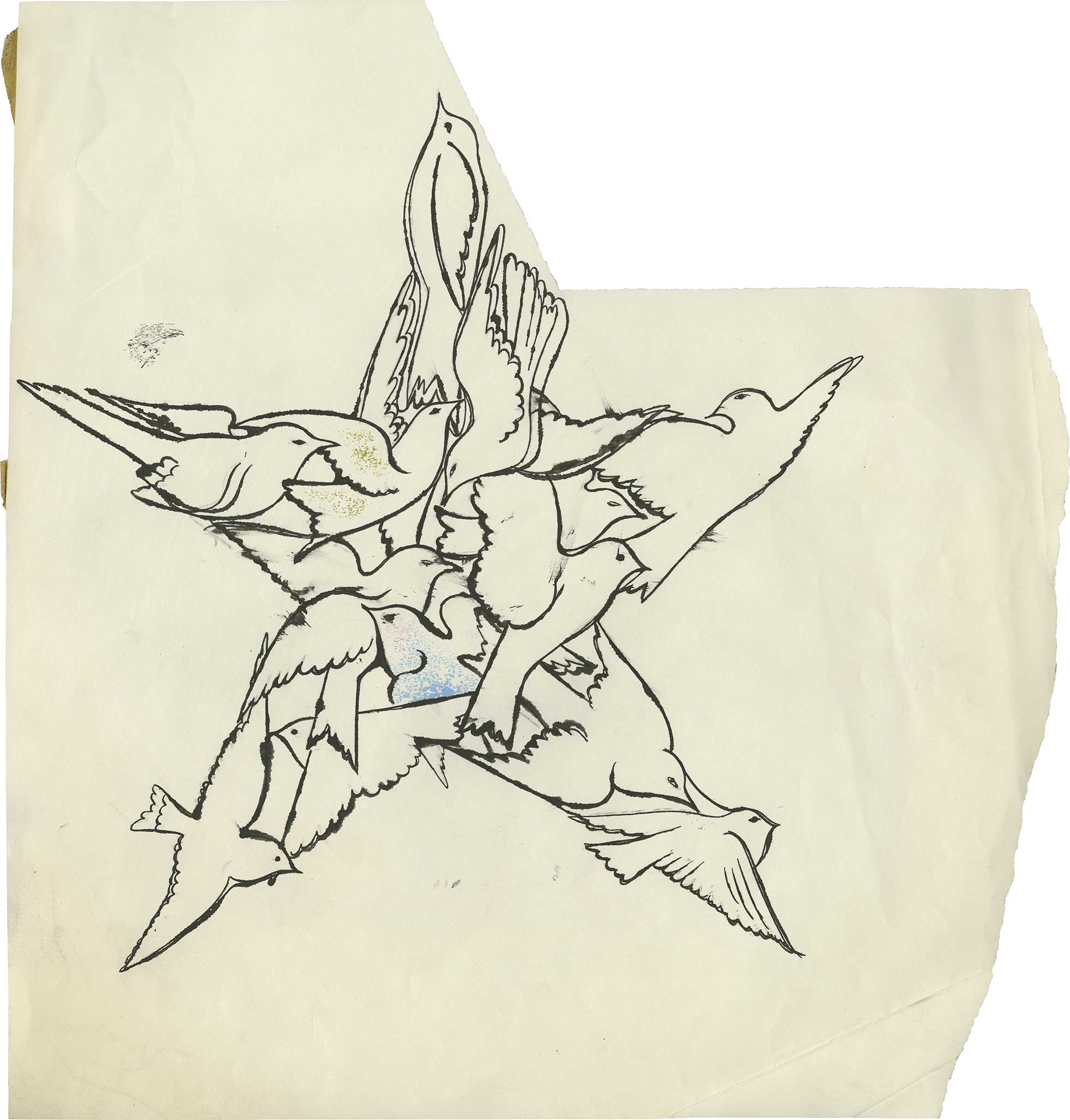
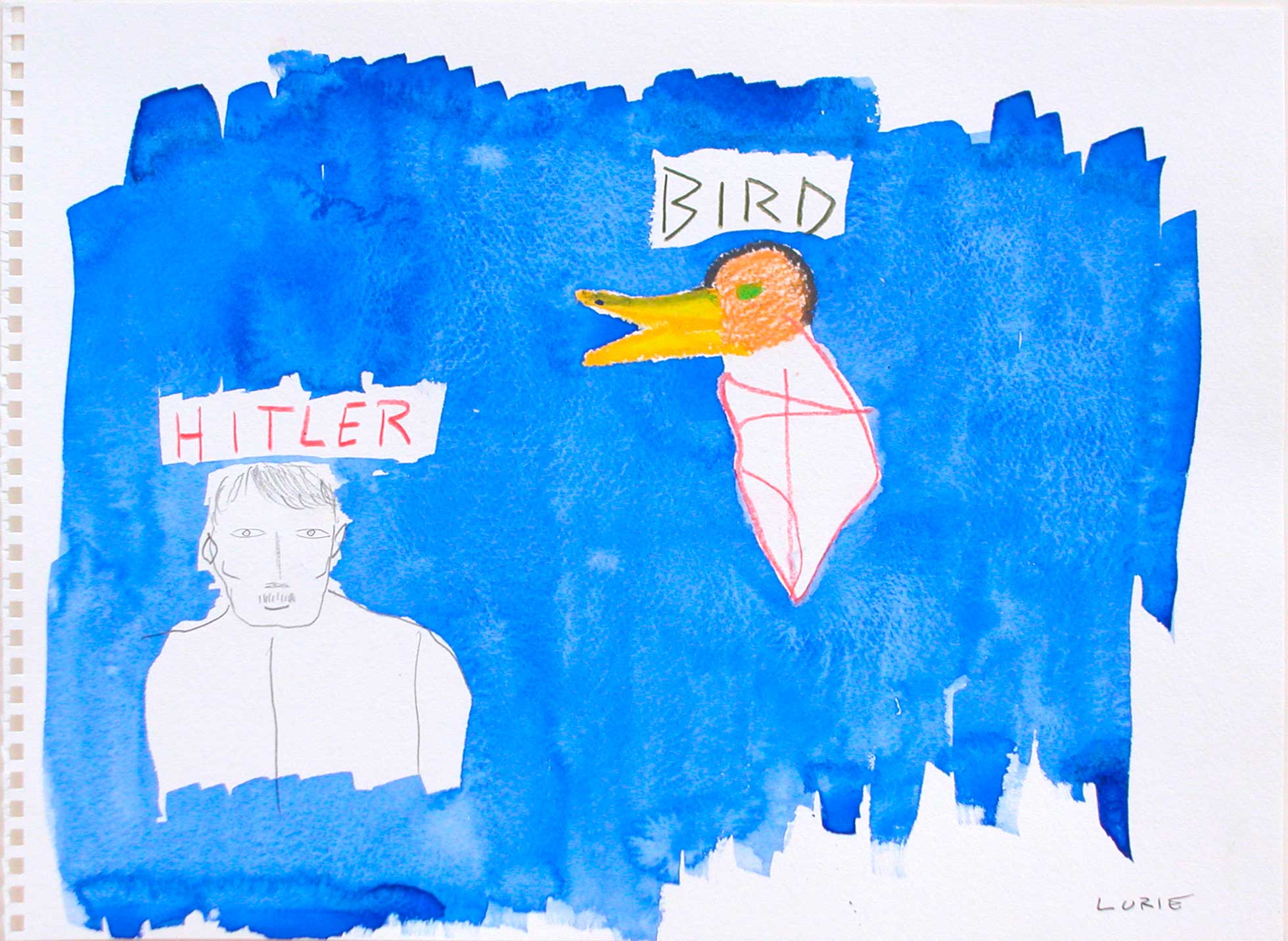
All photographs are available for purchase. Prices upon request. For further information please send an email to: contact@danielblau.com
All offers are noncommital. We cannot guarantee the items are still available on request.
Other Diversions
Die Zauberflöte Film 'The Maltese Falcon' „Surfin Bird“ by The Trashmen Bird Watching in Georgien Walther von der Vogelweide „Aphorismen“ Nationalapark Wattenmeer
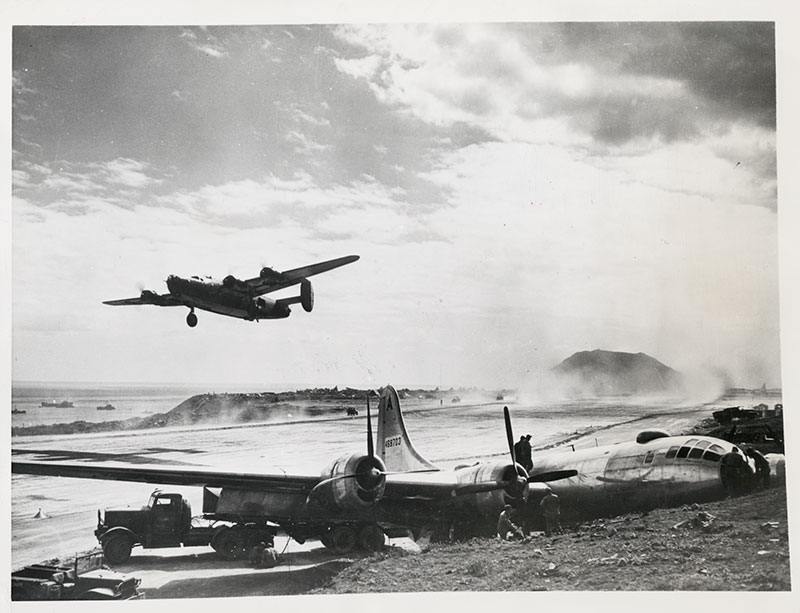
“Iwo Jima, Airfield Is Life-Saver for B-29´s”, March 31, 1945, ©W. Eugene Smith, courtesy Daniel Blau, Munich

Hortus Magicus
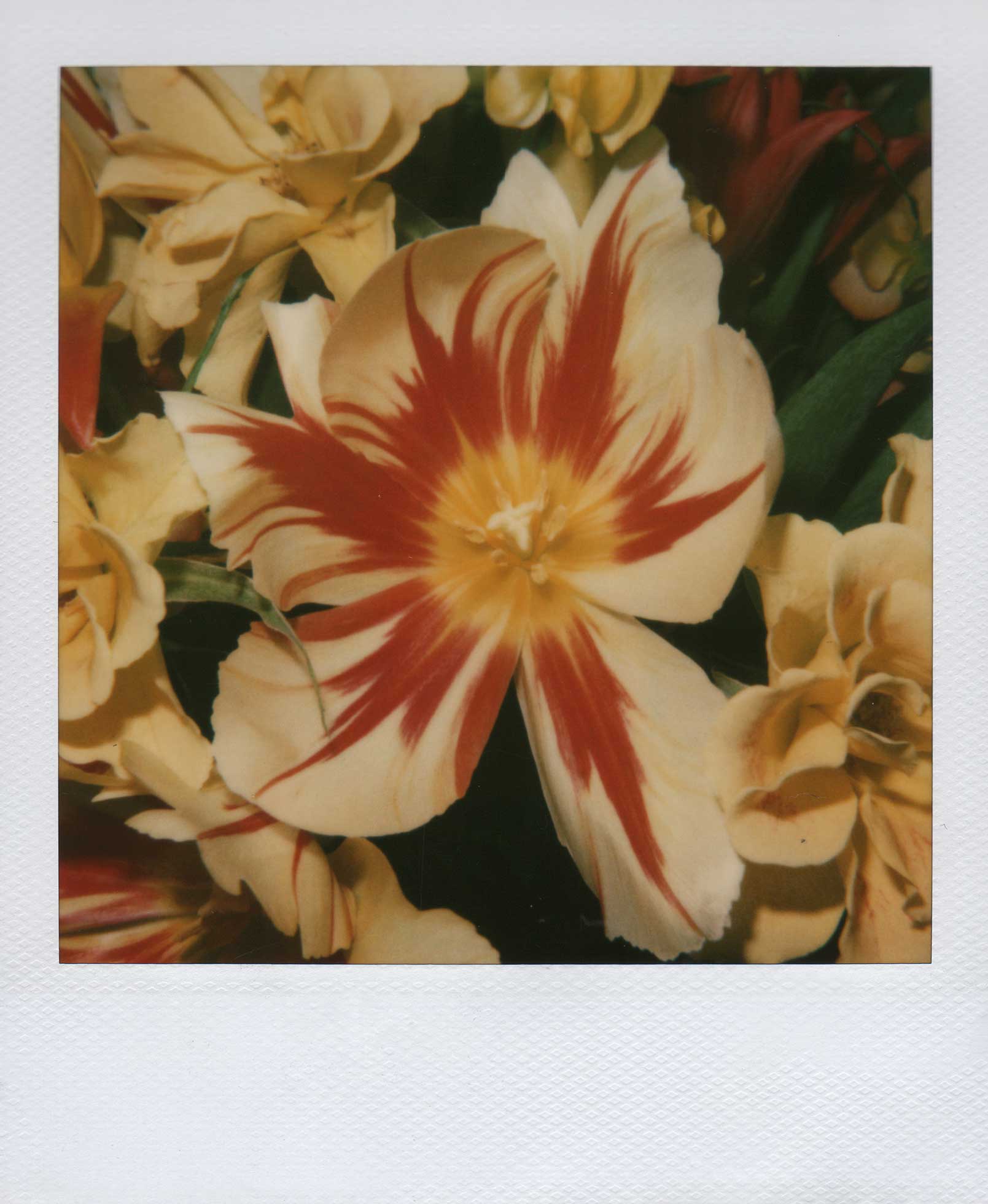
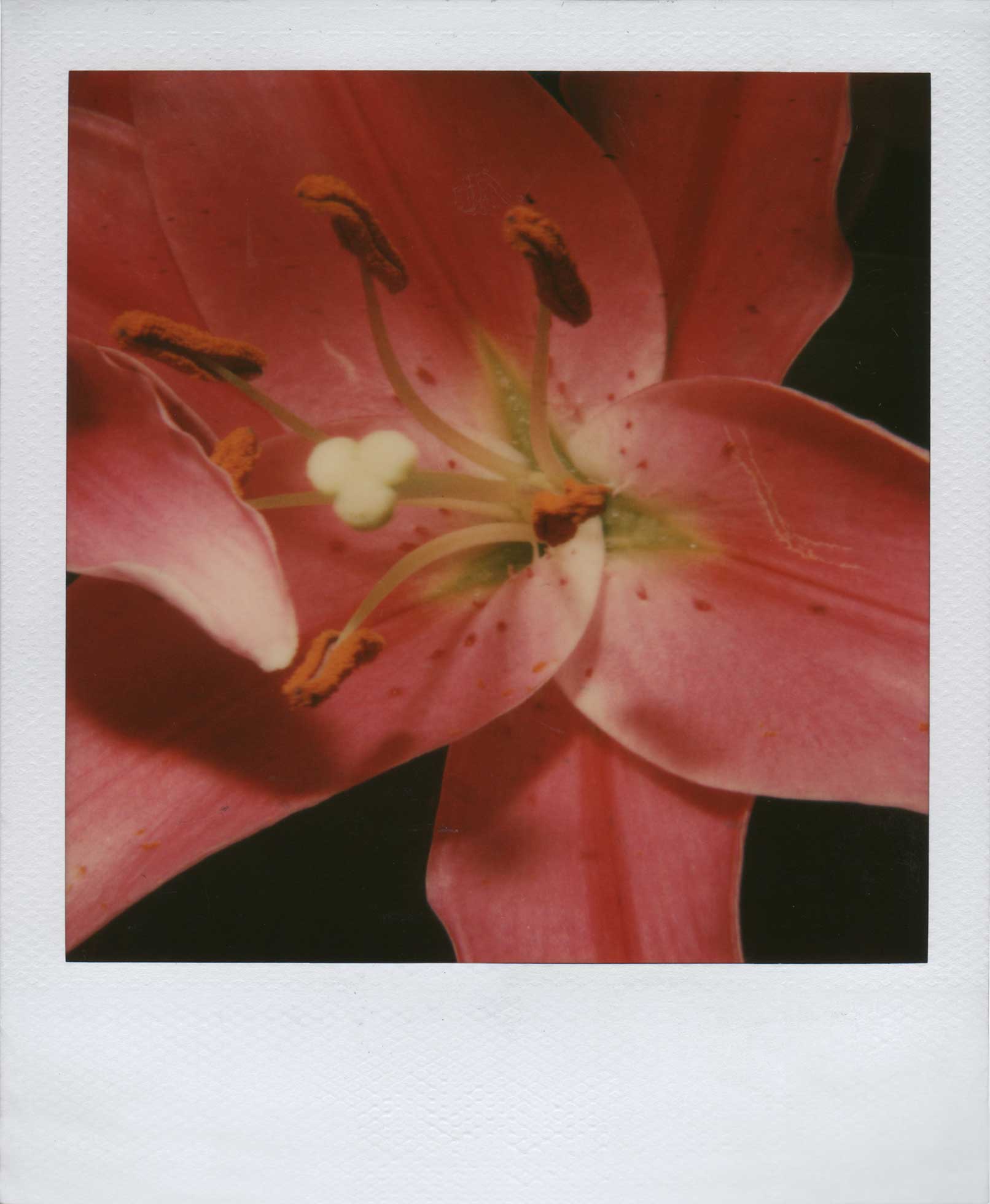
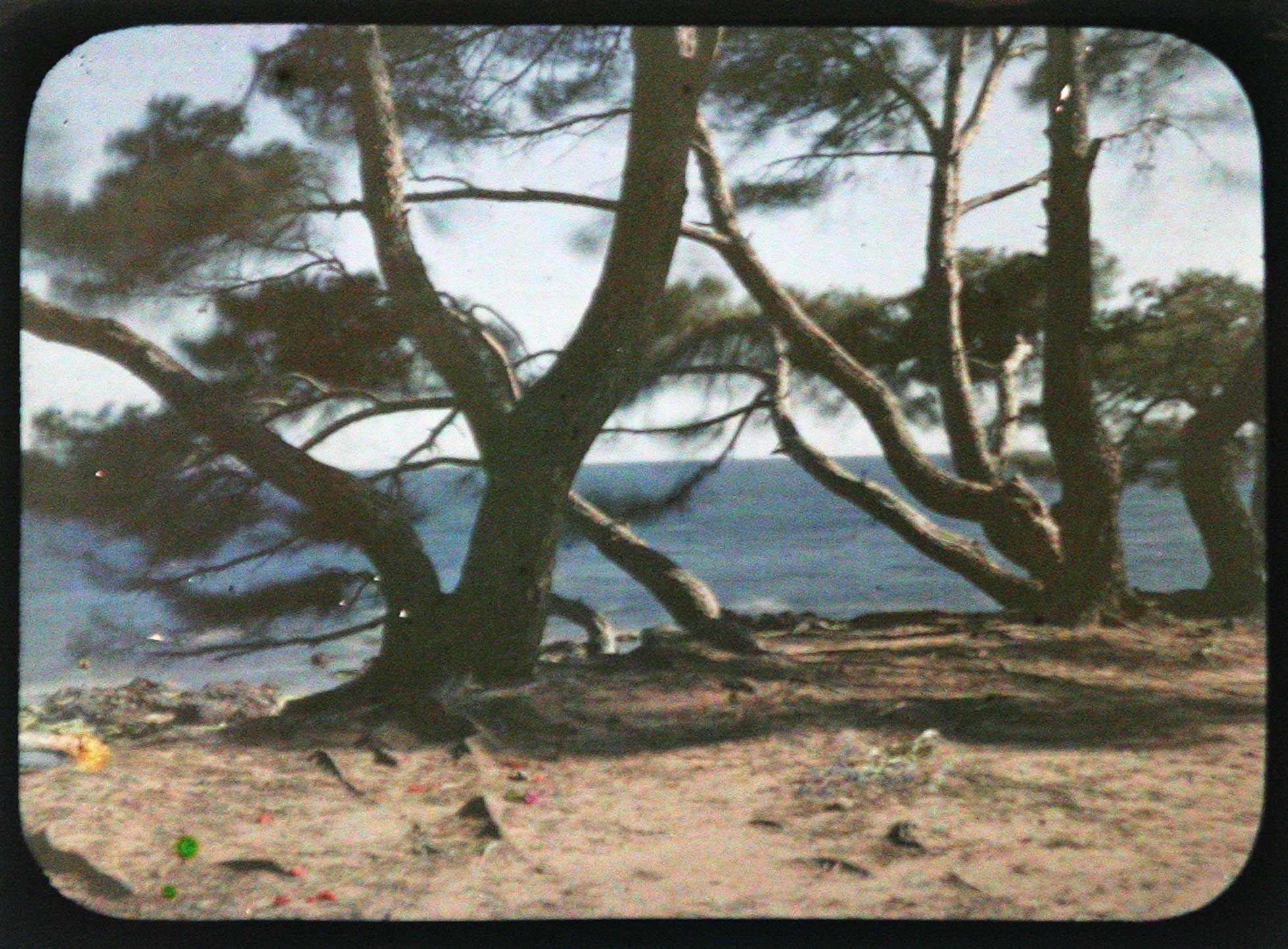
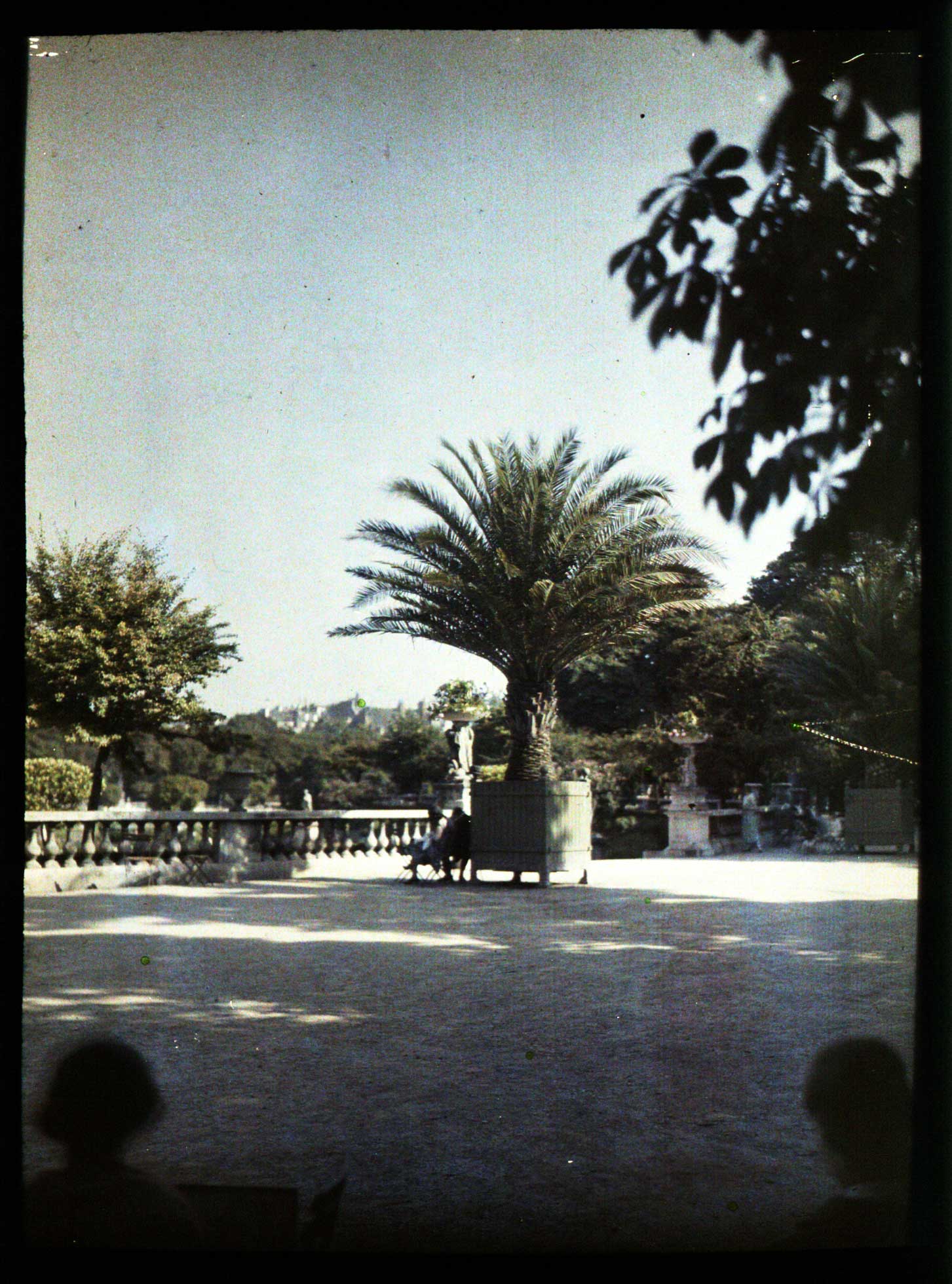
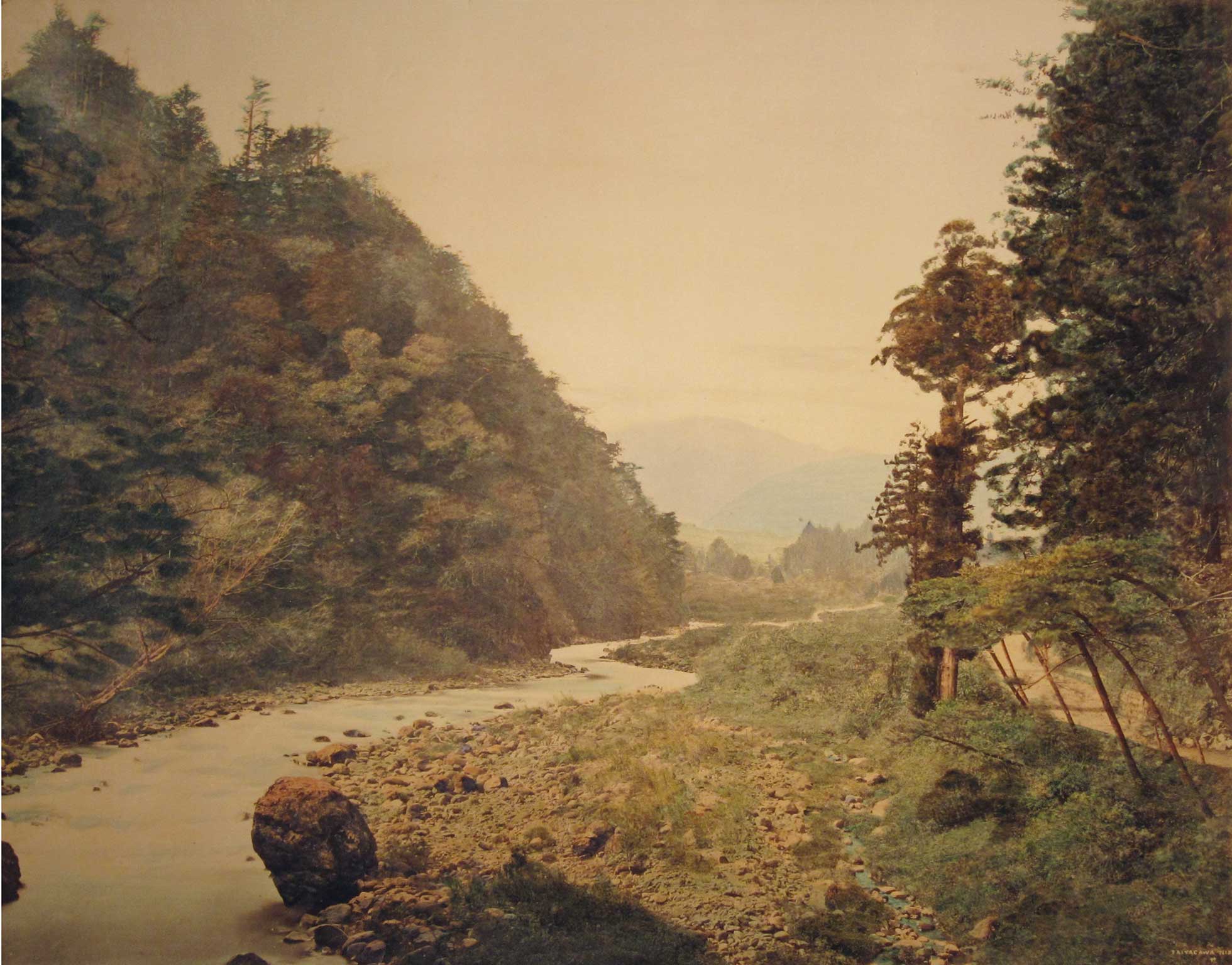
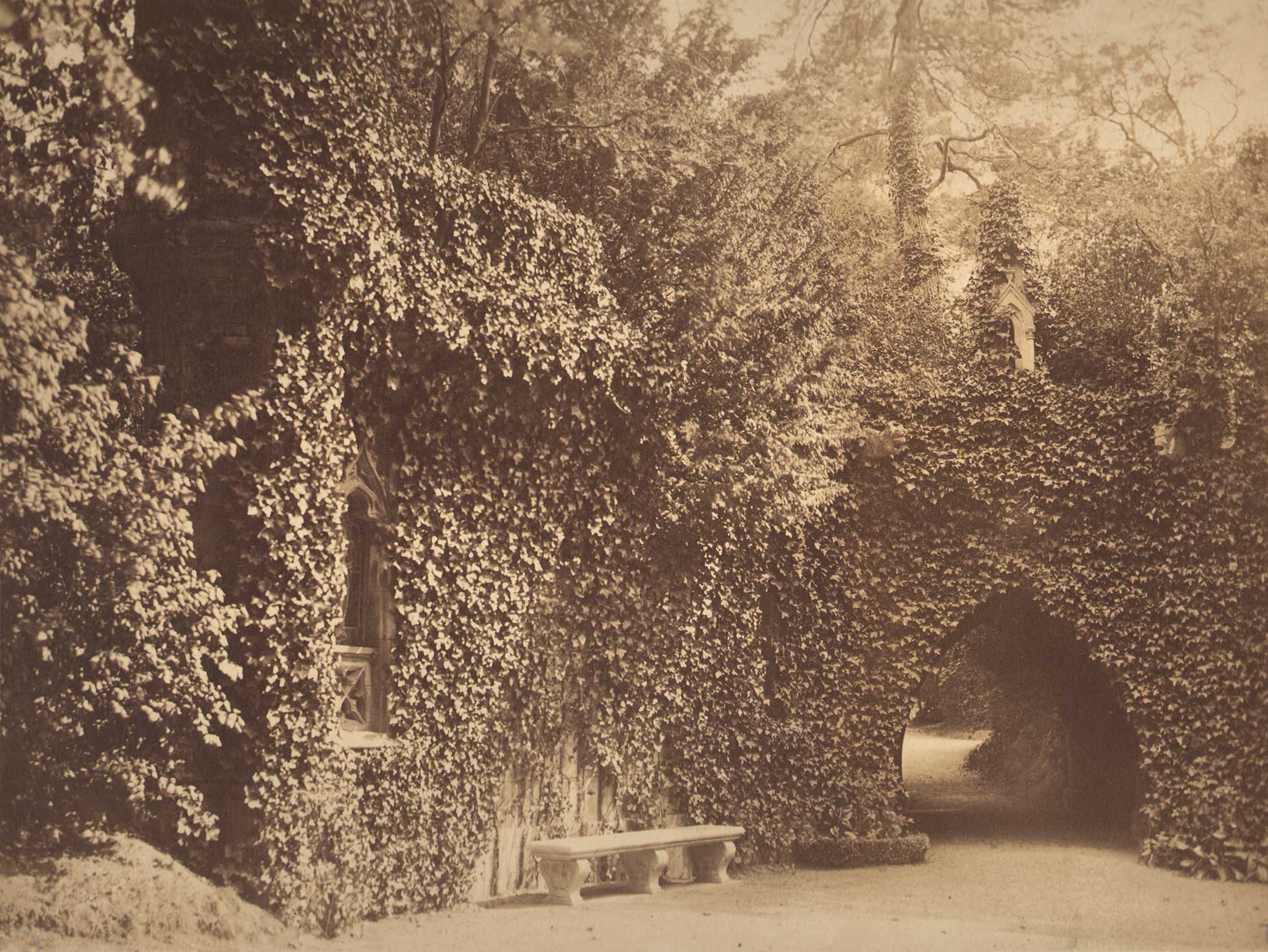
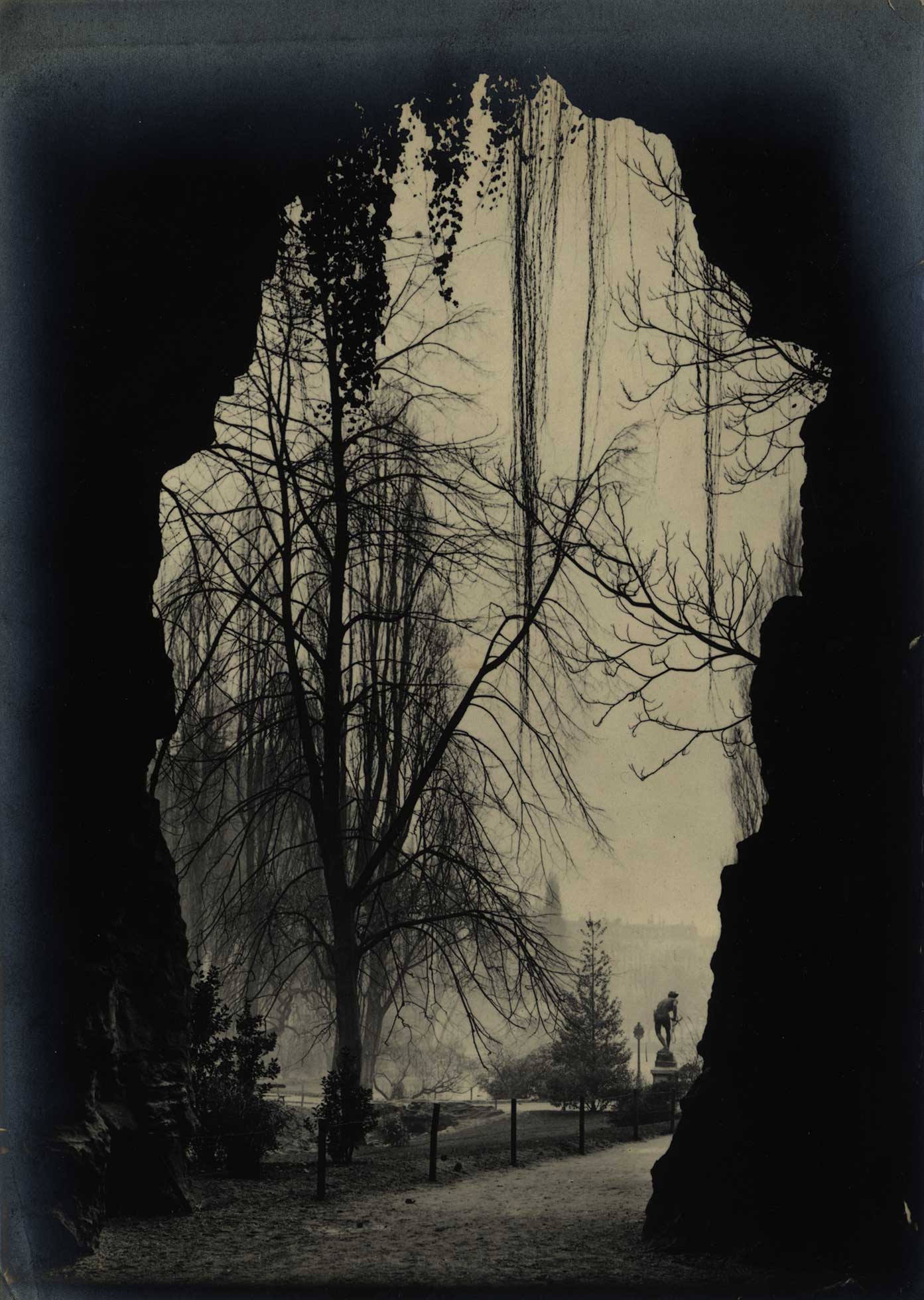
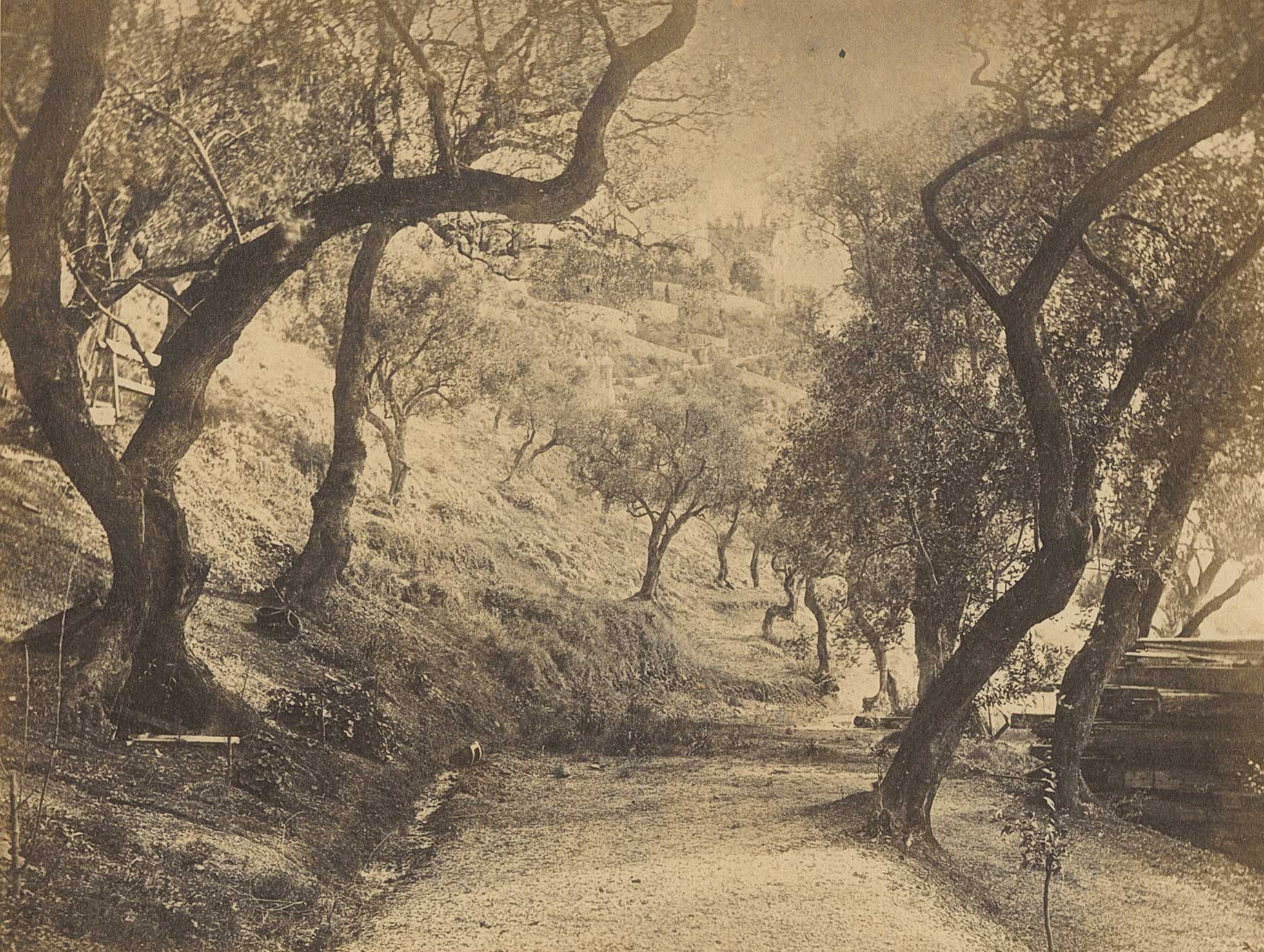
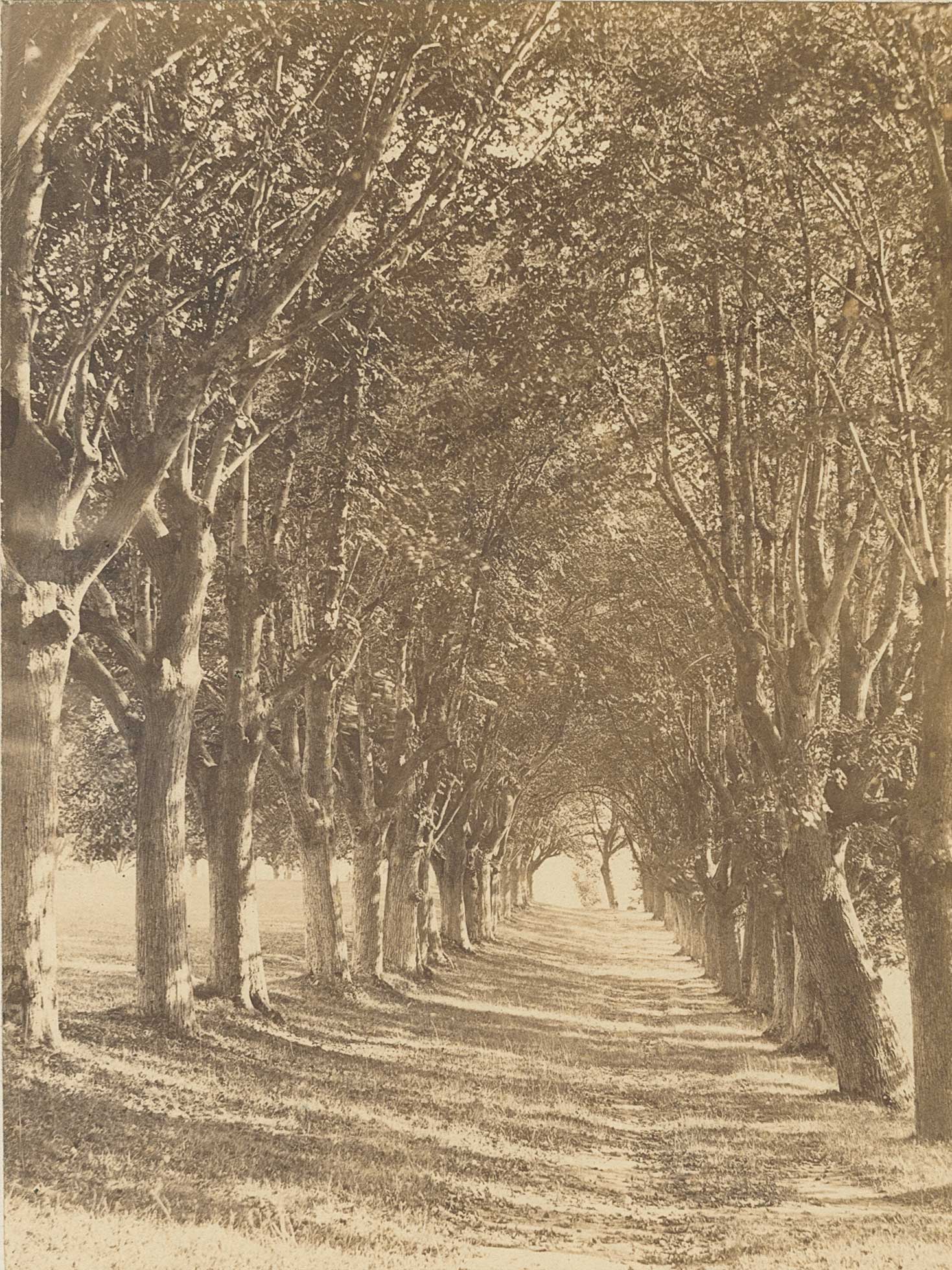
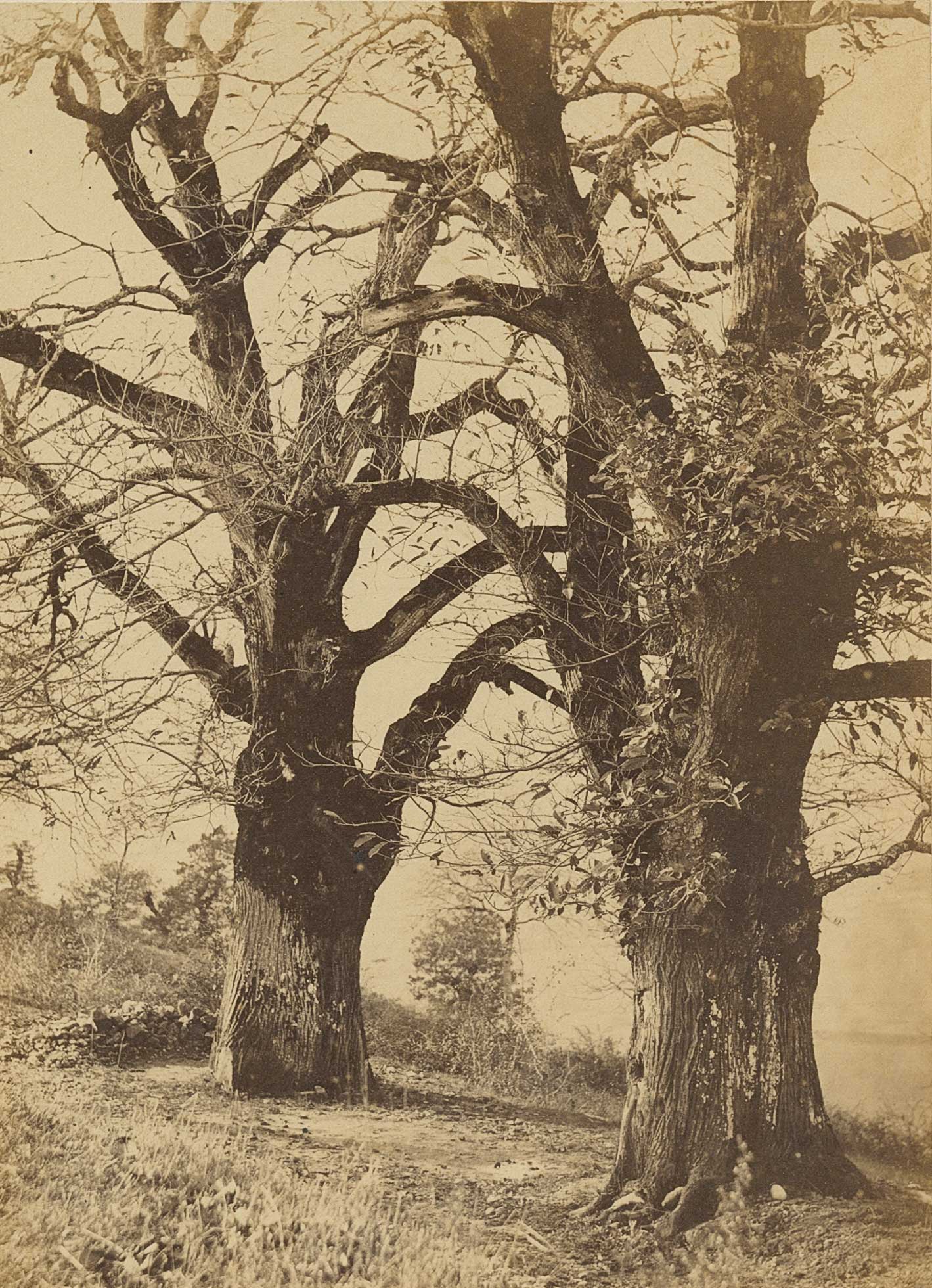
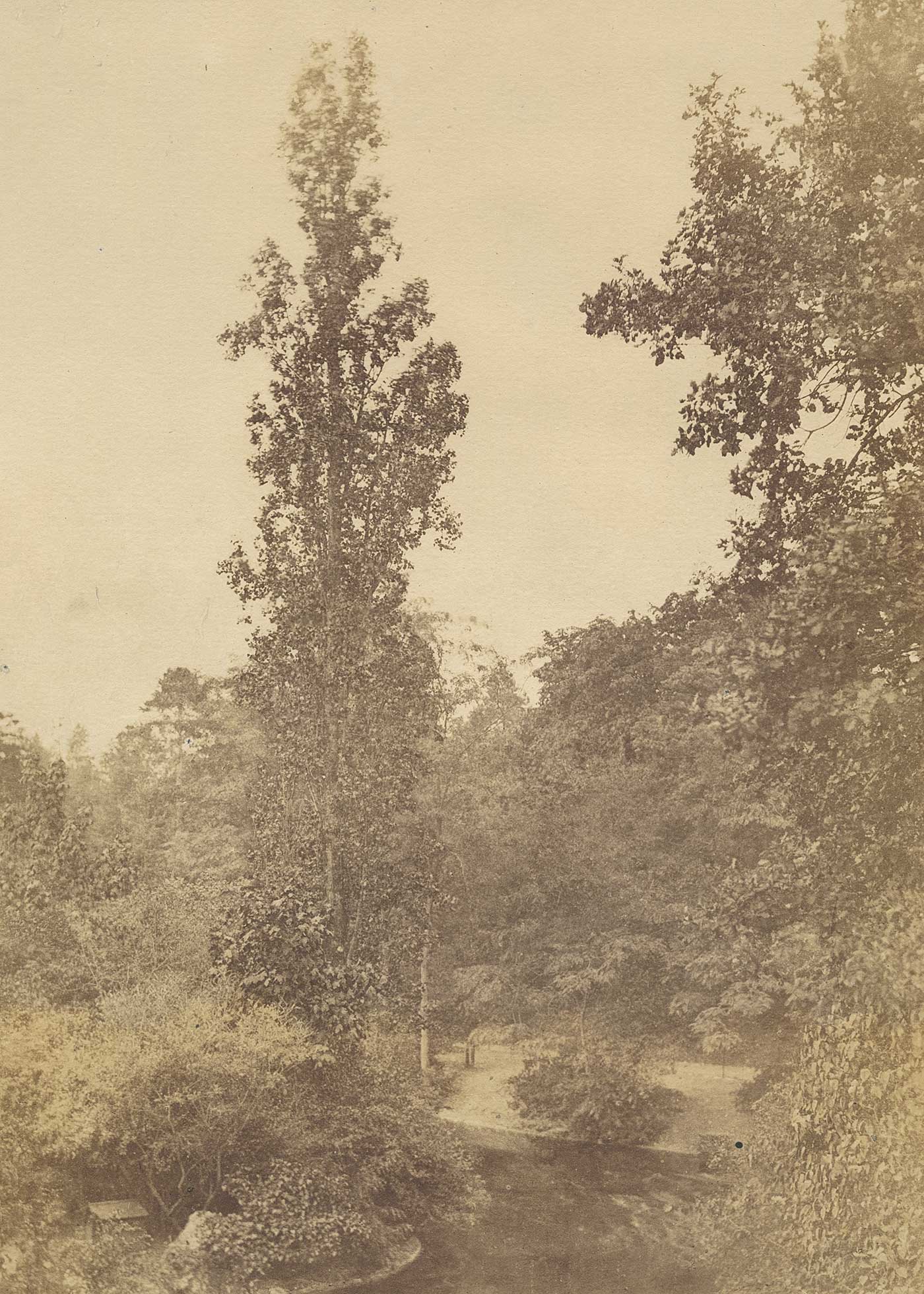
Hortus Magicus, the new studio exhibition from DANIEL BLAU, is devoted to one of artistic photography’s first true genres: landscape. From some of the earliest, often anonymous photographic studies, though monumental 20th-century travel scenes, to the famous flower Polaroids of Araki, Hortus Magicus brings together twenty-three outstanding photographic witnesses to the magic of nature and the enchanting simplicity of a lens turned to the unbuilt world.
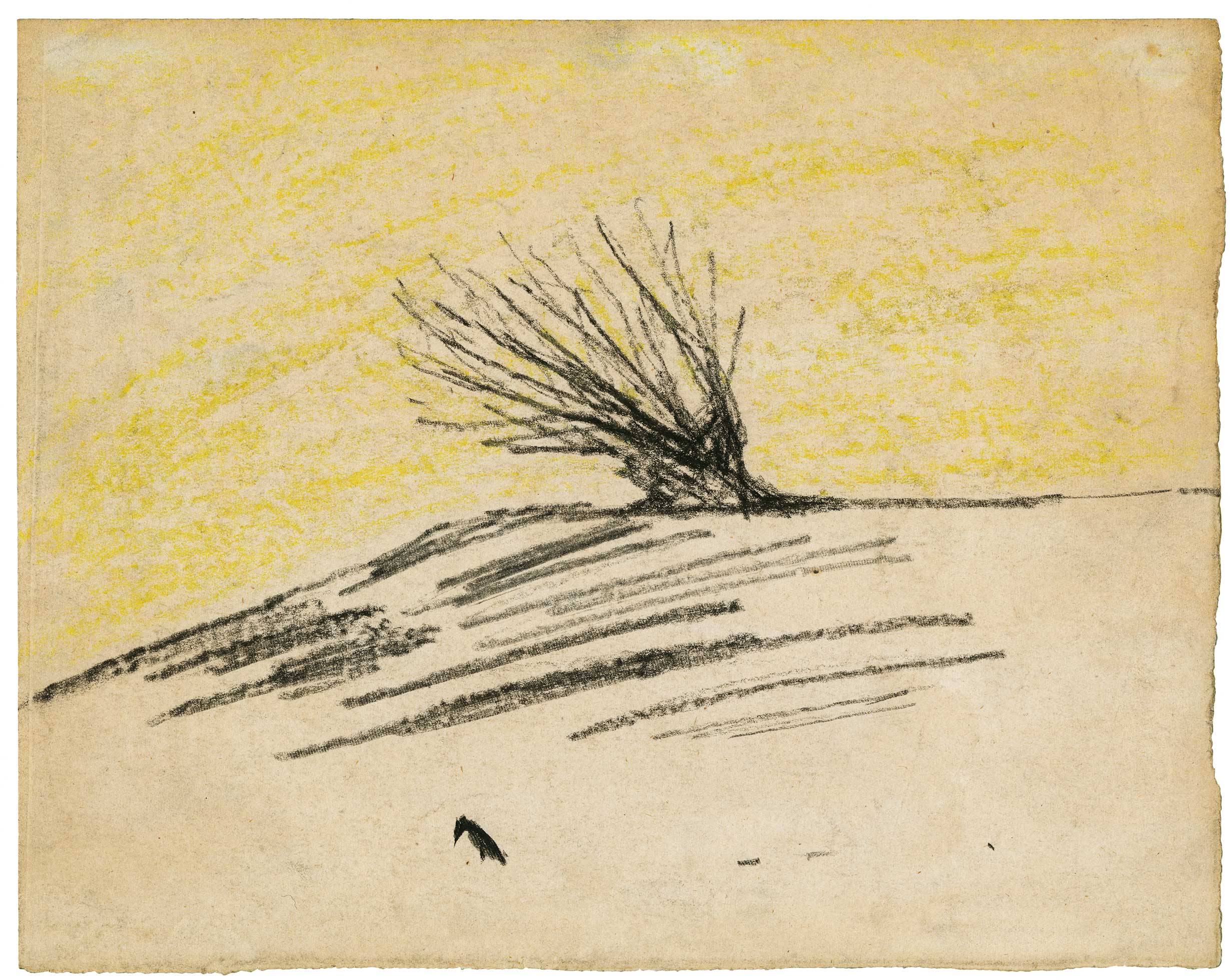
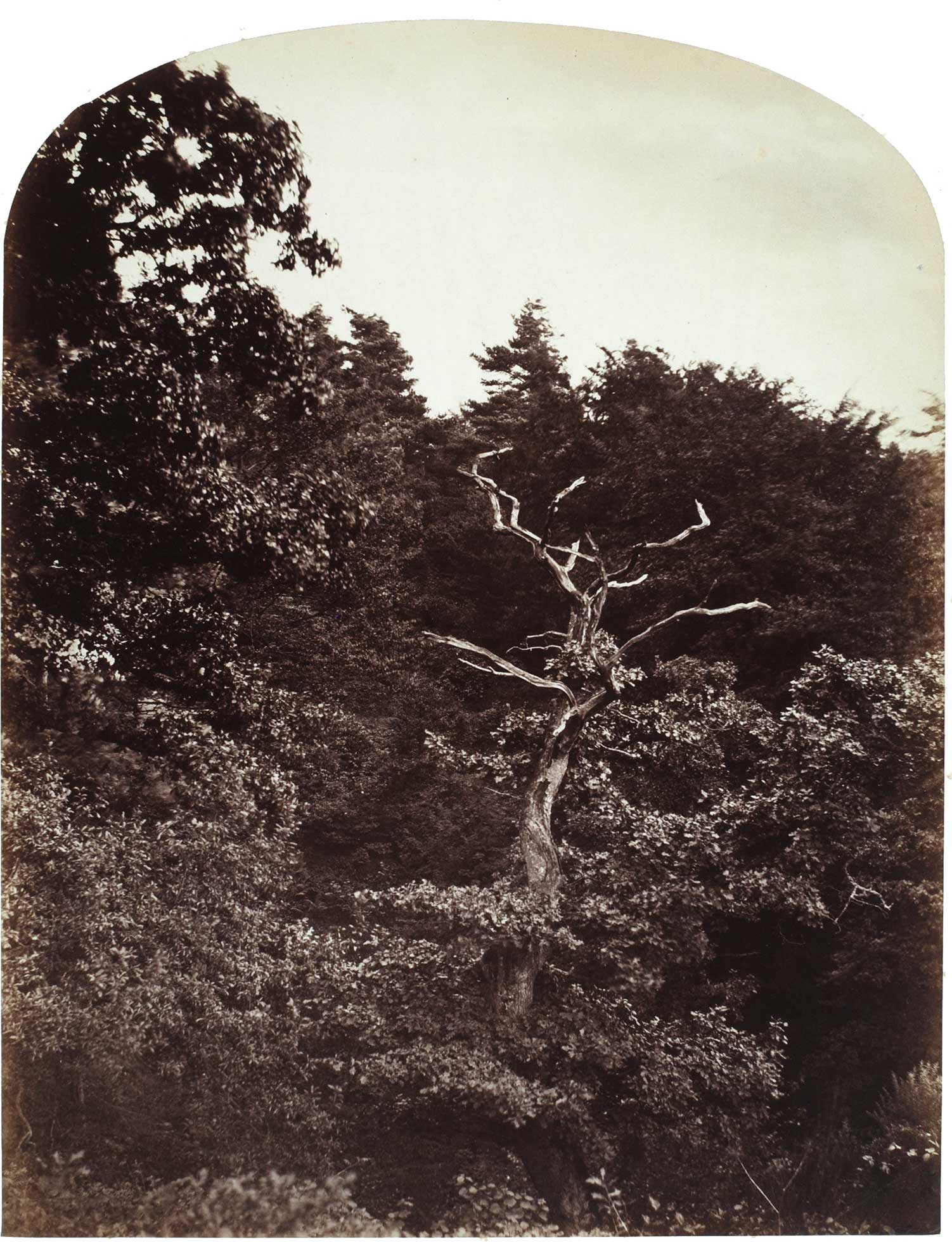
Emerging trends and tendencies in art photography of the mid-nineteenth century encouraged an exploration of and head-on engagement with new themes. The depiction of nature and landscape had, up until this point, remained largely reserved for the painter, but increased involvement with and interest in the world beyond ever-more industrializing cities opened a place among the arts that photography was perfectly positioned to fill. “Barbizon Tree Study,” by Charles Bodmer, illustrates this shift perfectly: the most essential elements of its design show a direct line and relationship back to techniques of landscape painting, to the immediate engagement with nature that define the teachings of the Barbizon school.
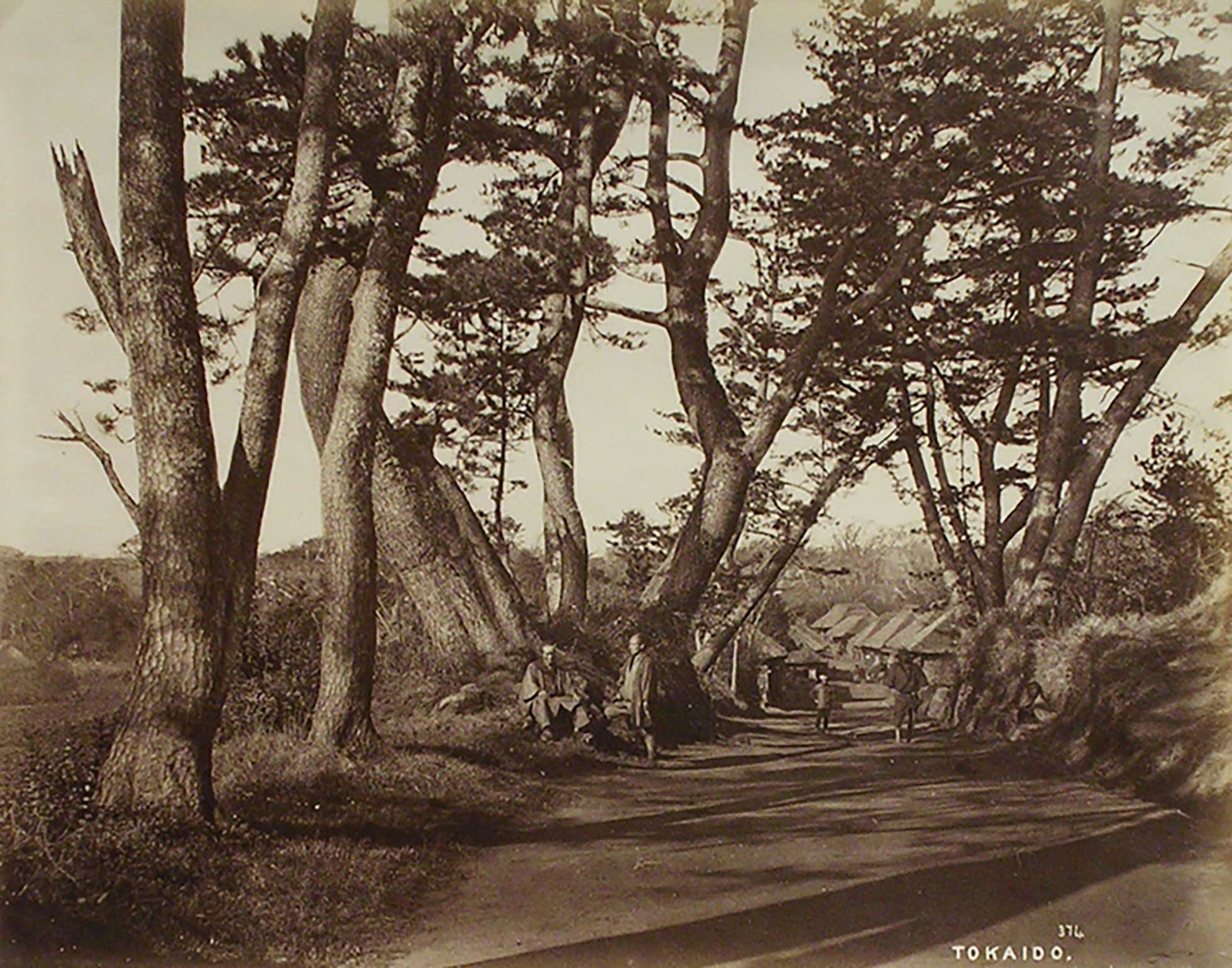
Especially impressive as testimonies to the mid-nineteenth century’s drive towards discovery are the two photographs that compromise Felice Beato’s “Tōkaidō Road.” At the time, photographs that felt truly ‘authentic’ were considered revolutionary: the difference between a photograph made in the studio and reworked and retouched there afterwards, and a photograph taken outdoors and left to speak for itself on its own merits, was clearly noticeable. Beato’s insistence on the later approach is what makes him today be considered among the first true documentary photographers. Japan exerted a particular fascination upon him. As the main connection between Kyoto, the imperial capital, and Edo (now Tokyo), the capital of the Tokugawa shoguns, the road known as Tōkaidō played an important role in the history, literature, and art of Japan. Beato’s photographs and accompanying captions explore the famous ancient highway through the lens of the living history and culture of Beato’s own time.
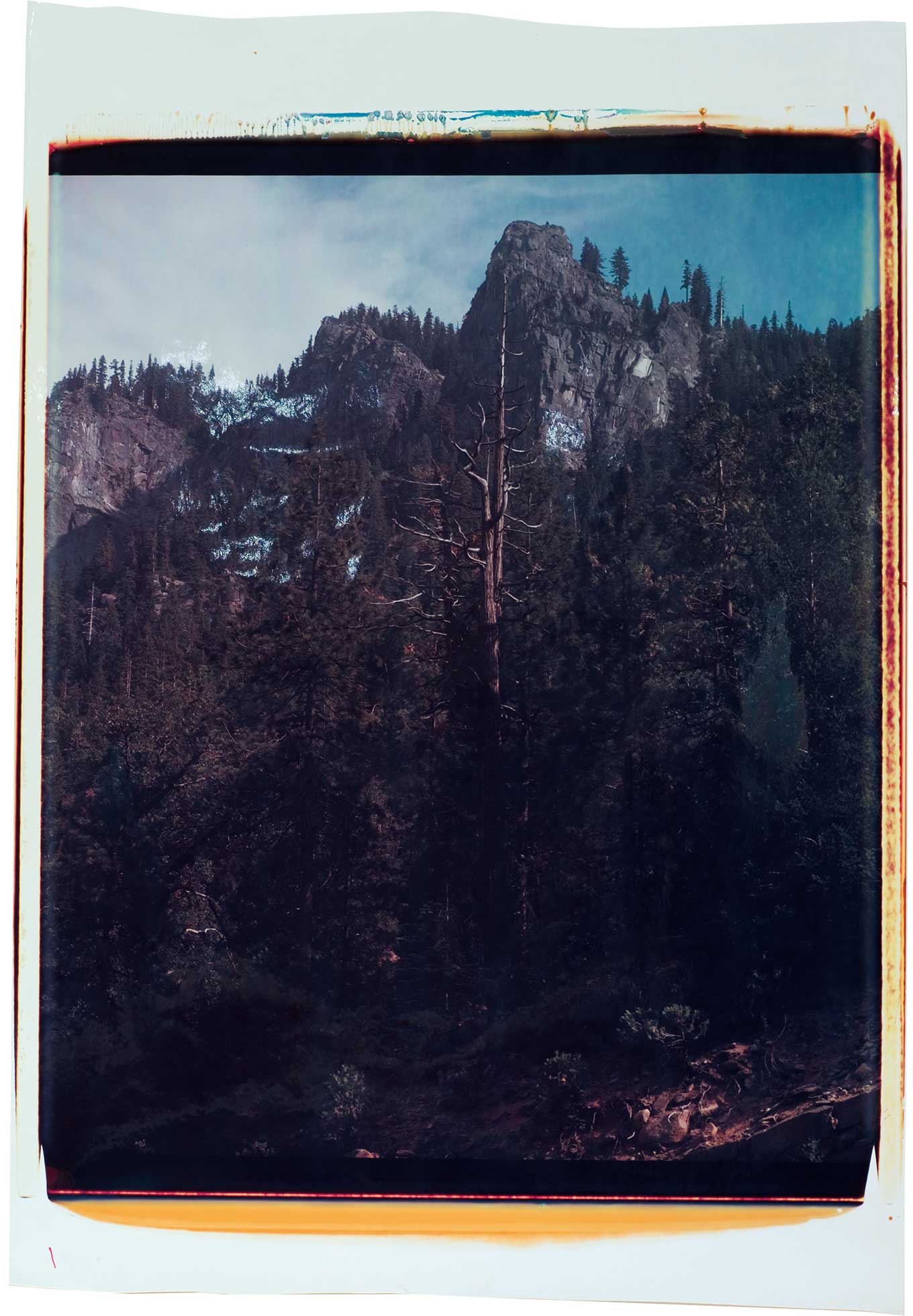
Ansel Adam’s large-format photograph of Sentinel Rock in Yosemite National Park bears a special defining aesthetic about itself. Adams, internationally renowned landscape photographer and photo writer, experienced with a wide variety of cameras and regularly experimenting with new processes and approaches, was a founding member of one of the most forward-looking photography collectives in the United States – called f/64 – and an influential representative of the style known as straight or pure photography. Adams sought in nature visual echoes to his own intuition; in this vivid, sharply detailed photograph, he allows the massive summit of Sentinel Rock to fill nearly the entire image, seeming somehow cradled there even in its cragged immensity.
The color Polaroids of Nobuyoshi Araki, undoubtably among the contemporary world’s most important photographic practitioners, complete our exhibition. Araki’s unique, intimate images of flowers in close detail reflect the forms and shapes of an ideal natural order, hinting towards the similarities and relationships we might all sense in our own human bodies.
Exhibition: Temporarily closed due to construction work July 14 – September 13, 2022 / by appointment only
11am – 6pm | mon – fri
Maximilianstraße 26, 80539 München
All images are available for purchase. Prices upon request.
Send Request







 +49 89 29 73 42